Pinacoteca Ambrosiana: Art and History in Central Milano
Renaissance masterpieces and tranquil rooms steps away from central monuments fill the historic Pinacoteca Ambrosiana in central Milano.
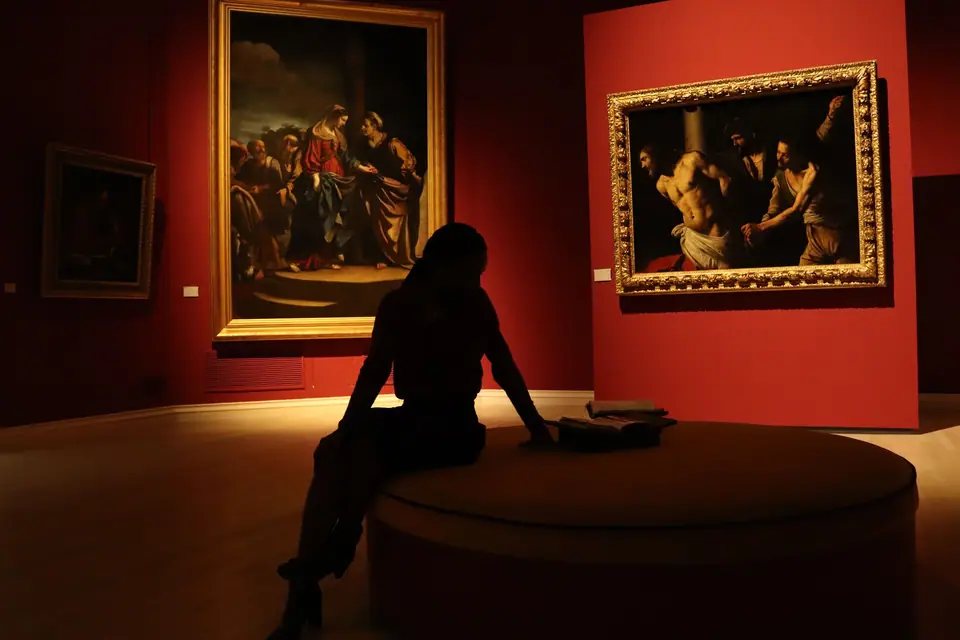
Stepping inside this historic institution gives us immediate respite from the lively city streets outside. The building preserves an intimate ambience where centuries of scholarship and artistic patronage remain palpable throughout the rooms. Founded to foster intellectual inquiry and protect significant works, the complex houses both an extraordinary library and an expansive painting gallery. High ceilings, parquet floors, and soft gallery illumination focus our attention directly onto the individual canvases and sketches. Unlike larger civic complexes, these halls encourage quiet contemplation as we move gently from intimate cabinets into grander exhibition spaces.
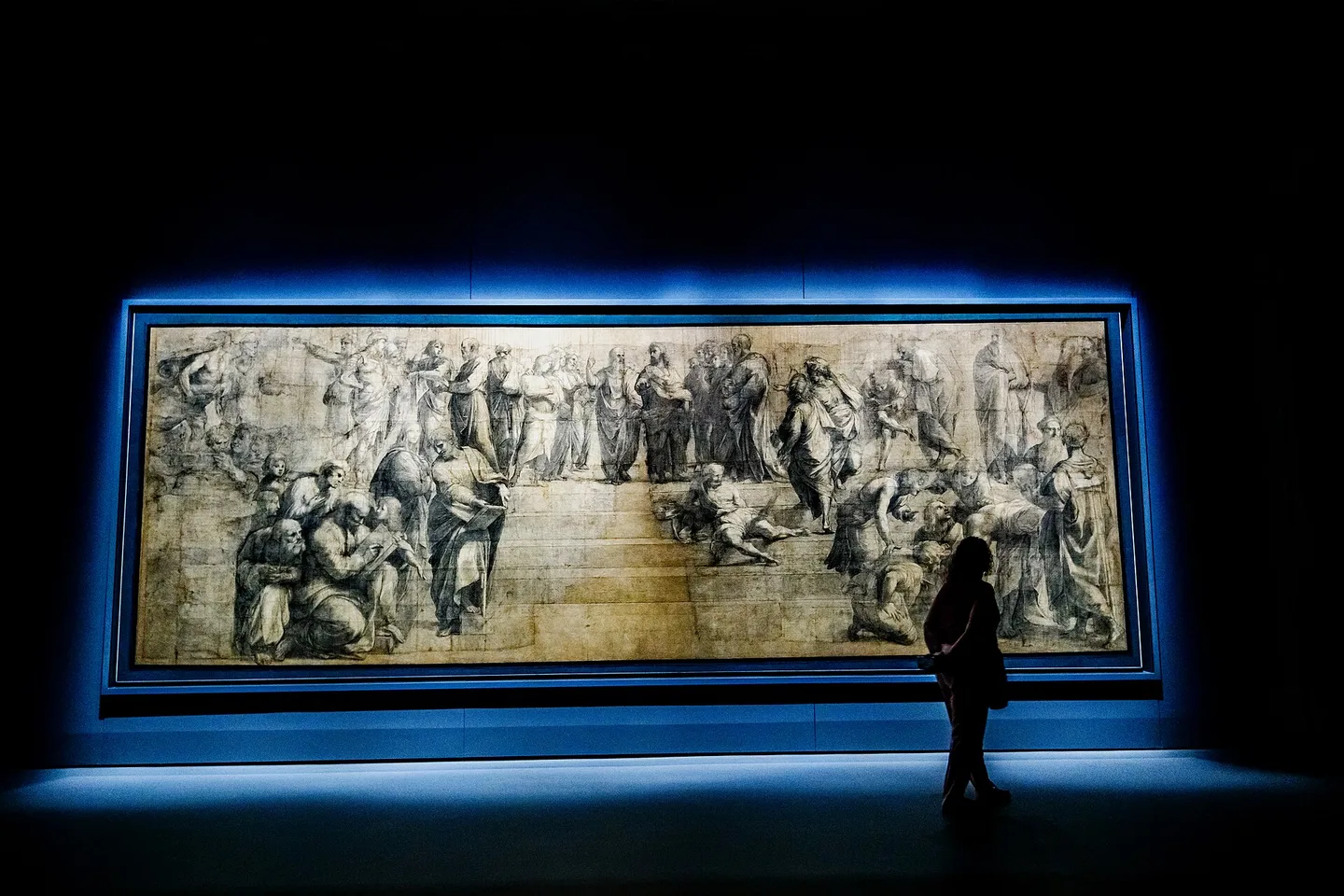
The collection showcases the discerning taste of its clerical founders, presenting religious scenes alongside striking portraits and classical allegories. We encounter delicate Renaissance studies that reveal the working methods of master artists before they applied colour to plaster or wood. Shifting from earlier religious tempera panels to richer oil canvases demonstrates the rapid evolution of northern Italian painting techniques. Preserved manuscripts and classical statuary bridge the gap linking humanistic reading with visual appreciation, confirming the original educational purpose of the complex. Every room maintains a disciplined focus that rewards patient study.
Masterpieces Across the Gallery Rooms
As we advance through the upper rooms, the sheer quality of individual paintings commands attention without feeling overwhelming. Masterworks from Lombard and Venetian painters sit beside delicate Flemish landscapes, displaying the broad aesthetic reach of early collectors. The interplay of chiaroscuro creates dramatic depth in devotional scenes, pulling our eyes into darkened corners and highlighted faces. Travellers who enjoy Renaissance draughtsmanship will find the preparatory drawings and refined portraiture deeply engaging. Each salon offers well-placed seating that allows us to absorb complex compositions without fatigue or haste.
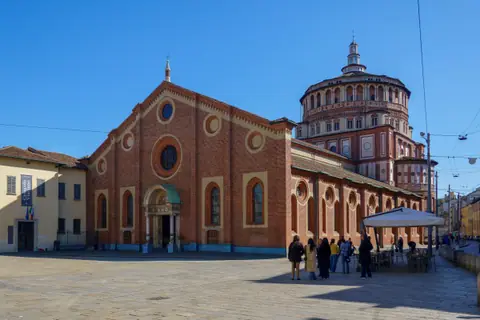
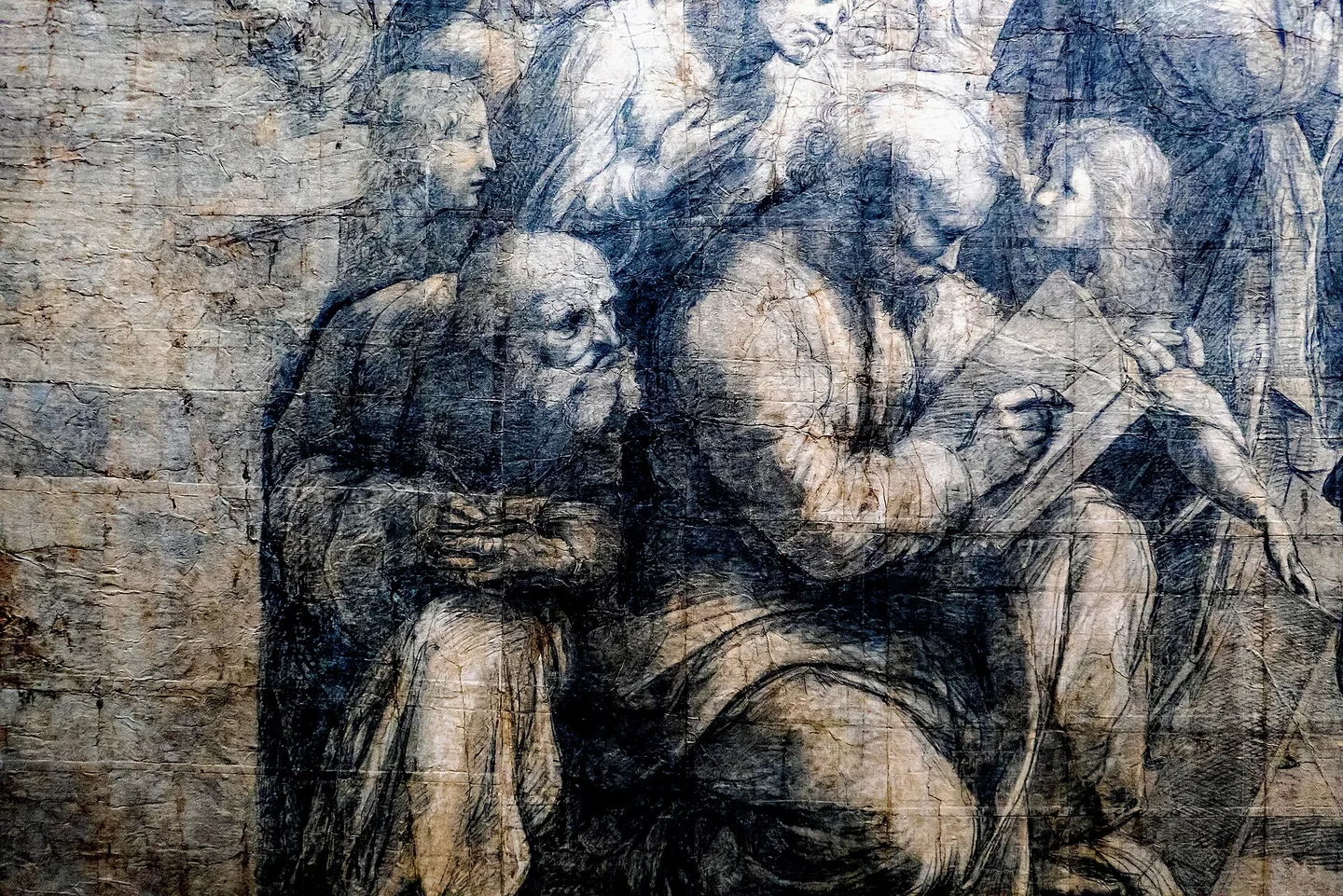
Moving towards the library wing, the focus shifts towards scientific inquiry, literary heritage, and graphic inventiveness. Displays of historic manuscripts reveal intricate marginal notes, early cartography, and inventive engineering studies sketched with astonishing precision. This section shows how art and empirical science developed side by side during the Renaissance, informing each other at every turn. After studying these fragile folios, book timed slots for Leonardo's Last Supper refectory before proceeding across the western quarter. The preservation of these centuries-old leaves remains exceptional, sheltered beneath controlled lighting and bespoke display vitrines.
Gallery Highlights and Room Sequencing
Planning our route through the building helps us appreciate both the scale and variety of the collection. The complex unfolds across distinct sections, each presenting a particular epoch or artistic medium with clarity.
| Gallery Zone | Artistic Focus | Primary Experience |
|---|---|---|
| Upper Picture Rooms | Renaissance and Mannerist oil paintings | Rich religious altarpieces and refined court portraits |
| Manuscript and Study Halls | Graphic sketches and archival folios | Close observation of ink drawings and early humanistic texts |
| Inner Courtyards | Classical architectural features and masonry | Quiet pauses among stone detailing and cloister arches |
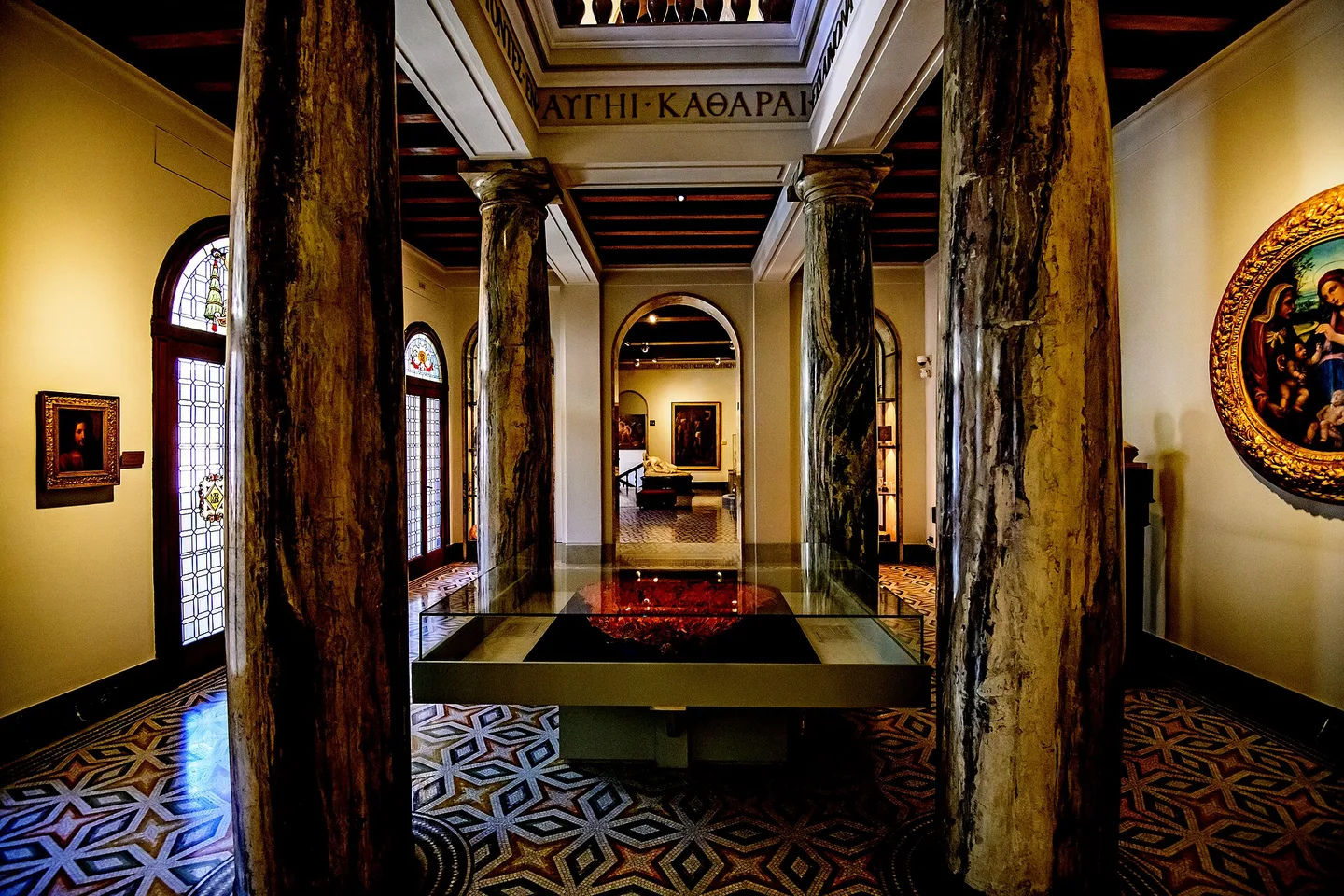
Taking time in the central courtyard gives us a refreshing breath of open air before viewing separate gallery wings. Stone colonnades frame the sky, providing a peaceful contrast to the intensely detailed paintings hung inside adjoining rooms. We observe historic lapidary inscriptions and carved capitals that echo the long scholarly heritage of this institution. Visitors walking northward toward Brera's gallery lanes will spot interesting parallels among these historic collections. Moving smoothly from old masonry into silent interiors shapes the contemplative rhythm of our visit.
Navigating the Surrounding Historic Streets
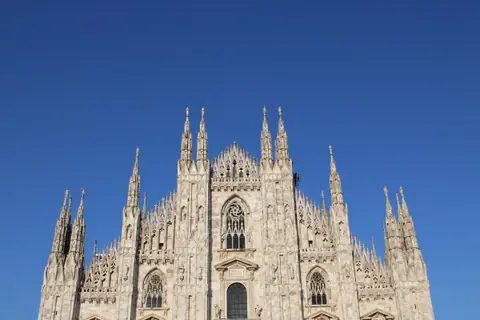
Leaving the museum brings us straight back into the historic core of central Milan, where narrow lanes lead towards major civic landmarks. The surrounding neighbourhood features quiet residential courtyards, traditional espresso bars, and artisan workshops tucked behind heavy wooden portals. Moving on foot remains the most rewarding way to appreciate the local streetscapes and ancient parish churches nearby. A brief wander eastwards quickly connects us to the grand square surrounding Duomo di Milano, making combined urban routes simple to organise. Early morning arrivals allow us to enjoy these central thoroughfares before midday foot traffic builds up.
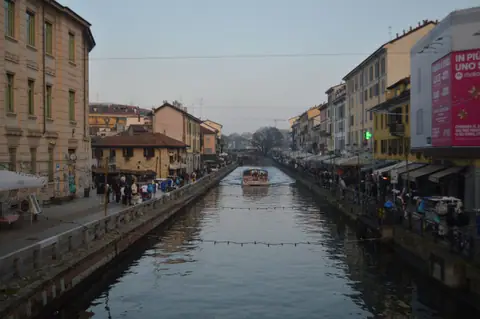
Public transport serves the district well, with nearby metro stops and historic tram lines running along primary avenues. We can easily catch outward connections down to the southern canal banks of Navigli for an evening meal by the water. Cobblestone surfaces dominate the immediate perimeter, so sturdy footwear keeps journeys on foot comfortable across central districts. Seasonal light changes the character of the galleries, with winter afternoons casting early shadows and summer mornings filling outer cloisters with bright sunshine. Advance entry tickets include access to both the historic library reading hall and the upper painting rooms.
Official prices and opening hours
- Duomo di Milano (Cathedral, Terraces & Museum)Official site ↗
- Cenacolo Vinciano (Leonardo’s Last Supper)Official site ↗
Where it is
- 1Pinacoteca Ambrosiana
- Milano Linate Airport (LIN) · about 7 km from here in a straight line
- Directions in Google Maps
Stations and taxi ranks: OpenStreetMap. Airports: OurAirports. Distances are in a straight line.
Traveller tips
Real advice from people who have been to Milano. Every tip is read by our team before it goes live.
No tips yet. Been here? Yours could be the first.
Thank you! Your tip will appear here after a quick review.
More in Milano
Continue exploring Milano with related neighbourhood, food, and planning guides