Panettone in Milan: History, Pasticcerie, and Tasting Traditions
Golden Milanese panettone heritage comes alive through historic bakeries, seasonal baking traditions, and classic local tasting customs.
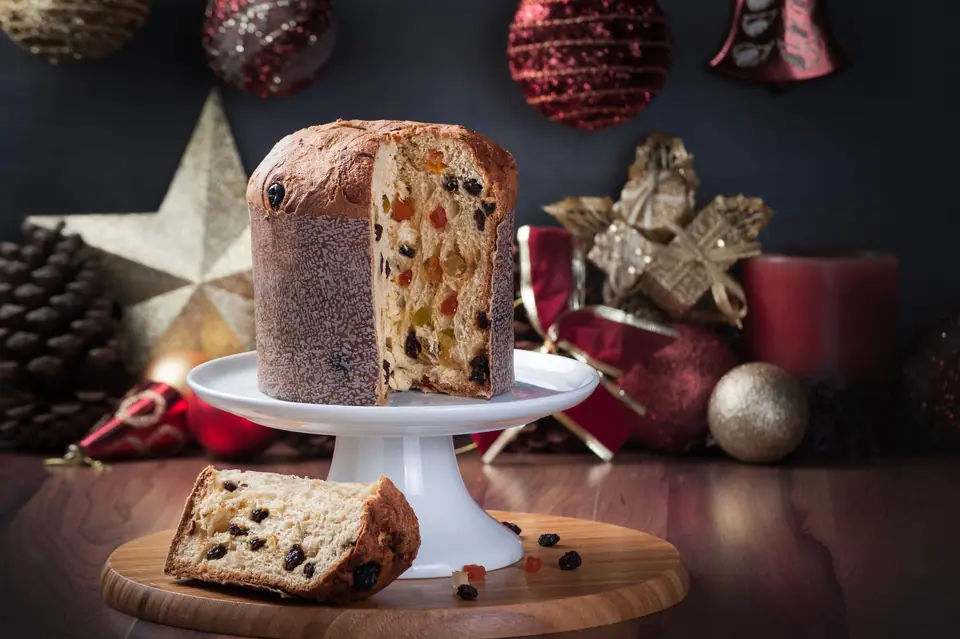
Milanese panettone stands as the crown of northern Italian baking, celebrated across Lombardy for its tall dome and rich, airy crumb. The traditional bread relies on natural mother yeast, butter, eggs, sultanas, and candied citron or orange peel. Bakers nurture sourdough starters with disciplined fermentation over several days. This slow process allows the loaf to rise without artificial leavening. Deliberate timing produces a supple yellow interior perfumed by vanilla and citrus oils, offering a tender bite rather than dense cake weight.
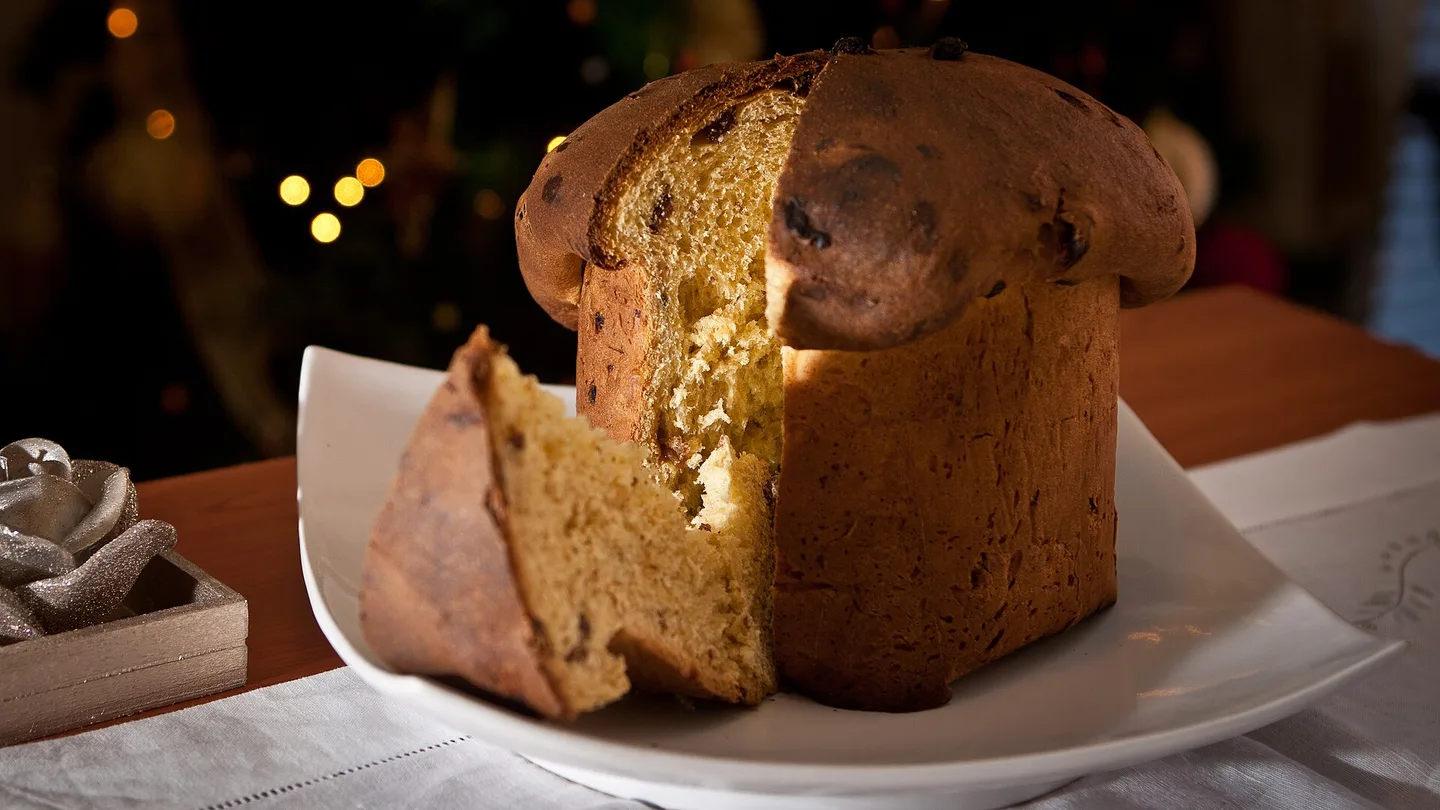
Local folklore traces the loaf back to ducal banquets, yet its modern domed silhouette took shape through artisanal bakeries refining tall paper cases. Today, master bakers hang the baked loaves upside down on skewers for several hours. This inverted cooling prevents the delicate crumb from collapsing while warm. Slicing through the golden crust reveals an open, irregular texture created by long fermentation. The distinctive aroma fills pastry workshops as winter approaches, drawing locals seeking loaves crafted strictly by traditional rules.
Historic Pasticcerie and Bakery Quarters
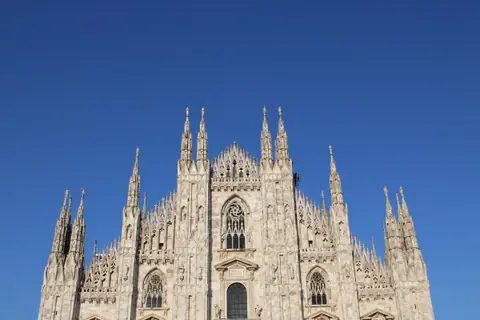
Finding exceptional panettone takes visitors across several distinct neighbourhoods of the city, from historic central avenues to quieter residential lanes. A short stroll from the Duomo di Milano leads to grand heritage cafes where gilded counters display packaged loaves wrapped in hand-tied ribbons. These storied venues have served Milanese families for generations. They turn seasonal gift giving into an elegant ritual of city life during the chillier months.
Further north, the cobblestone alleys of the Brera district house independent pastry counters tucked beside art studios and quiet courtyards. Bakers in Brera frequently experiment with subtle chocolate swirls alongside the purist citrus recipe, catering to local residents seeking fresh breakfast slices. Those walking past the canals of the Navigli district will discover neighbourhood workshops that bake smaller batches throughout the autumn months. Exploring these varied quarters allows visitors to compare crust textures, sweetness levels, and butter aromas across independent bakeries.
Artisan bakers take special pride in sourcing unbleached flours with robust gluten strength to support high proportions of butter. The enriched dough requires precise temperature control during mixing, as excess friction can melt the fats prematurely. In historic quarters, pastry chefs monitor proving cabinets that keep humidity steady through the final rise. Walking into these bakeries in December reveals shelves lined with brown kraft boxes, each stamped with heritage insignias and tied with grosgrain ribbons.
Seasonal Variations and Year-Round Loaves
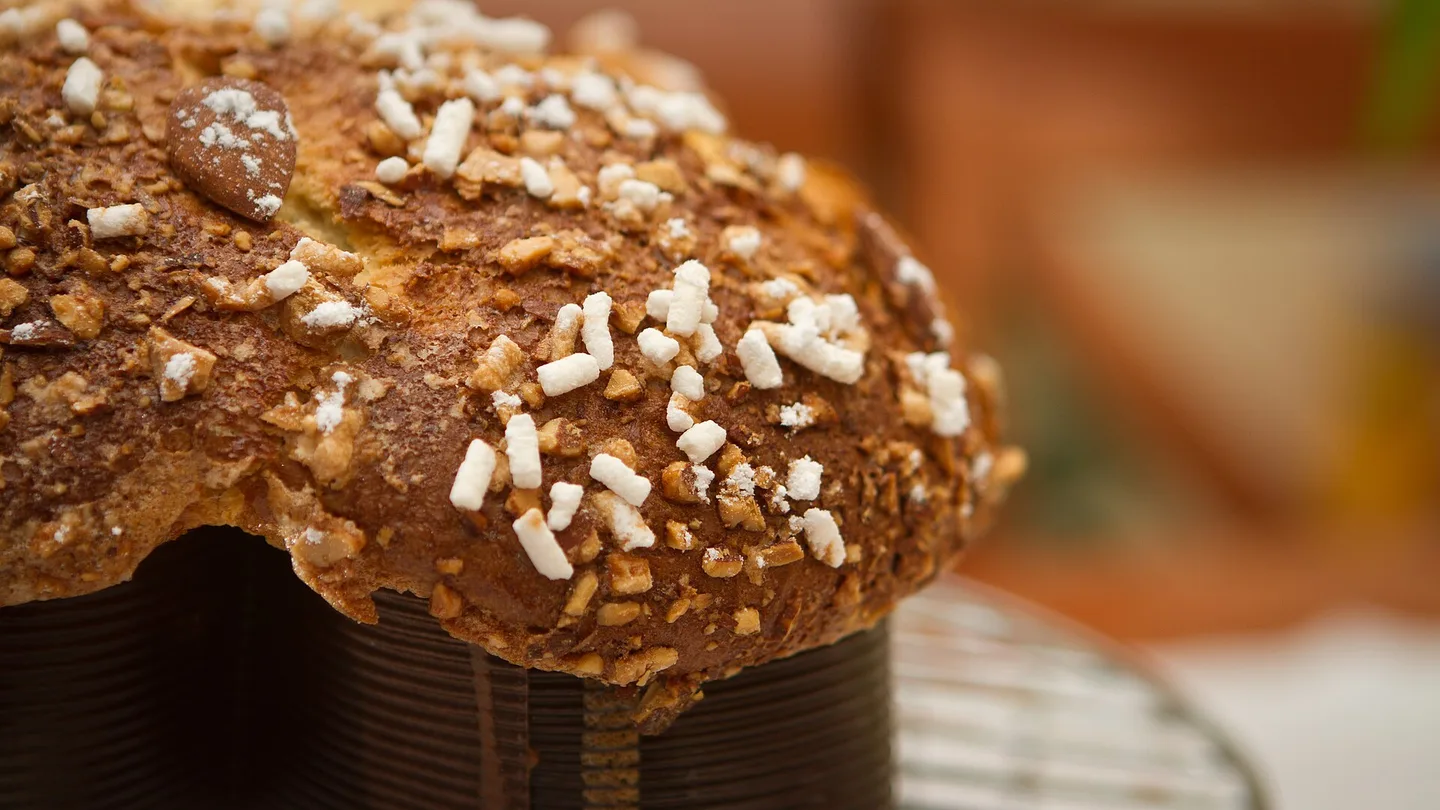
While panettone remains deeply rooted in midwinter gatherings, sweet leavened bread plays a constant role in the culinary calendar across Milano. As spring approaches, pastry shops turn their attention to colomba pasquale. This Easter specialty features similar enriched dough but takes the shape of a flying dove, finished with pearl sugar and crisp whole almonds. Modern artisan bakers increasingly prepare smaller panettone loaves during warmer months, offering visitors a taste outside the main holiday rush.
| Baking Specialty | Traditional Season | Key Crust Topping | Characteristic Shape |
|---|---|---|---|
| Classic Panettone | Winter and holidays | Glossy scored butter crust | Tall domed cylinder |
| Colomba Pasquale | Spring and Easter | Almond glaze with pearl sugar | Dove-shaped cross form |
| Artisan Panettoncino | Year-round rotation | Natural golden egg wash | Small personal dome |
Comparing these sweet loaves reveals the versatility of Milanese yeast craftsmanship. Each version highlights a careful balance between moisture, acidity, and aromatic fruit peels:
- Traditional loaves require natural mother yeast nurtured across multiple daily dough refreshments.
- Candied fruits must remain tender and plump to distribute subtle sweetness evenly throughout every slice.
- Upside-down cooling skewers protect the featherlight gluten structure immediately following the oven bake.
- Paper collars guide the upward expansion of the dough during the baking phase in deck ovens.
- Natural sourdough fermentation preserves moisture without chemical additives or artificial preservatives.
Serving Traditions and Tasting Etiquette
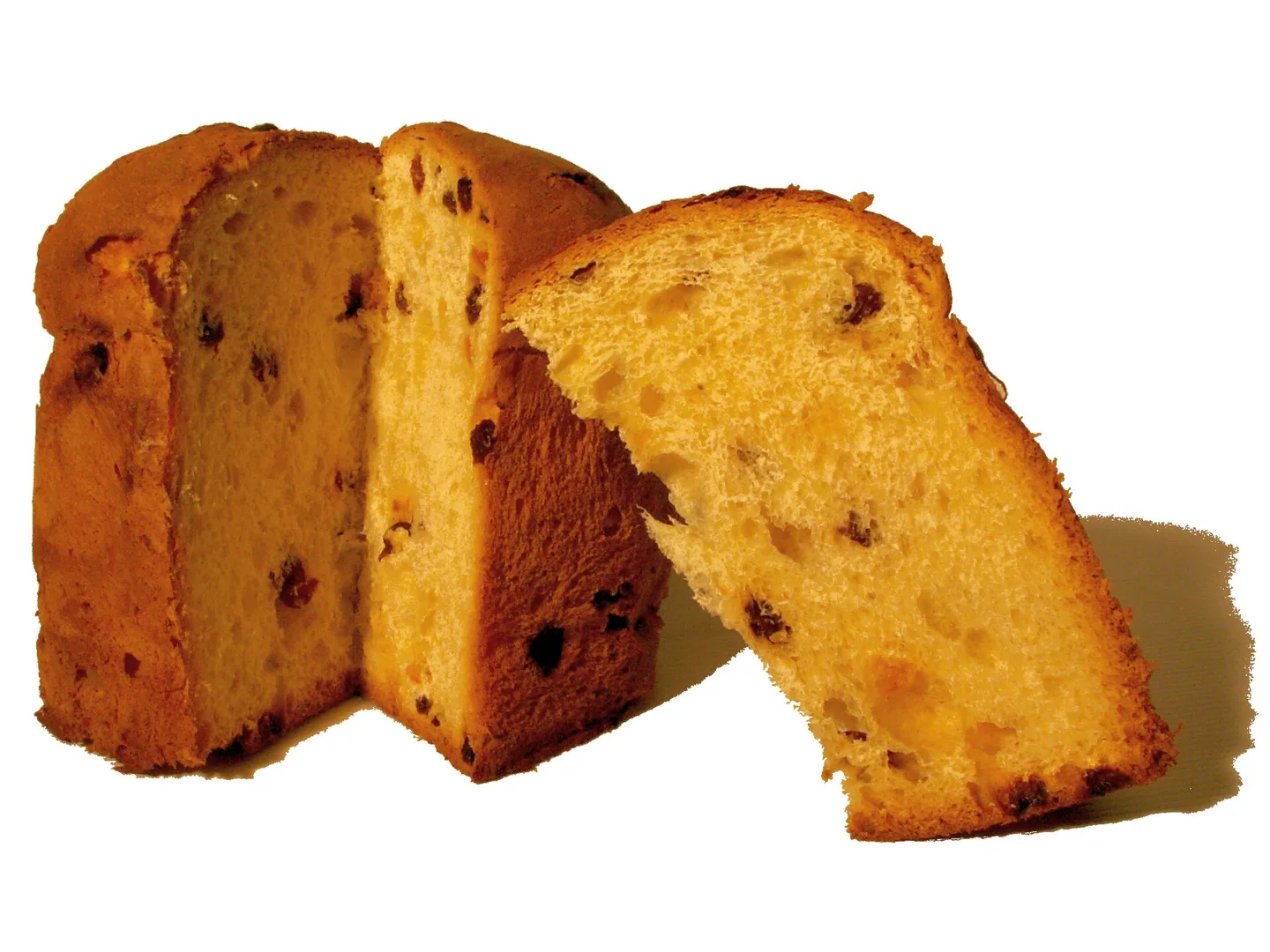
Eating panettone in Milan follows simple, unpretentious customs that focus on freshness and respectful appreciation of the baker craft. Locals slice the bread vertically from top to bottom using long serrated knives, creating slender wedges that showcase the fruit distribution. Heating panettone inside a hot oven is discouraged, as direct dry heat robs the crumb of its delicate moisture. Instead, families keep the loaf at gentle room temperature for an hour before serving to let the butter soften naturally.
Morning coffee counters often serve thick, fresh cuts alongside espresso or frothy cappuccino, giving commuters a sweet breakfast before their morning tram journeys. During evening gatherings, residents pair afternoon slices with delicate sparkling wine or rich mascarpone cream whisked with egg yolks. The gentle sweetness of the wine complements the citrus peel, while the cream balances the airy dough. Whether enjoying a slice in an ornate tea salon or sharing a boxed loaf at home, tasting authentic panettone connects visitors directly to Milanese culinary history.
Proper storage is essential when bringing a loaf home from a local pasticceria. Artisans recommend keeping the loaf inside its sealed plastic bag to prevent air exposure from drying the crumb. When kept away from heat drafts and direct sunlight, a naturally leavened panettone retains softness for several weeks. Savoring the final wedges with warm caffe latte provides a comforting conclusion to the seasonal celebrations.
Official prices and opening hours
- Duomo di Milano (Cathedral, Terraces & Museum)Official site ↗
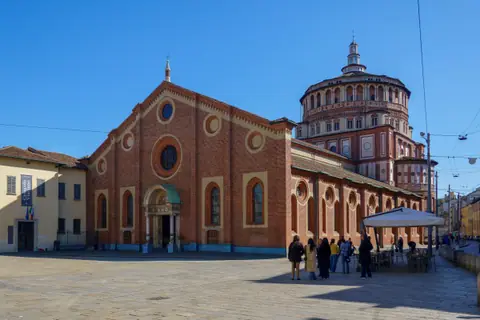
- Cenacolo Vinciano (Leonardo’s Last Supper)Official site ↗
Where it is
- 1Panettone in Milan
- Milano Linate Airport (LIN) · about 7 km from here in a straight line
- Directions in Google Maps
Stations and taxi ranks: OpenStreetMap. Airports: OurAirports. Distances are in a straight line.
Traveller tips
Real advice from people who have been to Milano. Every tip is read by our team before it goes live.
No tips yet. Been here? Yours could be the first.
Thank you! Your tip will appear here after a quick review.
More in Milano
Continue exploring Milano with related neighbourhood, food, and planning guides