Milan Walking Tour: Duomo to Brera and Historic Arcades
We trace a central walking route across Milan connecting major squares, covered passages, and historic art courtyards on foot.
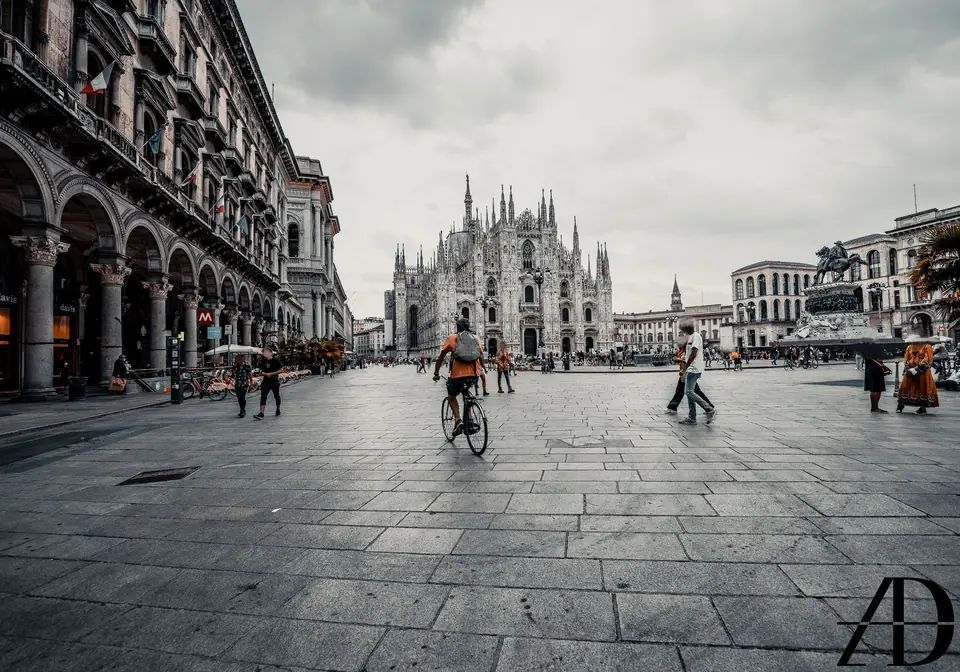
Milan reveals its true character when explored on foot across flagstone plazas and sheltered passages. Our route begins on the wide stone flags of Piazza del Duomo, where metro lines M1 and M3 converge below ground. This central open space serves as an orientation anchor for the entire metropolitan area. Before setting out into shopping alleys, stop beside the marble facade near the cathedral terraces and central nave to admire its carved pinnacles. Walking westwards leads directly away from heavy tram lines towards quiet medieval alleys.
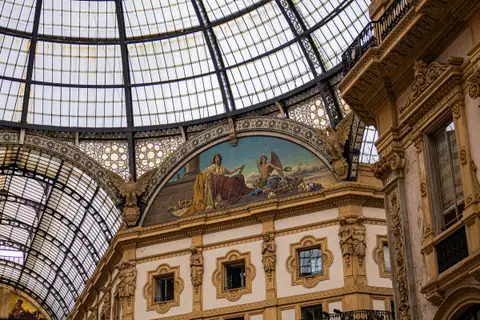
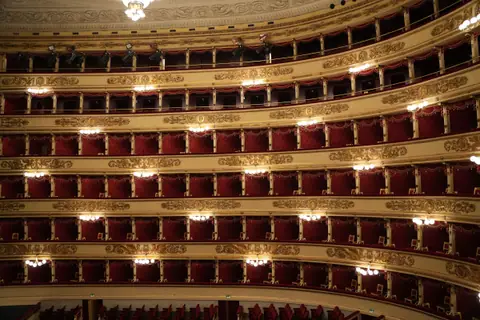
The open square connects directly to the northern entrance of Galleria Vittorio Emanuele II. This covered arcade is paved with detailed marble mosaics. Pedestrians cross under vaulted iron arches that protect walkers from heavy summer sun and winter rain. The pedestrian corridor links cathedral views directly to the opera house piazza at Teatro alla Scala. Moving through this passage requires steady awareness of brisk foot traffic moving between appointments.
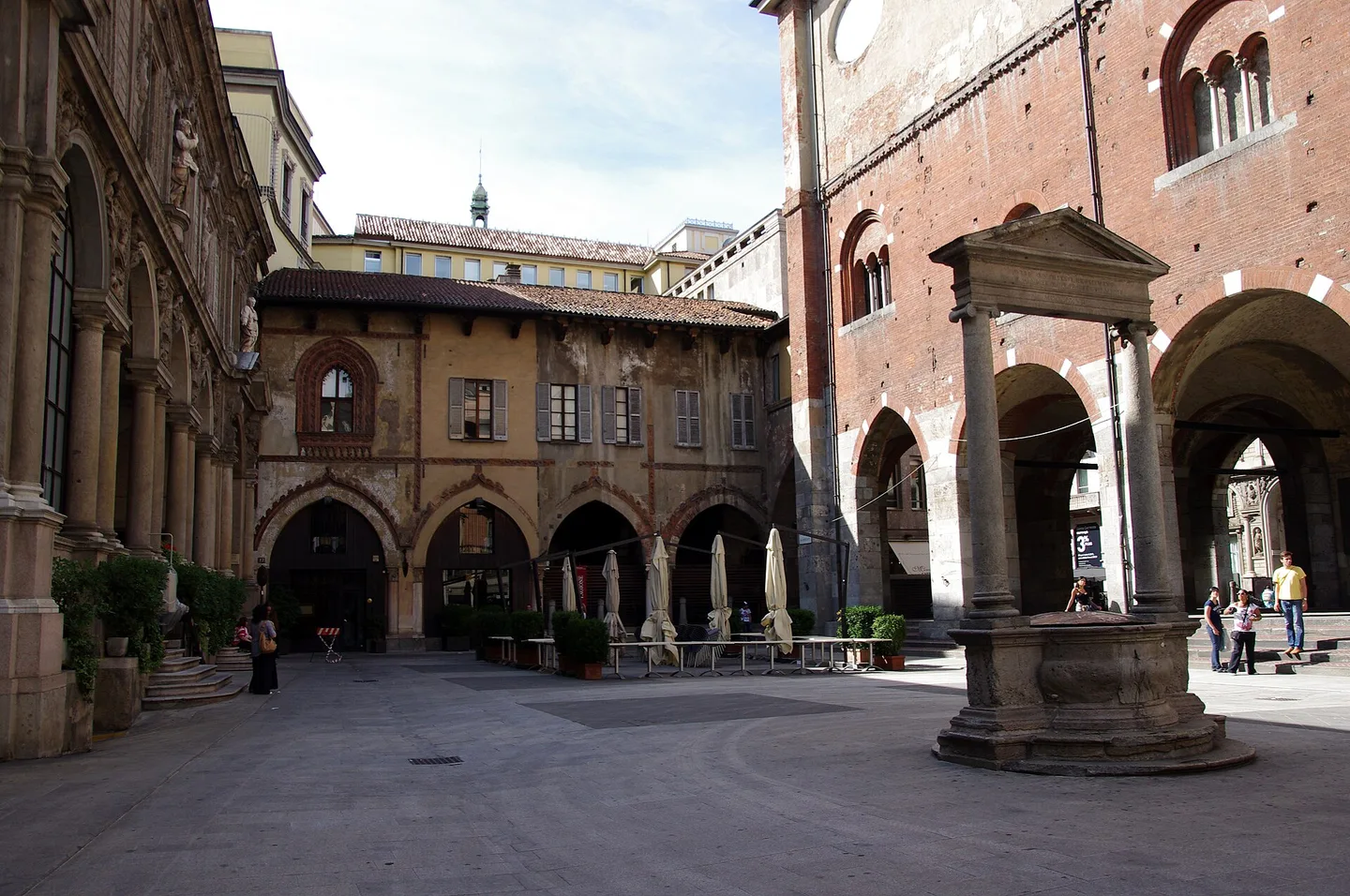
Just west of the central cathedral stands Piazza Mercanti, an enclosed square preserving the administrative atmosphere of medieval Milan. The square features the Palazzo della Ragione, resting on open stone arches that once sheltered merchant exchanges. The stone paving here feels older and uneven, offering an abrupt shift from grand neoclassical avenues. Whispering stone columns along the loggia create acoustic curiosities that travellers enjoy testing across diagonal corners.
From Piazza Mercanti, our route leads northwest through narrow passages toward the cultural quarter of historic Brera. These smaller lanes wind past traditional bakery windows, tailor workshops, and family-run coffee bars. Pavements narrow considerably in this district, requiring pedestrians to step aside for delivery vans. The quiet lanes shield walkers from heavier motor traffic running along wider ring avenues.
Key Waypoints on the Central Walking Spine
| Route Segment | Primary Landmark | Terrain and Footing |
|---|---|---|
| Piazza del Duomo | Cathedral facade | Broad smooth marble flags |
| Galleria Arcade | Iron glass dome | Polished terrazzo and mosaics |
| Piazza Mercanti | Medieval merchant loggia | Uneven stone paving |
| Via Brera | Art academy courtyards | Narrow stone slabs and cobbles |
Entering the Brera quarter brings travellers into the immediate vicinity of the Pinacoteca di Brera. The art museum is housed within an elegant palazzo courtyard. Bronze statuary stands at the centre of the colonnade, inviting visitors to pause beneath shady porticoes. Small galleries and artisan print shops line pedestrianised side streets leading toward northern metro stations. Many walkers choose this quarter to break their journey with an espresso served at counter tables.
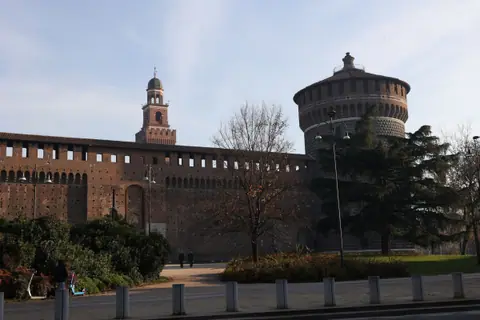
From Brera, the pedestrian network offers direct connections toward the historic fortress grounds of Castello Sforzesco. Wide avenues lead west across shaded paths, connecting central sightseeing with the museum housing Leonardo's Last Supper. Timed entry bookings are mandatory weeks ahead before walking westward toward Santa Maria delle Grazie. The entire walking journey remains flexible, allowing quick detours into quiet church cloisters along the way.
Smooth flagstones in the grand squares can turn slippery during damp morning weather. Comfortable rubber-soled walking shoes remain advisable. Bicycles and electric kick-scooters share several pedestrianised corridors, so keep to the right side of lanes when hearing approaching bells. Metro stations sit at regular intervals along this walking corridor, allowing tired travellers to descend easily into transit tunnels. Evening strollers often extend their circuit south towards the water channels of the Navigli canal quarter for dinner.
- Start your morning walk early at the cathedral square before commercial delivery vans enter the pedestrian zones.
- Look out for bronze plaques embedded into stone corners that mark old parish boundaries.
- Use marked pedestrian crossings whenever the walking route bisects active yellow tram tracks.
- Wear sturdy leather or rubber soles suited to damp cobblestones and smooth palace steps.
By traversing the central core on foot, travellers gain a clear appreciation for the layered history across distinct city quarters. Quiet courtyard galleries, classical brass plaques, sunlit residential porticoes, shaded bookstalls, and arched stone passages offer calm breaks between sunny open plazas along every stage of this downtown circuit. Evening trams glide smoothly past ancient gateways as shopkeepers lower metal shutters. The journey from medieval loggias to refined gallery courtyards reveals everyday urban life across historic metropolitan Milan.
Official prices and opening hours
- Duomo di Milano (Cathedral, Terraces & Museum)Official site ↗
- Cenacolo Vinciano (Leonardo’s Last Supper)Official site ↗
Where it is
- 1Milan Walking Tour
- Milano Linate Airport (LIN) · about 7 km from here in a straight line
- Directions in Google Maps
Stations and taxi ranks: OpenStreetMap. Airports: OurAirports. Distances are in a straight line.
Traveller tips
Real advice from people who have been to Milano. Every tip is read by our team before it goes live.
No tips yet. Been here? Yours could be the first.
Thank you! Your tip will appear here after a quick review.
More in Milano
Continue exploring Milano with related neighbourhood, food, and planning guides

Milanese Culinary Traditions and Historic Dining Quarters
Milano, Italy
Galleria Vittorio Emanuele II Walking and Architectural Guide
Milano, Italy
Teatro alla Scala Guide: Milan's Legendary Opera House
Milano, Italy
Castello Sforzesco Field Guide: Courtyards, Art Collections, and Park Connections
Milano, Italy
