Pavia Day Trip from Milano: Rivers, Covered Bridges and Ancient Cloisters
Quiet medieval alleys, covered bridges, and peaceful monastery cloisters across the plain await south of Milano in Pavia.
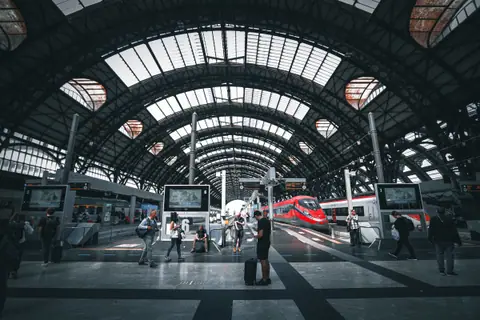
Leaving the energetic avenues around the central Milano railway corridors reveals a gentler side of Lombardy. The open farmland unfolds swiftly as regional tracks head straight towards the tranquil banks of the Ticino river.
We trade crowded avenues for quiet lanes lined with warm terracotta brickwork, noble palaces, and quiet academic courtyards. The change of pace feels immediate as stone arcades offer sheltered passage through centuries of regional history.
Before settling into the historic street grid of the old town, a short pause along the railway approach reveals northern monastic architecture. The landscape opens onto rural quietude where historic religious foundations flourished away from commercial traffic.
The fertile Lombard plain stretches quietly in every direction, dotted with ancient irrigation channels and agricultural settlements. Historic waterways once carried building stone and agricultural harvests across this flat landscape directly towards regional markets.
Approaching the edge of the settlement, the quiet rhythm of the countryside gives way to classic red-brick ramparts. Travellers quickly notice the lack of heavy highway noise as traditional pedestrian streets set a tranquil mood for exploration.
Monastic Solitude at Certosa di Pavia
Stepping down before the town centre allows travellers to encounter one of the most serene religious complexes in northern Italy. The monastery balances intricate marble facades with peaceful courtyards framed by slender terracotta arcades.
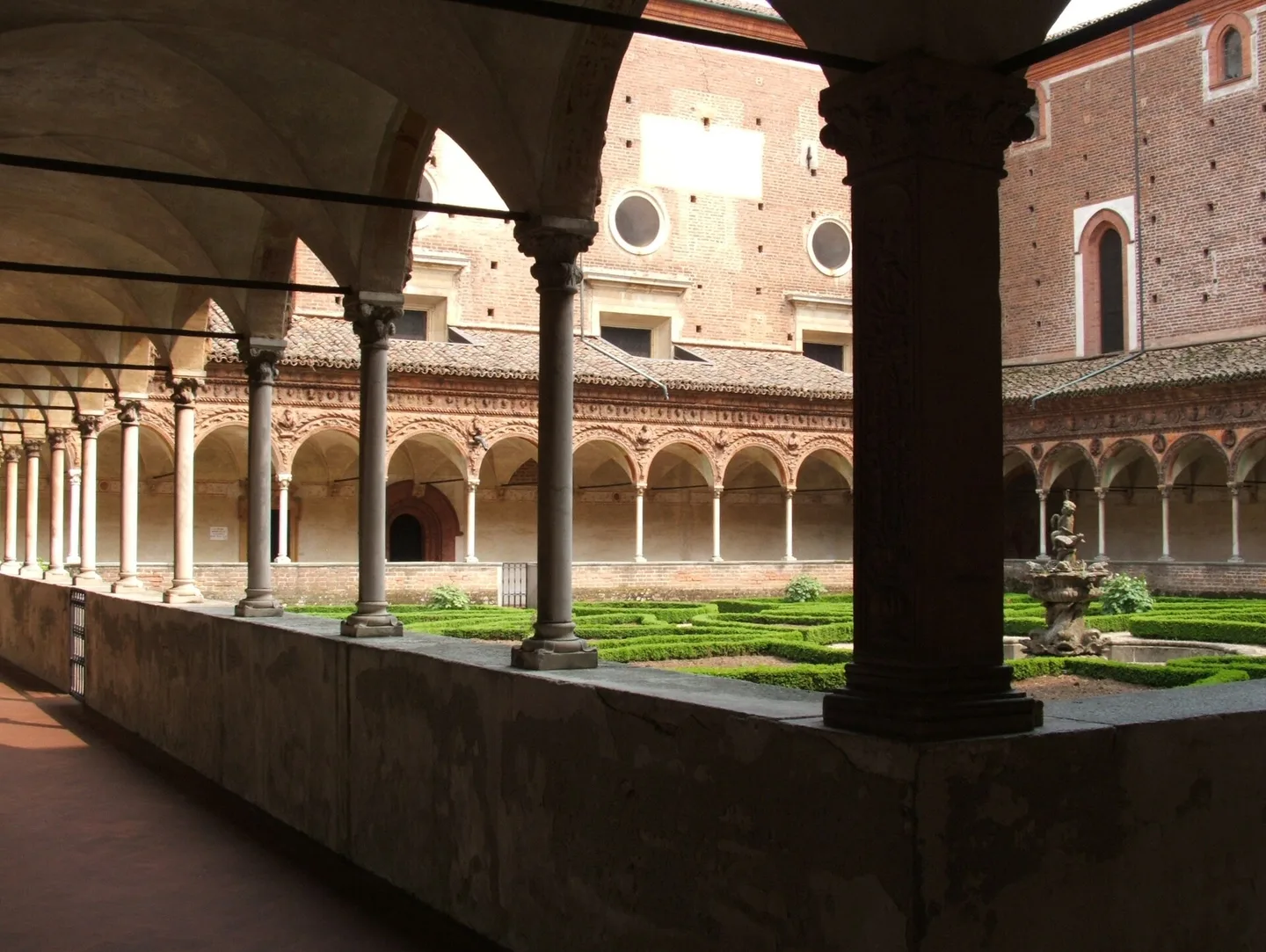
Within the walls, the small cloister invites silent contemplation among manicured greenery and carved stone capitals. Monks once tended medicinal herbs in these sunlit beds, shielded entirely from the wider political disputes of the region.
The contrast with urban hubs like Brera becomes striking as footfalls echo softly along the quiet stone perimeter. Taking time to absorb the carvings brings a deeper understanding of classical Lombard craftsmanship.
Carved relief panels display delicate biblical scenes and geometric patterns sculpted from native white marble and soft limestone. Each archway connects harmoniously with neighbouring pilasters, demonstrating the mastery achieved by regional stonemasons over generations.
Sunlight filters across the open lawn throughout the morning, warming the weathered brick walls of the central chapter house. Visitors can pause under the arcaded shelter to observe the subtle play of light upon historical surfaces.
Academic Halls and Shaded River Crossings
Moving inward to the historic core, the prestigious local university reveals grand entryways that echo centuries of continuous scholarly life. Arcaded paths lead travellers through sunny inner quads decorated with commemorative stone monuments.
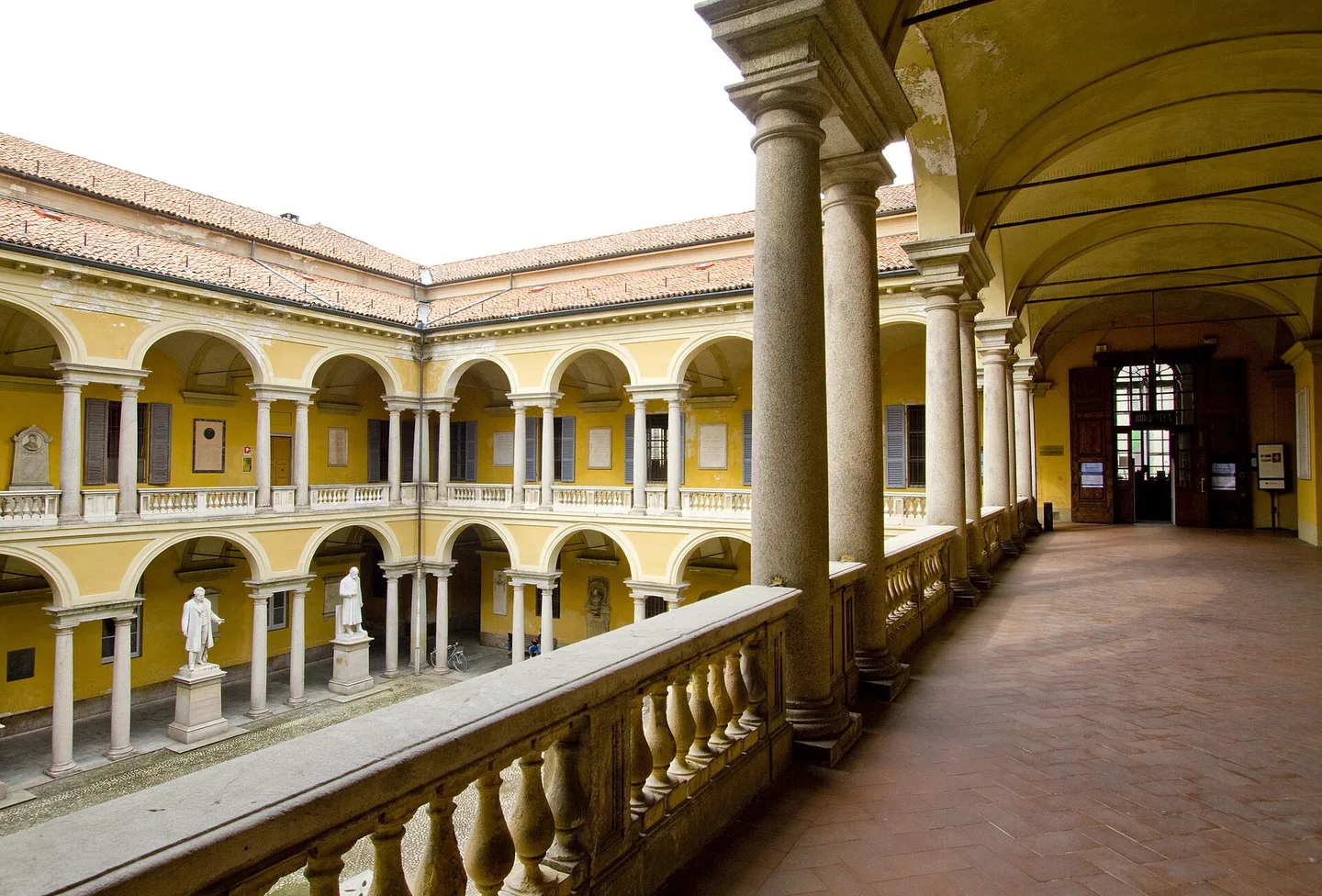
Statues honour former scholars who walked these corridors, creating a contemplative environment open to curious visitors. The nearby pedestrian alleys weave past small bakeries, quiet bookshops, and traditional cafes serving rich regional espresso.
Students gather beneath the shade of vaulted colonnades between morning lectures to discuss legal treatises and scientific studies. The atmosphere remains academic yet welcoming, encouraging unhurried exploration through open halls and tranquil libraries.
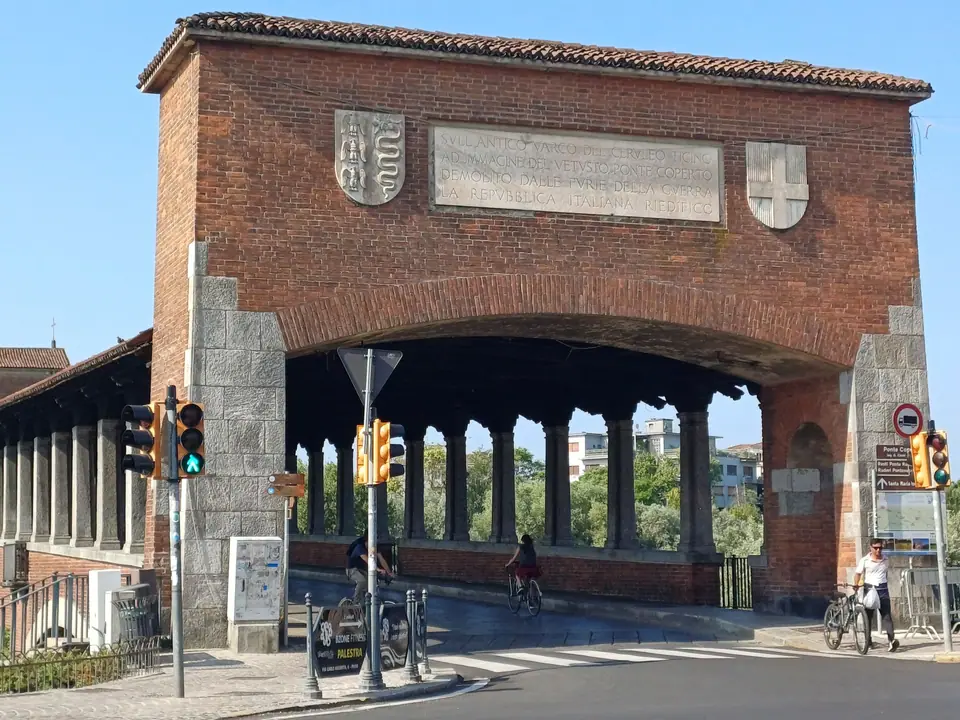
A gentle downhill stroll directs our route toward the wide, flowing currents of the Ticino river. Here stands the famous Ponte Coperto, spanning the water with its distinctive red-tiled roof and sturdy arched stone piers.
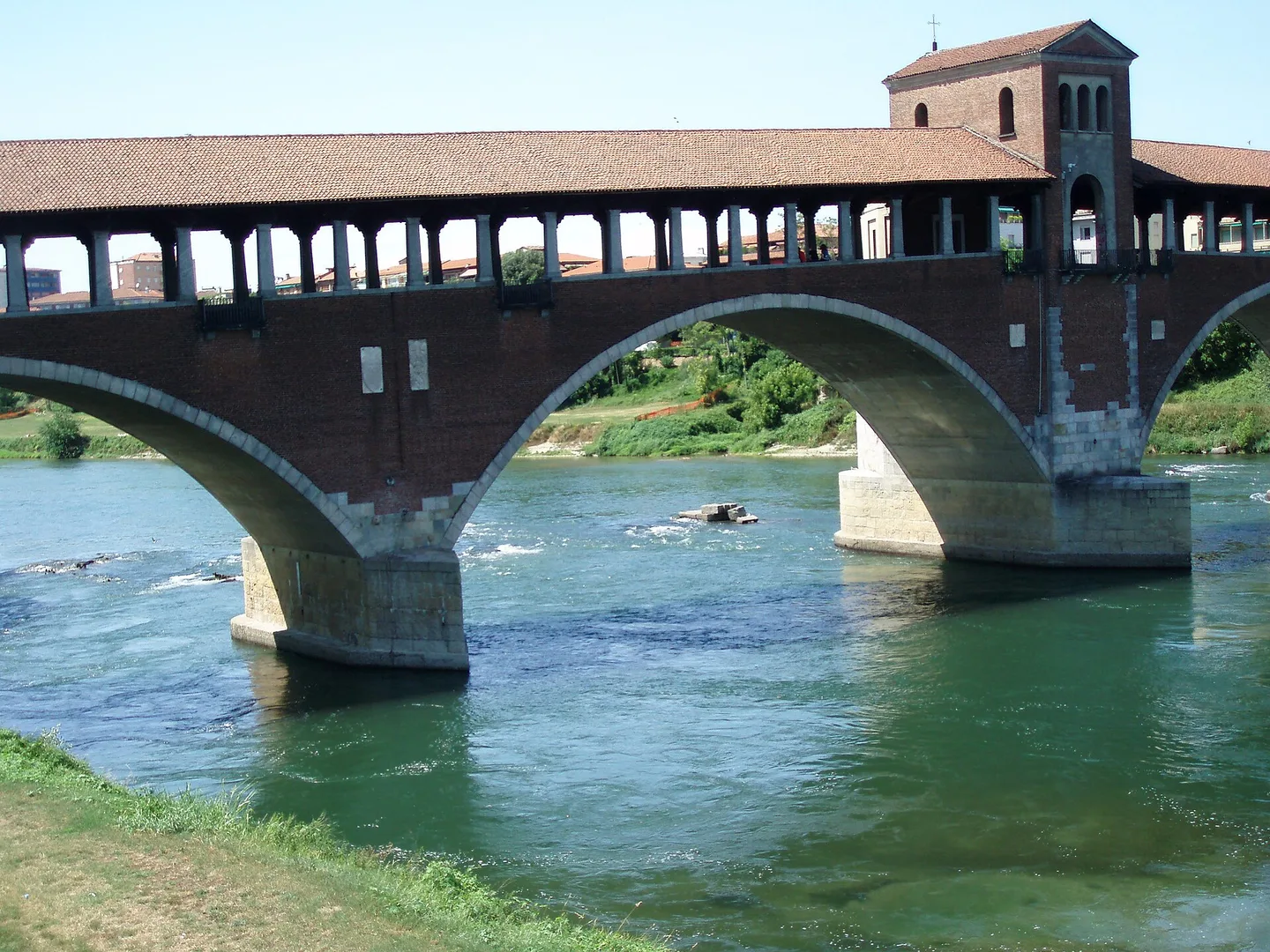
Walking through the covered timber roof protects pedestrians from midday heat or sudden afternoon rain showers. Looking upstream offers panoramic views of riverside houses reflecting peacefully along the calm water surface.
Fishermen often position their small flat-bottomed skiffs along the riverbanks beneath the heavy timber framework of the historic crossing. The sound of water lapping against the stone footings creates a soothing backdrop for an afternoon walk.
Planning Route Connections and Daily Pacing
Pavia offers an easy walking rhythm, but arranging your route logically saves considerable back-and-forth movement across the city centre. We suggest structuring your day by alternating enclosed architectural highlights with open riverside walking.
| District Focus | Key Landmark | Atmosphere |
|---|---|---|
| Northern Outskirts | Certosa Complex | Quiet monastic cloisters and secluded stone walkways |
| Academic Quarter | University Courtyards | Stately stone statues, bookshops, and quiet cafes |
| Riverside Banks | Ponte Coperto | Covered wooden spans, open water views, and breezy promenades |
To avoid rushing between stops, allocate early morning steps to the monastery before moving to the central academic core. Continue south across the river for afternoon views of the historic townscape from the opposite riverbank.
The southern bank provides an elevated perspective over the tiled rooftops, bell towers, and gentle curve of the watercourse. Photographers often wait here until late afternoon when the warm sun casts long shadows across the covered bridge.
Taking time to stop at neighbourhood cafes along the southern bank offers a relaxed glimpse into authentic residential daily life. Local residents congregate outside family bakeries to share conversations while rowers glide smoothly across the open river current.
- Start along the quiet cloister arcades to appreciate undisturbed morning light.
- Wander through the central university squares for shaded architecture and local student life.
- Cross the covered bridge late in the day to watch the river current catch the evening light.
- Conclude with a relaxed espresso along the cobbled squares before returning to your central base.
Combining calm university courtyards with breezy riverbanks makes this trip a rewarding complement to urban days spent exploring the historic canals of Navigli.
Official prices and opening hours
- Duomo di Milano (Cathedral, Terraces & Museum)Official site ↗
- Cenacolo Vinciano (Leonardo’s Last Supper)Official site ↗
Where it is
- 1Pavia Day Trip from Milano
- Milano Linate Airport (LIN) · about 24 km from here in a straight line
- Directions in Google Maps
Stations and taxi ranks: OpenStreetMap. Airports: OurAirports. Distances are in a straight line.
Traveller tips
Real advice from people who have been to Milano. Every tip is read by our team before it goes live.
No tips yet. Been here? Yours could be the first.
Thank you! Your tip will appear here after a quick review.
More in Milano
Continue exploring Milano with related neighbourhood, food, and planning guides