Milan Brera District Field Guide
Paved with historic cobblestones and shaded by quiet palace courtyards, Brera remains one of Milan's most characterful quarters.
Navigating the Cobbled Core
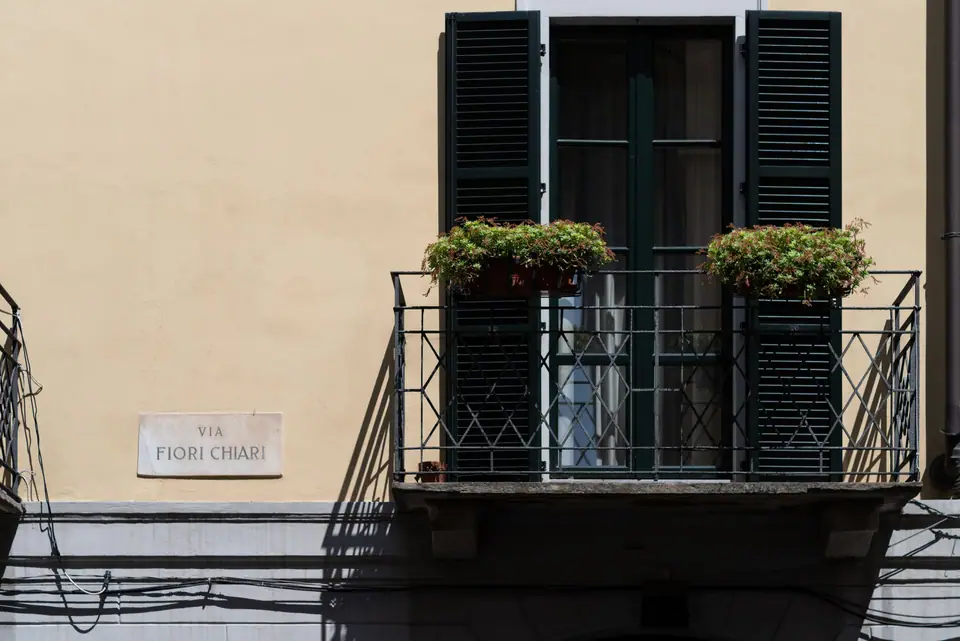
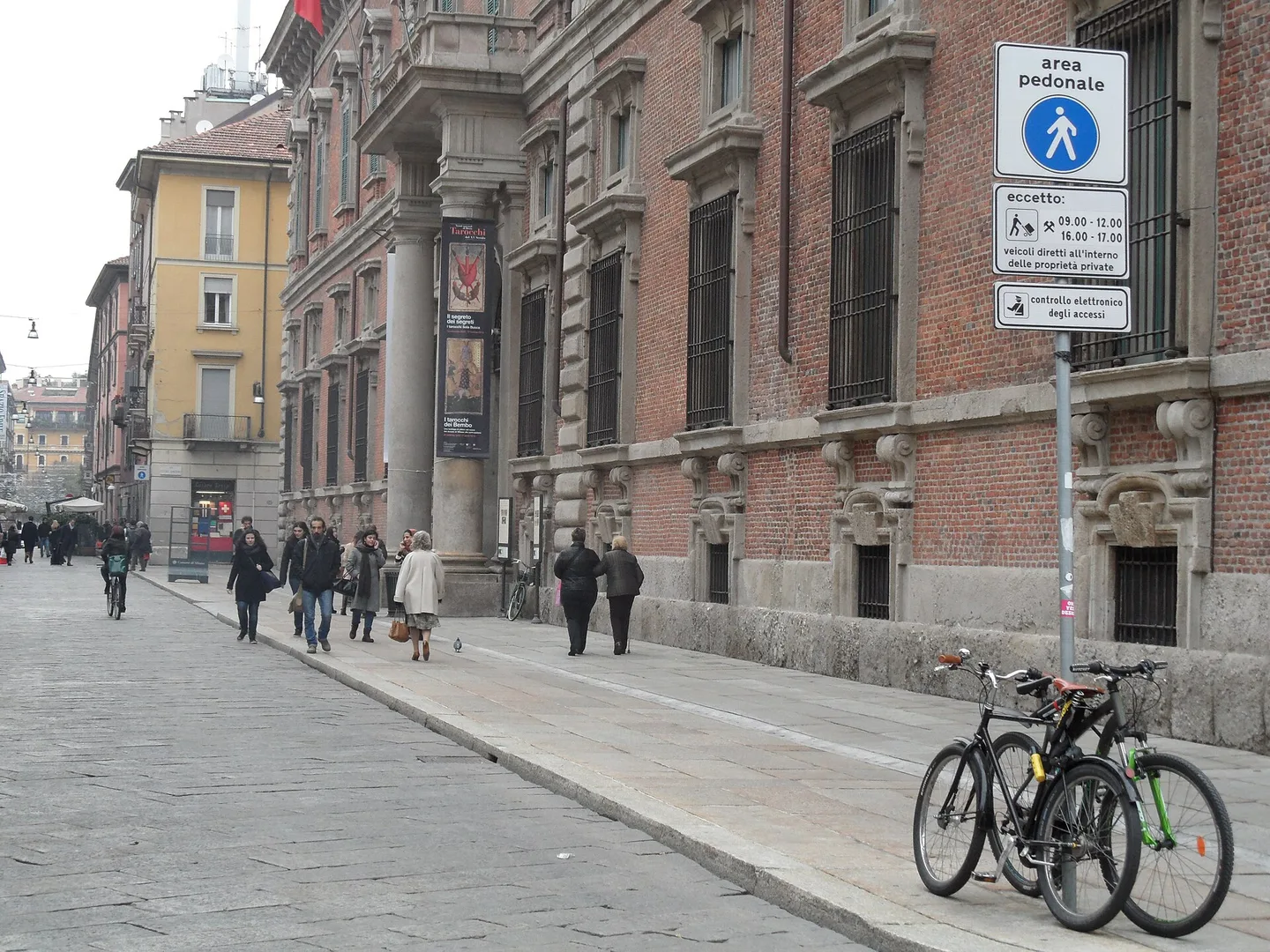
Brera sits directly north of central Milan, offering a welcome shift from broad avenues to intimate, stone-paved lanes. Flower boxes hang from wrought-iron balconies above Via Fiori Chiari and Via Fiori Oscuri. Along these pedestrian alleys, visitors wander past independent boutiques and artisan perfume shops. The neighbourhood preserves an unmistakable village character within the northern metropolis. We find that walking remains the single best way to absorb its quiet residential rhythm.
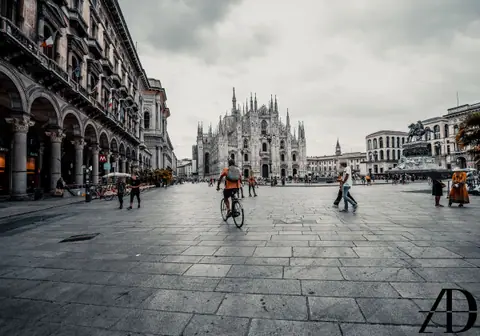
Historic gas-style lamps line narrow passageways that open unexpectedly onto tiny piazzas. Art supply shops still cater to academy students, stocking drawing paper, paints, and brushes alongside polished bookshops. Travellers heading south towards the marble spires of Duomo di Milano often begin their morning loop along these secluded lanes. The morning air feels peaceful before mid-afternoon cafe crowds fill the outdoor tables.
Granite curbs and ancient masonry create a tactile connection to past centuries of Milanese civic life. Small courtyards tuck behind heavy wooden carriage doorways, concealing potted lemon trees and ivy-covered walls. Window shopping reveals handmade leather notebooks, bespoke eyewear, and regional papercrafts crafted in private ateliers. Taking time to notice these fine architectural details rewards any unhurried excursion on foot.
Palazzo Brera and Artistic Legacy
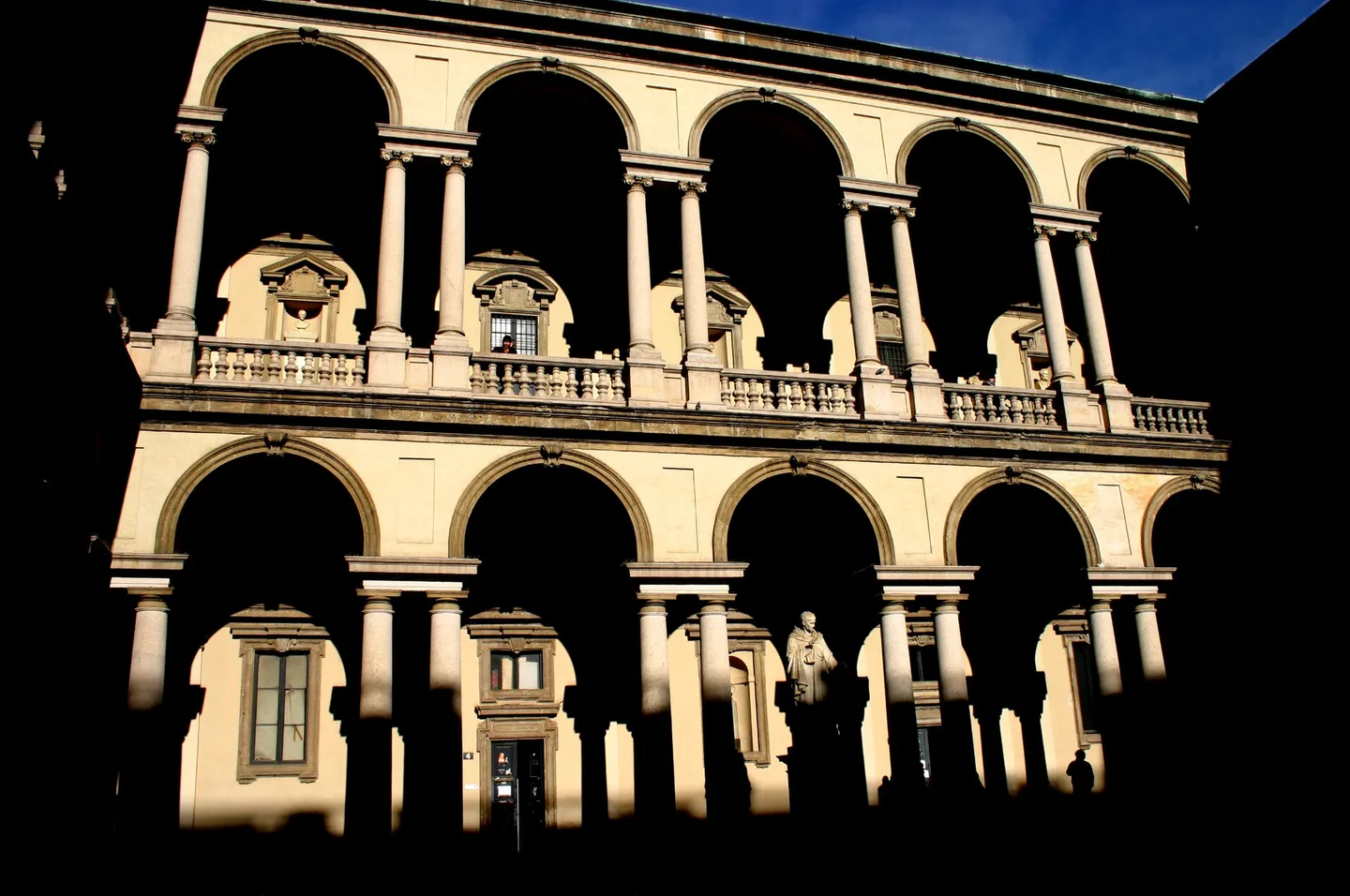
At the geographic heart of the district stands the imposing Palazzo Brera, a vast classical complex with a rich cultural history. Its internal courtyard features a double tier of stone arcades centred around a grand bronze statue. Today, the palace houses the renowned Pinacoteca art gallery, the historic botanical garden, and an active academy of fine arts. Students carrying portfolios gather on the wide stone steps between lectures.
Stepping through the palace gates immediately buffers street sounds, revealing an oasis of calm study and reflection. Behind the main galleries, the botanical garden offers gravel paths flanked by heritage trees and brick boundary walls. The collection inside the gallery forms a premier survey of northern Italian painting. Visitors often pair this stop with cross-town journeys to view Leonardo's masterwork at Cenacolo Vinciano. Entry requirements and ticketing arrangements are detailed in official cultural notices before departure.
The cultural institution dates back centuries, serving as a primary engine for Lombard artistic training. Library halls within the compound preserve rare manuscripts and antique scientific instruments beneath frescoed ceilings. Walking through these vaulted hallways gives travellers a clear sense of the Enlightenment ideals that shaped modern Milan. Light spills through tall arched windows onto marble corridors, reinforcing a studious and dignified mood.
Neighbourhood Walking Circuit
To help organise a morning on foot, we compare the primary corridors threading through Brera below:
| Street Corridor | Primary Character | Recommended Focus |
|---|---|---|
| Via Brera | Palace frontage and cultural institutions | Art collections and academy courtyards |
| Via Fiori Chiari | Pedestrian-only cobbles with cafe terraces | Midday dining and boutique browsing |
| Via Fiori Oscuri | Quiet side passage bordering gardens | Botanical grounds and historic pharmacies |
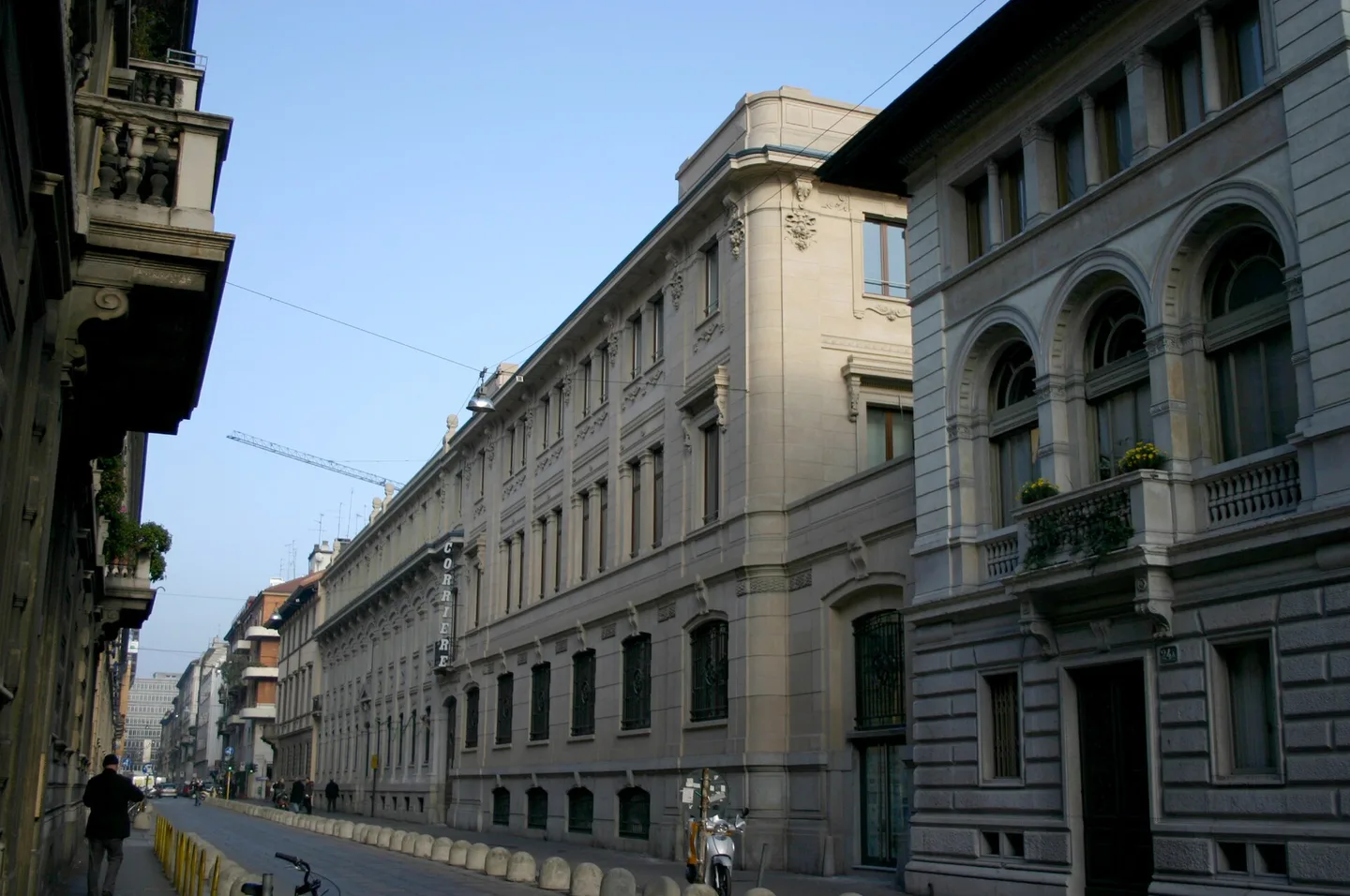
| Via Solferino | Publishing heritage and residential facades | Literary architecture and evening aperitivo |
Following this loop allows a natural progression from institutional courtyards into quiet residential pockets. Pavements along the narrower alleys feature rounded cobbles, so flat walking shoes prove far more sensible than formal leather soles. Along Via Solferino, elegant stone buildings speak to the city's distinguished newspaper and publishing traditions. Historic offices here have housed editorial rooms and printing presses for generations of Italian writers.
Turning onto secondary lanes reveals antique workshops where artisans restore oil paintings, gilt frames, and mid-century furniture. Wooden workbenches sit visible through ground-floor windows, cluttered with chisels, varnish jars, and brass fittings. These modest working studios provide a living link to the quarter's long tradition of skilled manual craft. Pausing by these open doorways provides a welcome contrast to modern commercial retail districts.
Transit Links and Evening Transitions
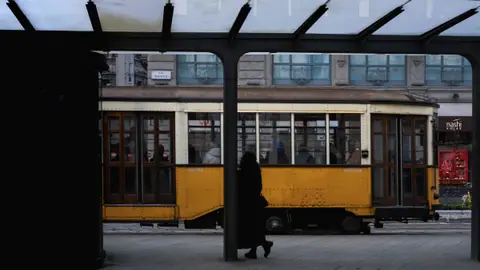
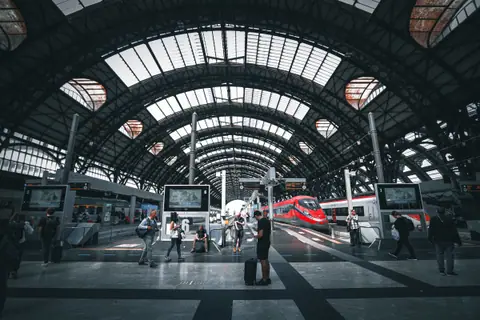
Reaching Brera is straightforward via Milan's extensive underground rail network. Metro stations at Lanza on line two and Montenapoleone on line three sit within a short walk of the quarter's outer borders. Surface trams also skirt the perimeter along Foro Buonaparte, offering a picturesque approach past red-brick castle walls. We appreciate how quickly one can move between Brera and other parts of Milano on foot or by public transport.
As late afternoon arrives, the neighbourhood shifts smoothly into traditional aperitivo hours. Outdoor tables along Via Fiori Chiari fill with locals meeting over bitter spritzes and small plates of regional delicacies. Travellers keen to continue their culinary journey often explore local specialities through traditional Milanese food. Others head south towards the lively canal-side quarters around Navigli. Street lighting casts soft golden reflections across the flagstones, creating a peaceful conclusion to a day spent exploring the quarter.
Even after dark, foot traffic remains relaxed and safe along the central pedestrian spine. Residents walk their dogs past illuminated display windows, while diners linger over espresso inside historic trattorias. The blend of student energy, fine arts heritage, and neighbourhood pride keeps Brera distinct from the commercial fashion grid. It remains an essential precinct for understanding the cultural heart of urban Lombardy.
Official prices and opening hours
- Duomo di Milano (Cathedral, Terraces & Museum)Official site ↗
- Cenacolo Vinciano (Leonardo’s Last Supper)Official site ↗
Where it is
- 1Milan Brera District Field
- Milano Linate Airport (LIN) · about 8 km from here in a straight line
- Directions in Google Maps
Stations and taxi ranks: OpenStreetMap. Airports: OurAirports. Distances are in a straight line.
Traveller tips
Real advice from people who have been to Milano. Every tip is read by our team before it goes live.
No tips yet. Been here? Yours could be the first.
Thank you! Your tip will appear here after a quick review.
More in Milano
Continue exploring Milano with related neighbourhood, food, and planning guides