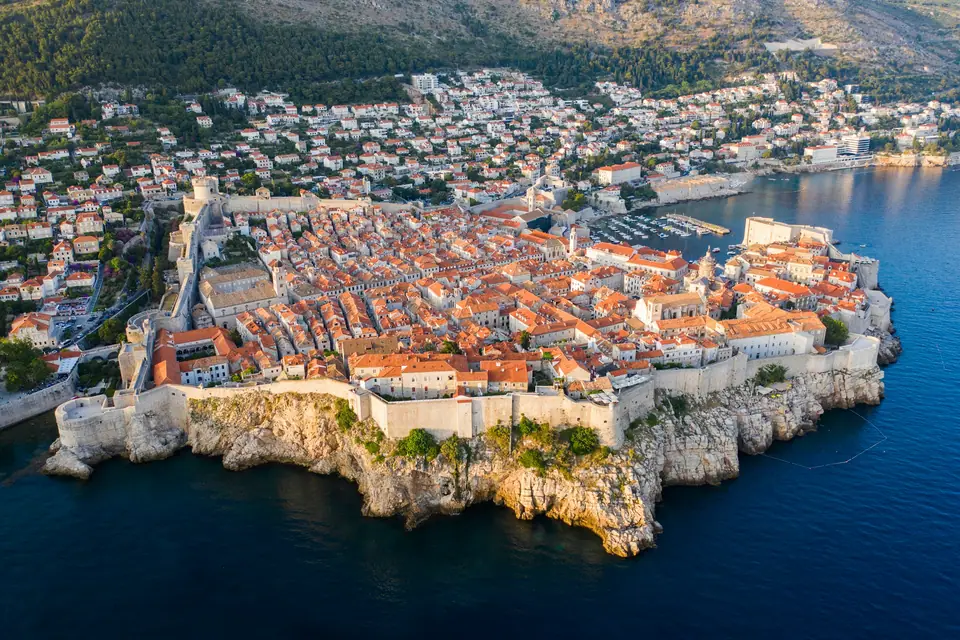
Photo by Geio Tischler on Unsplash
Dubrovnik
Dubrovnik lines the Adriatic with medieval stone ramparts, limestone thoroughfares, coastal bus connections, and distinct districts across coastal Dalmatia.
Quick decisions
How many days?
Plan three full days to walk the ramparts, take harbour boats to nearby islands, and wander through historic alleyways without rushing.
Where should I stay?
Choose Gruž or Lapad for flat walking ground and easy bus links, or stay within the historic centre if you can manage steep staircases.
Do I need a car?
A private car causes parking delays and high fees outside the pedestrian gates, so rely instead on city buses and passenger ferries.
Best for
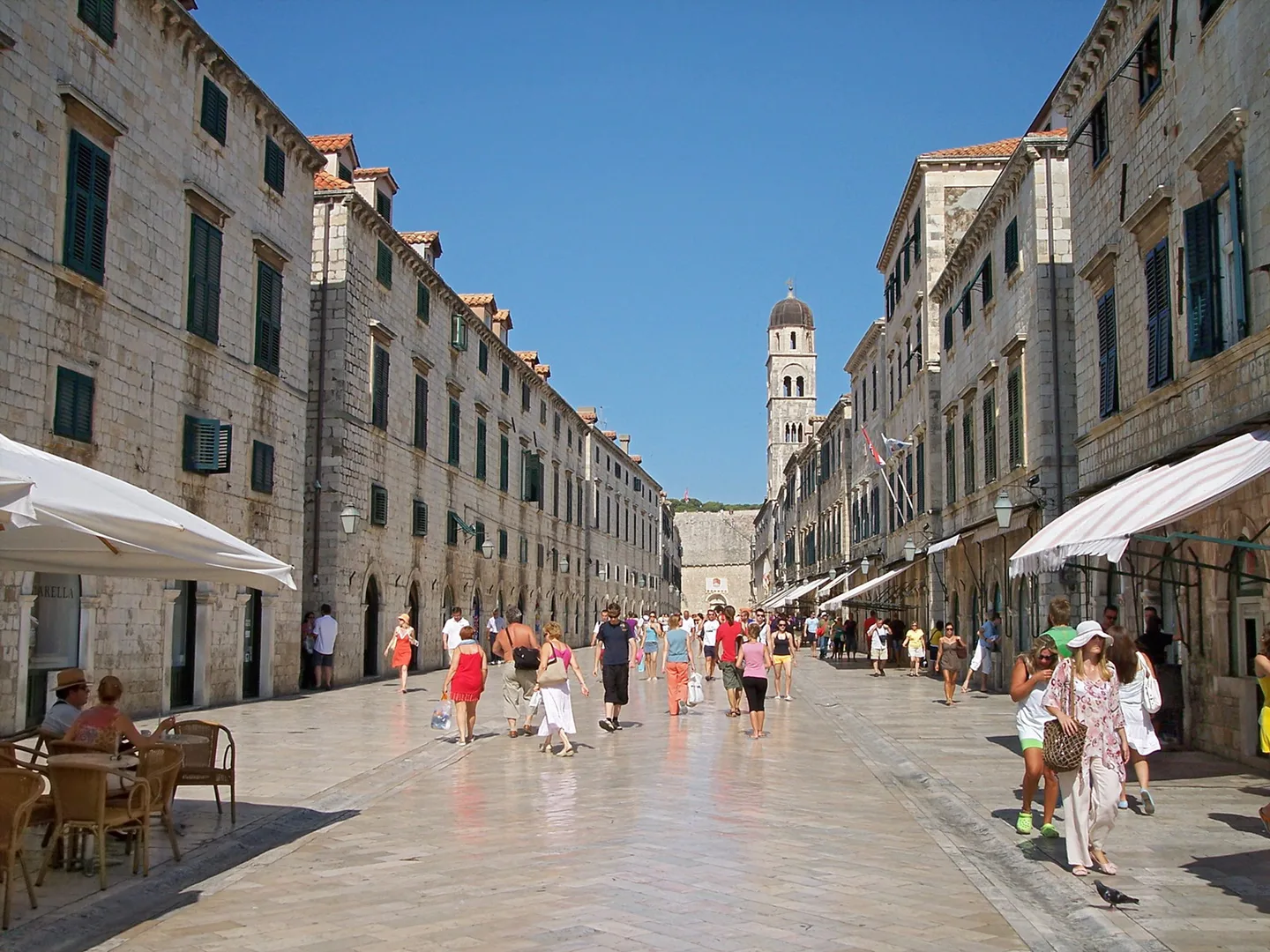
Independent travellers who appreciate coastal maritime heritage, fortified stone architecture, clear swimming coves, and slow evening promenades along polished flagstones.
Before you go
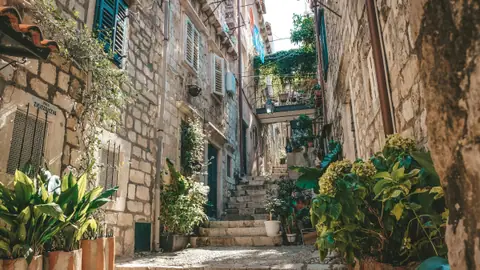
Pack supportive footwear with textured rubber grip because the ancient limestone paving stones become slick under sea air and light rain.
Getting around
Local orange buses connect the harbour, peninsula hotels, and Pile Gate with frequent departures, whilst passenger boats link neighbouring shores.
Continue your trip
Board a coastal catamaran heading north to explore the Dalmatian archipelago, allowing ample transfer time between ferry terminals and local ports.
Overview
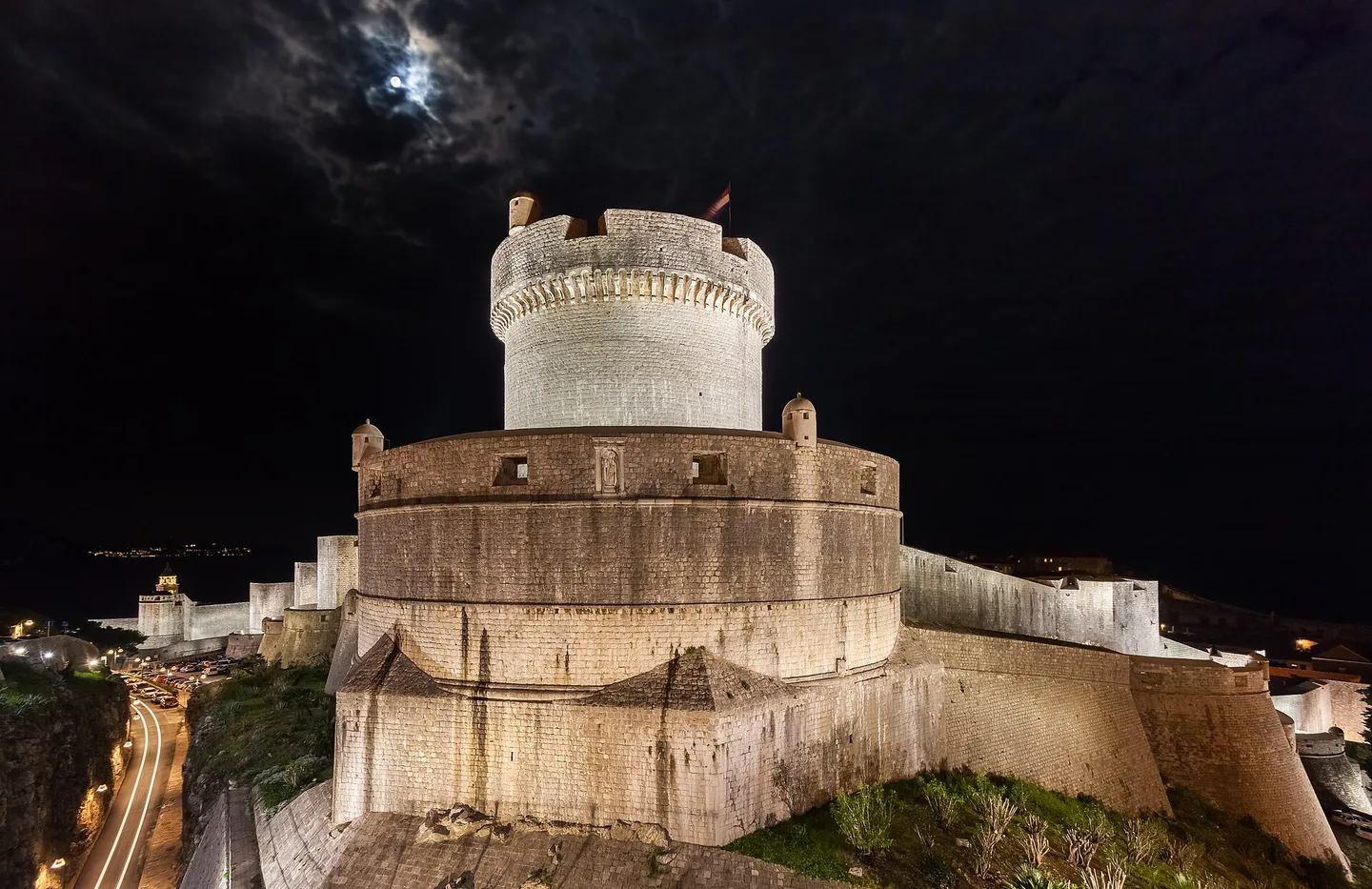
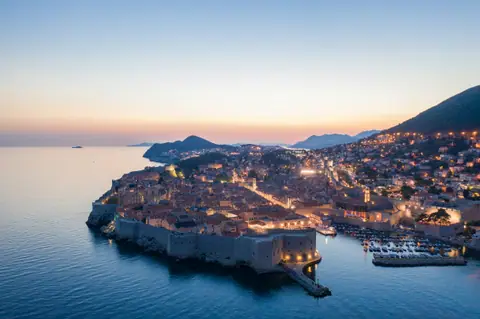
Dubrovnik rises directly from the Adriatic Sea, enclosed by unbroken stone fortifications that sheltered an independent maritime republic for centuries. Polished limestone paves the central promenade, flanked by baroque churches and tall stone houses that survived historic earthquakes and modern conflicts. The old quarter remains completely closed to motor vehicles, creating an immediate walking environment where ringing church bells and lapping waves replace engine noise.
Beyond the medieval perimeter, the city extends across hillsides and pine-fringed headlands. Flatter neighbourhoods like Lapad and the working ferry port of Gruž offer everyday markets, quiet waterfront walking paths, and frequent public buses into the historic core. Warm Mediterranean sunshine dominates summer months near 30°C, whereas winter afternoons stay mild around 11°C alongside heavier late-autumn downpours.
Getting there
Travellers flying to the coast touch down at the regional airport, located south along the rugged shoreline. Direct shuttle coaches coordinate with scheduled flight arrivals, dropping passengers outside the western entrance at Pile Gate before continuing to the Gruž bus station. Drivers heading along the coastal highway face severe parking shortages near the centre, making public transport far more convenient.
Gruž serves as the transport junction where long-distance coaches arrive from regional cities alongside passenger ferries connecting nearby islands. Local urban buses depart regularly from harbour platforms towards the historic gates, linking cleanly with airport shuttles and Gruž port connections before arrival.
Passenger catamarans offer regular sea links between Dubrovnik, nearby island ports, and northern coastal hubs. Purchasing ferry tickets ahead of time during peak summer months prevents boarding delays at the passenger quays. Local bus tickets can be bought at newsstands or directly from the driver upon boarding.
Where to stay
Choosing where to sleep in Dubrovnik depends entirely on your tolerance for steep stone stairways and rolling luggage. Rooms inside the pedestrian centre offer historic charm and early-morning quiet, yet reaching them often requires climbing dozens of narrow steps under the midday sun. Light sleepers should also consider morning deliveries and church bells that ring across the enclosed stone squares.
Lapad Peninsula offers a flatter alternative, featuring leafy coastal promenades, shaded swimming platforms, and relaxed family hotels connected to Pile Gate by direct buses. Gruž harbour suits travellers who prioritise quick ferry departures and level access to bus platforms; weigh step-free Lapad bays against walled alley staircases before booking.
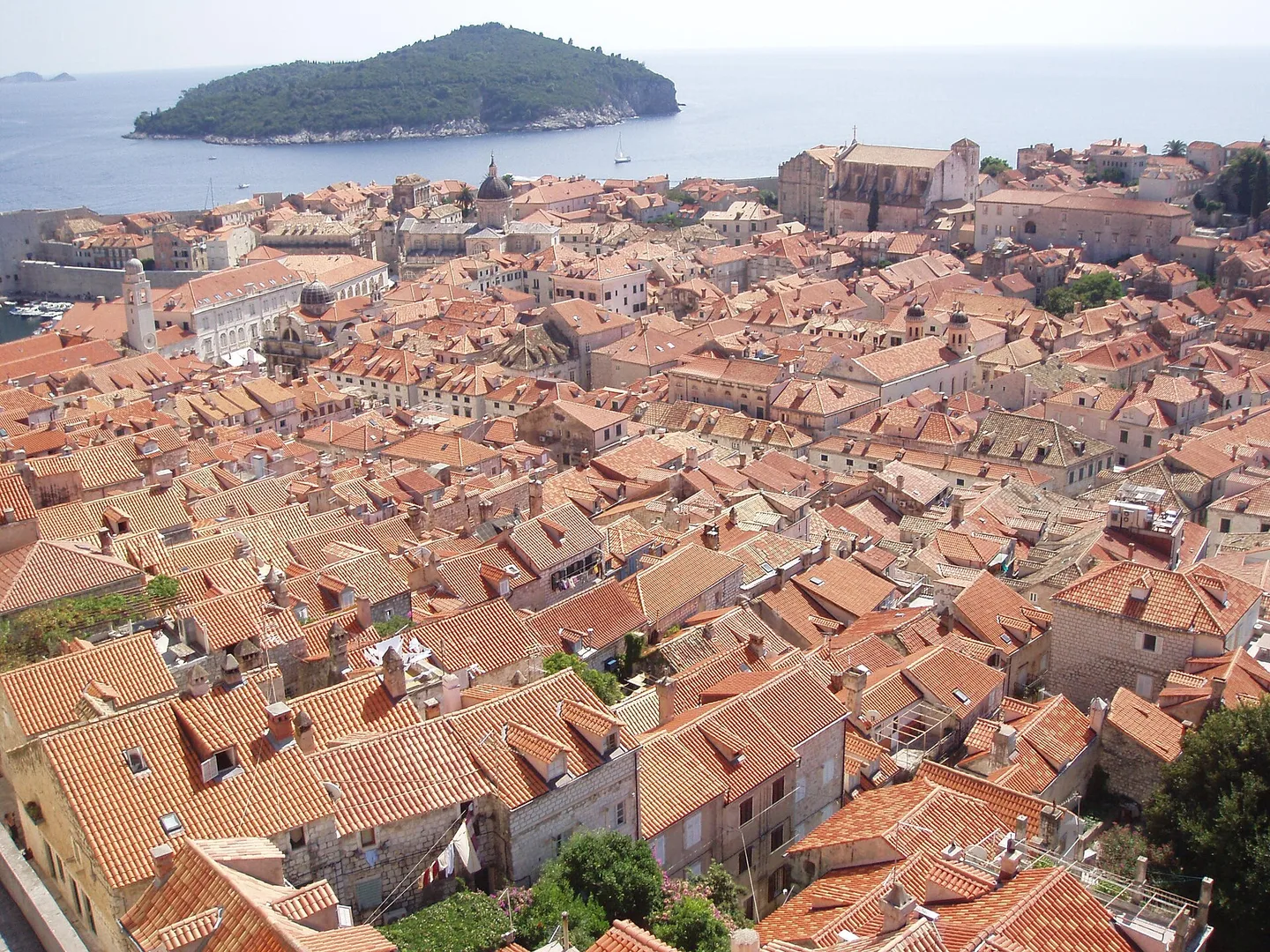
Ploče sits directly east of the historic walls, offering elevated sea views and direct walking access to Banje Beach. Properties in Ploče frequently feature terrace vistas facing Lokrum Island and the ancient harbour fortifications. Guesthouses positioned higher on the hillside require tackling long stairways when returning from evening dinners.
Things to do
The elevated circuit atop the defensive ramparts represents the defining highlight of the city, presenting panoramic views across terracotta rooftops and deep blue water. Walking the complete stone loop takes roughly two hours at an unhurried pace. Follow rampart entry gates and counter-clockwise bastion paths early in the morning to skip midday heat and crowded stairs.
Down at street level, the central thoroughfare connects public fountains, monastic cloisters, and historic palace courtyards. Detour into shaded residential alleys to find quiet chapels and small sea gates carved into outer stone bastions. Pair afternoon swimming stops around rocky coves cleanly with Fort Lovrijenac walks and Lokrum boat crossings.
The Franciscan Monastery houses one of Europe's oldest functioning pharmacies alongside a tranquil Romanesque cloister garden. Across the main square, Sponza Palace displays intricate stone carvings and historical archives recording maritime trade pacts. Walking outside the sea gate leads straight to the old harbour, where excursion boats depart for scenic coastal loops.
Food and drink
Dalmatian cooking centres on fresh Adriatic seafood, green olive oil, garlic, and leafy greens gathered from coastal valleys. Harbour konobas grill fresh squid, sea bass, and sardines over wood fires, serving them alongside boiled potatoes and Swiss chard. Black risotto coloured with cuttlefish ink remains a classic regional lunch option, paired with crisp local white wine.
For an afternoon sweet, bakeries prepare traditional egg custard puddings flavoured with citrus peel and local rose liqueur. Morning markets in the old quarter and Gruž sell fresh figs, dried herbs, and goat cheese from neighbouring farming hamlets. Evening dining tends to be leisurely, with diners lingering outside on stone terraces as coastal breezes cool the limestone streets.
Traditional konobas emphasise simple preparations letting pristine catch shine without heavy sauces. Oven-baked peka bread accompanies platters of air-dried ham and sharp aged sheep cheese from regional islands. Local wine producers craft robust reds from Plavac Mali grapes alongside refreshing dry whites like Pošip.
Culture
Dubrovnik citizens take immense pride in their historic republican motto, which celebrated freedom above all material wealth. Preserving this centuries-old heritage requires visitors to observe strict local etiquette. Walking through the historic pedestrian centre in swimwear or bare chests is strictly prohibited and subject to municipal fines, so dress respectfully whenever you leave the beach.
Modest attire covering shoulders and knees is also customary when entering active churches and historic monasteries. Keep voices low when walking through narrow residential lanes late in the evening, as local families live alongside guesthouses. Follow a three-day coastal walking sequence to space out steep rampart climbs while respecting community rules across every quarter.
Centuries of diplomatic independence fostered traditions of artistic patronage, musical performance, and civic care that continue today. Preserving quiet residential life within the fortified walls remains a priority for municipal authorities and local residents alike. Disposing of rubbish properly and speaking softly in residential courtyards helps maintain this living medieval environment.
Official prices and opening hours
- Dubrovnik City Walls & Fort LovrijenacOfficial site ↗
- Libertas Dubrovnik Buses & Pile Gate Airport ShuttleOfficial site ↗
Weather by month
Dubrovnik is warmest in August, with average highs around 30°C, and coldest in January, when nights drop to about 4°C. November is the wettest month by rainfall (331 mm), with rain on about 14 days. For mild weather with fewer rainy days, aim for April, June, September and October.
| Month | Low | Range | High | Rain | Rainy days |
|---|---|---|---|---|---|
| Jan | 4°C | 11°C | 194 mm | 13 d | |
| Feb | 5°C | 13°C | 185 mm | 11 d | |
| Mar | 7°C | 15°C | 190 mm | 13 d | |
| Apr | 10°C | 18°C | 125 mm | 10 d | |
| May | 14°C | 22°C | 129 mm | 12 d | |
| Jun | 19°C | 27°C | 59 mm | 8 d | |
| Jul | 22°C | 30°C | 34 mm | 3 d | |
| Aug | 22°C | 30°C | 51 mm | 6 d | |
| Sep | 18°C | 26°C | 134 mm | 8 d | |
| Oct | 14°C | 21°C | 212 mm | 10 d | |
| Nov | 10°C | 17°C | 331 mm | 14 d | |
| Dec | 6°C | 13°C | 217 mm | 12 d |
Averages of daily values from 2015 to 2024. Rainy days are days with at least 1 mm of rain. Source: Open-Meteo · Compare destinations by month.
Dubrovnik on the map
Every place we cover in Dubrovnik. Tap a category or pin to explore.
In-depth Dubrovnik guides
Browse the guides grouped by topic: sights, neighbourhoods, food, transport, day trips and trip planning.
Sights, Landmarks & Parks
Key monuments, viewpoints, museums and nature trails.
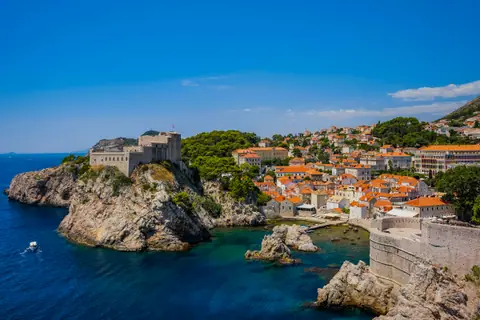 What to Do in Dubrovnik: City Walls, Fortresses, and Coastal PathsWalking circuits follow stone ramparts, historic alleys, and maritime viewpoints across Dubrovnik in southern Dalmatia.
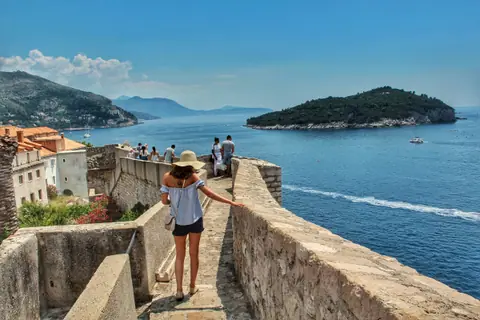 Dubrovnik City Walls: Routes, Gates and Fortress CircuitsDubrovnik city walls encircle the medieval centre with elevated parapets, sturdy stone bastions, and open sea views.
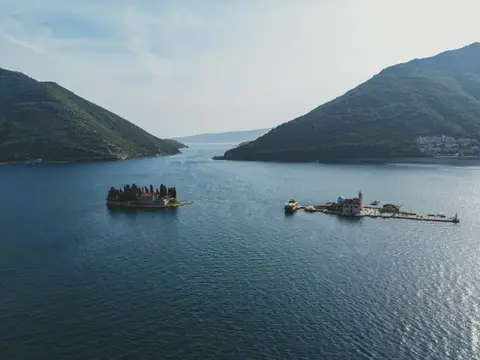 Day Trips from Dubrovnik along the Adriatic CoastWe explore scenic islands, medieval bays, and coastal border routes easily reached from historic Dubrovnik harbours.
Neighbourhoods & Where to Stay
Districts, historic quarters and the best bases for your stay.
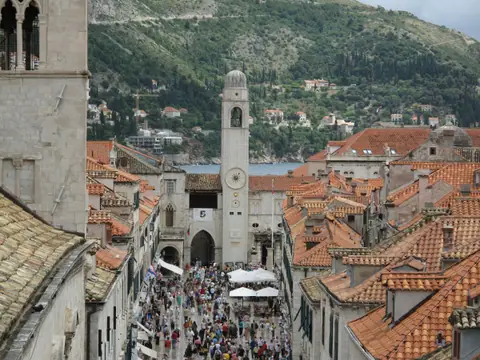 Walking Dubrovnik Old Town: Gates, Lanes, and Stone BastionsLimestone avenues stretch from fortified gates to maritime quays as you navigate the historic stone quarters of Dubrovnik.
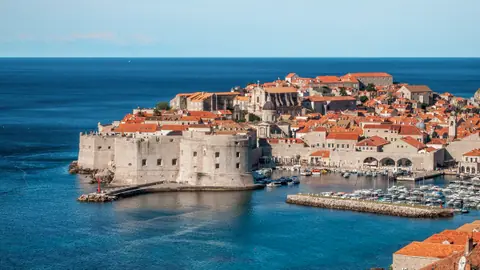 Where to Stay in Dubrovnik: A Neighbourhood GuideChoosing lodging in Dubrovnik shapes daily walking routes across stone city gates, steep stairways, coastal footpaths, and regional bus links.
Getting Around & Arrival
Airport transfers, public transit, passes and driving rules.
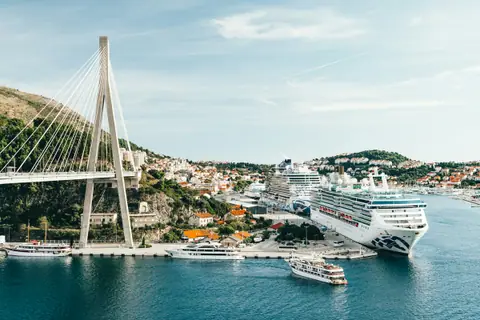
Trip Planning & Itineraries
When to visit, what to pack and day-by-day routes.
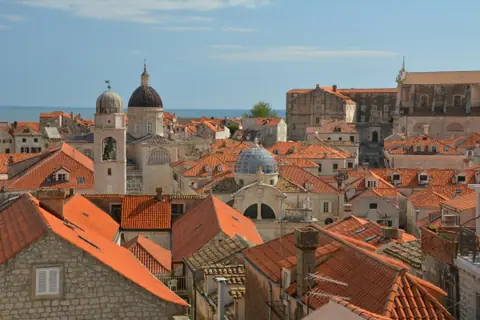 Dubrovnik Field Guide: City Rules, Gates and Local CustomsNavigating Dubrovnik requires respect for delicate limestone alleyways, local municipal noise codes, and strict historic wall preservation regulations across the medieval centre.
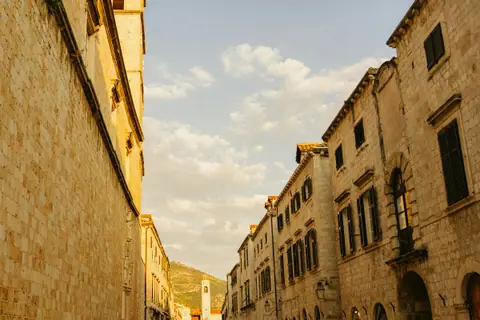 Dubrovnik Through the Seasons: Crowds, Sea Temperatures, and Wall WalksDubrovnik changes character dramatically between bright spring mornings, hot midsummer afternoons, and quiet stone alleys during the calm Mediterranean winter months.
 Clothing Advice for Dubrovnik Streets and City RampartsDubrovnik demands sensible walking shoes for polished stone lanes and flexible layers for shifting winds along the Adriatic coast.
 Dubrovnik in Three Days: A Detailed Walking SequenceWe navigate fortified sea bastions, quiet limestone alleys, and scenic hilltops across a structured three-day route through historic Dubrovnik.
Need your embassy or consulate in Croatia? See embassies and consulates in Croatia.
Reviews
Log in to write a review.
No reviews yet.