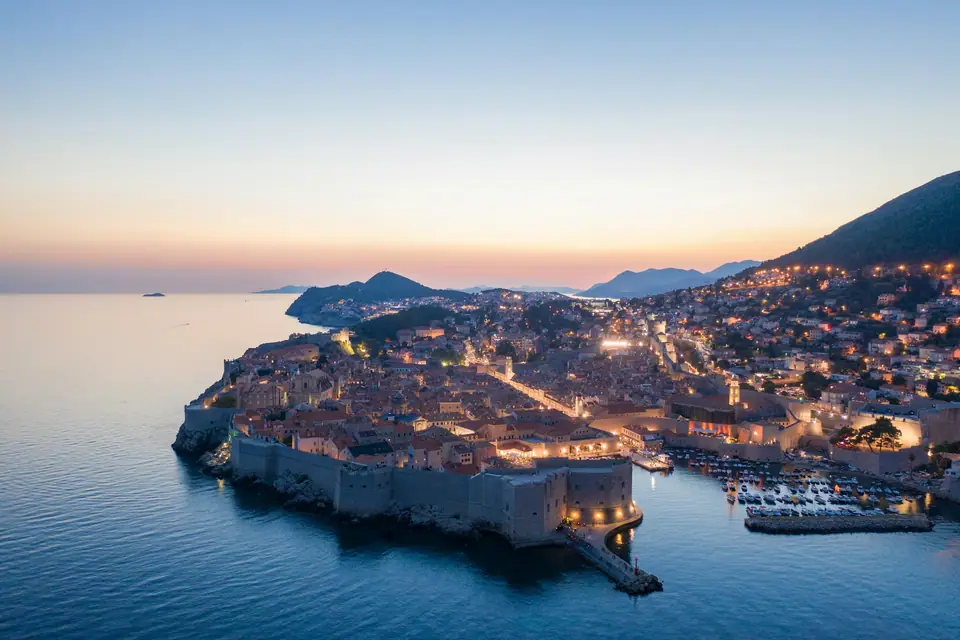
Photo by Geio Tischler on Unsplash
Dubrovnik in Three Days: A Detailed Walking Sequence
We navigate fortified sea bastions, quiet limestone alleys, and scenic hilltops across a structured three-day route through historic Dubrovnik.
A three-day exploration allows us to absorb the architectural depth of Dubrovnik without rushing past its intricate stone details. The preserved Old Town sits between steep coastal ridges and the open Adriatic Sea. This setting creates a pedestrian core that rewards steady exploration on foot. By structuring each morning around exposed elevated circuits and reserving shaded interior streets for midday heat, we enjoy comfortable movement throughout the historic centre.
Day One: Fortified Circuits and Medieval Thoroughfares
We begin the first morning at Pile Gate, the western stone entrance where suburban buses drop travellers before the pedestrian zone begins. Climbing directly onto the elevated parapets early offers sweeping views across terracotta roofs and open sea bastions before foot traffic builds. Walking the complete circuit gives us a clear understanding of the original defensive plan. It traces watchtowers and seaward battlements in one continuous sequence.
The ramparts rise high above the crashing surf on the seaward flank, showing the scale of medieval maritime engineering. Stone walkways curve past rounded corner bastions and defensive keeps that sheltered centuries of defenders. Walking this perimeter lets travellers appreciate the thick stone masonry constructed to withstand naval bombardments and regional sieges.
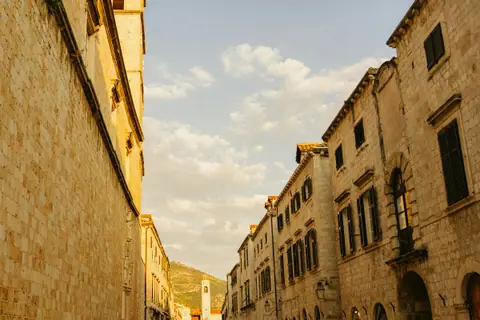
Descending back to street level brings us directly onto the smooth limestone slabs of the central Stradun thoroughfare. We wander down quiet side alleys that branch northwards up steep stone stairs toward the Franciscan monastery and historic apothecary. Connect incoming flight shuttles cleanly via Pile Gate bus stands and Gruž ferry terminals before setting out.
Late afternoon invites a slower pace around the old harbour, where fishermen tie wooden skiffs beside the medieval arsenal arches. The cool stone porticoes offer welcome shade after hours spent on exposed ramparts. Sitting by the water lets us watch sea currents against the breakwater while planning our next urban route. The calm sea basin contrasts pleasantly with the tall fortifications above.
Day Two: Fortresses, Hidden Quarters, and Coastal Bastions
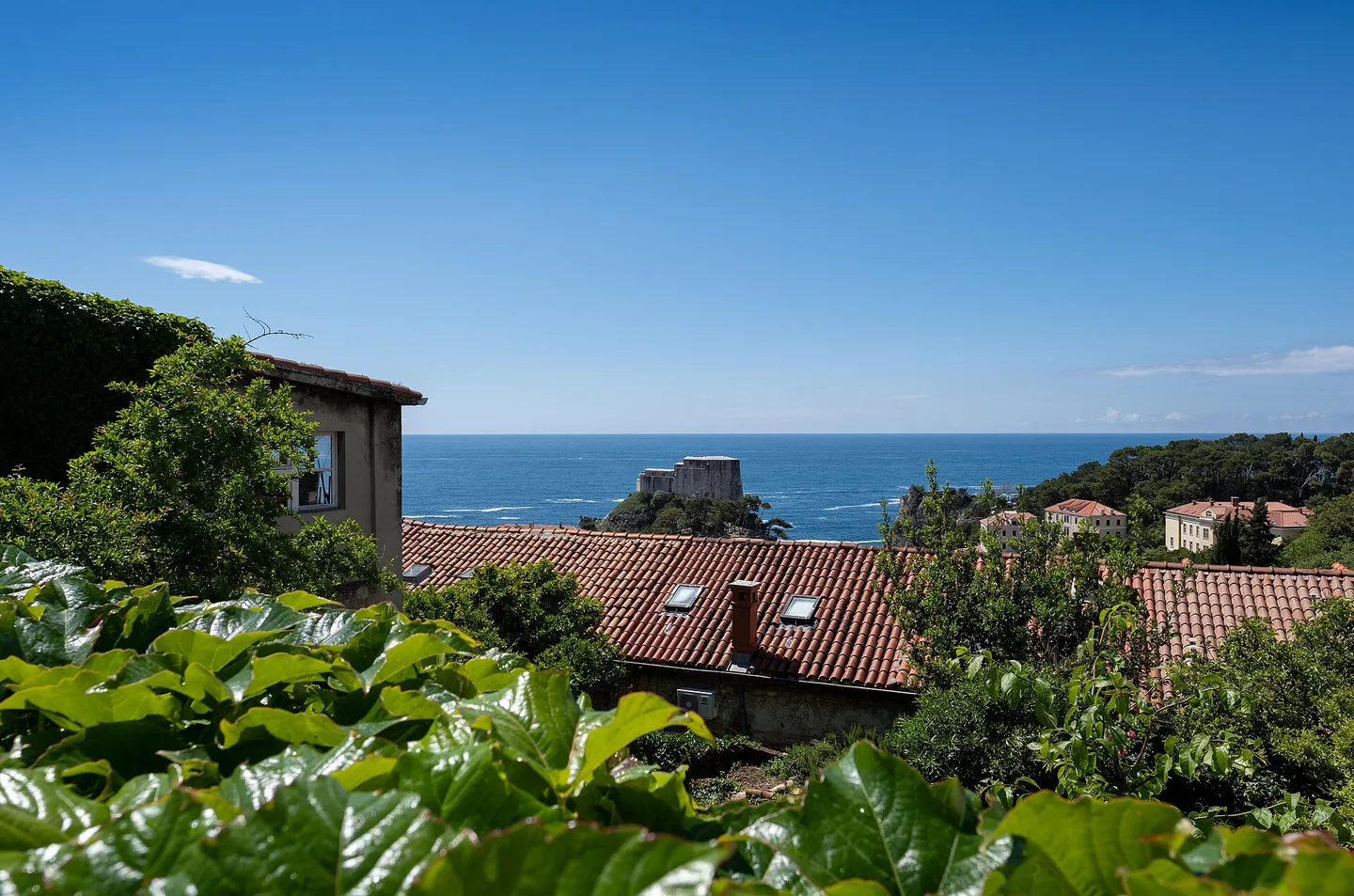
Our second day focuses on the western fortifications and the quieter southern residential quarters perched above rocky sea cliffs. We cross outside the main town ditch to climb Fort Lovrijenac, the detached bastion built atop an isolated sea crag. Standing on its upper gun terrace, we see the complete western flank of the city walls across a narrow sea inlet.
The triangular layout of the fortress commands the outer bay with thick masonry facing the open sea. Its interior courtyard features stone vaults, arched cisterns, and carved inscriptions that record centuries of vigilance. Looking down over the coastal inlet, we observe clear emerald water moving through rocky channels between the cliffs.
Returning through Pile Gate, we turn south into residential lanes where laundry lines hang between carved Renaissance windows. Small arched passages cut directly through the southern walls, leading out onto coastal rock ledges where sea breezes cool the stone steps. We pause here to listen to crashing swells while enjoying clear Adriatic views.

In the afternoon, we explore the cathedral treasury and quiet church squares tucked behind Rector's Palace. Taking time along these backstreets reveals Gothic portals, carved stone wells, and quiet neighbourhood courtyards away from main thoroughfares. Space outdoor stone loops around shoulder-season daylight windows and mild coastal weather for unhurried walking.
Evening on the second day suits a relaxed walk along the eastern harbour piers, where night lanterns illuminate defensive towers. The calm water reflects stone arches, providing a peaceful contrast to daytime activity along central market streets. We take time to observe the rhythm of quiet residential quarters as twilight settles across the limestone flagstones.
Day Three: Ridge Heights and Maritime Outposts
We dedicate the final day to higher elevations and the broader perimeter of the historic settlement. Heading toward the northern city gate, we reach the base station for the cable car that ascends Mount Srđ. Gliding up the steep slope reveals the entire walled enclosure framed against surrounding islands and shimmering open sea.
At the mountain summit, walking tracks lead past stone fortifications that sheltered defenders during historical conflicts. Looking down from the ridge crest, the planned geometry of streets, monasteries, and bastion walls becomes striking. We spend time along the panoramic paths, capturing sweeping views across the Dalmatian coastline.
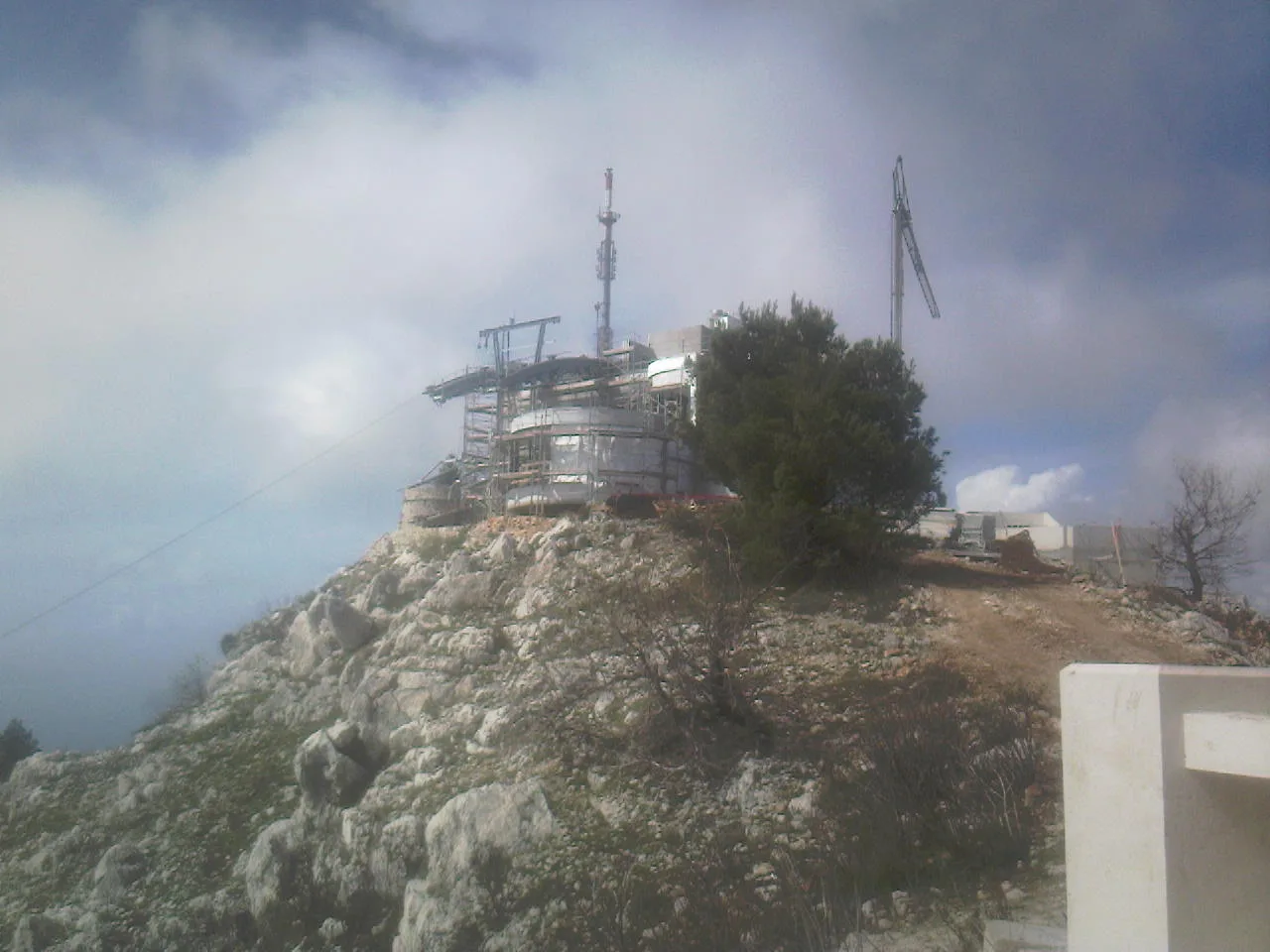
The summit plateau offers wide viewpoints stretching across rocky Mediterranean scrubland toward inland mountain ranges. Rocky limestone terraces give travellers space to study how the fortified haven defended regional maritime routes. Watching distant ferries cross the deep blue waters provides a broader picture of Adriatic navigation.
Descending in the afternoon allows us to revisit favourite historic alleys, discover small craft workshops, and visit local religious heritage sites like the Holy Annunciation Orthodox church. Ending the journey near the water, we watch twilight gather over the ancient stone battlements, completing a balanced three-day itinerary.
Practical Route Pacing and Terrain Context
Managing physical energy across three days requires sensible route selection. The stone stairways in the northern Old Town demand firm footing and continuous climbing. Choosing comfortable walking shoes with reliable grip prevents fatigue on slippery polished limestone surfaces throughout the day.
| Route Stage | Primary Focus | Terrain Character | Transit Connection |
|---|---|---|---|
| Stage One | City walls and Stradun | Elevated parapets and flat limestone flags | Pile Gate local bus stop |
| Stage Two | Detached fort and south cliffs | Steep stone stairways and sea platforms | Pile Gate and harbour pier |
| Stage Three | Mount Srđ and northern alleys | Cable car ascent and hillside steps | Ploče Gate cable car terminal |
We recommend carrying fresh drinking water and wearing sun protection during wall walks and ridge climbs. The following guidelines help maintain steady momentum across your stay:
- Begin elevated rampart walks during early hours to avoid midday sun exposure along stone bastions.
- Group visits to northern hillside lanes together so you climb the steep stepped alleys only once per day.
- Board local suburban buses from outer neighbourhoods directly to Pile Gate for simple walking access to the historic core.
- Schedule shaded church visits and interior museum breaks during the warmest midday afternoon hours.
By pacing outdoor walks thoughtfully and enjoying shaded courtyard pauses, we experience the full grandeur of Dubrovnik with ease and confidence.
Official prices and opening hours
- Dubrovnik City Walls & Fort LovrijenacOfficial site ↗
- Libertas Dubrovnik Buses & Pile Gate Airport ShuttleOfficial site ↗
Where it is
- 1Dubrovnik
- Dubrovnik Ruđer Bošković Airport (DBV) · about 17 km from Dubrovnik in a straight line
- Directions in Google Maps
Stations and taxi ranks: OpenStreetMap. Airports: OurAirports. Distances are in a straight line.
Traveller tips
Real advice from people who have been to Dubrovnik. Every tip is read by our team before it goes live.
No tips yet. Been here? Yours could be the first.
Thank you! Your tip will appear here after a quick review.
More in Dubrovnik
Continue exploring Dubrovnik with related neighbourhood, food, and planning guides

Travelling to Dubrovnik by Air, Sea, Road, and Ferry
Dubrovnik, Croatia
Dubrovnik Through the Seasons: Crowds, Sea Temperatures, and Wall Walks
Dubrovnik, Croatia

Clothing Advice for Dubrovnik Streets and City Ramparts
Dubrovnik, Croatia

Dubrovnik City Walls: Routes, Gates and Fortress Circuits
Dubrovnik, Croatia
