Things to Do in Cusco: Inca Sanctuaries, Colonial Plazas and Megalithic Citadels
Discover Cusco through its imperial Inca stonework, colonial cathedral courtyards, high-altitude citadel terraces, and traditional highland produce markets.
Walking through Cusco reveals two architectural civilisations locked into the same streetscape. At ground level, ashlar and polygonal masonry raised by 15th-century Inca stonemasons line narrow alleys without a trace of mortar. Directly above them rise whitewashed adobe walls, carved cedar balconies, and twin-towered Baroque churches built after the 1534 Spanish arrival. Because Cusco sits at 3,399 metres above sea level, we recommend planning your initial days around gentle walking routes across the historic core before attempting steep uphill climbs to the northern citadels. Consult our comprehensive Cusco travel guide for an introduction to the city layout and elevation safety.
Exploring Plaza de Armas and the Colonial Cathedral Complex
The urban heart of Cusco was created in Inca times by canalising the Saphy River to form a vast ceremonial plaza known as Huacaypata. Today, this historic square anchors modern civic life. The perimeter is dominated by the monumental Cusco Cathedral, which covers an area of 3,920 square metres on top of the foundations of Kiswarkancha, the palace of Inca Viracocha. Next to it stands the Iglesia de la Compañía de Jesús, built by the Jesuits over Amaru Cancha. Arcaded two-storey stone porticoes enclose the remaining sides of the square, offering sheltered vantage points over the central gardens and fountain. For detailed architectural histories of both churches, read our dedicated guide to Plaza de Armas and Cusco Cathedral.
Qorikancha and the Convent of Santo Domingo
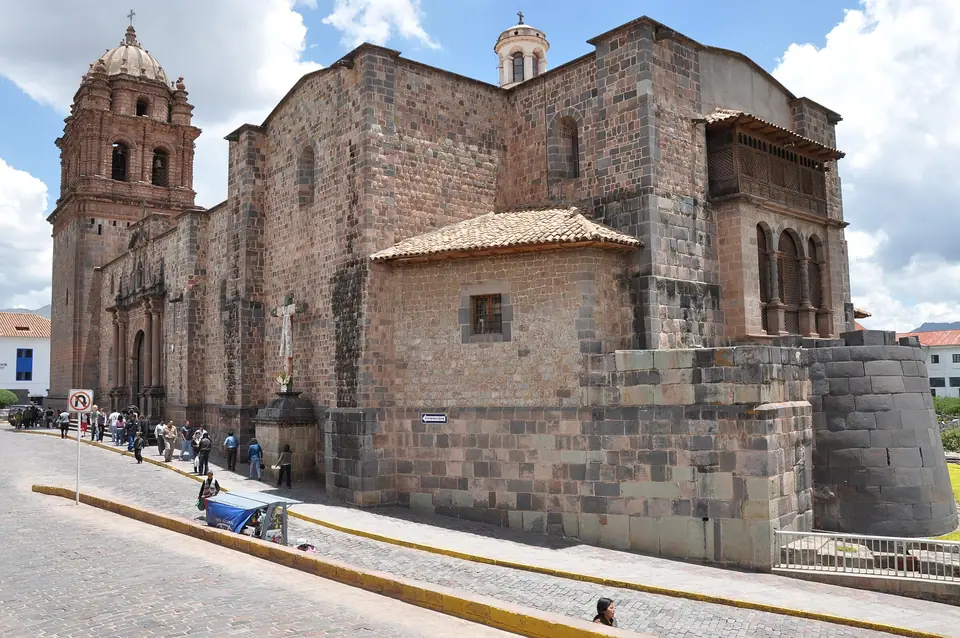
Known in Quechua as Quri Kancha or Golden Courtyard, this complex formed the supreme religious sanctuary of the Inca realm. Its walls were originally sheathed in sheets of beaten gold to honour Inti, the sun deity. Spanish forces stripped the precious metals and erected the Dominican Convent directly over the indigenous foundations. Major earthquakes in 1650 and 1950 collapsed sections of the colonial cloister, yet the underlying curved Inca masonry survived intact. Within the interior quadrangle, surviving chambers dedicated to the Moon, Stars, Rainbow, and Lightning showcase precision-cut andesite blocks with bevelled joints. To understand the masonry techniques used here, visit our guide on Qorikancha and Inca stonework.
Tracing Hatun Rumiyoc and the San Blas Artisan Quarter
One block northeast of the Cathedral, the narrow pedestrian lane of Hatun Rumiyoc traces the surviving exterior wall of the palace of Inca Roca. Midway along this perimeter sits the famous Twelve-Angled Stone. Carved from green diorite, this block features twelve precision-cut facets that interlock with neighbouring stones without binding mortar. Continuing uphill through the Cuesta de San Blas leads into the traditional neighbourhood of painters, woodcarvers, and weavers. The steep, stone-paved alleys open into Plazoleta San Blas, where small workshops sell regional crafts, musical instruments, and hand-woven textiles. You can continue reading about this district in our feature on the San Blas artisan quarter and Cristo Blanco.
Sacsayhuamán and the Northern Archaeological Sector
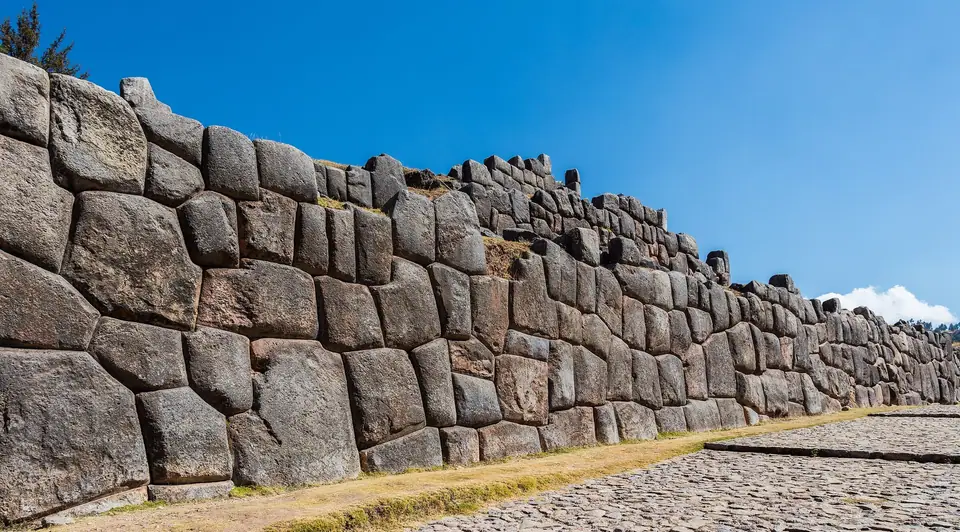
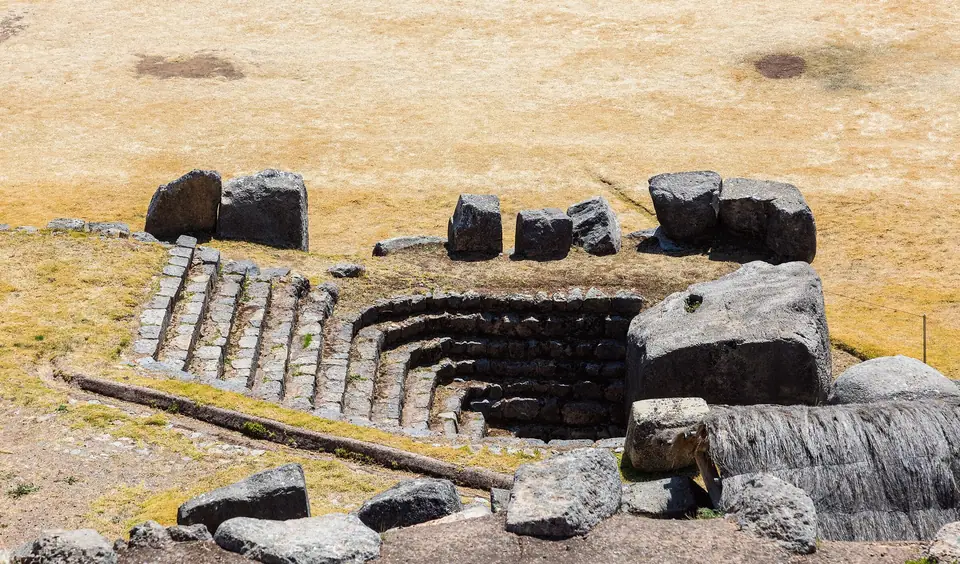
Rising on the high plateau at 3,701 metres above sea level, Sacsayhuamán functioned as both a fortress and an imperial ceremonial arena. Construction began under Emperor Pachacuti and continued under his successors Topa Inca Yupanqui and Huayna Capac. The complex features three tiers of zigzag terrace walls built from megalithic limestone blocks. The largest blocks weigh more than 120 tonnes, transported from nearby quarries and fitted together with extreme precision. The zigzag perimeter mirrored the shape of lightning and provided defensive crossfire angles. From the summit, visitors take in expansive views over the tiled roofs of the Cusco basin. Further details on surrounding sites appear in our itinerary for Sacsayhuamán, Qenqo and Tambomachay.
Traditional Produce and Culture at Mercado Central de San Pedro
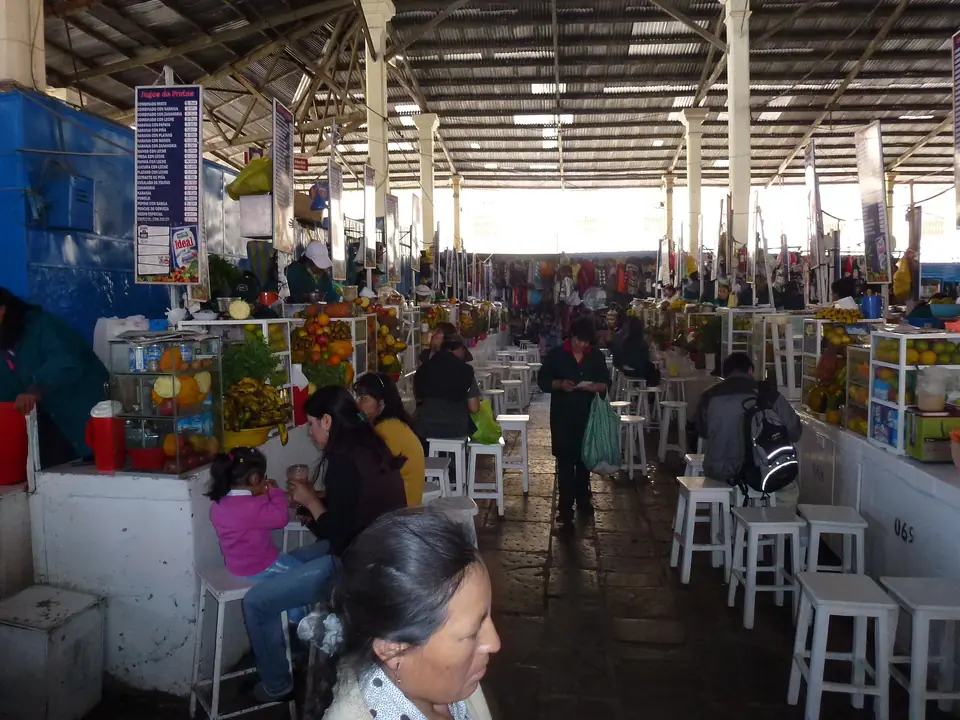
Located three blocks southwest of Plaza de Armas, Mercado Central de San Pedro offers an immediate transition from colonial architecture to Andean market life. Designed in the early 20th century, the covered iron hall houses hundreds of family vendors organised into distinct trade sections. Aisle after aisle displays native potatoes, giant corn kernels, Andean cheeses from Anta, and dried medicinal herbs. The market acts as a living pantry for highland ingredients, making it an excellent spot to study the components of southern Peruvian cooking. To plan your regional meals, review our culinary summary of traditional Andean dishes in Cusco.
Pre-Columbian Art and Artifact Collections
Cusco preserves its material heritage across several historic mansions converted into museums. Two blocks north of Plaza de Armas, the Casa del Almirante contains Museo Inka, curated by the National University of San Antonio Abad del Cusco. The collection displays mummies, textiles, wooden queros, and imperial agricultural tools. Nearby, the Museo de Arte Precolombino occupies the Casa Cabrera, presenting ceramics, wood carvings, and shell ornaments from Nazca, Moche, Chimú, and Inca cultures. These curated halls provide context before you venture into regional ruins. Explore detailed exhibition notes in our review of Museo Inka and Museo de Arte Precolombino.
| Primary Attraction | Architectural Character | Approximate Elevation | Key Highlights |
|---|---|---|---|
| Plaza de Armas | Colonial Baroque over Inca palace platforms | 3,399 metres | Cusco Cathedral, Compañía de Jesús, perimeter arcades |
| Qorikancha | Ashlar andesite base beneath Dominican cloister | 3,380 metres | Curved sun temple wall, earthquake-proof masonry joints |
| Hatun Rumiyoc | Polygonal green diorite palace foundations | 3,410 metres | Twelve-Angled Stone, Archbishop Palace exterior |
| Sacsayhuamán | Three-tiered zigzag megalithic limestone walls | 3,701 metres | Blocks exceeding 120 tonnes, panoramic city views |
| Mercado San Pedro | Industrial iron structure with highland stalls | 3,375 metres | Native highland tubers, herbal remedies, fresh juice rows |
Seasonal Planning for Cusco Exploration
Weather conditions across the southern sierra determine comfort levels when walking outdoor ruins. Open-Meteo records show that winter brings clear skies and dry conditions. June and July average daytime highs around 20.8°C and nighttime lows near 1.2 to 1.9 degrees, with only 7 millimetres of rainfall and a single wet day per month. In contrast, the summer rainy season peaks between December and March. January sees 140 millimetres of precipitation over 20 wet days, while February brings 119 millimetres across 17 wet days. Morning excursions are best during wet months, as rain showers concentrate in the late afternoon. For month-by-month recommendations, read our guide on the best time to visit Cusco.
Where it is
- 1Cusco
- Alejandro Velasco Astete International Airport (CUZ) · about 5 km from Cusco in a straight line
- Directions in Google Maps
Stations and taxi ranks: OpenStreetMap. Airports: OurAirports. Distances are in a straight line.
Traveller tips
Real advice from people who have been to Cusco. Every tip is read by our team before it goes live.
No tips yet. Been here? Yours could be the first.
Thank you! Your tip will appear here after a quick review.
More in Cusco
Continue exploring Cusco with related neighbourhood, food, and planning guides
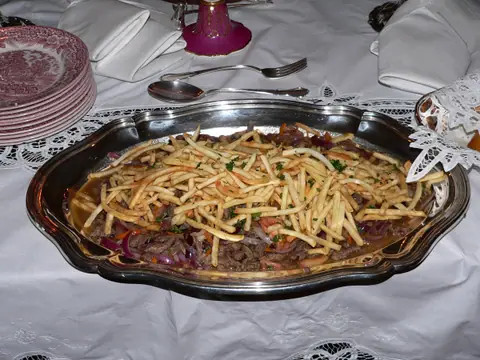
What to Eat in Cusco: Traditional Andean Dishes, Chiri Uchu and Market Specialities
Cusco, Peru
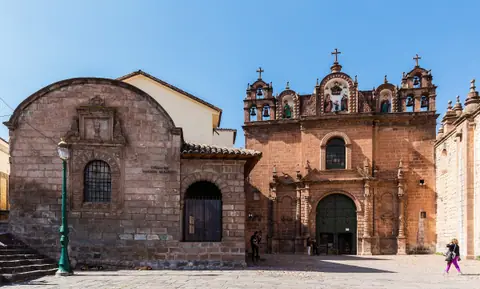
Plaza de Armas, Cusco Cathedral and Iglesia de la Compañía de Jesús
Cusco, Peru
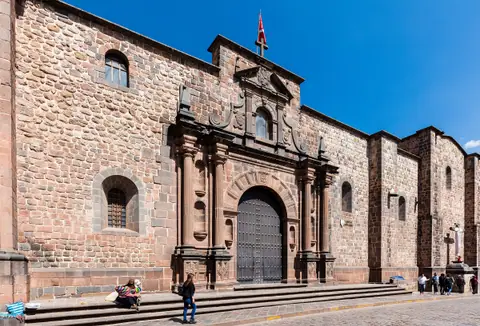
Qorikancha, Convent of Santo Domingo and Hatun Rumiyoc’s Twelve-Angled Stone
Cusco, Peru
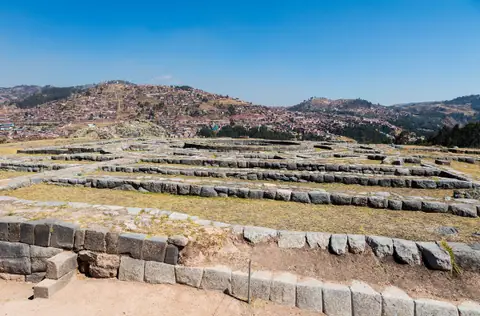
Sacsayhuamán, Q’enqo, Puka Pukara and Tambomachay Ruins
Cusco, Peru
