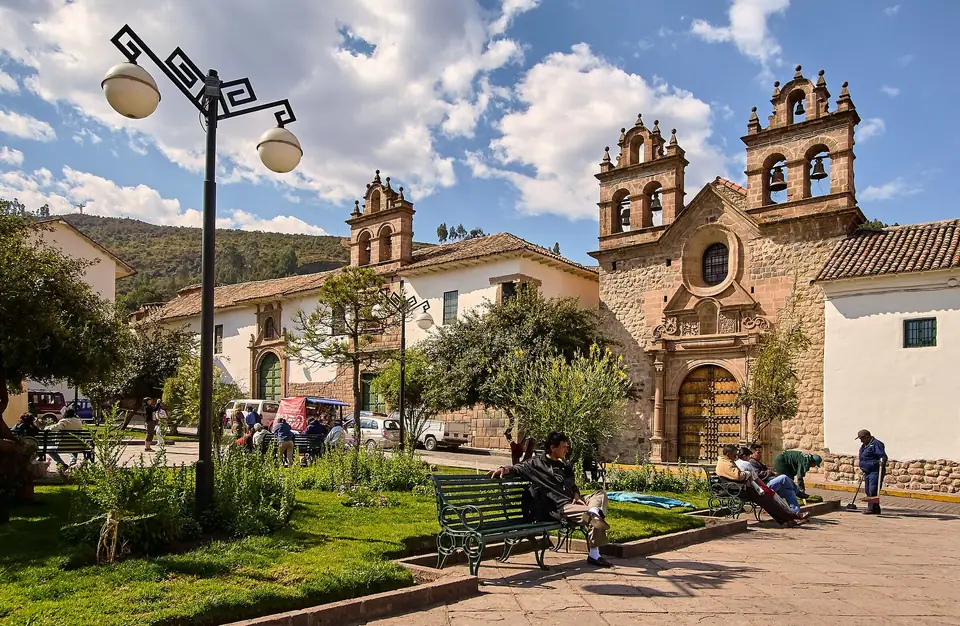
Museo Inka, Museo de Arte Precolombino and Casa Concha
Examine pre-Columbian ceramics, carved keros, and returned Machu Picchu artefacts across three premier heritage mansions situated within Cusco's historic core.
Before ascending toward the megalithic terraces of Sacsayhuamán, Q’enqo, Puka Pukara and Tambomachay Ruins or journeying deeper down the Vilcanota valley, spending time inside Cusco's primary archaeological museums clarifies how ancient Andean societies operated. Within a short walk of the historic Plaza de Armas, Cusco Cathedral and Iglesia de la Compañía de Jesús, three distinct museum venues exhibit cultural artefacts that illuminate administrative power, stone masonry, and high-altitude mortuary rituals. Each institution occupies a colonial mansion constructed directly upon polished Inca royal palace masonry.
Museo Inka at Casa del Almirante
Situated one block uphill from the cathedral square at the junction of Cuesta del Almirante and Calle Ataúd, Museo Inka serves as the archaeological research museum of the Universidad Nacional de San Antonio Abad del Cusco. The museum occupies Casa del Almirante, a grand seventeenth-century residence built for Admiral Francisco Alderete Maldonado over the palace of the twelfth Sapa Inca, Huáscar. Its corner window, supported by a carved stone column, and its heraldic Plateresque portal constitute key examples of secular colonial architecture in the southern highlands.
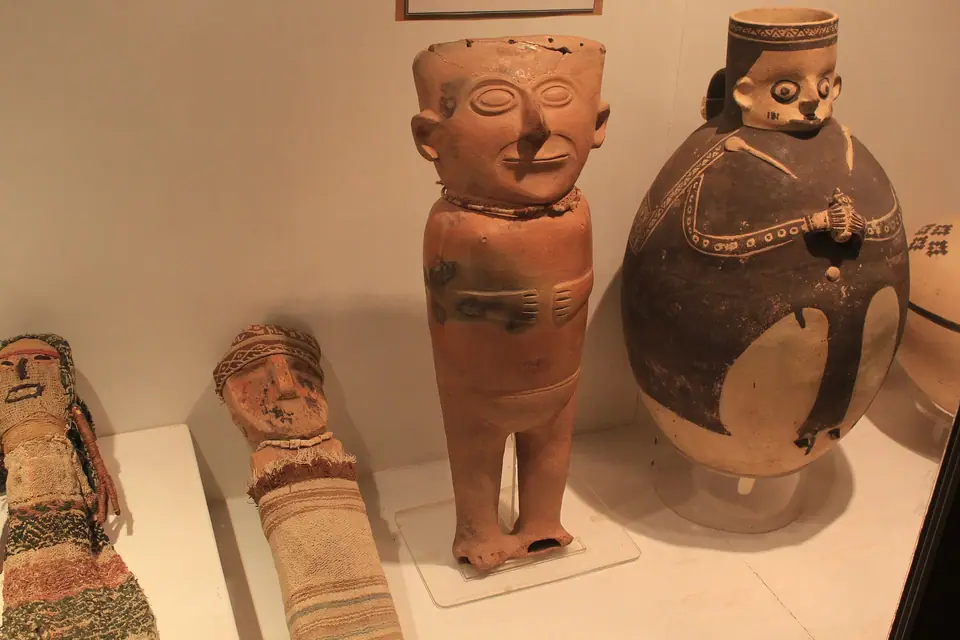
Ceremonial Keros, Khipus and Mummies
The interior galleries trace human settlement across the Cusco basin from formative Marcavalle, Chanapata, Wari, and Killke occupations through the expansion of Tawantinsuyu. Museo Inka displays the world's largest public collection of carved wooden keros, which served as elite ceremonial drinking vessels during both imperial Inca and early colonial tenures. Glass cases contain knotted cotton and camelid khipu cords that stored quantitative census records without an alphabet. Visitors can study stone mason hammers, copper chisels, trepanned skulls exhibiting bone regrowth after cranial operations, and preserved mallki bundles holding wrapped ancestral mummies.
Traditional highland weavers from communities such as Salineras de Maras, Moray Terraces and Chinchero Weaving Town occasionally demonstrate backstrap loom techniques in the central courtyard during dry winter months. This presentation connects archaeological textiles to living Andean dye traditions.
Museo de Arte Precolombino on Plazoleta de las Nazarenas
A gentle climb uphill toward the artisan quarter leads to the quiet cobblestones of Plazoleta de las Nazarenas. Here, the Museo de Arte Precolombino, widely known as MAP, occupies the Casa Cabrera, a former colonial mansion that once hosted an Inca school called a yachaywasi. The museum displays roughly 450 carefully curated pre-Columbian masterworks on loan from the renowned Larco Museum in Lima.
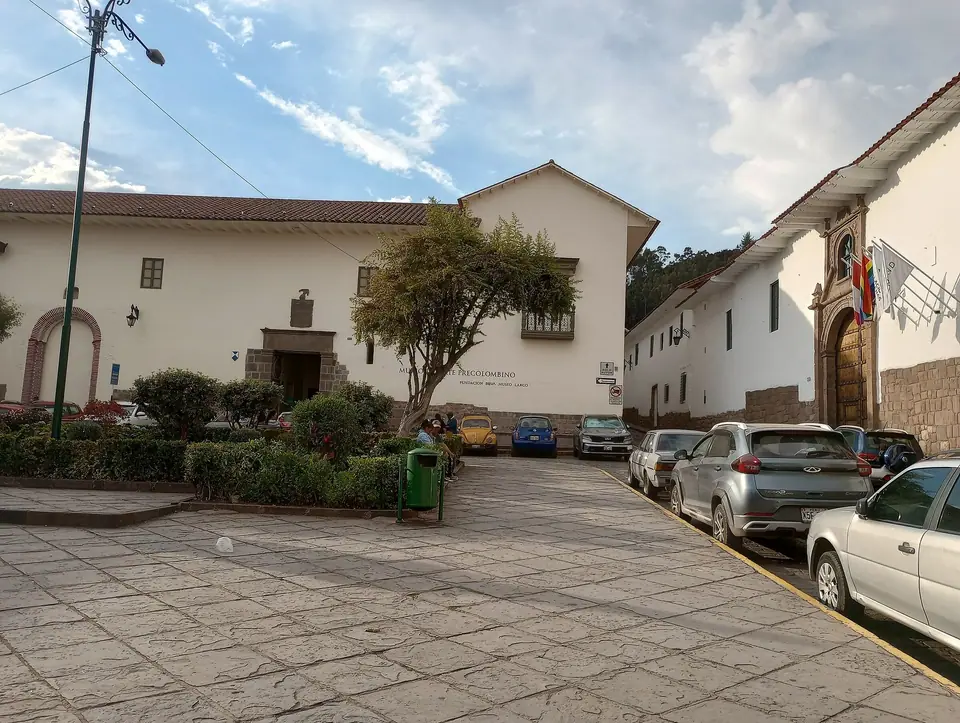
Instead of presenting dense, crowded cabinets, MAP arranges individual sculptures, ceramics, and ornaments within dark, illuminated galleries designed to highlight aesthetic qualities. The rooms follow both chronological and regional frameworks:
- Formative and Coastal Ceramics: Painted stirrup-spout vessels from the northern desert cultures, including Cupisnique and Salinar traditions.
- Moche Portrait Vessels: Finely modelled ceramic heads that depict specific rulers, warriors, captives, and medical pathologies with naturalistic precision.
- Nazca and Huari Polychrome: High-fire vessels displaying supernatural deities, trophy heads, and complex geometric iconography in varied mineral slips.
- Chimú and Chancay Textiles: Preserved coastal desert fabrics featuring feathered tunics and woven funerary tapestries.
- Inca Wood and Stone: Classic imperial aryballos jars with geometric patterns, beside carved stone llamas and ceremonial plates.
- Pre-Columbian Gold and Silver: Elaborate hammered pectorals, ear spools, and nose ornaments worn by northern coastal nobility during sacred rituals.
Casa Concha and the Returned Machu Picchu Relics
Positioned on Calle Santa Catalina Ancha, Casa Concha houses the Museo Machu Picchu. The colonial residence belonged to José Bernardo de Tagle y Portocarrero, the Marquis of Torre Tagle, and rests atop the imperial palace foundations of Sapa Inca Tupac Inca Yupanqui. Substantial Inca stone foundation courses remain visible along the perimeter ground walls and interior reception halls.
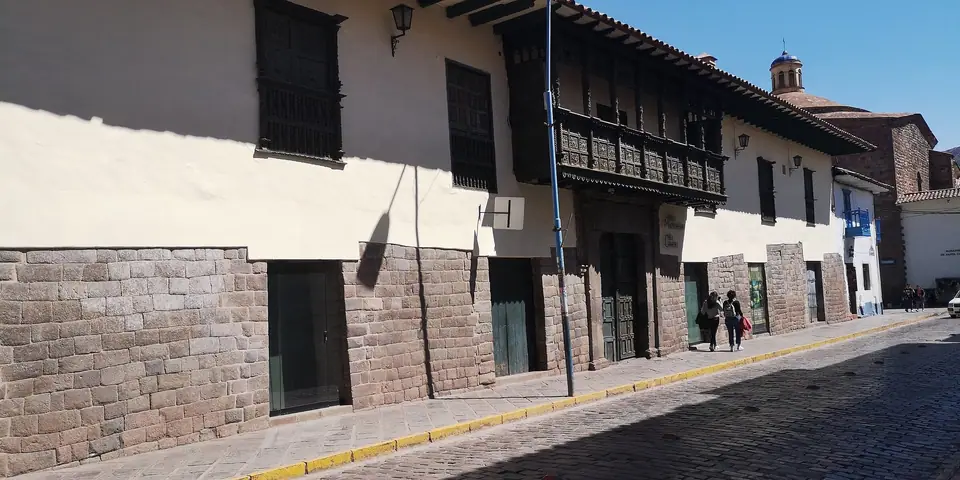
Casa Concha serves as the permanent home for more than 360 archaeological pieces excavated by Hiram Bingham at Machu Picchu in 1912. Following years of diplomatic negotiation, Yale University returned the items to Peru for public curation under the custody of UNSAAC. The collection features bronze tumi knives, copper shawl pins known as tupus, stone balance weights, obsidian tools, and ceramic cooking pots used by the artisans and retainers who maintained the royal estate. Skeletons retrieved from cave burials display demographic data about the royal retainers stationed at the sanctuary.
Comparative Museum Profile across Central Cusco
| Museum Venue | Historical Location | Primary Speciality | Exhibition Focus |
|---|---|---|---|
| Museo Inka | Cuesta del Almirante | Imperial and Regional Inca History | Ceremonial keros, khipus, and ancestral mummies |
| Museo de Arte Precolombino | Plazoleta de las Nazarenas | Fine Andean Art and Metallurgy | Moche, Nazca, Chimú, and Inca ceramics on loan from Larco |
| Casa Concha | Calle Santa Catalina Ancha | Excavated Machu Picchu Relics | Bronze tools, tupus, and skeletal remains returned by Yale |
Seasonal Weather and Itinerary Planning
Because these museums occupy covered historic interiors with stone courtyards, they provide excellent shelter during rainy afternoons. Long-term climate records from Open-Meteo show January and December average around 119 to 140 millimetres of rainfall across 17 to 20 wet days. Under these damp conditions, indoor gallery exploration prevents weather delays while acclimatising to Cusco's high elevation. During the winter dry season from June to August, daytime highs reach roughly 20.8 to 21.5°C, though overnight lows regularly drop to between 1.2 and 2.8°C.
Ticket desks operate independently at each museum, as none of the three is included on the standard municipal tourist ticket known as the Boleto Turístico. Operating schedules and entry fees occasionally change across university terms and national holidays, so visitors should check the official institutional noticeboards or websites when structuring a visit.
Where it is
- 1Museo Inka, Museo de Arte Precolombino and Casa Concha
- Alejandro Velasco Astete International Airport (CUZ) · about 5 km from here in a straight line
- Directions in Google Maps
Stations and taxi ranks: OpenStreetMap. Airports: OurAirports. Distances are in a straight line.
Traveller tips
Real advice from people who have been to Cusco. Every tip is read by our team before it goes live.
No tips yet. Been here? Yours could be the first.
Thank you! Your tip will appear here after a quick review.
More in Cusco
Continue exploring Cusco with related neighbourhood, food, and planning guides
How to Get to Cusco: Velasco Astete Airport, Andean Railways and Overland Routes
Cusco, Peru
Best Time to Visit Cusco: Dry Andean Winters, Inti Raymi and Rainy Months
Cusco, Peru
Where to Stay in Cusco: Historic Centre, San Blas and the Sacred Valley
Cusco, Peru
Cusco 3-Day Itinerary: Historic Core, Sacsayhuamán and the Sacred Valley
Cusco, Peru
