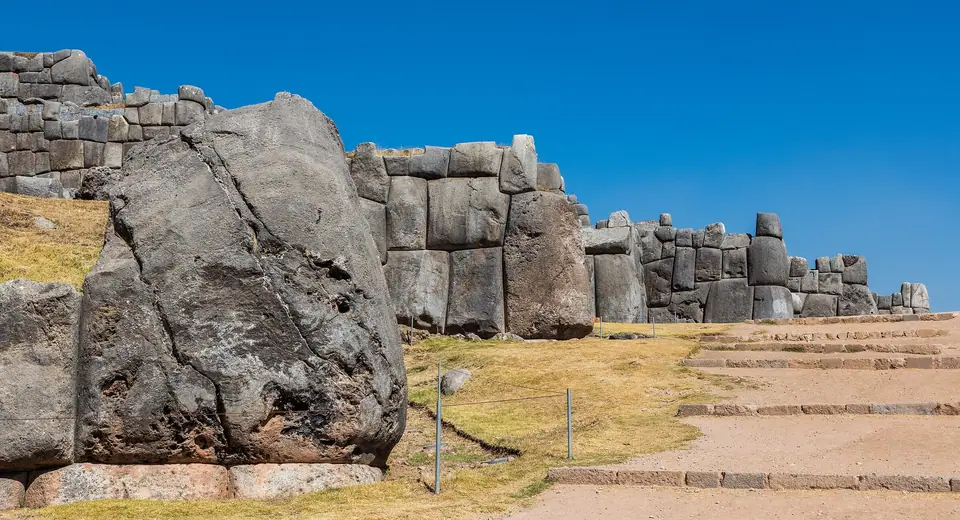
Best Time to Visit Cusco: Dry Andean Winters, Inti Raymi and Rainy Months
Discover the ideal season to explore Cusco, contrasting clear dry winter months and Inti Raymi with green valleys and afternoon rains across the southern Andes.
At an elevation of 3,400 metres in the southern Peruvian Andes, Cusco does not follow standard four-season temperate patterns. The local climate splits cleanly into two dominant cycles: a sunny, crisp dry period from May to September and a damper, greener rainy interval from November to March. Weather records from Velasco Astete Airport at 3,249 metres show that daytime maximum temperatures remain remarkably steady throughout the year, hovering between 20.3°C in February and 22.3°C in November. The real contrast between seasons is marked by rainfall frequency and nocturnal temperatures, which plummet towards freezing under cloudless winter skies.
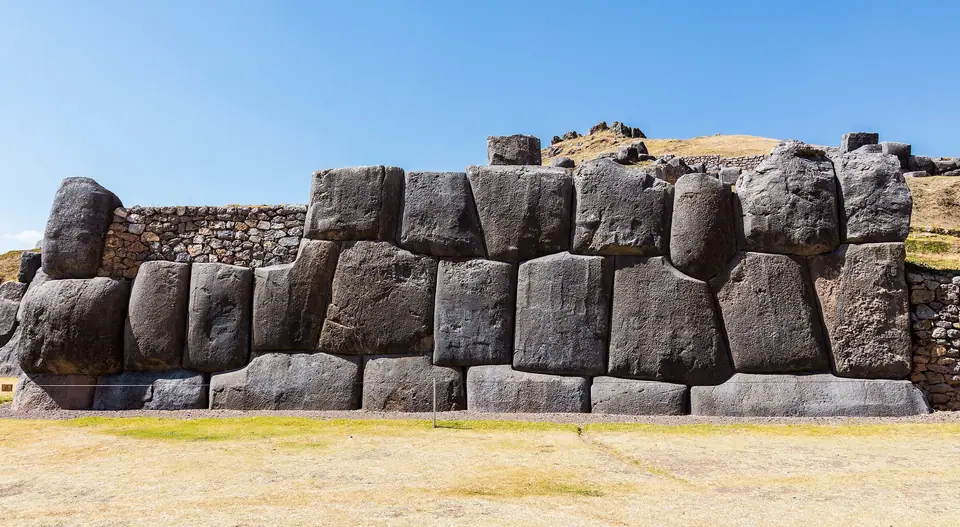
Dry Andean Winter: May to September
The southern hemisphere winter brings the most consistent conditions for outdoor exploration across the department of Cusco. Rainfall drops to negligible levels, with Open-Meteo decadal records showing June and July averaging just 7 millimetres of precipitation across a single wet day per month. May and August record around 14 millimetres over two wet days each, while September registers 28 millimetres over four wet days. Daytime highs regularly reach 20.6°C to 21.7°C. Intense equatorial sunshine cuts through the thin atmosphere, meaning a wide-brimmed hat, sunglasses and high-factor sun protection are mandatory for walking tours.
Dry mountain air loses stored heat immediately after sunset. Minimum temperatures sink to 3.6°C in May, 1.9°C in June, 1.2°C in July and 2.8°C in August. Ground frost forms frequently in open terrain around dawn. Travellers exploring open archaeological complexes such as Sacsayhuamán, Q’enqo, Puka Pukara and Tambomachay Ruins must dress in multiple layers. Thermal base layers, fleece jumpers and windproof jackets allow you to adapt as conditions shift from cool mornings to warm midday sunshine and frosty evenings.
Winter Solstice and Inti Raymi Celebrations
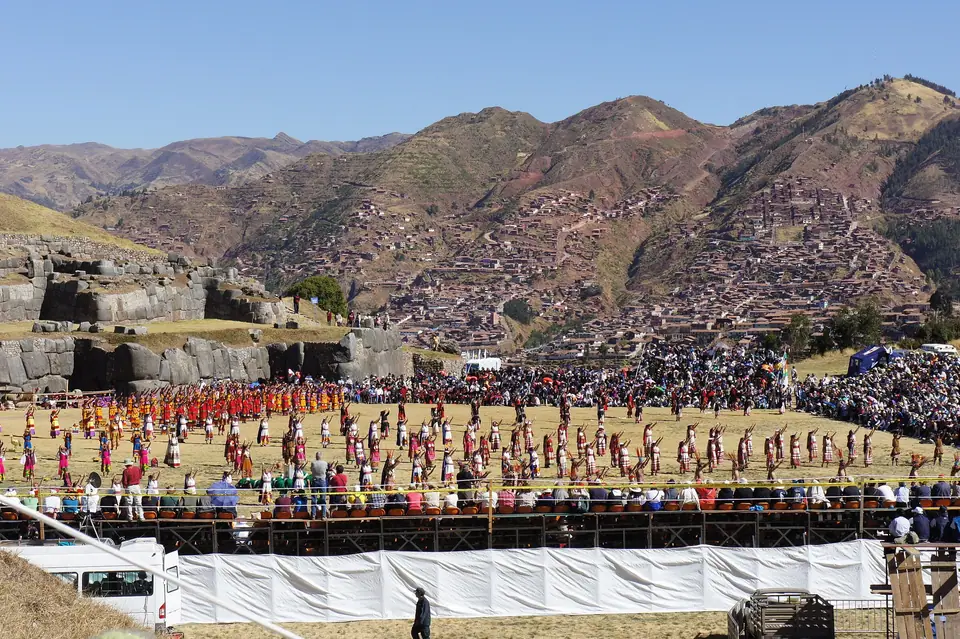
June is the focal point of the regional cultural calendar. The month features civic parades, folk dance competitions and Catholic processions, leading up to Inti Raymi, the traditional Inca Festival of the Sun, on 24 June. Staged to honour the winter solstice, the historical reenactment begins at Qorikancha and Santo Domingo, moves through the historic centre, and culminates on the esplanade of Sacsayhuamán. Clear skies ensure bright outdoor viewing, but town centre streets fill with spectators, requiring advance accommodation bookings and early positioning for prime vantage points.
Shoulder Months: April and October
Travellers seeking a balance between comfortable weather and moderate visitor volumes often choose April or October. April marks the transition out of the heavy rains, recording 49 millimetres of rain across seven wet days, with overnight temperatures averaging 6.2°C. Terraces across the valley remain bright green from months of precipitation, providing excellent landscape photography conditions. October acts as the spring transition, recording 63 millimetres across nine wet days, with daytime highs averaging 21.9°C and nighttime lows reaching 6.8°C. Brief convective afternoon showers occur, yet mornings generally offer clear skies suitable for transport towards Sacred Valley day trips to Pisac and Ollantaytambo.
Rainy Summer: November to March
From November through March, moist air masses from the Amazon basin generate frequent precipitation across the Andean highlands. January represents the wettest month, averaging 140 millimetres of rainfall across 20 wet days, followed by February with 119 millimetres across 17 wet days and December with 119 millimetres over 17 wet days. March continues the trend with 112 millimetres across 16 wet days. November is comparatively drier, recording 70 millimetres across ten wet days.
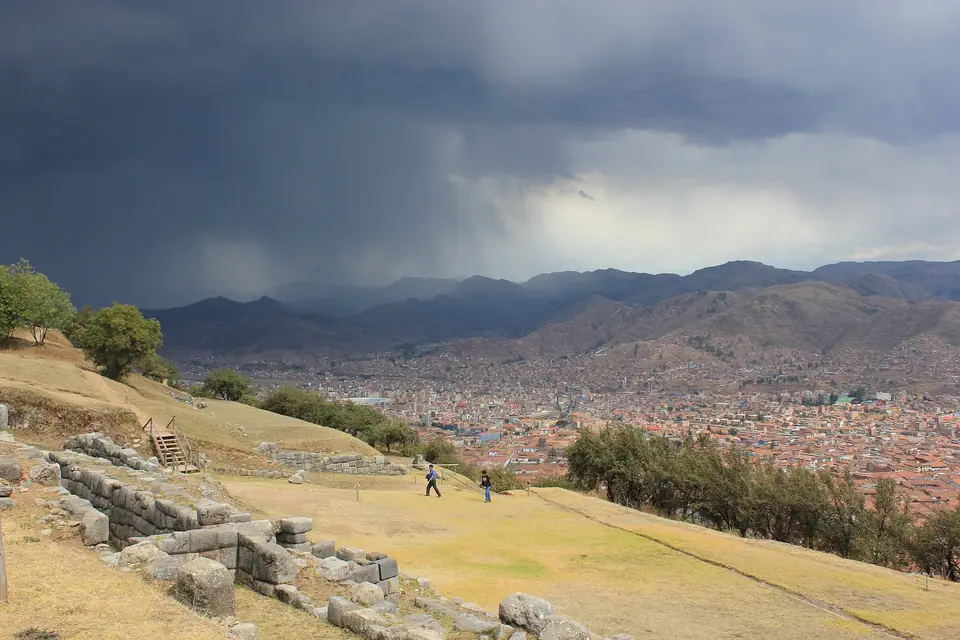
Rain rarely falls continuously throughout the entire day. Typical patterns present clear or partly cloudy mornings followed by building cloud cover, culminating in heavy afternoon or early evening downpours. Extensive cloud cover prevents overnight heat loss, keeping nighttime lows between 7.6°C and 8.0°C. Sturdy waterproof footwear, a waterproof outer shell and daypack rain covers are essential equipment. Cobbled streets in older neighbourhoods become slick when wet, requiring careful foot placement.
Monthly Climate Overview for Cusco
The following table compiles decadal climate data from Open-Meteo for Cusco, illustrating seasonal shifts in temperature, total precipitation and precipitation days across the calendar year.
| Month | Average High | Average Low | Rainfall | Wet Days |
|---|---|---|---|---|
| January | 20.5°C | 8.0°C | 140 mm | 20 |
| February | 20.3°C | 8.0°C | 119 mm | 17 |
| March | 20.5°C | 7.8°C | 112 mm | 16 |
| April | 21.0°C | 6.2°C | 49 mm | 7 |
| May | 21.2°C | 3.6°C | 14 mm | 2 |
| June | 20.8°C | 1.9°C | 7 mm | 1 |
| July | 20.6°C | 1.2°C | 7 mm | 1 |
| August | 21.5°C | 2.8°C | 14 mm | 2 |
| September | 21.7°C | 5.0°C | 28 mm | 4 |
| October | 21.9°C | 6.8°C | 63 mm | 9 |
| November | 22.3°C | 7.6°C | 70 mm | 10 |
| December | 21.1°C | 7.8°C | 119 mm | 17 |
Practical Seasonal Recommendations
To maximise time on the ground and minimise disruption from Andean weather shifts, structure your daily schedule according to verified seasonal patterns:
- Start excursions early in the rainy season: Schedule walking tours and transfers during the morning hours, as cloud build-up and rainstorms primarily develop between early afternoon and dusk.
- Prepare for steep temperature drops in winter: Carry an insulated layer even on sunny June and July afternoons, as ambient temperatures drop precipitously within thirty minutes of sunset.
- Protect against intense high-altitude radiation: Thin atmospheric density at 3,400 metres increases ultraviolet exposure throughout the year, especially during cloud-free winter periods.
- Factor weather into flight connections: Heavy cloud cover and summer storms at Velasco Astete Airport can cause flight delays, so maintain flexible connections when travelling through Lima.
Where it is
- 1Cusco
- Alejandro Velasco Astete International Airport (CUZ) · about 5 km from Cusco in a straight line
- Directions in Google Maps
Stations and taxi ranks: OpenStreetMap. Airports: OurAirports. Distances are in a straight line.
Traveller tips
Real advice from people who have been to Cusco. Every tip is read by our team before it goes live.
No tips yet. Been here? Yours could be the first.
Thank you! Your tip will appear here after a quick review.
More in Cusco
Continue exploring Cusco with related neighbourhood, food, and planning guides
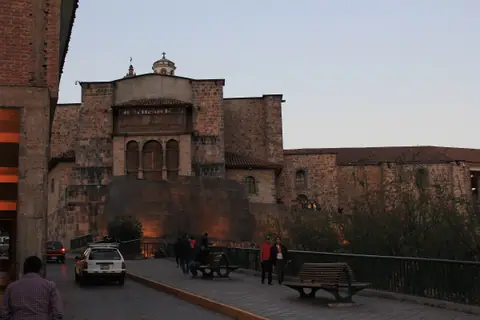
Cusco 3-Day Itinerary: Historic Core, Sacsayhuamán and the Sacred Valley
Cusco, Peru

What to Eat in Cusco: Traditional Andean Dishes, Chiri Uchu and Market Specialities
Cusco, Peru
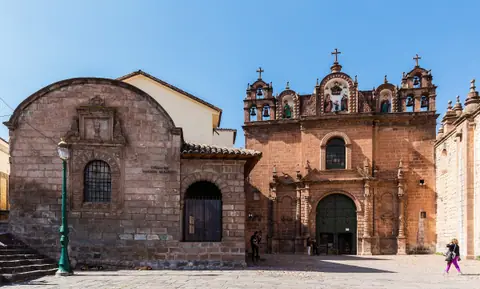
Plaza de Armas, Cusco Cathedral and Iglesia de la Compañía de Jesús
Cusco, Peru
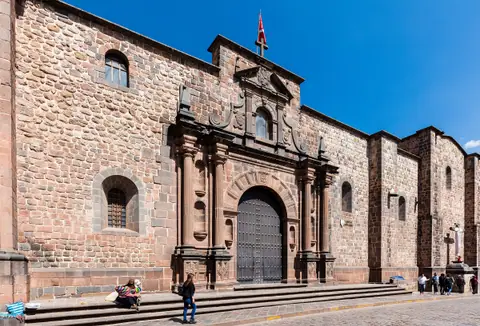
Qorikancha, Convent of Santo Domingo and Hatun Rumiyoc’s Twelve-Angled Stone
Cusco, Peru
