What to Eat in Cusco: Traditional Andean Dishes, Chiri Uchu and Market Specialities
Master Cusco's traditional food culture with our guide to highland classics, wood-roasted meats, native tubers, sacred grains, and central market stalls.
Cusco's culinary heritage draws directly on the exceptional agricultural biodiversity of the surrounding Andes Mountains. Highland farmers cultivate hundreds of native potato varieties, giant white Urubamba maize (choclo), quinoa, kiwicha, and kañiwa across stepped microclimates. Native aromatic herbs, particularly huacatay (Andean black mint) and muña (Andean mountain mint), impart an unmistakable herbal depth to highland stews and roasts. Over the centuries, these ancient pre-Columbian staples merged with Spanish wood-fired roasting ovens and Cantonese-Peruvian (Chifa) wok techniques. The result is a dynamic regional cuisine that spans steam-filled market stalls and refined heritage dining rooms near the historic Plaza de Armas.
Acclimatising to an elevation of 3,399 metres alters digestion during the initial forty-eight hours of your stay. Slower gastric motility means lighter lunches and modest evening dining provide the most comfortable experience for newcomers. Whether sampling regional staples between archaeological circuits or pausing during a broader Cusco 3-Day Itinerary, these foundational dishes reveal the agrarian identity of the southern Peruvian highlands.
Lomo Saltado and Alpaca Grill Cuts
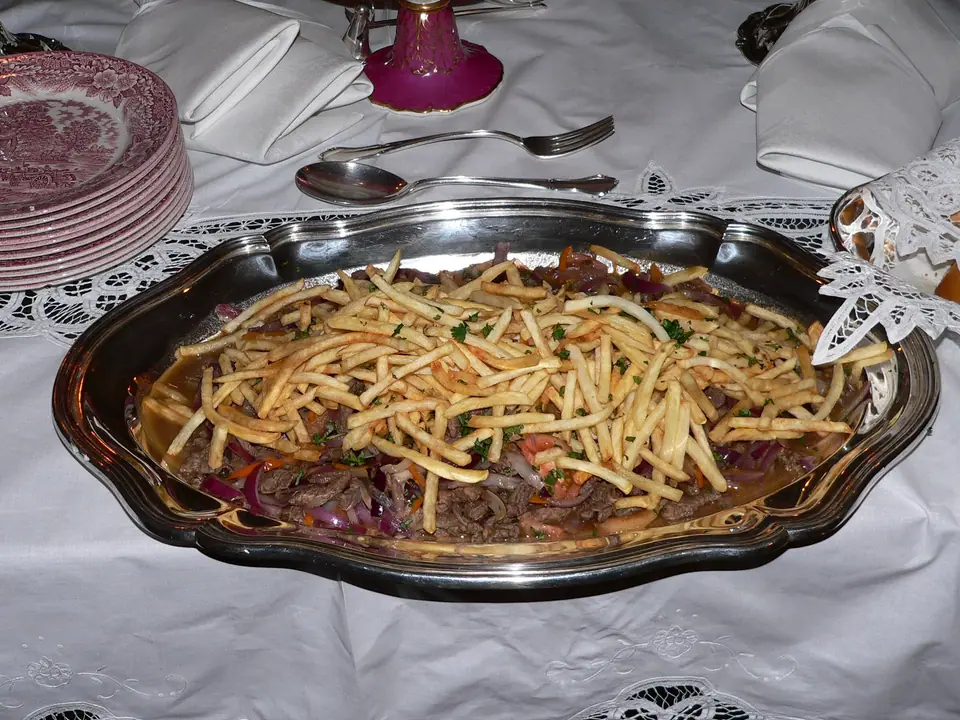
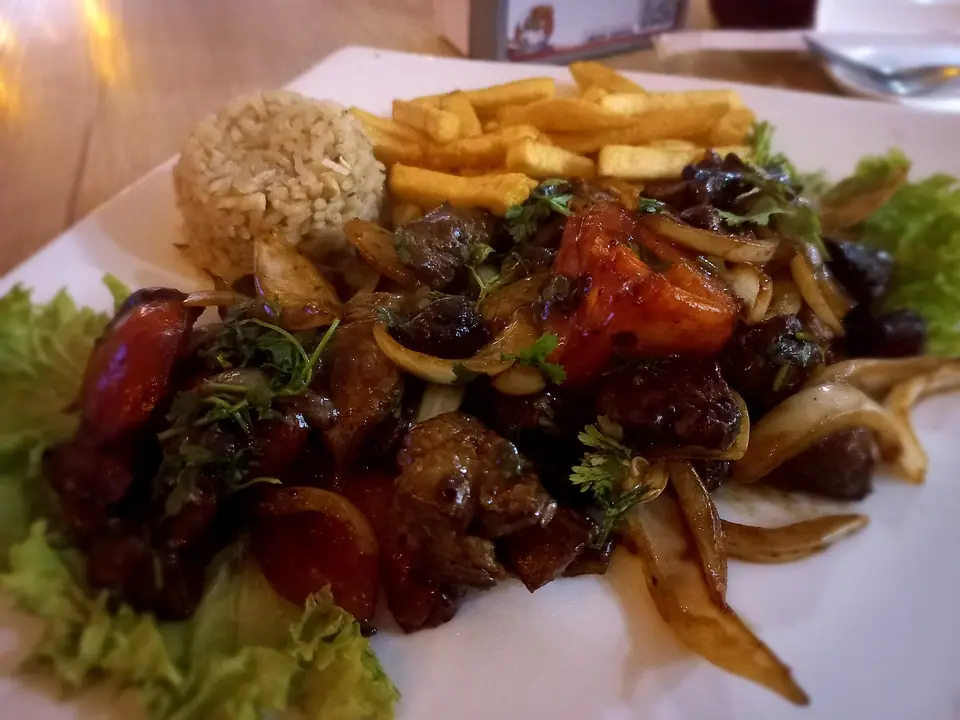
Across traditional neighbourhood picanterías and contemporary bistros, lomo saltado represents Peru's proudest cross-cultural triumph. Cooks heat carbon-steel woks over intense flames to flash-sear tender beef strips with sliced red onions, ripe tomatoes, and slivers of yellow ají amarillo chilli. A swift splash of dark soy sauce and red wine vinegar creates a savoury, acidic pan glaze that coats the meat. The sizzling stir-fry is tossed over thick-cut native yellow potatoes and served with fluffy white rice to absorb the juices.
Cusqueño kitchens frequently prepare this dish using lean alpaca loin (lomo de alpaca) instead of traditional beef. Domesticated camelid meat has sustained Andean communities for thousands of years. It features a remarkably dense, fine-grained texture with very low cholesterol and minimal fat. High-heat searing seals in natural moisture without toughness. Contemporary establishments often pair grilled alpaca steaks with quinotto, a rich Andean risotto made from red or white quinoa simmered in vegetable broth and local farm cheese.
Cuy al Horno and Festive Chiri Uchu
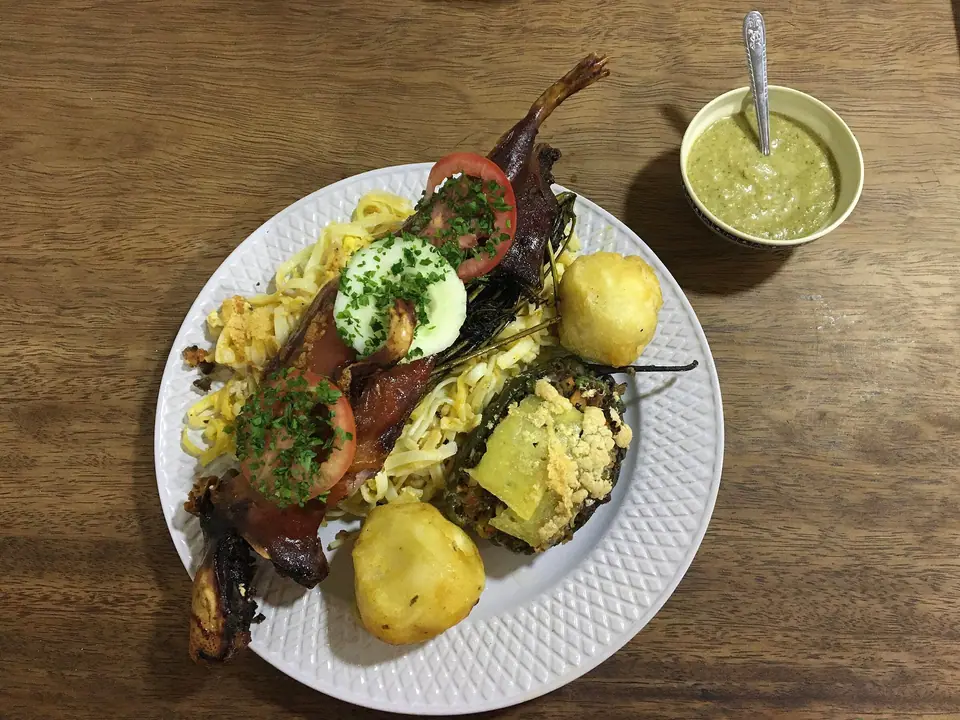
Guinea pig, known locally as cuy, remains the pre-eminent ceremonial meat of the Cusco sierra. Unlike the coastal and southern variants that are flattened and deep-fried under river stones, highland cooks prepare cuy al horno. They clean the animal thoroughly and marinate it in garlic, toasted cumin, native salt, and generous bundles of fresh huacatay leaves. The seasoned meat roasts inside intense clay or brick wood-fired ovens until the skin crisps and the herbal aromatics infuse the tender meat. Servers present the roast whole, accompanied by baked native tubers and a savoury rocoto pepper stuffed with minced vegetables.
The zenith of Cusco's ritual food calendar arrives with chiri uchu, a cold ceremonial platter whose Quechua name translates directly as "cold chilli" or "cold food". Intimately bound to the June festival of Corpus Christi, this heritage assembly gathers ingredients from every ecological tier of the former Inca realm. A standard serving combines wood-roasted cuy, boiled farm chicken, cured sun-dried meat (charqui), and dried sea algae (cochayuyo). These proteins rest beside a dense cornmeal omelette (torreja), roasted corn kernels (cancha), mountain cheese, and raw red rocoto chilli slices. Tradition dictates taking a small morsel of each component together in a single bite to experience the complex contrast of textures.
Andean Grains, Soups and Urubamba Choclo
Highland cuisine leans heavily on nourishing soups that counter freezing winter nights. Local climate records show average July nighttime temperatures dropping to 1.2°C, making warm broths essential for evening dining. Wholesome vegetable and grain soups incorporate quinoa, squash, root vegetables, and fresh herbs to provide digestible sustenance at altitude. Morning kitchens frequently simmer light broths enriched with chicken or beef bone stock, offering travelers gentle nutrition before morning departures into the mountains.
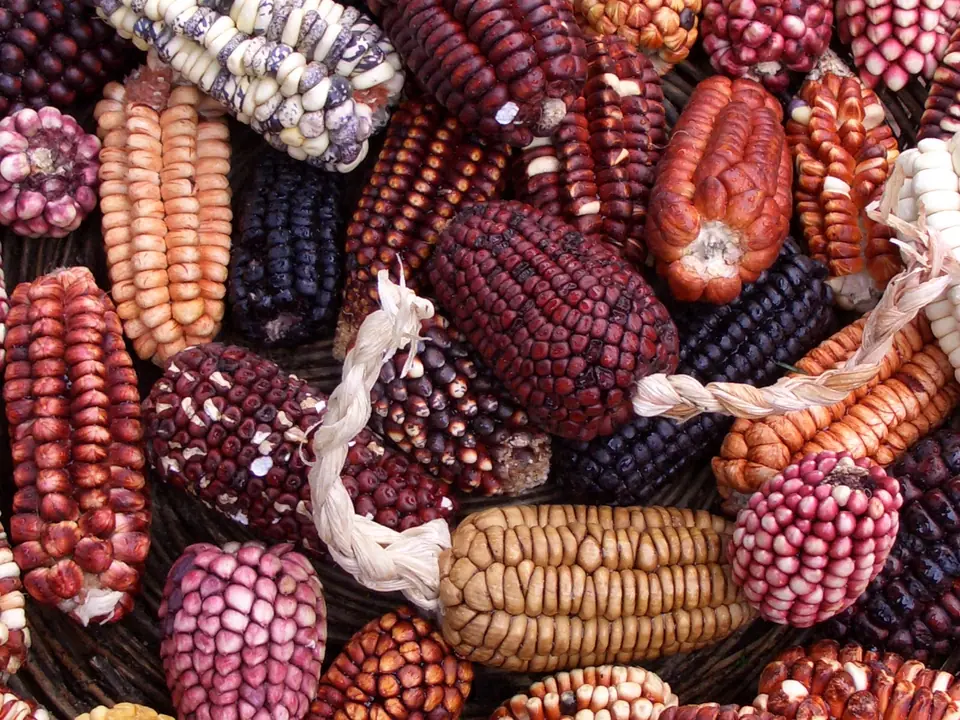
Street vendors and countryside cooks boil giant white maize from the Sacred Valley to make choclo con queso. The individual kernels of Urubamba choclo grow several times larger than standard sweetcorn, yielding a starchy, chewy bite rather than a sugary crunch. Vendors lift the steaming cobs directly from vast bubbling pots, serving each ear with a thick slab of fresh, salty highland cow's cheese. A spoonful of spicy green huacatay salsa completes this ubiquitous mountain snack.
San Pedro Market Stalls and Highland Drinks
To witness regional culinary commerce in motion, walk through the crowded aisles of San Pedro Market. The central hall divides into precise zones dedicated to native potato merchants, artisanal cheeses, fresh poultry, and whole-spelt bakeries. The hot food section features open counters where cooks serve steaming plates of slow-simmered pig trotter soup, chicken noodle broth, and fried river trout. Rows of wooden benches provide informal seating directly in front of the bubbling stockpots.
Hydration plays an essential role in combating high-altitude dehydration under the thin mountain atmosphere. Freshly brewed herbal infusions of muña (Andean mint) and coca leaf aid digestion and soothe headaches after strenuous walking tours. For cool refreshment during sunny afternoons, try deep-purple chicha morada, boiled from dried purple corn, pineapple rinds, green apples, cinnamon quills, and cloves. Traditional chicha taverns, marked by red plastic bags tied to doorway poles, ferment sprouted corn into low-alcohol chicha de jora, a tart, effervescent homebrew central to highland social life.
| Dish or Drink | Core Regional Ingredients | Typical Service Context | Dietary Profile |
|---|---|---|---|
| Lomo Saltado | Alpaca or beef, red onions, tomatoes, ají amarillo, native yellow potatoes | Standard lunch or dinner main across urban picanterías and bistros | High protein, dairy free |
| Cuy al Horno | Whole wood-roasted guinea pig, fresh huacatay, garlic, cumin, rocoto | Special occasions, Sunday gatherings, and countryside oven halls | Lean game meat, gluten free |
| Chiri Uchu | Roast guinea pig, boiled chicken, charqui, cochayuyo algae, cancha, torreja | Served cold during June Corpus Christi festival celebrations | Omnivore ceremonial platter |
| Choclo con Queso | Giant white Urubamba corn, fresh mountain cow's cheese, chilli sauce | Midday street snack, market courtyards, and rural transit stops | Vegetarian, high starch |
| Chicha Morada | Purple maize, pineapple peel, green apples, cinnamon, cloves, lime juice | Chilled midday refresher served with family lunch menus | Non-alcoholic, vegan |
Practical Dining Strategy for High Altitude
Navigating Cusco's food scene requires pacing your appetite to match your body's altitude adjustment. Follow these proven principles when planning daily meals:
- Emphasise Midday Dining: Take your heaviest meal between midday and early afternoon when metabolic rates peak. Digestion slows noticeably after dark at high altitude, so keep dinners focused on light broths or grain salads.
- Prioritise Hot Herbal Infusions: Drink hot cups of muña infusion following rich dishes like lomo saltado or wood-roasted meats. The essential oils in wild Andean mint accelerate digestion and reduce intestinal cramping.
- Observe Food Turnover: When selecting stalls at San Pedro Market or neighbourhood lunch counters, pick vendors with high local patronage and visibly boiling pots. Freshly prepared, fully heated items protect gut health effectively.
- Pair Rich Proteins with Native Tubers: Andean potatoes and boiled choclo contain complex starches that release energy gradually during steep climbs through the cobblestone alleys of San Blas.
Where it is
- 1Cusco
- Alejandro Velasco Astete International Airport (CUZ) · about 5 km from Cusco in a straight line
- Directions in Google Maps
Stations and taxi ranks: OpenStreetMap. Airports: OurAirports. Distances are in a straight line.
Traveller tips
Real advice from people who have been to Cusco. Every tip is read by our team before it goes live.
No tips yet. Been here? Yours could be the first.
Thank you! Your tip will appear here after a quick review.
More in Cusco
Continue exploring Cusco with related neighbourhood, food, and planning guides
Best Time to Visit Cusco: Dry Andean Winters, Inti Raymi and Rainy Months
Cusco, Peru
Where to Stay in Cusco: Historic Centre, San Blas and the Sacred Valley
Cusco, Peru
Cusco 3-Day Itinerary: Historic Core, Sacsayhuamán and the Sacred Valley
Cusco, Peru
Plaza de Armas, Cusco Cathedral and Iglesia de la Compañía de Jesús
Cusco, Peru
