12 Essential Landmarks and Experiences Across Cairo and Giza
Plan your Cairo journey across twelve foundational sights, spanning Old Kingdom pyramids at Giza and Saqqara, royal mummies, and historic Islamic minarets.
Few metropolises require travellers to shift scale from 4,600-year-old limestone monuments to medieval Fatimid minarets and tranquil Nile waterways in a single afternoon. Cairo spans both riverbanks, spreading across desert plateaus, densely layered medieval quarters, and leafy mid-river islands. We have organised the twelve foundational sights across Cairo, Giza, and the southern necropolises to help you navigate this vast urban landscape efficiently.
Pharaonic Necropolises of Giza, Saqqara, and Dahshur
The western bank of the Nile preserves the royal burial grounds of ancient Egypt. Planning visits early in the day provides cooler desert temperatures and clearer light before midday haze settles over the valley.
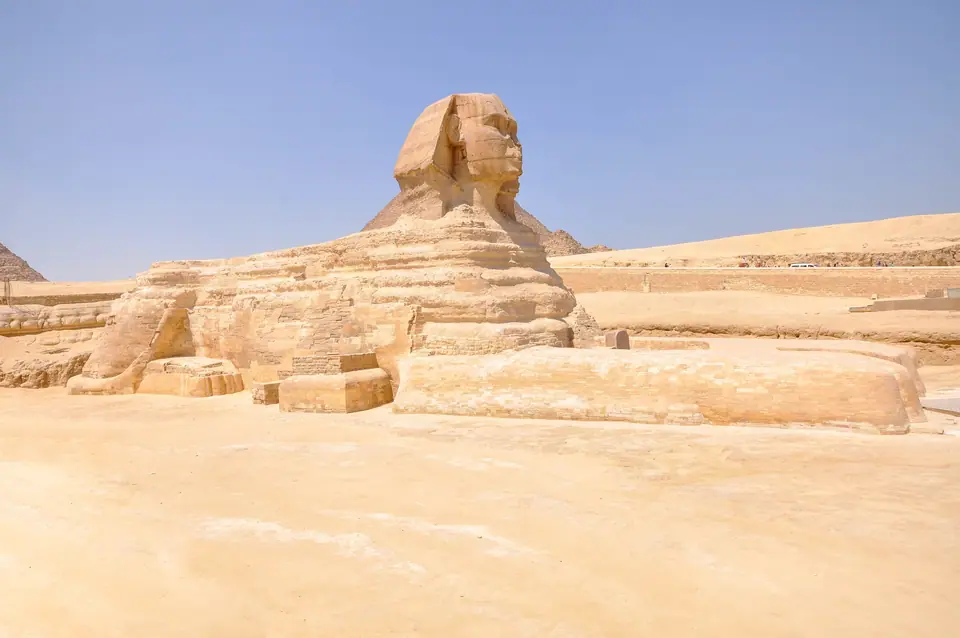
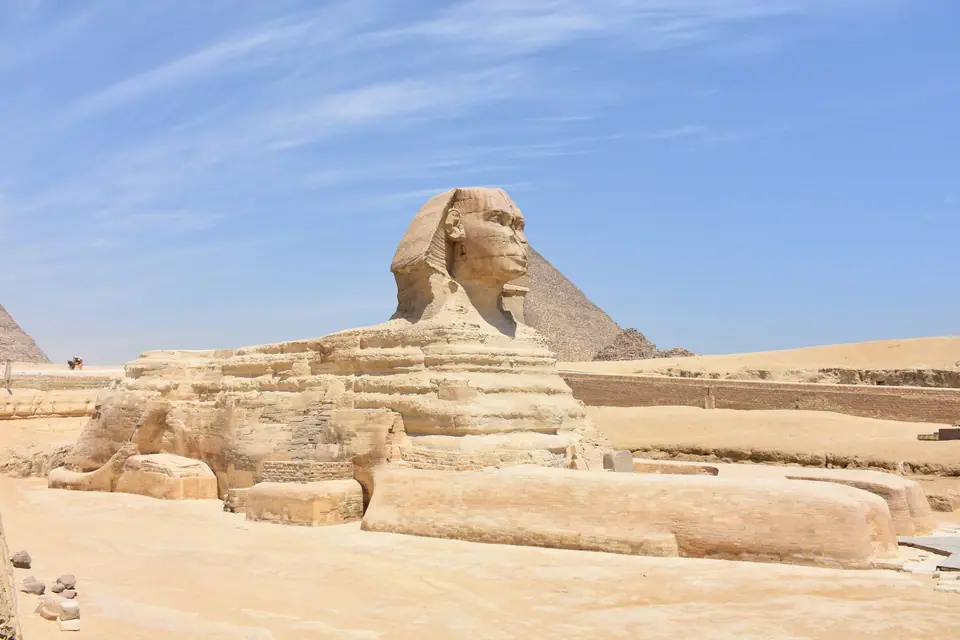
- The Giza Pyramid Plateau and Great Sphinx: Stand before the Fourth-Dynasty Great Pyramid of Khufu (built around 2560 BCE), the Pyramid of Khafre, and the Pyramid of Menkaure. Descend past the monolithic limestone Great Sphinx and its adjoining granite Valley Temple. Learn how to sequence the ticket gates and photography viewpoints in our Giza Pyramids and Great Sphinx guide.
- The Step Pyramid of Djoser at Saqqara and Dahshur: Journey 30 kilometres south of central Cairo to inspect the world's oldest monumental stone structure. Imhotep designed this stepped complex around 2670 BCE for Pharaoh Djoser. The surrounding necropolis houses the underground bull tombs of the Serapeum. Farther south at Dahshur stand the Bent Pyramid and Red Pyramid built by Sneferu. Plan your day trip using our Saqqara, Memphis, and Dahshur itinerary.
Cairo's Three Major Antiquities Museums
Cairo's premier archaeological collections are divided across three distinctive institutions, each covering a specific epoch and curatorial style.
- The Grand Egyptian Museum (GEM): Situated near the desert rim at Giza, this monumental glass-and-stone complex welcomes visitors through an open piazza featuring the suspended Hanging Obelisk. Inside the soaring atrium stands an 83-tonne colossus of Ramesses II. Ascend the statue-lined Grand Staircase, which frames panoramic views back toward the Giza Pyramids. Official exhibition details and ticketing procedures are maintained on visit-gem.com.
- The National Museum of Egyptian Civilization (NMEC): Located in historic Fustat, this museum houses the climate-controlled Royal Mummies Hall. The subterranean chamber presents twenty New Kingdom pharaohs and queens in respectful, low-lit conditions. You will encounter the physical remains of legendary rulers including Ramesses II, Seti I, Thutmose III, and Queen Hatshepsut. Verify exhibition protocols directly on nmec.gov.eg.
- The Egyptian Museum in Tahrir Square: Inaugurated in 1902, this rose-pink Neoclassical landmark designed by French architect Marcel Dourgnon retains authentic early-twentieth-century gallery styling. It displays the predynastic Narmer Palette (dated to around 3100 BCE), Old Kingdom diorite statues of Khafre and Menkaure, and the dazzling royal gold jewellery recovered from Tanis. Compare all three institutions in our Cairo museum comparison guide.
Historic Islamic Cairo and Medieval Fortifications
The eastern districts of Cairo preserve one of the highest concentrations of historic Islamic architecture in the world. Stone city gates, vaulted market halls, and monumental mosques line the medieval street grid.
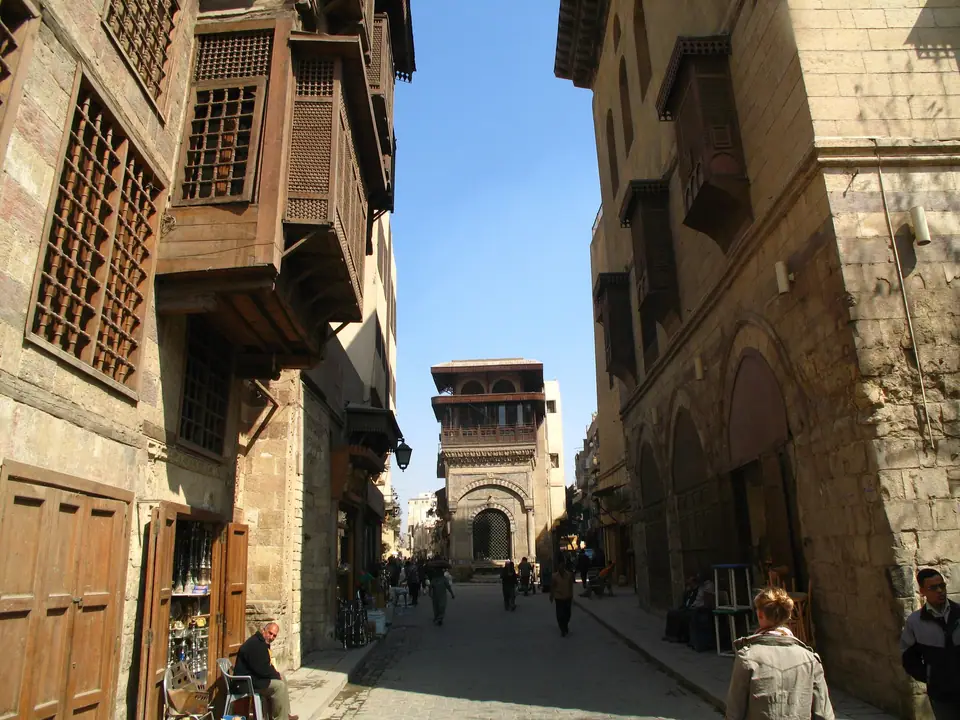
- Al-Mu'izz Street and Khan el-Khalili: Walk the pedestrianised one-kilometre thoroughfare running between the Fatimid northern gate of Bab al-Futuh (erected in 1087) and the southern gate of Bab Zuweila (1092). Along the route, explore the intricately carved stone masonry of the Sultan Qalawun Complex (1284 to 1285) before turning into the vaulted alleys and copper workshops of the fourteenth-century Khan el-Khalili bazaar. Follow our step-by-step route in the Islamic Cairo walking guide.
- The Citadel of Saladin and Mosque of Muhammad Ali: Begun by Saladin in 1176 on a limestone spur of the Mokattam Hills, this strategic fortress commanded Cairo's skyline for centuries. The Mosque of Muhammad Ali, constructed between 1830 and 1848, features towering twin minarets and soaring Ottoman alabaster domes that overlook the city plains.
- Mosque-Madrasa of Sultan Hassan and Al-Rifa'i Mosque: Facing each other across a stone plaza beneath the Citadel, these two monuments represent contrasting architectural eras. Sultan Hassan (built between 1356 and 1363) demonstrates monumental Mamluk stone engineering, soaring iwans, and massive stucco friezes. Across the lane stands Al-Rifa'i Mosque (completed in 1912), the burial place of the Egyptian royal family.
- Ibn Tulun Mosque and the Gayer-Anderson Museum: Completed in 879 CE, Ibn Tulun is Cairo's oldest intact mosque surviving in its original design. Climb its distinctive external spiral minaret, inspired by the ancient Abbasid architecture of Samarra, to survey the vast arcaded courtyard. Abutting the mosque walls sits the Gayer-Anderson Museum, formed from two connected seventeenth-century Ottoman-era houses filled with carved wood screens.
- Al-Azhar Park: Transformed from historic Ayyubid earthworks into a 30-hectare elevated park, this green refuge offers geometric water channels, shade trees, and sweeping westward views. It provides an ideal vantage point to watch afternoon sunlight fade across historic domes and Citadel fortifications.
Coptic Cairo and Nile River Waterfronts
South of Downtown and across the Nile, Cairo shifts character toward Roman foundations and tranquil riverbank gardens.
- Coptic Cairo within the Babylon Fortress: Enter the pedestrian Roman fortress enclave to tour Cairo's ancient Christian heritage. Key sights include the Hanging Church (Al-Mu'allaqa), built suspended over Roman gate bastions, and the fourth-century Church of Saints Sergius and Bacchus (Abu Serga), whose crypt sheltered the Holy Family. The district holds the Ben Ezra Synagogue and the Coptic Museum, founded in 1908 to preserve exquisite stone carvings, woodwork, and illuminated manuscripts. Read our dedicated Coptic Cairo guide for practical advice.
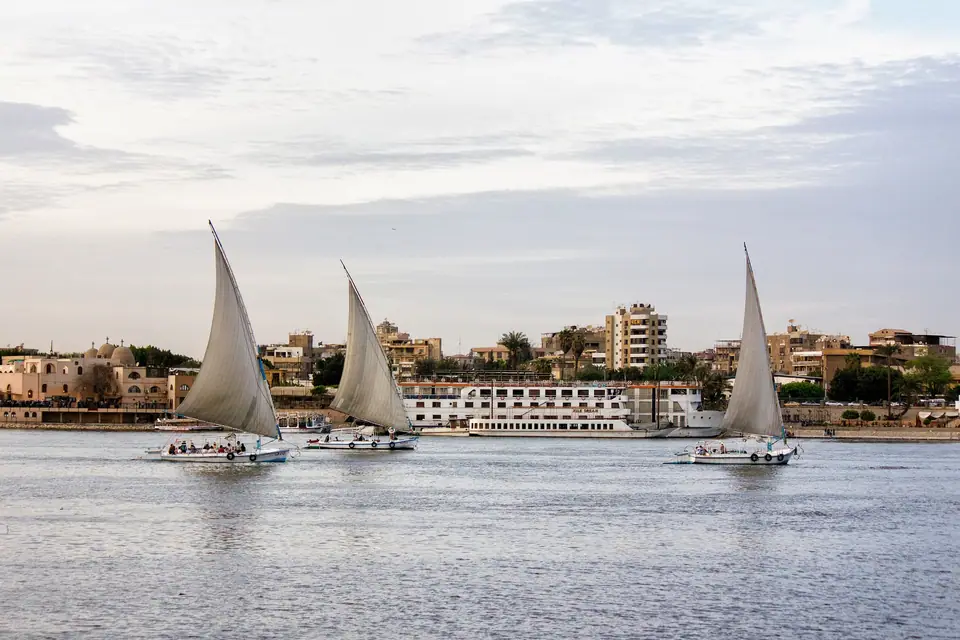
- Felucca Sailing and Zamalek Culture: Board a traditional wooden, white-sailed felucca from docks along the Corniche or Garden City for a quiet sunset sail on the River Nile. Combine your time on the water with a stroll through leafy Zamalek on Gezira Island, exploring art galleries and dining venues along 26th of July Street, detailed in our Zamalek and Nile felucca guide.
Geographic Distribution of Cairo's Core Highlights
Structuring your sightseeing by geographic cluster minimises transit time across Cairo's extensive metropolitan road network.
| District or Zone | Key Attractions | Primary Architectural Era | Optimal Timing |
|---|---|---|---|
| Giza and West Bank | Pyramid Plateau, Great Sphinx, Grand Egyptian Museum | Old Kingdom (c. 2560 BCE) and Modern | Early morning arrival |
| South Necropolises | Saqqara Step Pyramid, Dahshur Pyramids | Third and Fourth Dynasties | Full day trip from city centre |
| Historic Islamic Cairo | Al-Mu'izz Street, Qalawun, Khan el-Khalili, Citadel | Fatimid, Ayyubid, Mamluk, Ottoman | Midday through evening sunset |
| Fustat and Old Cairo | NMEC Royal Mummies, Babylon Fortress, Hanging Church | Roman, Coptic, and Modern | Morning to early afternoon |
| Nile Waterfront and Islands | River Feluccas, Gezira Island, Zamalek Galleries | Nineteenth century to Contemporary | Late afternoon and twilight |
Cairo's climate shifts significantly across the seasons. Open-Meteo climate records between 2015 and 2024 show average daytime highs of 19°C in January rising to 35°C from June through August. Winter months feature two wet days on average with 14 millimetres of rainfall, while May through October see zero millimetres of rain. When touring open desert plateaus or walking stone alleys, wear sun protection and comfortable walking shoes. For ticketing, transport passes, and operating regulations across all state sites, consult the Ministry of Tourism and Antiquities portal at egymonuments.gov.eg.
Where it is
- 1Cairo
- Cairo International Airport (CAI) · about 17 km from Cairo in a straight line
- Directions in Google Maps
Stations and taxi ranks: OpenStreetMap. Airports: OurAirports. Distances are in a straight line.
Traveller tips
Real advice from people who have been to Cairo. Every tip is read by our team before it goes live.
No tips yet. Been here? Yours could be the first.
Thank you! Your tip will appear here after a quick review.
More in Cairo
Continue exploring Cairo with related neighbourhood, food, and planning guides
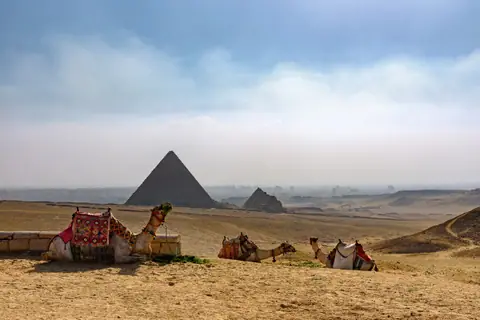
3 Days in Cairo: Giza and GEM, Royal Mummies, and Historic Islamic Cairo
Cairo, Egypt
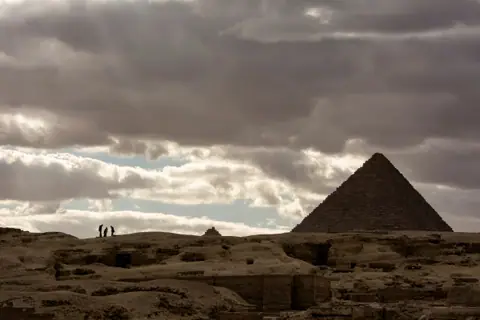
Giza Pyramids, Great Sphinx and Valley Temple Guide
Cairo, Egypt
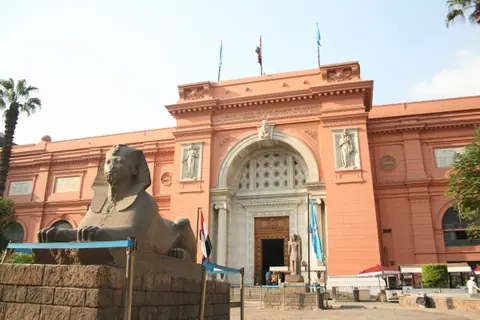
Cairo's Three Great Museums Compared: GEM, 1902 Tahrir Museum & NMEC Royal Mummies
Cairo, Egypt
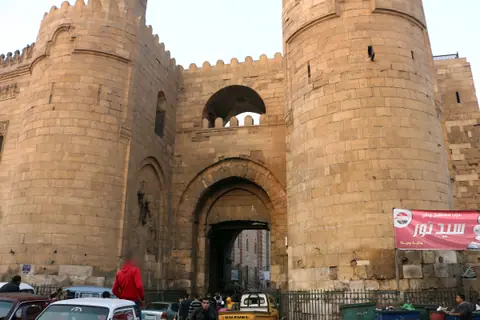
Islamic Cairo Walking Route: Al-Mu'izz Street, Qalawun, Bab Zuweila & Khan el-Khalili
Cairo, Egypt
