Best Time to Visit Cairo: Winter Desert Sunshine, Khamsin Winds and Ramadan Nights
Discover the best time to visit Cairo using verified climate data, seasonal pyramid walking strategies, spring dust wind advice, and Ramadan lantern night details.
Set in a dry desert basin moderated by northerly breezes funnelling up the Nile Valley from the Mediterranean, Cairo receives nearly 3,400 hours of sunshine every year. According to long-term climate normals from the Egyptian Meteorological Authority and the World Meteorological Organisation, the Egyptian capital averages fewer than nine rain days across the entire calendar year. Temperature and solar intensity, rather than precipitation, serve as the decisive factors when planning your days across the Greater Cairo plateau.
Understanding seasonal shifts across the desert environment determines how comfortably you can explore exposed archaeological zones versus indoor cultural galleries. Travellers who match their daily walking itineraries to seasonal sunlight patterns avoid midday fatigue while securing ideal photography lighting over the open monuments.
Cool Season from November to March: Ideal Conditions for Desert Monuments
The five-month corridor from November through March represents the peak travel window across Cairo. Afternoon temperatures settle into a comfortable range between 19°C and 25°C, while evening lows dip between 10°C and 15°C. January registers as the coolest month of the year with daytime highs around 19°C and nighttime lows of 10°C. December, January, and February each bring an average of just 14 millimetres of rainfall spread across two wet days, leaving skies clear for vast panoramic views.
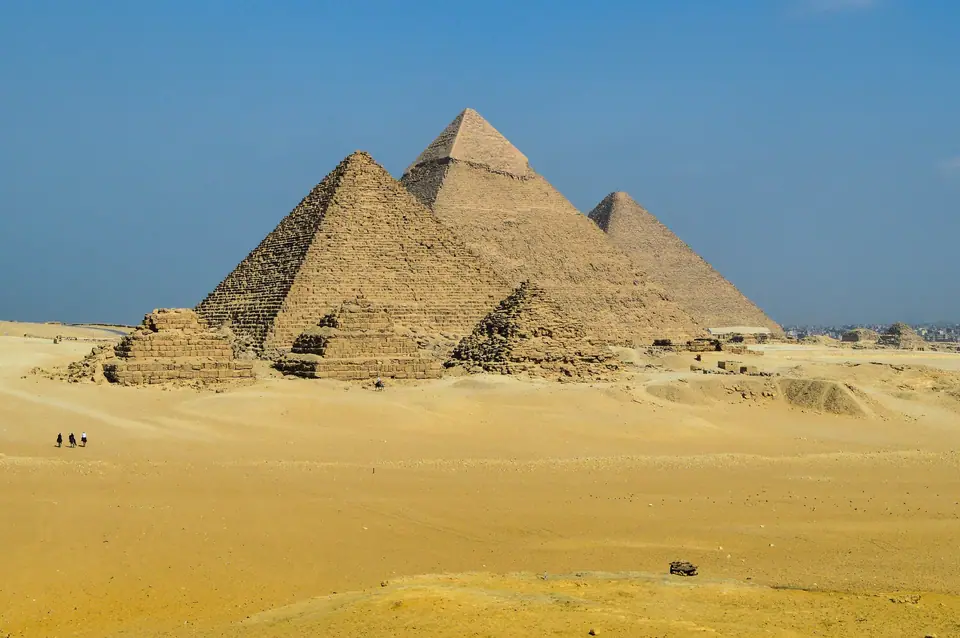
These moderate daytime temperatures allow visitors to walk the shadeless limestone desert of the Giza Pyramids and Great Sphinx without intense heat strain. You can comfortably spend entire afternoons traversing the stepped terraces at Saqqara and Dahshur, or navigating the open parade grounds at the Saladin Citadel. Desert breezes turn brisk after dusk, which means packing a warm fleece or lined windbreaker is essential for evening walks along the riverbanks.
Shoulder Months in April and October: Transformed Light and Desert Dust Winds
April and October serve as short transition periods linking the cool winter with the severe summer furnace. October delivers daytime highs of 30°C and overnight lows of 19°C with zero rainfall, presenting warm afternoons and exceptionally pleasant dinner cruises on traditional sailboats. April records average highs of 28°C and lows of 16°C, carrying seven millimetres of occasional rain across a single day.
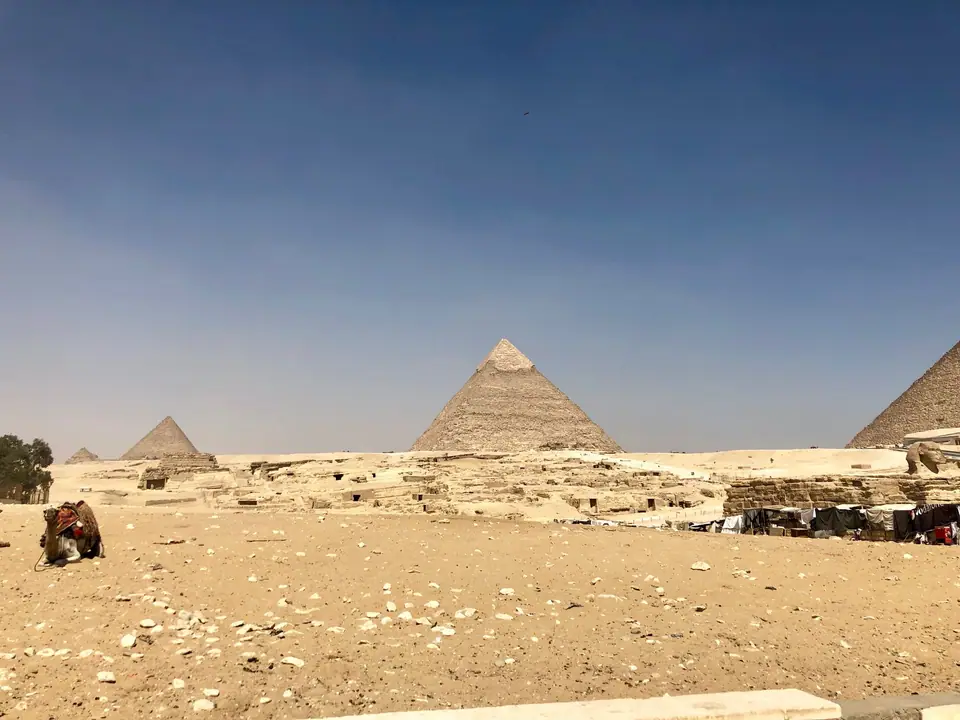
Spring travellers between March and May must prepare for the dry southerly desert wind system known locally as the Khamsin. These sporadic storms blow hot, dust-laden air from the Western Desert, dropping horizontal visibility and leaving a fine film of orange sand across city streets. When a Khamsin system passes through the city, swap open outdoor plateau tours for interior treasures like the Coptic Museum in Old Cairo or the enclosed galleries of the landmark national museums. Carry sealed eyewear and light face scarves if you find yourself walking outside during an active dust warning.
Summer Strategy from May to September: Managing Extreme Desert Heat
Between May and September, Cairo enters an intense dry summer. Daytime maximums regularly settle at 35°C in June, July, and August, frequently spiking to 38°C or 40°C during peak afternoon hours. Nighttime lows hover around 22°C to 24°C, offering little immediate cooling across densely built concrete neighbourhoods. Rainfall is entirely absent across this five-month stretch, generating relentless blue skies and unyielding solar reflection from limestone pavements.
Surviving the summer requires an inverted daily schedule. Arrange all outdoor exploration of pyramid fields, open-air necropolises, and medieval fortress ramparts during early morning slots. By late morning, retreat into climate-controlled interior destinations like the Grand Egyptian Museum and NMEC Royal Mummies Hall. Drink mineral water continuously, wear breathable natural linen, and save late-afternoon strolls for shaded residential quarters on Zamalek on Gezira Island once long river shadows fall.
Ramadan Evenings: Adjusted Operating Hours and Lively Night Markets
Visiting during the Islamic holy month of Ramadan offers a unique cultural perspective on the capital. During daylight fasting hours, street traffic quietens and routine commerce slows considerably. Major archaeological sites and public museums adjust their operational calendars, routinely closing their ticket offices roughly one hour earlier in the afternoon so staff can travel home for the sunset Iftar meal. Always check current monument schedules on the official Ministry of Tourism and Antiquities portal before setting out.
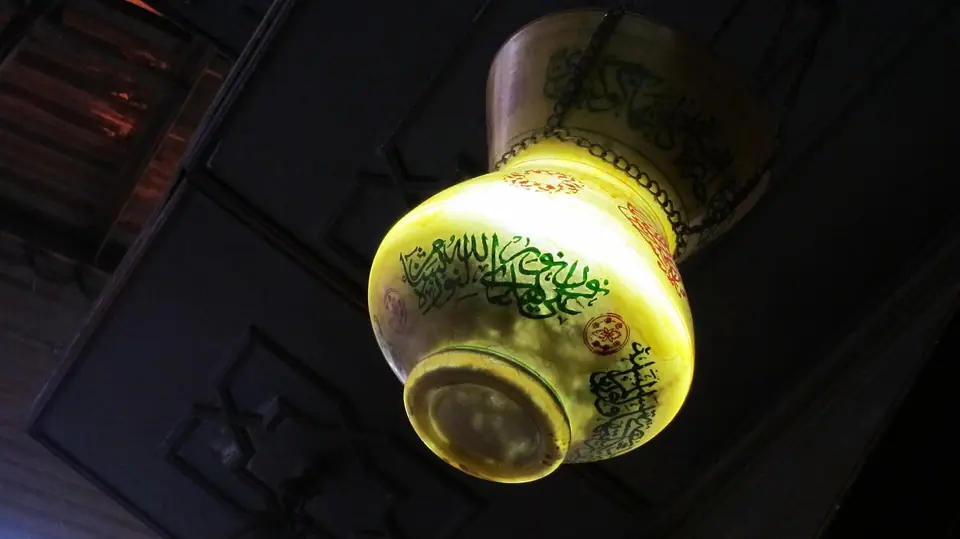
After sunset, historic quarters erupt into communal celebrations that continue until dawn. The historic thoroughfare of Al-Mu'izz Street and Khan el-Khalili fills with illuminated brass fanoos lanterns, aromatic food carts, and live Sufi tanoura whirling performances at Wekalet el-Ghouri. Family gatherings take over outdoor cafes for midnight tea and early-morning Suhoor meals. It is a rewarding period for travellers seeking atmospheric night photography and authentic cultural engagement.
Cairo Seasonal Comparison Across the Calendar Year
Review the seasonal characteristics below to choose the travel window that best matches your tolerance for desert heat and your sightseeing priorities.
| Travel Season | Months | Average High and Low | Rainfall Profile | Sightseeing Strategy |
|---|---|---|---|---|
| Cool Winter Peak | November to March | Highs 19°C to 25°C, Lows 10°C to 15°C | 7 to 14 mm per month, 1 to 2 wet days | Full days outdoors across open desert plateaus and medieval walking routes. |
| Spring Shoulder | April | High 28°C, Low 16°C | 7 mm, 1 wet day | Monitor Khamsin dust winds; shift to covered museums during sandstorms. |
| Hot Dry Summer | May to September | Highs 32°C to 35°C, Lows 20°C to 24°C | 0 mm, 0 wet days | Schedule outdoor ruins at opening time; spend afternoons in air-conditioned halls. |
| Autumn Shoulder | October | High 30°C, Low 19°C | 0 mm, 0 wet days | Clear skies for desert panoramas and comfortable late-afternoon Nile walks. |
To organise a balanced trip that balances daytime archaeological visits with shaded museum visits, consult our tested 3-Day Cairo Itinerary. Selecting suitable neighbourhoods is equally important, so review our recommendations on Where to Stay in Cairo to position yourself near optimal transit links and breeze-cooled river districts.
Weather by month
Cairo is warmest in June, with average highs around 35°C, and coldest in January, when nights drop to about 10°C. January is the wettest month by rainfall (14 mm), with rain on about 2 days.
| Month | Low | Range | High | Rain | Rainy days |
|---|---|---|---|---|---|
| Jan | 10°C | 19°C | 14 mm | 2 d | |
| Feb | 11°C | 21°C | 14 mm | 2 d | |
| Mar | 13°C | 24°C | 7 mm | 1 d | |
| Apr | 16°C | 28°C | 7 mm | 1 d | |
| May | 20°C | 32°C | 0 mm | 0 d | |
| Jun | 22°C | 35°C | 0 mm | 0 d | |
| Jul | 24°C | 35°C | 0 mm | 0 d | |
| Aug | 24°C | 35°C | 0 mm | 0 d | |
| Sep | 22°C | 33°C | 0 mm | 0 d | |
| Oct | 19°C | 30°C | 0 mm | 0 d | |
| Nov | 15°C | 25°C | 7 mm | 1 d | |
| Dec | 11°C | 21°C | 14 mm | 2 d |
Averages of daily values from 2015 to 2024. Rainy days are days with at least 1 mm of rain. Source: Open-Meteo · Compare destinations by month.
Where it is
- 1Cairo
- Cairo International Airport (CAI) · about 17 km from Cairo in a straight line
- Directions in Google Maps
Stations and taxi ranks: OpenStreetMap. Airports: OurAirports. Distances are in a straight line.
Traveller tips
Real advice from people who have been to Cairo. Every tip is read by our team before it goes live.
No tips yet. Been here? Yours could be the first.
Thank you! Your tip will appear here after a quick review.
More in Cairo
Continue exploring Cairo with related neighbourhood, food, and planning guides
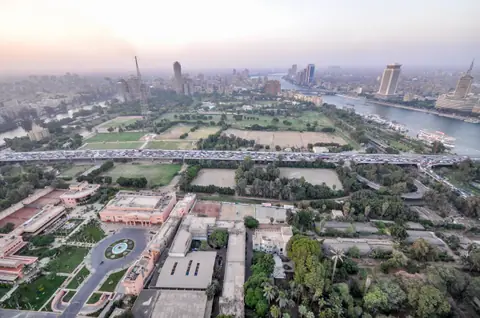
Where to Stay in Cairo: Zamalek, Garden City, Downtown and Giza
Cairo, Egypt
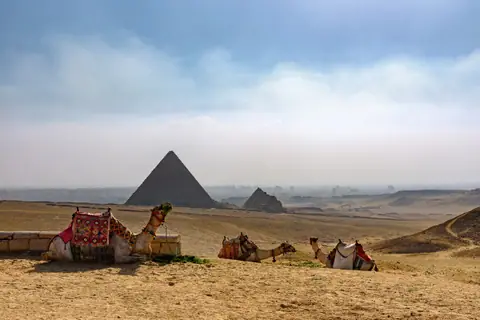
3 Days in Cairo: Giza and GEM, Royal Mummies, and Historic Islamic Cairo
Cairo, Egypt
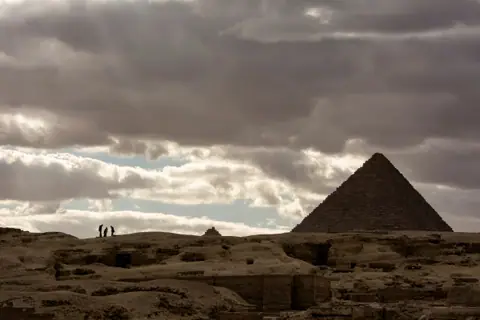
Giza Pyramids, Great Sphinx and Valley Temple Guide
Cairo, Egypt
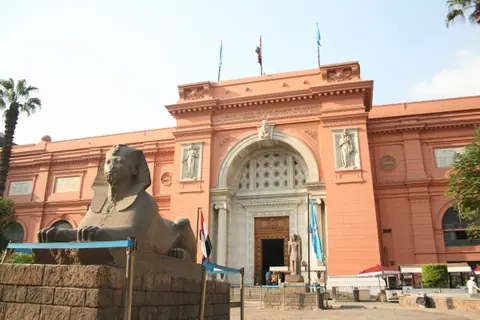
Cairo's Three Great Museums Compared: GEM, 1902 Tahrir Museum & NMEC Royal Mummies
Cairo, Egypt
