What to Wear in Cairo: Mosque Etiquette, Desert Footwear and Seasonal Packing
Master Cairo dress etiquette with practical guidance on modest clothing for historic mosques, desert footwear for limestone pyramids, and winter evening layers.
Packing for a journey to Cairo requires balancing three distinct physical realities. Travellers must navigate intense desert sunlight across open archaeological plateaus, follow conservative dress etiquette inside historic places of worship, and prepare for surprisingly brisk desert nights during the winter months. Dressing thoughtfully allows you to transition effortlessly between sacred medieval sanctuaries, dusty desert excavations, and modern metropolitan districts.
Egypt is a socially conservative country where modest dress is the prevailing norm for both men and women. While international hotels and contemporary leisure spots in Zamalek permit relaxed casual clothes, everyday street life across the capital rewards clothing that covers the shoulders, chest, and knees. Natural, breathable textiles remain your greatest asset when navigating the city heat.
Mosque Dress Codes and Sacred Etiquette Across Historic Cairo
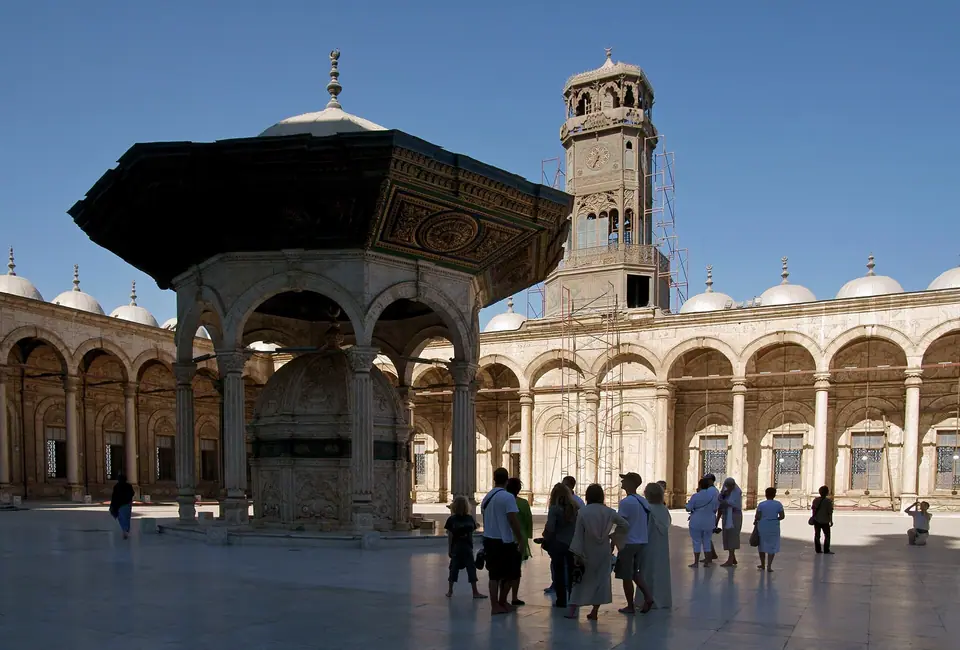
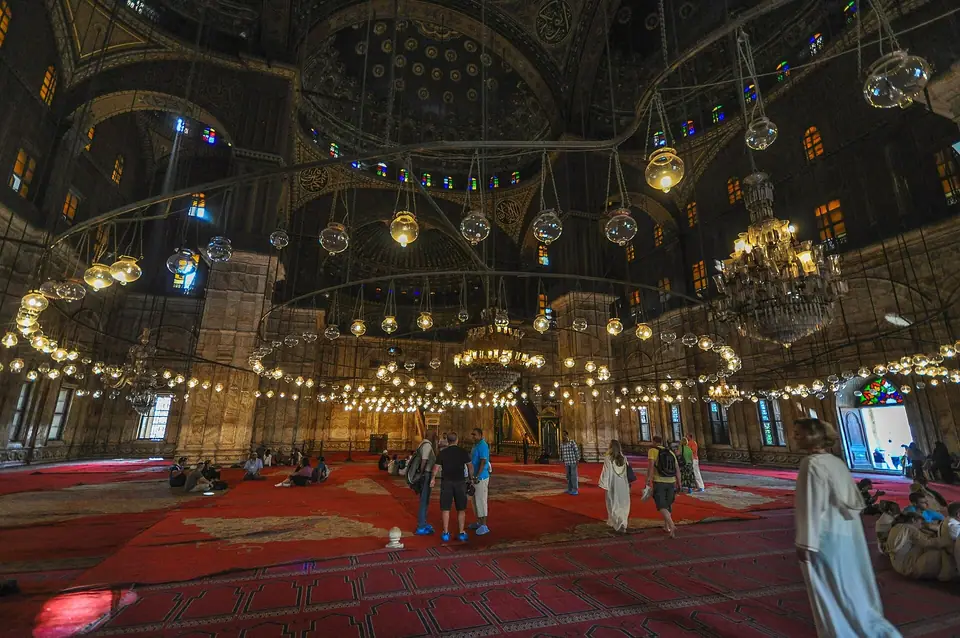
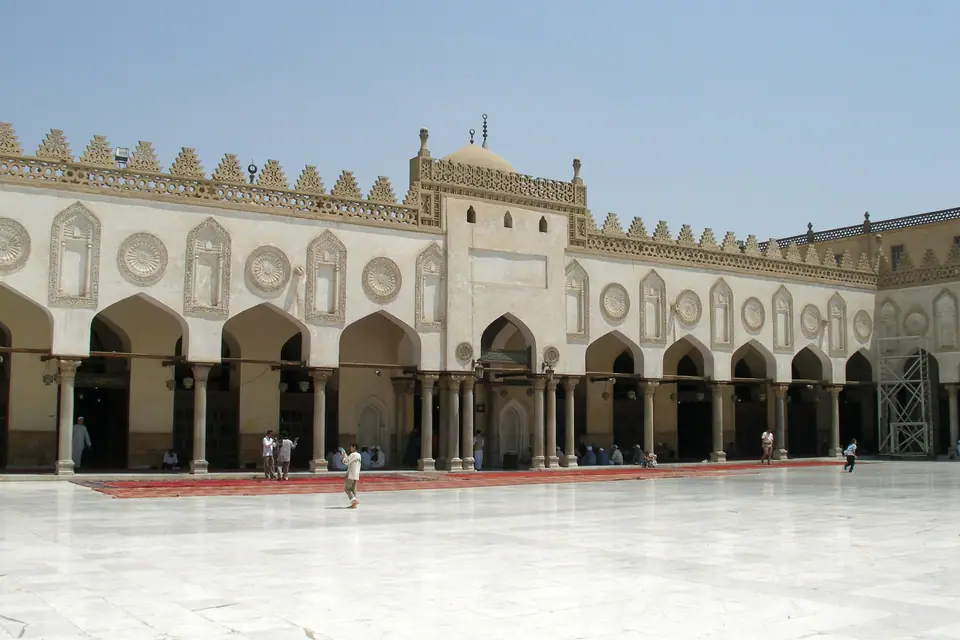
When entering active places of worship, modest dress is both a spiritual requirement and a sign of cultural respect. The rule applies across grand monuments including the Mosque of Muhammad Ali at the Citadel, the Madrasa of Sultan Hassan, Al-Rifa'i Mosque, Al-Azhar Mosque, Ibn Tulun Mosque, and the ancient complex of Amr ibn al-As.
Both men and women must ensure their shoulders and knees remain fully covered before crossing the threshold. For men, this means long trousers rather than shorts, paired with a collared shirt or a modest crew-neck top. Sleeveless athletic shirts are strictly unacceptable in working mosques. Women should wear loose, opaque garments such as ankle-length trousers, midi or maxi skirts, or flowing tunics that conceal the collarbone, upper arms, and legs.
Women visiting active Islamic sanctuaries must also cover their hair. We advise keeping a lightweight cotton, modal, or linen scarf packed in your daily bag so you can easily drape it over your head before entering prayer halls. Inside churches across Coptic Cairo, including the Hanging Church and the Church of Abu Serga, head coverings are not mandatory for female visitors, but covering your shoulders and knees remains essential.
Shoes must be removed at the designated wooden threshold barrier, known as the dukkah, before stepping onto mosque carpeting or central courtyards. Custodians will direct you to leave your shoes on external shelving or hand you a pair of slippers. Packing a fresh pair of dark cotton socks inside your daypack ensures your feet remain clean and protected from cold polished marble or sun-baked stone flags.
Footwear for Limestone Pyramids, Desert Dirt and Medieval Paving
Footwear choices can make or break your sightseeing days across Greater Cairo. Archaeological sites present demanding surfaces that quickly ruin flimsy sandals or thin canvas plimsolls. The desert terrain surrounding the monuments demands thoughtful preparation.
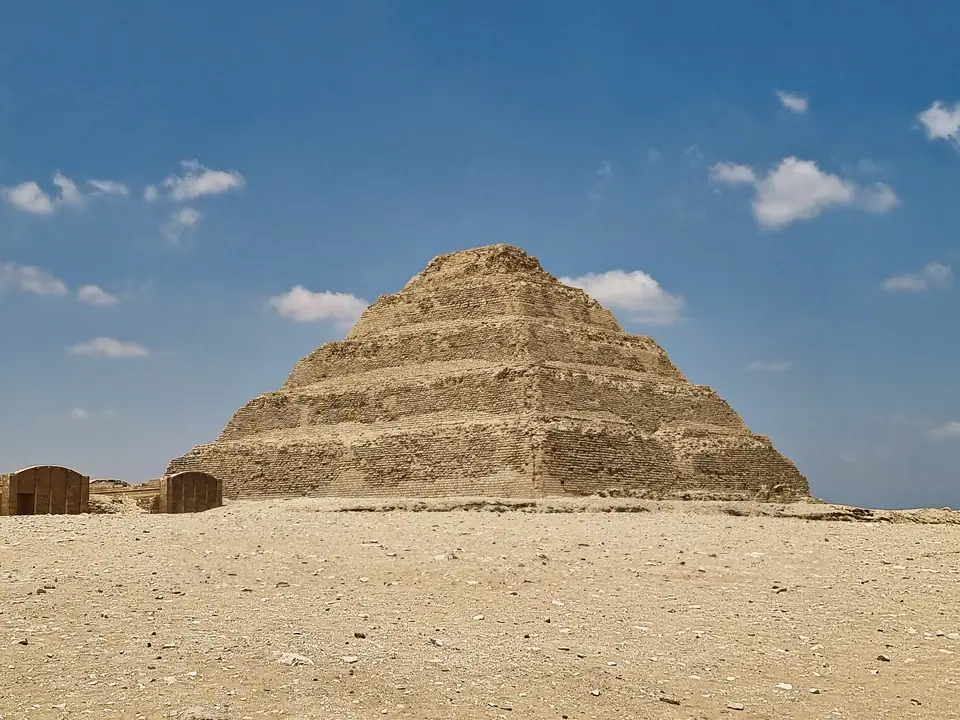
When visiting the Giza Pyramids and the Great Sphinx, you will walk across uneven limestone ledges, windblown desert sand, and steep wooden ascent ramps inside interior burial chambers. The vast necropolis at the Saqqara Step Pyramid features soft sand drifts and crumbling desert shale. Closed-toe walking shoes or cushioned running trainers with deep rubber grip are essential for these excursions. They protect your toes from sharp limestone fragments and prevent fine yellow grit from irritating your feet.
Urban exploration presents equal challenges underfoot. The medieval thoroughfares of Al-Mu'izz Street and Khan el-Khalili feature polished basalt pavers, broken flagstones, and uneven kerbs. Sturdy sneakers absorb the impact of constant walking on hard stone while protecting your feet from city grime and splashing water near market stalls.
Seasonal Packing: Managing Desert Heat and Winter Evening Chills
Cairo sits in an arid desert climate where seasonal shifts dictate your packing strategy. Many first-time visitors mistakenly assume that Egypt remains scorchingly hot throughout the entire year. In reality, the winter months bring crisp winds that require warm layers.
During winter from December to February, daytime conditions are mild and pleasant, with January posting average highs of 19°C. However, once the sun dips below the horizon, desert radiation causes temperatures to fall rapidly to a brisk 10°C. Cold breezes along the Nile Corniche make evening felucca rides chilly, while historic stone interiors and unheated restaurants trap the cool air. We recommend packing a warm woollen jumper, a fleece, or a lightweight packable down jacket to layer over your daytime attire.
From May through September, the situation reverses dramatically. Highs frequently reach 35°C in June, July, and August, accompanied by zero millimetres of rainfall. Synthetic performance fabrics often trap perspiration and produce unpleasant odours under intense sunlight. Pack loose-fitting garments made from pure linen, organic cotton, or lightweight chambray. Broad-brimmed sun hats, UV-blocking sunglasses, and high-factor mineral sunscreen are indispensable tools for shielding yourself on exposed desert plateaus where natural shade is virtually non-existent.
| Season | Expected Temperatures | Key Fabric Choices | Essential Garments |
|---|---|---|---|
| Winter (Dec to Feb) | Highs 19°C to 21°C, Lows 10°C to 11°C | Mid-weight cotton, denim, merino wool, light fleece | Light down jacket, warm jumper, dark cotton socks, closed sneakers |
| Shoulder (Mar, Apr, Nov) | Highs 24°C to 28°C, Lows 13°C to 16°C | Breathable cotton, linen blends, light modal | Linen trousers, button-down shirts, headscarf, light evening cardigan |
| Summer (May to Sep) | Highs 32°C to 35°C, Lows 20°C to 24°C | Pure linen, airy loose cotton, chambray | Wide-brimmed sun hat, UV sunglasses, loose maxi skirt, breathable walking shoes |
| Transitional (Oct) | Highs 30°C, Lows 19°C | Lightweight natural textiles, thin knits | Cotton trousers, loose short-sleeve tops, travel scarf, walking trainers |
Practical Daypack Essentials for Daily Cairo Excursions
Navigating Cairo comfortably requires carrying a compact, secure daypack stocked with specific daily essentials. Pickpocketing can occur in dense bazaars, so choose a bag with sturdy zips that sits securely against your body.
- Modesty Scarf: Keep a soft, breathable scarf rolled tightly inside your bag to quickly cover bare shoulders or wrap hair before entering sacred spaces.
- Extra Cotton Socks: Carry a clean pair of socks to slip into when padding across stone mosque courtyards or cold prayer carpets.
- Hydration and Sun Protection: Carry a refillable insulated water bottle to maintain cool hydration during dry desert sightseeing, along with high-protection sunscreen.
- Cleansing Wet Wipes: Pack biodegradable wet wipes and hand sanitiser to clean limestone dust and market grit from your hands before enjoying local street meals.
- Eyewear and Hat: Wear polarised sunglasses to cut the fierce glare bouncing off pale desert bedrock and whitewashed masonry.
Adhering to these practical wardrobe recommendations ensures you stay comfortable across varied terrain while honouring local traditions throughout your stay in Egypt.
Weather by month
Cairo is warmest in June, with average highs around 35°C, and coldest in January, when nights drop to about 10°C. January is the wettest month by rainfall (14 mm), with rain on about 2 days.
| Month | Low | Range | High | Rain | Rainy days |
|---|---|---|---|---|---|
| Jan | 10°C | 19°C | 14 mm | 2 d | |
| Feb | 11°C | 21°C | 14 mm | 2 d | |
| Mar | 13°C | 24°C | 7 mm | 1 d | |
| Apr | 16°C | 28°C | 7 mm | 1 d | |
| May | 20°C | 32°C | 0 mm | 0 d | |
| Jun | 22°C | 35°C | 0 mm | 0 d | |
| Jul | 24°C | 35°C | 0 mm | 0 d | |
| Aug | 24°C | 35°C | 0 mm | 0 d | |
| Sep | 22°C | 33°C | 0 mm | 0 d | |
| Oct | 19°C | 30°C | 0 mm | 0 d | |
| Nov | 15°C | 25°C | 7 mm | 1 d | |
| Dec | 11°C | 21°C | 14 mm | 2 d |
Averages of daily values from 2015 to 2024. Rainy days are days with at least 1 mm of rain. Source: Open-Meteo · Compare destinations by month.
Where it is
- 1Cairo
- Cairo International Airport (CAI) · about 17 km from Cairo in a straight line
- Directions in Google Maps
Stations and taxi ranks: OpenStreetMap. Airports: OurAirports. Distances are in a straight line.
Traveller tips
Real advice from people who have been to Cairo. Every tip is read by our team before it goes live.
No tips yet. Been here? Yours could be the first.
Thank you! Your tip will appear here after a quick review.
More in Cairo
Continue exploring Cairo with related neighbourhood, food, and planning guides
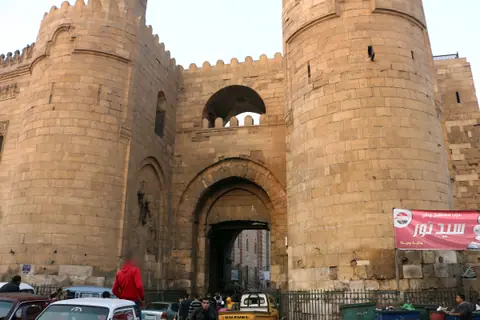
Islamic Cairo Walking Route: Al-Mu'izz Street, Qalawun, Bab Zuweila & Khan el-Khalili
Cairo, Egypt
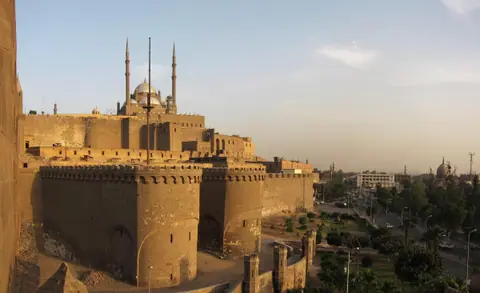
Saladin Citadel, Mosque of Muhammad Ali, Sultan Hassan & Ibn Tulun Guide
Cairo, Egypt
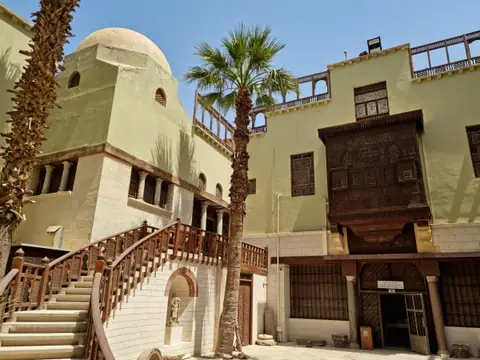
Coptic Cairo: Babylon Fortress, Hanging Church, Abu Serga, Coptic Museum & Ben Ezra
Cairo, Egypt
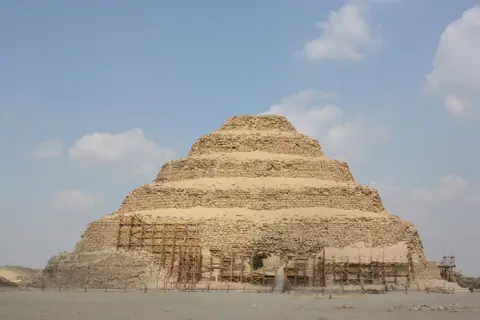
Saqqara Step Pyramid, Serapeum, Memphis & Dahshur Pyramids Day Trip from Cairo
Cairo, Egypt
