Photo: Cayambe
Quito
High in the Ecuadorian Andes, Quito pairs preserved colonial plazas with high-altitude views and modern urban transit linking northern districts to southern terminals.
Quick decisions
How many days?
Plan three full days to explore colonial convents, ascend the volcanic ridge, and adapt to high Andean air before heading further afield.
Where should I stay?
Choose the colonial core for historic courtyards, or head north to La Mariscal and La Carolina for level pavements and metro stations.
Do I need a car?
Avoid driving entirely because colonial streets are narrow and traffic remains dense across peak travel corridors throughout central valleys.
Best for
This mountain capital suits architectural admirers, culture seekers, and hikers preparing for higher trail crossings across volcanic nature reserves.
Before you go
Drink plenty of water on arrival, walk slowly on stone inclines, and carry waterproof jackets for sudden equatorial afternoon showers.
Getting around
Ride the underground metro between Quitumbe and El Labrador, paired with registered yellow taxis for steep evening trips uphill.
Continue your trip
Catch intercity coaches from south terminals toward coastal valleys or continue overland south toward highland centres across Andean passes.
Overview
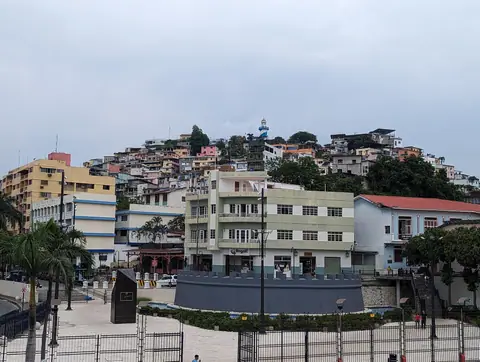
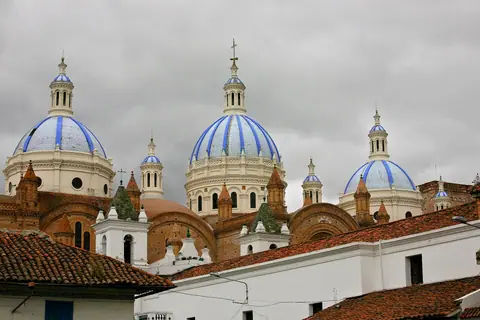
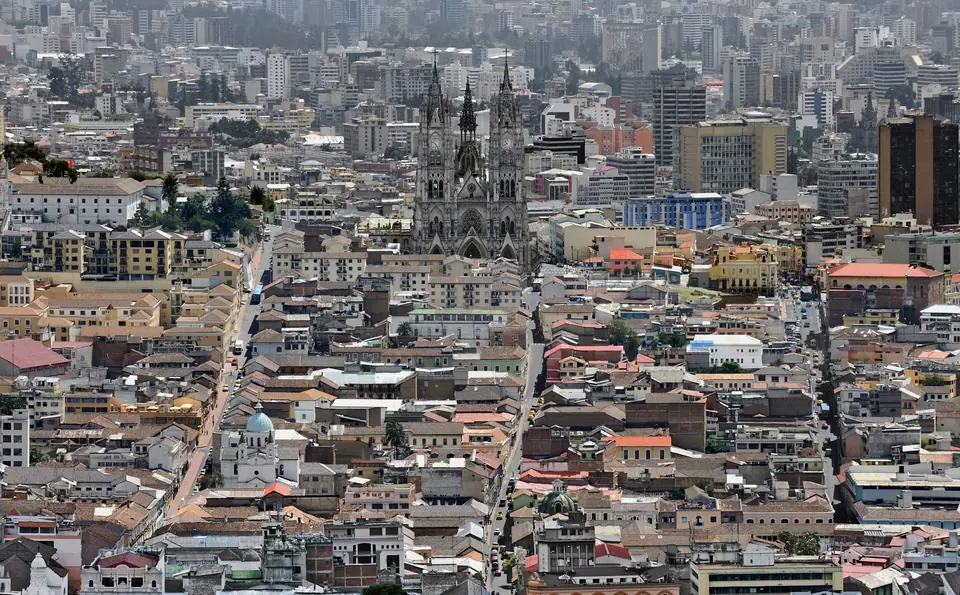
Quito occupies a narrow Andean basin flanked by steep volcanic ridges, creating a linear city stretching tens of kilometres from south to north. Its colonial core holds broad stone plazas, baroque convents, and pastel facades preserved across centuries of highland history. Walking these streets reveals striking mountain backdrops at every junction, where church towers cut into thin equatorial air.
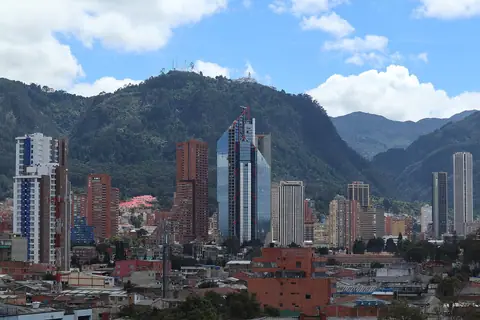
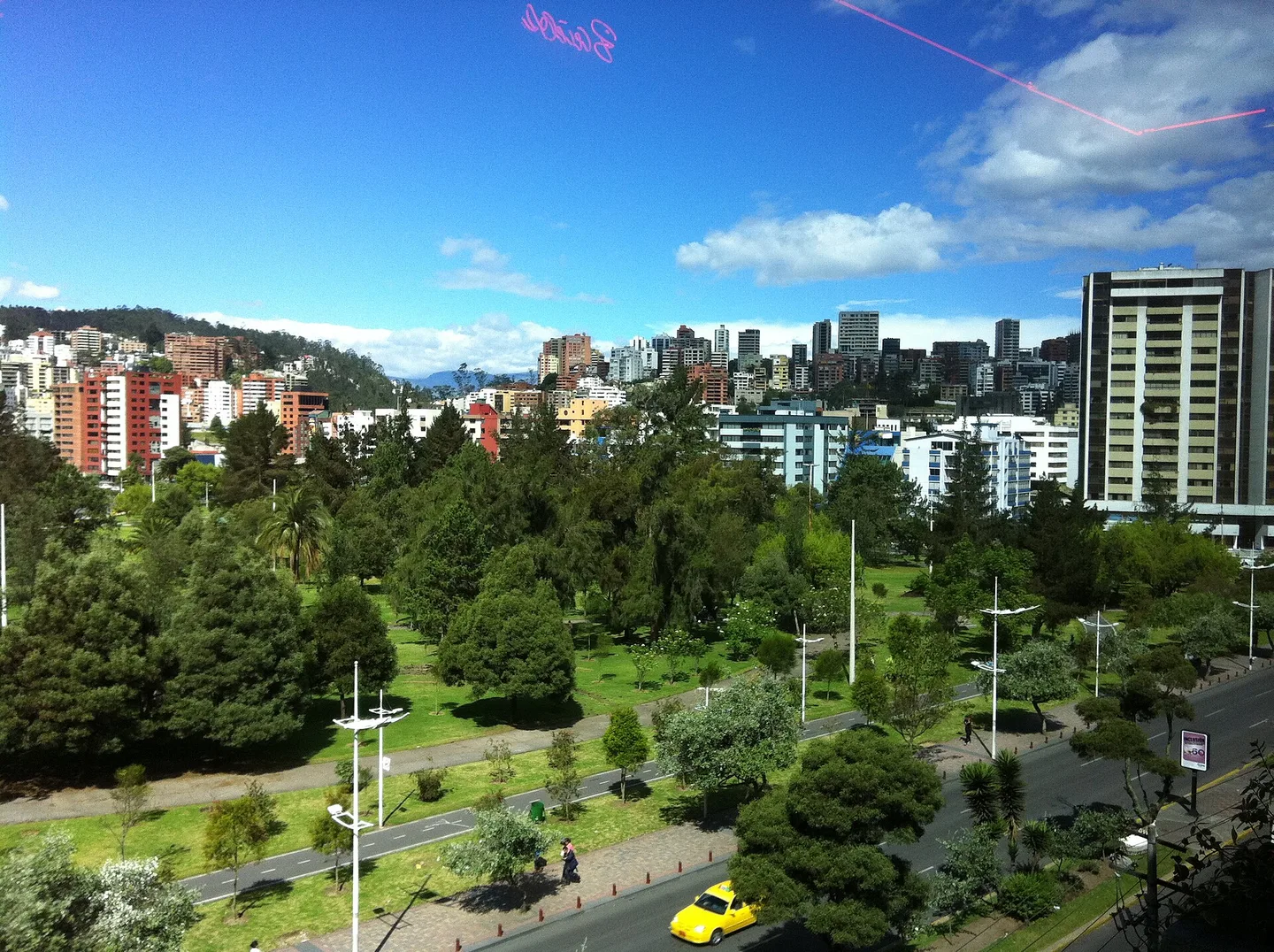
Daily rhythms shift noticeably between early daylight and afternoon. Crisp mountain mornings usually bring clear blue skies, while moist air rising from eastern valleys regularly produces rain by late afternoon. Modern districts in the north feature wide avenues, contemporary parks, and commercial towers, contrasting sharply with the stone steps and tile roofs of traditional residential quarters.
Monthly weather patterns reflect seasonal equatorial shifts across the Andean valley. Average daytime highs range from 17.9°C in March to 21.1°C in September. Nighttime temperatures fall between 8.0°C in June and July and 9.4°C in February. The wettest stretch occurs in March with 396 mm of rainfall across about 26 wet days, while July records the driest conditions with 44 mm across around 10 wet days.
Getting there
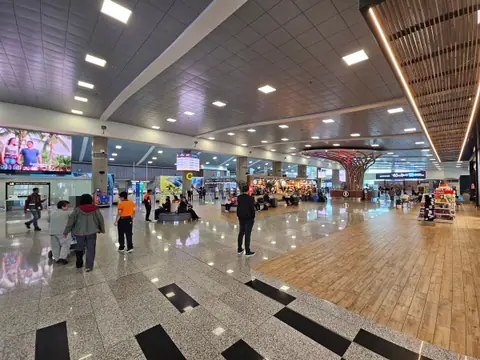
Long-distance flights land at Mariscal Sucre International Airport, located east of the city in the Tababela valley. Public shuttle coaches and registered airport taxis transfer travellers up into town along mountain motorways. Long-distance buses arrive at Quitumbe terminal in the far south or Carcelén in the north.
Underground metro trains run beneath the central valley, linking Quitumbe to El Labrador through core heritage stops. This line lets visitors skip heavy surface traffic across midday peaks. Surface electric buses and trolebús lines supplement the rail corridor along main north-south roads. Check urban corridor and transit notes for station layout details.
Highland highway connections link the capital to regional centres across the inter-Andean corridor. Long-distance coaches operate frequent departures towards southern destinations along the Pan-American Highway. Direct coaches connect through mountain passes towards Ambato, Riobamba, and Cuenca, while coastal routes descend western Andean slopes toward Guayaquil.
Where to stay
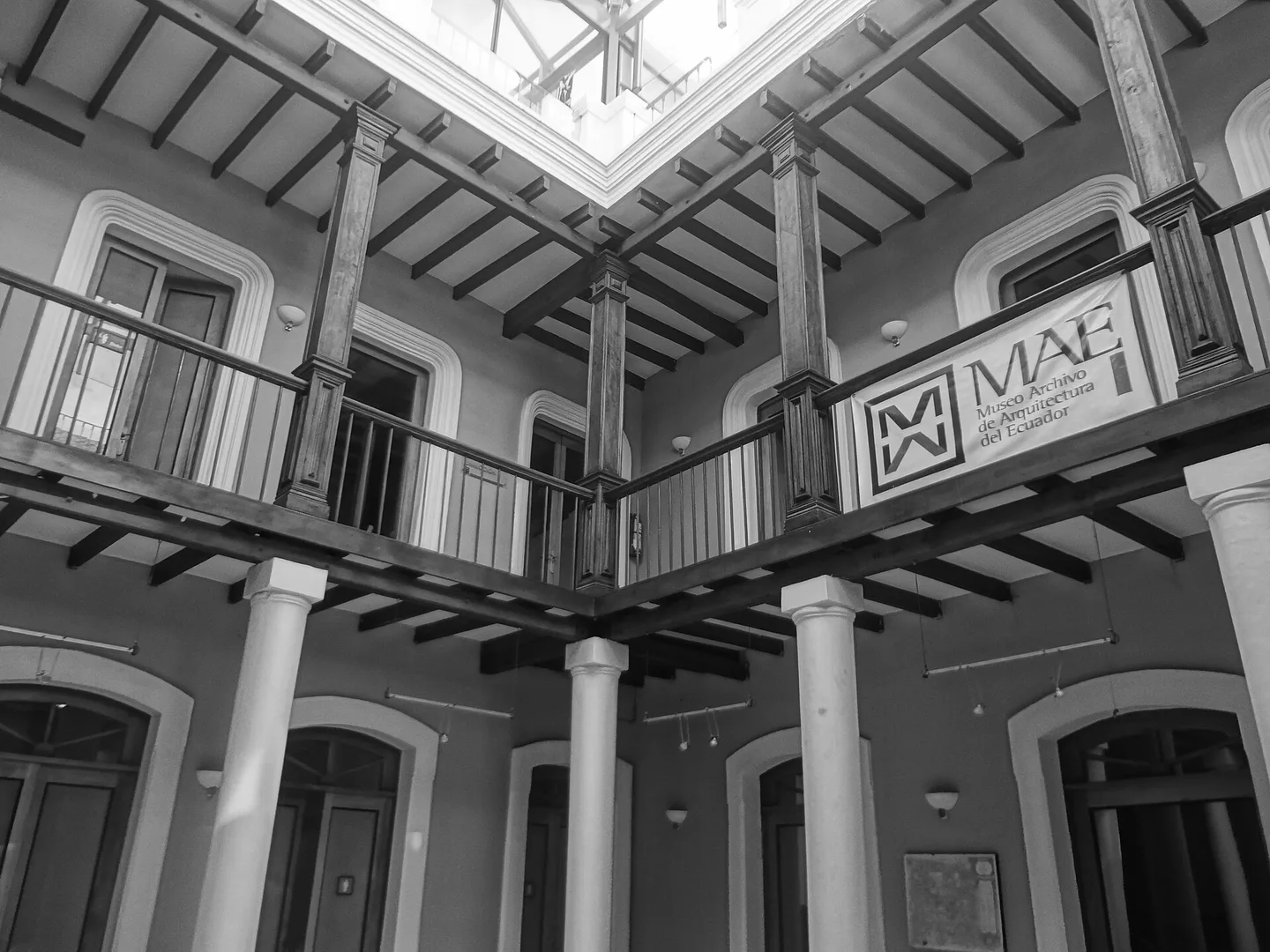
Choosing where to sleep shapes your daily routine. Staying in the Historic Centre puts baroque courtyards and morning church bells right outside your window. However, streets here climb steep hills and grow quiet after dark, making evening taxi rides advisable when returning from northern restaurants. Restored heritage mansions offer quiet interior gardens shielded from street noise.
Travellers prioritising flatter terrain and evening dining often base themselves in La Floresta or around La Carolina park. These northern neighbourhoods contain contemporary hotels, artisan bakeries, and direct access to metro stations. Compare restored mansions with northern park streets in our neighbourhood base breakdown before reserving your mountain room.
Budget guesthouses cluster in traditional sectors near central plazas, giving quick access to historic monuments and museums. Residential streets further north around González Suárez offer modern apartment rentals with expansive valley views across eastern slopes. Quiet residential pockets allow sound sleep away from crowded transit corridors.
Things to do
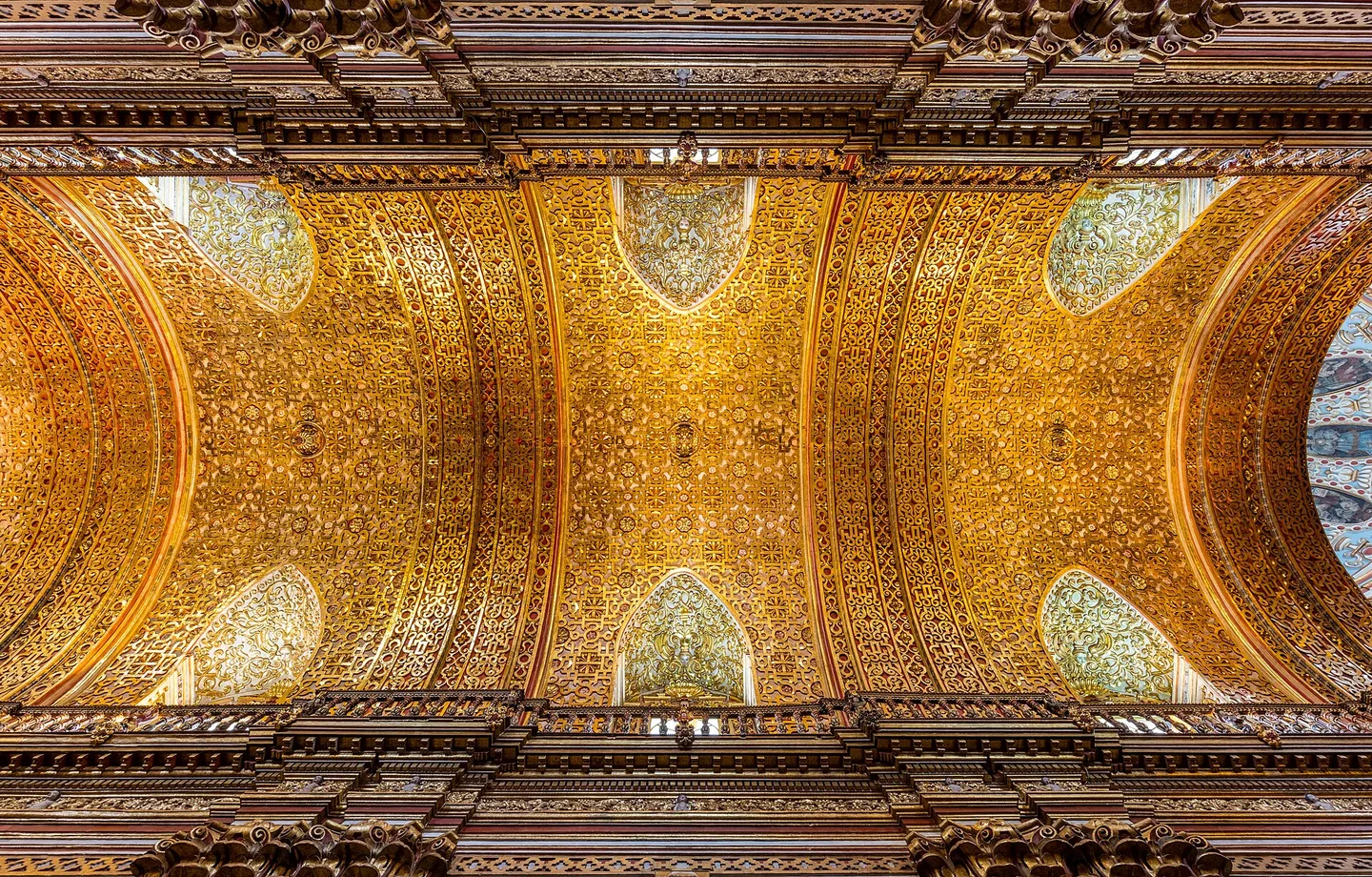
Begin your sightseeing at Plaza Grande, surrounded by the Metropolitan Cathedral and government palace, before walking toward the gilded sanctuary of La Compañía de Jesús. The vast stone terrace of San Francisco convent opens directly onto cobbled alleys leading toward traditional workshops along Calle La Ronda. Take time to sit on plaza benches and observe daily local life.
Ascend El Panecillo hill for a wide perspective across the entire valley, or ride the mountain cable car up Cruz Loma to reach alpine grassland. Pair colonial plazas and highland trails with our timed three-day Andean route to pace excursions without exhaustion.
Historic churches display elaborate colonial woodwork and gilded altars dating back several centuries. San Agustín convent features peaceful inner cloisters lined with oil paintings and stone arches. The Basilica del Voto Nacional dominates the northern edge of the historic quarter, where stone gargoyles depict native Ecuadorian fauna including iguanas and tortoises.
Food and drink
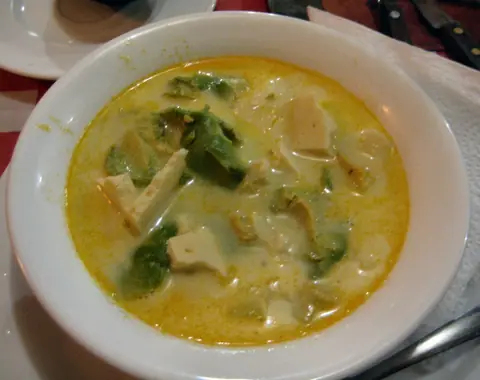
Highland cooking revolves around hearty root vegetables, mountain corn, and warm broths that cut through chilly Andean evenings. Sample locro de papa, a creamy potato soup prepared with fresh cheese and sliced avocado, or enjoy slow-roasted pork hornado accompanied by mote and fried plantains at traditional market stalls.
Central food markets offer freshly squeezed fruit juices alongside warm plates of seco de chivo and golden empanadas de viento dusted with sugar. Pair afternoon coffee with local highland chocolate, which producers cultivate across cloud forest slopes descending toward the coast.
Traditional bakeries across the old quarter serve quesadillas and warm pan de yuca throughout late afternoon tea hours. Modern dining rooms in La Floresta experiment with native Andean grains such as quinoa and amaranth. Street vendors roast sweet maize cobs over open charcoal braziers along busy residential avenues.
Culture
Religious traditions and indigenous Andean customs intertwine across everyday urban routines. Inside heritage churches, dress modestly, keep voices low, and follow photography restrictions, particularly around active prayer chapels. Craftsmen still practise wood carving, gold leaf gilding, and hat making along preserved colonial lanes.
Altitude adjustment requires patience during your opening hours in town. Walk at an unhurried pace on staircases, drink mineral water regularly, and avoid heavy meals immediately after arrival. Evenings can turn cold quickly once the sun dips behind Pichincha, so always carry a warm outer layer when setting out for dinner.
Cultural centres and public art spaces host regular musical recitals and historical exhibitions across converted colonial mansions. Local markets display hand-woven woollen textiles and carved tagua ornaments brought from surrounding highland craft communities. Respecting quiet residential hours and local customs enriches your interaction with neighbourhood residents.
Official prices and opening hours
- Metro de Quito (Quitumbe – El Labrador)Official site ↗
- TelefériQo Cruz Loma Cable CarOfficial site ↗
Weather by month
Quito is warmest in September, with average highs around 21°C, and coldest in June, when nights drop to about 8°C. March is the wettest month by rainfall (396 mm), with rain on most days. For mild weather with fewer rainy days, aim for May, June, July, August, September and October.
| Month | Low | Range | High | Rain | Rainy days |
|---|---|---|---|---|---|
| Jan | 9°C | 18°C | 320 mm | 23 d | |
| Feb | 9°C | 18°C | 315 mm | 23 d | |
| Mar | 9°C | 18°C | 396 mm | 26 d | |
| Apr | 9°C | 18°C | 288 mm | 24 d | |
| May | 9°C | 18°C | 136 mm | 19 d | |
| Jun | 8°C | 18°C | 70 mm | 13 d | |
| Jul | 8°C | 19°C | 44 mm | 10 d | |
| Aug | 8°C | 21°C | 50 mm | 11 d | |
| Sep | 8°C | 21°C | 75 mm | 12 d | |
| Oct | 9°C | 20°C | 221 mm | 22 d | |
| Nov | 9°C | 19°C | 335 mm | 26 d | |
| Dec | 9°C | 18°C | 305 mm | 24 d |
Averages of daily values from 2015 to 2024. Rainy days are days with at least 1 mm of rain. Source: Open-Meteo · Compare destinations by month.
Quito on the map
Every place we cover in Quito. Tap a category or pin to explore.
In-depth Quito guides
Browse the guides grouped by topic: sights, neighbourhoods, food, transport, day trips and trip planning.
Sights, Landmarks & Parks
Key monuments, viewpoints, museums and nature trails.
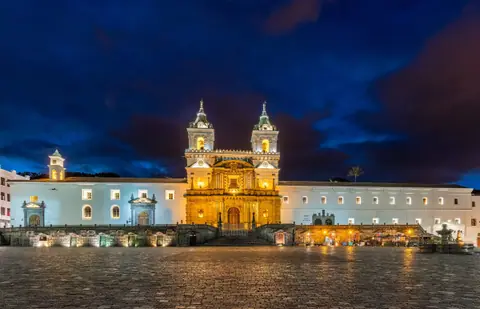 Top Sights Across Quito: Colonial Monasteries, Volcano Heights and Pichincha SlopesDramatic volcanic ridges, centuries of gilded monastic architecture, and high Andean rail routes span across Ecuador capital basin.
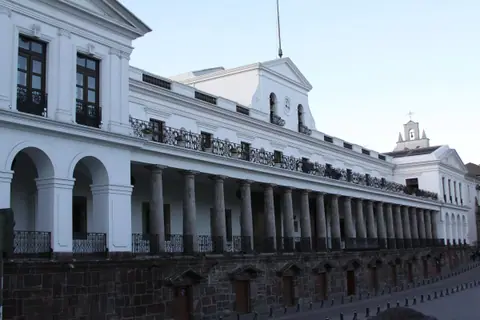 Plaza Grande, Carondelet Palace, and Quito Cathedral Field GuidePlaza Grande forms the civic core of the historic centre, flanked by the presidential palace and the metropolitan cathedral.
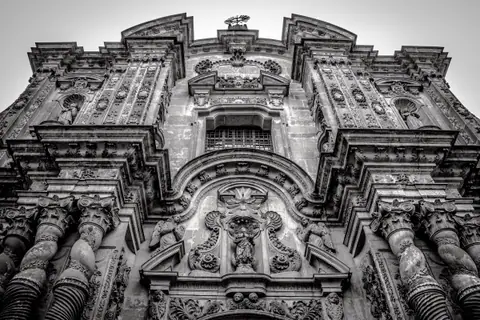 Visiting La Compañía de Jesús and Quito Baroque Gold ChurchesGilded cedar interiors, volcanic andesite facades, and Moorish mudéjar ceilings define the historic religious heart of Old Town Quito.
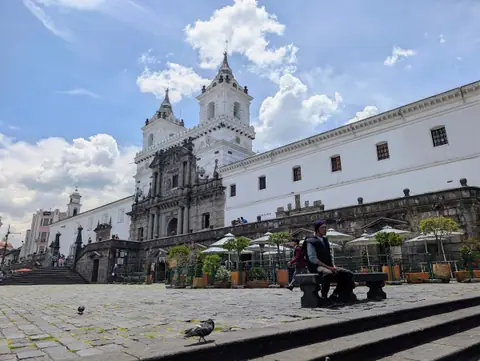 Plaza San Francisco, Convent Heritage and Calle La RondaVolcanic flagstones of Plaza San Francisco lead into quiet Franciscan courtyards before rambling down to historic Calle La Ronda.
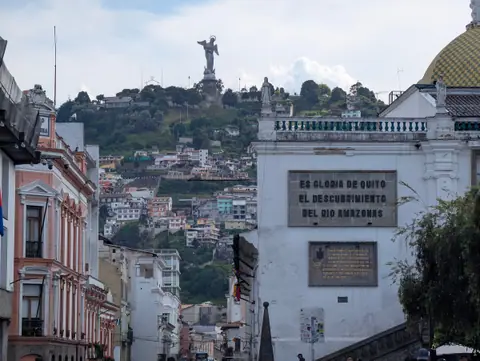
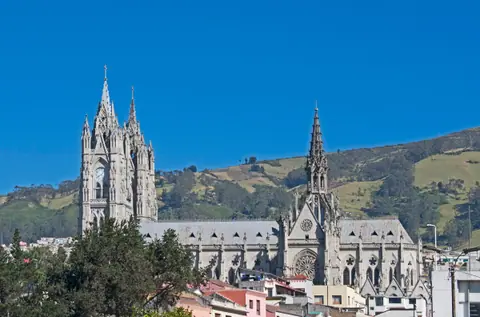 Basilica del Voto Nacional and the Virgin of El Panecillo Field GuideWe survey the grand spires of Basilica del Voto Nacional and the soaring aluminium monument atop El Panecillo across central Quito.
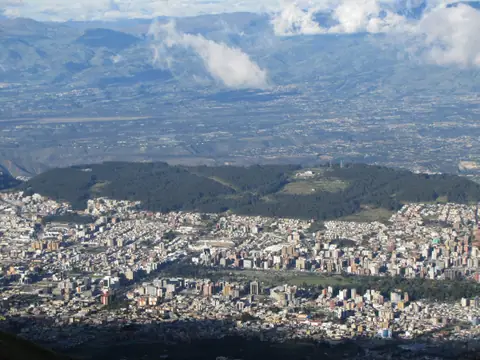 TelefériQo Cruz Loma and Pichincha Volcano Walking GuideSoaring above the Andean capital, the TelefériQo carries travellers up the western volcanic slopes to Cruz Loma and high-altitude mountain trails.
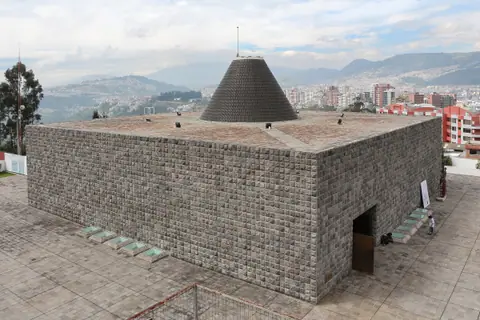 Capilla del Hombre, Guayasamín Museum, MuNa and La FlorestaModern Ecuadorian fine art, dramatic hillside vistas, and creative culinary quarters define this engaging northern district circuit through modern Quito.
Neighbourhoods & Where to Stay
Districts, historic quarters and the best bases for your stay.
Food & Drink
Local dishes, markets, cafés and dining districts.
Getting Around & Arrival
Airport transfers, public transit, passes and driving rules.
Day Trips & Excursions
Easy half-day and full-day trips from the city.
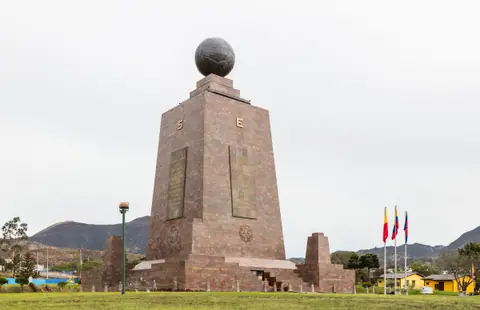 Ciudad Mitad del Mundo and Pululahua Volcanic Crater Field GuideEquatorial monuments at Ciudad Mitad del Mundo meet the nearby agricultural caldera of Pululahua north of central Quito.
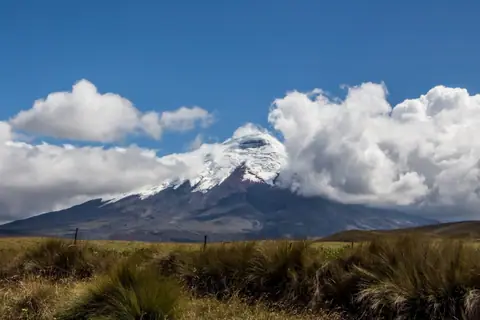 Cotopaxi and Otavalo Excursions from QuitoTravelling south to active volcanic highlands or north towards indigenous textile centres reveals two distinct day journeys outside central Quito.
Trip Planning & Itineraries
When to visit, what to pack and day-by-day routes.
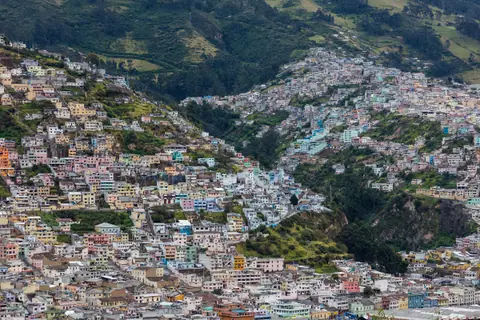 Quito: Essential Planning for Ecuador's Andean CapitalHigh-altitude Andean streets, colonial architecture, and modern underground rail weave across the equatorial capital of Ecuador.
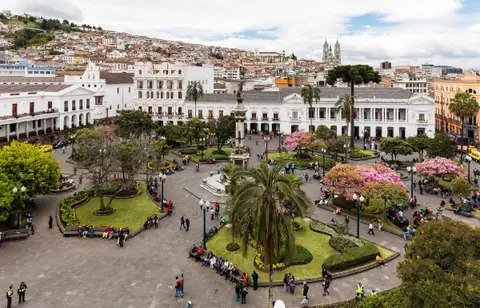 Quito Seasonal Guide: Dry Verano, Andean Skies and Walking RhythmsHigh Andean weather shapes every outing in Ecuador capital, where dry mornings give way to rapid cloud shifts and afternoon mountain showers.
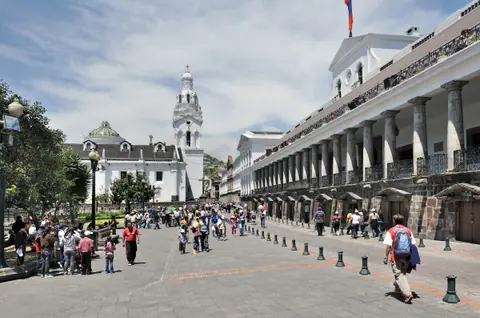 Three Days in Quito: Historic Quarters, High Ridges, and Equatorial ValleysWe organise three balanced days across colonial courtyards, Andean cable car tracks, and equatorial valleys using straightforward urban routes.
Need your embassy or consulate in Ecuador? See embassies and consulates in Ecuador.
Reviews
Log in to write a review.
No reviews yet.