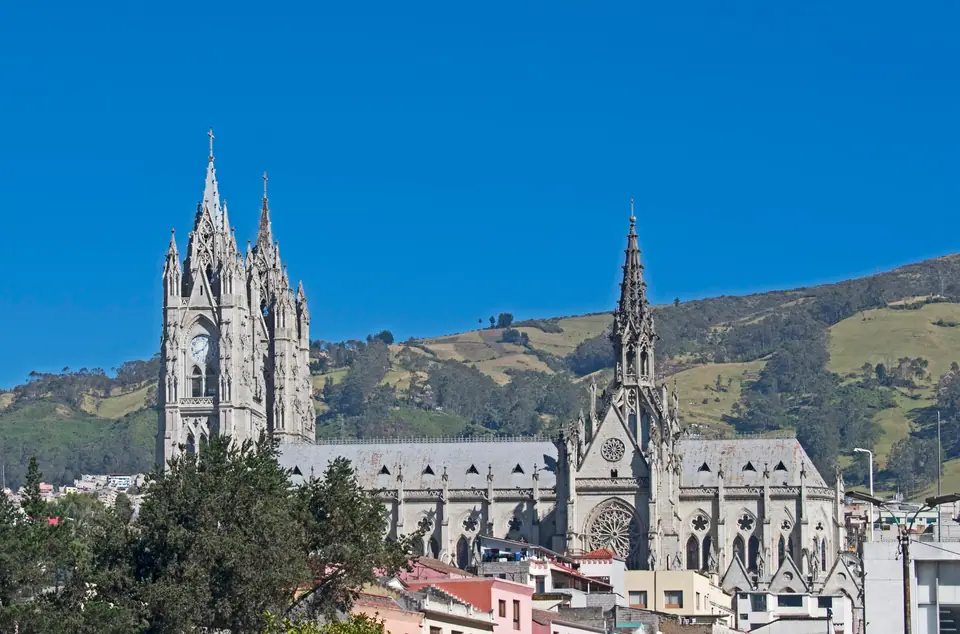
Photo: Ymblanter
Basilica del Voto Nacional and the Virgin of El Panecillo Field Guide
We survey the grand spires of Basilica del Voto Nacional and the soaring aluminium monument atop El Panecillo across central Quito.
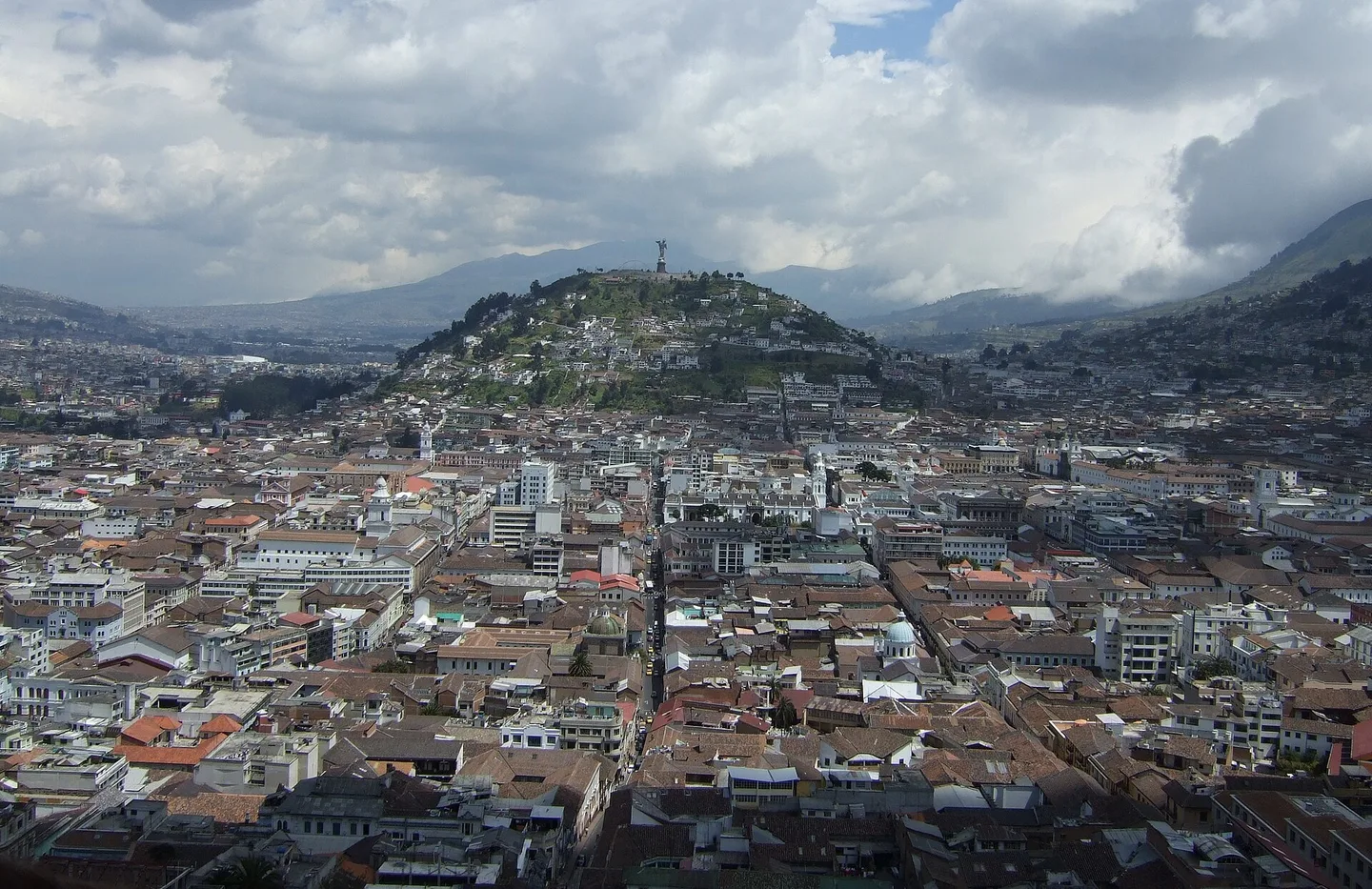
Quito sits high along the Andean spine, framed by dramatic volcanic ridges that shape every street perspective. Two prominent landmarks define the north-south axis of the historic district, serving as visual compass points across the urban valley. At the northern edge of the historic quarters rises the Basilica del Voto Nacional, crowned with slender towers and carved stonework. Gazing southward across the tiled rooftops, we see the summit of El Panecillo, where a massive winged statue watches over the capital.
Ascending the Neo-Gothic Spires of the Basilica
The Basilica del Voto Nacional presents a striking departure from traditional Spanish colonial baroque churches scattered across the historic core. Its towering facade, pointed arches, and ribbed vaults reflect grand European cathedrals while incorporating native Ecuadorian fauna into exterior details. Instead of classical European gargoyles, stone carvers shaped iguanas, armadillos, tortoises, and condors along the flying buttresses and parapets. These distinctive regional touches ground the sanctuary firmly within the natural heritage of the Andean highlands and coastal ecosystems.
We can ascend the elevated levels of the sanctuary through interior staircases that lead along the wooden catwalk above the central nave. Moving forward toward the primary towers requires steady footing on steep metal stairs exposed to mountain breezes. Reaching the upper platforms rewards travellers with unobstructed views across the grid of San Juan and the central historic square. You can review our selection of historic monuments and cultural sights in Quito to coordinate your time between church towers.
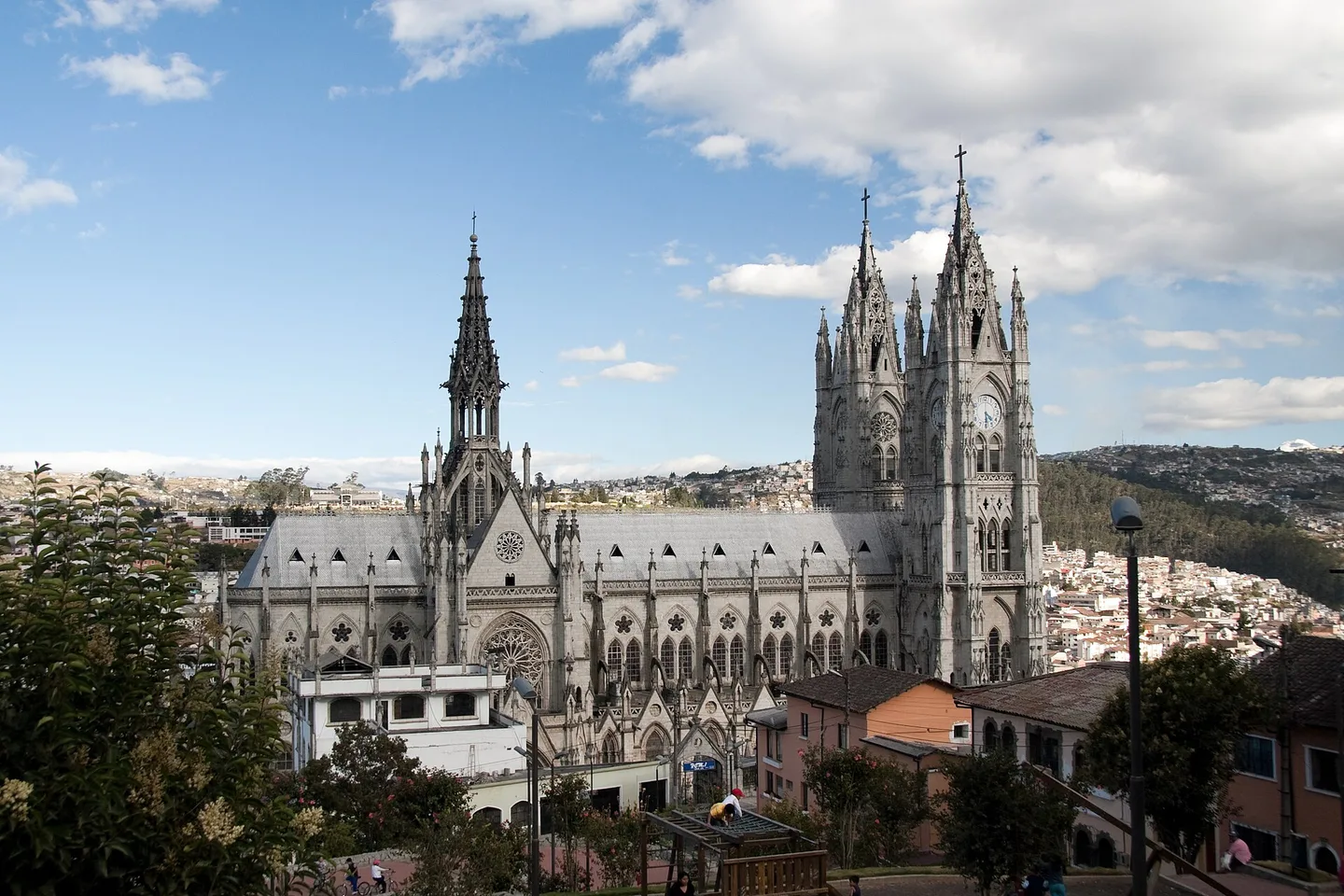
Inside the church, natural light filters through extensive stained glass windows, splashing blue, violet, and gold tones across the stone pillars. The nave maintains a calm, contemplative atmosphere that contrasts with the energetic traffic running down Calle Carchi outside. We recommend spending time walking the exterior perimeter along Plaza de la Basilica to admire the sheer scale of the spires. The hillside elevation gives the northern facade an imposing presence that appears in panoramas from across the southern ravines.
The construction history of the Basilica reflects decades of dedicated stone craft across generations of local stonemasons. Builders quarried volcanic ashlar blocks from surrounding Andean slopes to assemble the monumental nave and vaulted ceilings. As you climb higher past the triforium, the scale of the structural buttressing becomes obvious from every angle. Each stone animal carving pays direct tribute to the fragile biodiversity of the Galápagos Islands and mainland nature reserves.
Connecting the Old Town Foothills to El Panecillo
Connecting the Basilica with the southern ridge of El Panecillo requires moving through the core colonial district. El Panecillo itself is a natural volcanic hill rising abruptly above the surrounding residential districts, resembling a small loaf of bread. The geographic formation served pre-Inca cultures as an astronomical and religious vantage point long before modern settlements lined the slopes. Today, the rounded green mound marks the historic threshold of colonial Quito, dividing old quarters from spreading outer suburbs.
While walking through historic plazas offers scenic street views, the steep pedestrian staircases climbing the flanks of El Panecillo require caution. Isolated footpaths along the hillside can present security issues for independent walkers carrying camera gear or backpacks. We strongly advise taking an authorised taxi or city bus directly from the Old Town up to the summit car park. You can check our advice on urban transit and mountain arrivals before setting out across town.
Here is how we contrast access, physical exertion, and viewing perspectives between the two prominent landmarks:
| Monuments and Ridges | Approach and Transit | Primary View Highlights |
|---|---|---|
| Basilica del Voto Nacional | Walkable from northern Old Town streets with steep interior tower stairs | Close perspective over colonial tiles, Pichincha slopes, and central plazas |
| Virgin of El Panecillo | Paved vehicle roadway accessible by authorised taxi or public shuttle | Wide southern panorama over historic churches, valley ridges, and distant peaks |
The Winged Virgin and Southern Skyline Vistas
At the apex of El Panecillo stands the monumental Virgin of Quito, constructed from thousands of individual aluminium plates. Designed by Spanish sculptor Agustín de la Herrán Matorras, the figure takes inspiration from the famous eighteenth-century Bernardo de Legarda wooden sculpture. Unlike traditional representations of the Madonna, this colossal statue features large angel wings spread wide against the high Andean sky. The figure stands atop a stone globe, stepping upon a serpent in accordance with biblical imagery from Revelation.
A stone pedestal beneath the aluminium structure houses an exhibition level that leads onto an open circular observation gallery. From this elevated platform, the entire historic heart of the capital unrolls directly below our feet like an architectural map. We can trace the spires of the Basilica to the north, alongside the domes of La Compañía and San Francisco. On clear mornings, snow-capped Andean volcanoes punctuate the distant horizon, creating an impressive alpine backdrop behind the colonial street grid.
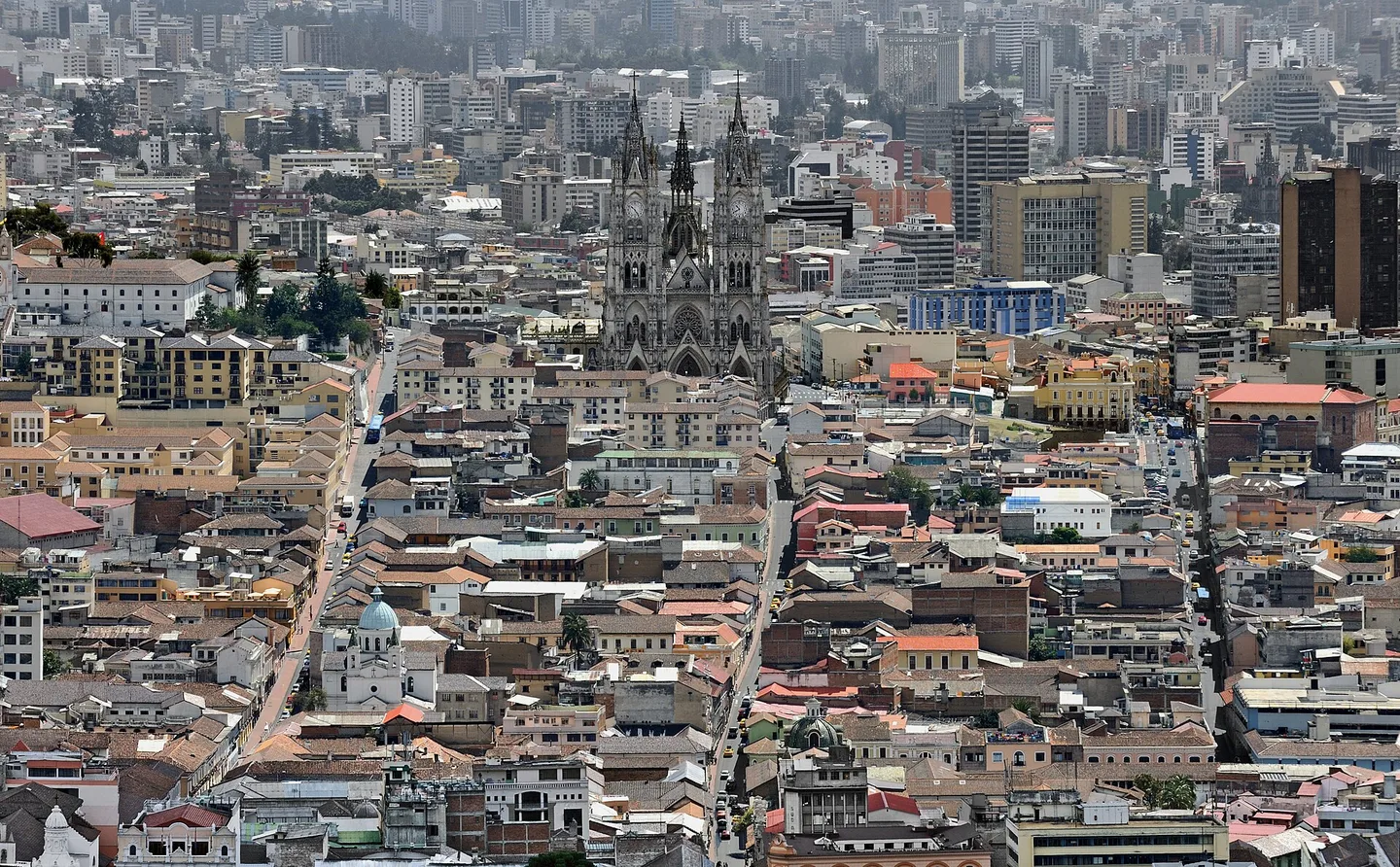
The aluminium panels catch changing light throughout the day, shifting from bright silver at midday to warm ochre before sunset. Strong mountain winds frequently whistle through the open observation balcony, underscoring the sheer exposure of this volcanic peak. Walking along the outer perimeter reveals modern southern neighbourhoods sprawling across rolling terrain far beyond the colonial perimeter. Small handicraft stalls and family food kiosks operate near the parking terrace, offering hot canelazo and fried plantains.
Route Coordination and Altitude Considerations
Both landmarks sit at significant elevations where thin mountain air affects physical stamina during sustained climbing. The base of Quito rests over two thousand metres above sea level, making steep ladders and uphill ramps noticeably demanding. We recommend planning the Basilica climb after you have rested and acclimatised to the altitude for at least a day. Pace your ascent up the tower stairs slowly, taking advantage of resting landings along the intermediate wooden walkways.
- Begin at the Basilica in early morning to secure clear light on the carved stonework before clouds gather over Pichincha.
- Travel by registered taxi through Old Town traffic to reach the crest of El Panecillo without tiring yourself on steep residential lanes.
- Confirm current tower admission schedules directly on official municipal portals before arriving on site.
- Carry a warm windproof layer, as breezy gusts frequently sweep across the exposed viewing platforms atop both monuments.
Pairing these twin monuments offers a wide understanding of how Quito grew across complex mountain topography over centuries. Standing atop the northern towers and the southern volcanic hill helps you visualise the full scope of the historic preservation zone. Take time to savour both viewpoints, noting how regional ecology and religious tradition intertwine throughout the high Andean capital.
Official prices and opening hours
- Metro de Quito (Quitumbe – El Labrador)Official site ↗
- TelefériQo Cruz Loma Cable CarOfficial site ↗
Where it is
- 1Basilica del Voto Nacional and the Virgin of El Panecillo Field
- Mariscal Sucre International Airport (UIO) · about 20 km from here in a straight line
- Directions in Google Maps
Stations and taxi ranks: OpenStreetMap. Airports: OurAirports. Distances are in a straight line.
Traveller tips
Real advice from people who have been to Quito. Every tip is read by our team before it goes live.
No tips yet. Been here? Yours could be the first.
Thank you! Your tip will appear here after a quick review.
More in Quito
Continue exploring Quito with related neighbourhood, food, and planning guides
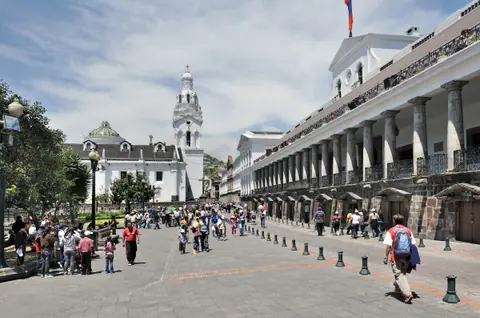
Three Days in Quito: Historic Quarters, High Ridges, and Equatorial Valleys
Quito, Ecuador
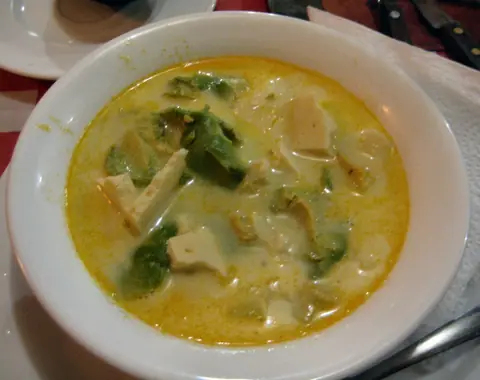
Quito Food Guide: Highland Soups, Hornado and Street Flavours
Quito, Ecuador
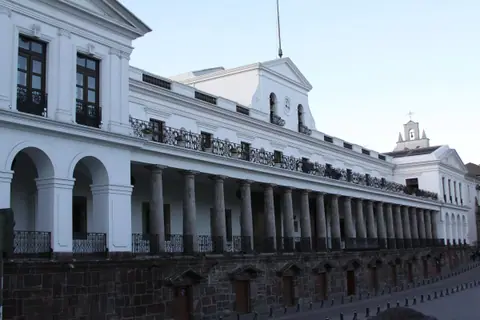
Plaza Grande, Carondelet Palace, and Quito Cathedral Field Guide
Quito, Ecuador
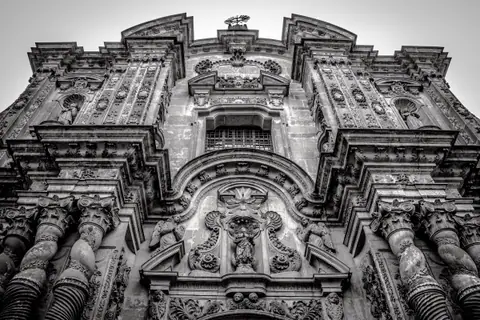
Visiting La Compañía de Jesús and Quito Baroque Gold Churches
Quito, Ecuador
