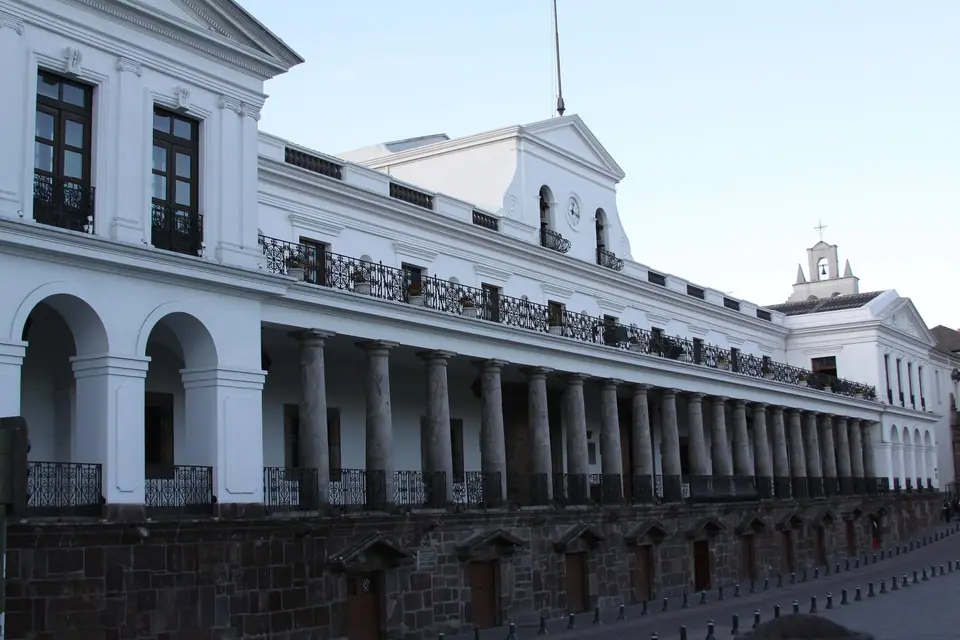
Photo: Taty2007
Plaza Grande, Carondelet Palace, and Quito Cathedral Field Guide
Plaza Grande forms the civic core of the historic centre, flanked by the presidential palace and the metropolitan cathedral.
Navigating Plaza Grande and Surrounding Monuments
Plaza Grande stands at the civic heart of old Quito, bringing together political authority and religious heritage across paved stone terraces. The formal square, also called Plaza de la Independencia, gathers locals and travellers beneath towering native palms and ornamental stone benches. Flanked by significant municipal and governmental landmarks, the open space offers an immediate introduction to the colonial urban grid. Check central valley transit routes for orientation before wandering the steep colonial core.
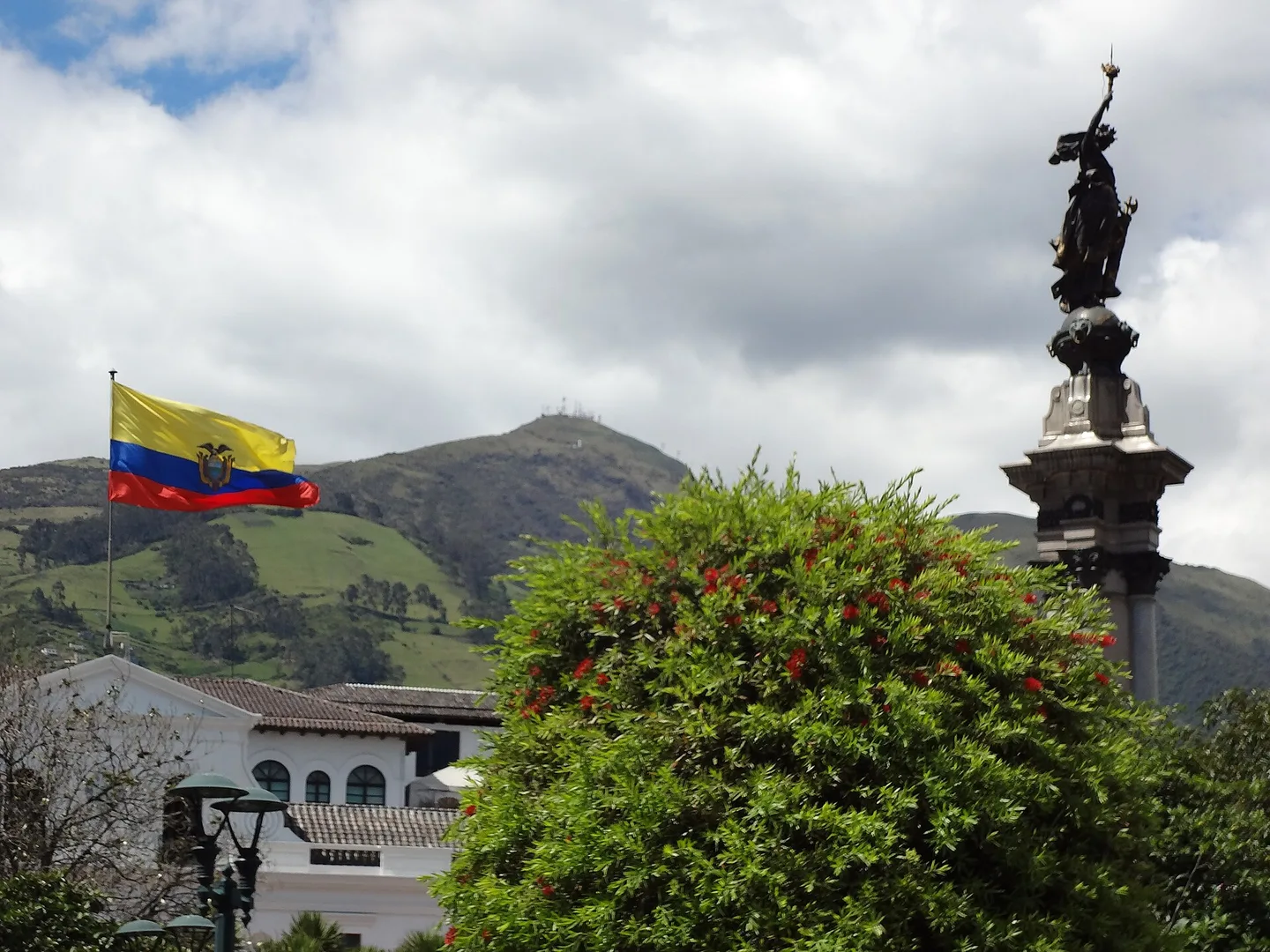
The central monument honours national independence, rising above neat flowerbeds and broad pedestrian paths that stay active throughout the afternoon. From this vantage, stone facades frame each corner of the perimeter, reflecting centuries of civic evolution and administrative power. You will observe government guards on duty, street musicians playing traditional Andean melodies, and elder residents reading morning newspapers under shaded verandas. The open stone esplanades invite steady pacing while adjusting to the high mountain air.
Architectural Presence of Carondelet Palace
Along the western side of the square stands Palacio de Carondelet, functioning as the primary seat of the national government. Its whitewashed neoclassical colonnade spans the length of the block, lifted above street-level commercial arcades filled with traditional craft shops and barbers. Yellow, blue, and red national flags fly from the central roofline, marking active executive chambers within the historic complex. The formal entrance presents carved timber doors, stone staircases, and interior courtyards designed around tranquil central fountains.
The building represents both administrative rule and communal tradition, drawing steady crowds to its wide stone terrace. Ceremonial guard shifts take place outside the main portals, showcasing heritage uniforms beside polished brass railings. Visitors often pause along the stone balustrade to look across the open public plaza below. Walking beneath the ground-floor arches reveals traditional sweet shops and craft workshops operating within the historic stone vaults.
| Square Facade | Primary Monument | Architectural Character |
|---|---|---|
| Western Edge | Palacio de Carondelet | Neoclassical colonnade, administrative halls, deep courtyards |
| Southern Edge | Metropolitan Cathedral | Gothic arches, Moorish ceilings, stone portico |
| Eastern Edge | Archbishop Palace | Colonial arcades, open central patio, traditional cafes |
| Northern Edge | Municipal Palace | Mid-century stone facade, civic offices, covered walkways |
The Metropolitan Cathedral and Sacred Art
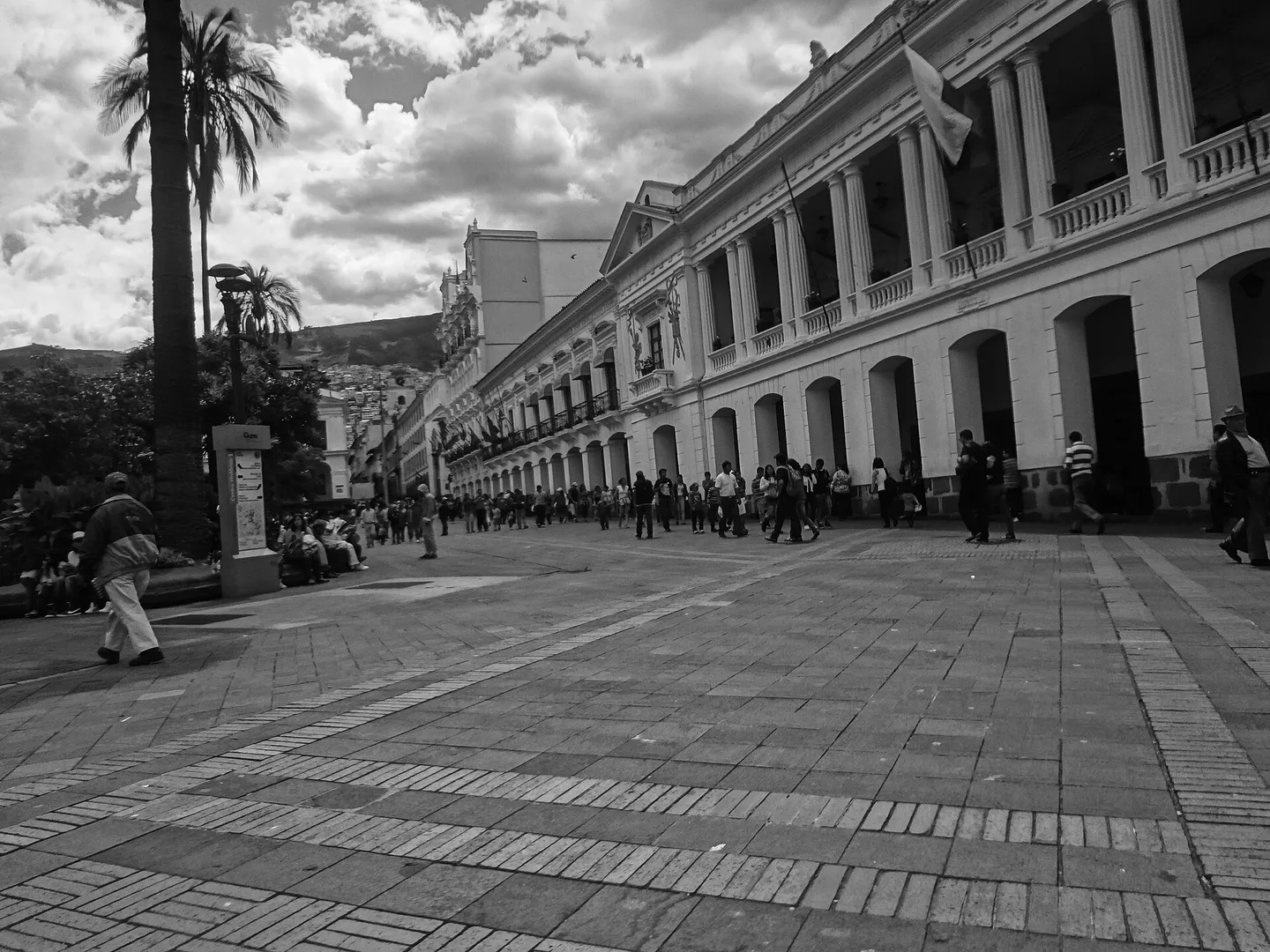
The southern edge of the plaza belongs to the Metropolitan Cathedral of Quito, one of the oldest religious structures in South America. A broad stone atrium elevated above the street protects the church from heavy street traffic, lined by stone carved spheres and balustrades. The exterior combines austere sixteenth-century stonework with later neoclassical additions, resulting in a distinct multi-layered profile along the southern perimeter. The church facade includes carved plaques remembering early civic founders and notable historical milestones.
Inside the nave, the cathedral preserves masterworks from the revered Quito School of art, featuring intricate gilded cedar altars and painted canvases. Mudéjar cedar panelling covers high timber ceilings, showing distinct Islamic stylistic influences brought across Spanish colonial trade routes. Chapels house elaborate reliquaries and memorial tombs of prominent historical leaders, lit by filtered daylight from stained clerestory windows. The choir stalls display detailed wood carvings rendered with remarkable precision by colonial craftsmen.
Walking Connections Across the Historic Centre
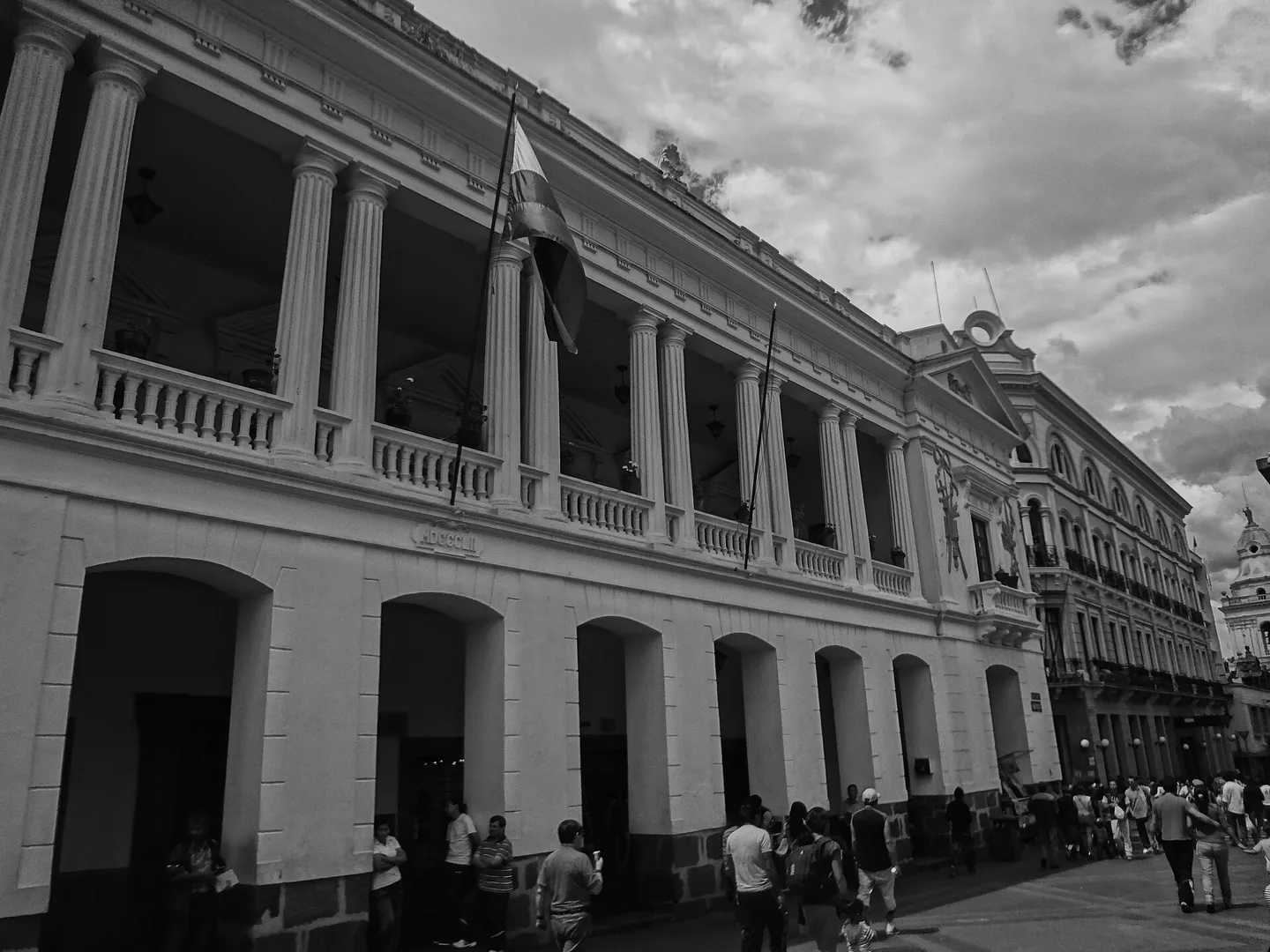
Plaza Grande works as an ideal reference anchor when exploring the surrounding grid of steep cobblestone alleys. Heading south along Calle García Moreno leads directly toward the gilded interior of La Compañía and the broad stone terrace of San Francisco. Walking eastward brings you toward historic theatre buildings and traditional food halls serving steaming plates of locro de papa. Travellers assembling an itinerary should check our colonial sanctuaries and hillside lookouts to coordinate museum stops smoothly.
To navigate the historic core effectively, keep these core walking practices in mind:
- Plan gentle routes between plazas to adapt comfortably to the thin Andean mountain atmosphere.
- Follow active pedestrian streets during daylight hours when government offices and local businesses keep foot traffic consistent.
- Observe practical attire customs when entering cathedral chapels and active places of regional worship.
- Use the central plaza benches as an orientation point before walking into steeper residential hillsides.
The surrounding streets feature compact cafes where travellers sample hot Ecuadorian chocolate scented with cinnamon and clove. Historic arcades shelter small bookstores, traditional cobblers, and government offices that keep the district active until dusk. Evening street lamps cast warm amber light across the palace pillars, creating quiet reflections over the polished stone walkways. Returning to Plaza Grande at different times reveals changing rhythms of urban life across this remarkable heritage centre.
Official prices and opening hours
- Metro de Quito (Quitumbe – El Labrador)Official site ↗
- TelefériQo Cruz Loma Cable CarOfficial site ↗
Where it is
- 1Plaza Grande, Carondelet Palace, and Quito Cathedral Field
- Mariscal Sucre International Airport (UIO) · about 20 km from here in a straight line
- Directions in Google Maps
Stations and taxi ranks: OpenStreetMap. Airports: OurAirports. Distances are in a straight line.
Traveller tips
Real advice from people who have been to Quito. Every tip is read by our team before it goes live.
No tips yet. Been here? Yours could be the first.
Thank you! Your tip will appear here after a quick review.
More in Quito
Continue exploring Quito with related neighbourhood, food, and planning guides
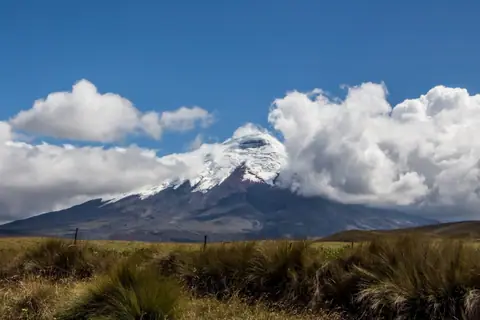
Cotopaxi and Otavalo Excursions from Quito
Quito, Ecuador
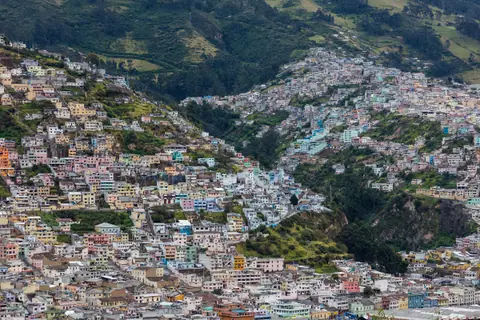
Quito: Essential Planning for Ecuador's Andean Capital
Quito, Ecuador
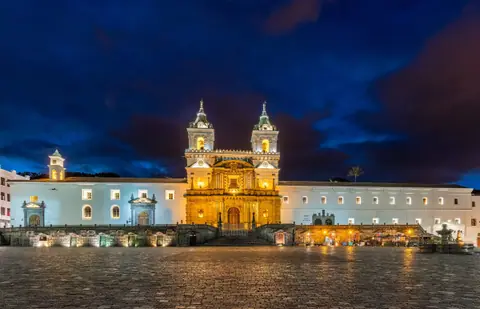
Top Sights Across Quito: Colonial Monasteries, Volcano Heights and Pichincha Slopes
Quito, Ecuador
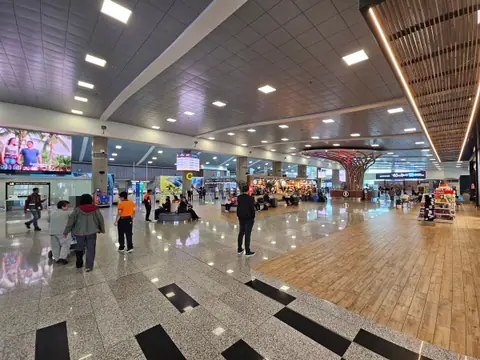
Arriving in Quito: Airport Transfers, Metro Connections and Intercity Terminals
Quito, Ecuador
