Photo: Martín Vasco
Plaza San Francisco, Convent Heritage and Calle La Ronda
Volcanic flagstones of Plaza San Francisco lead into quiet Franciscan courtyards before rambling down to historic Calle La Ronda.
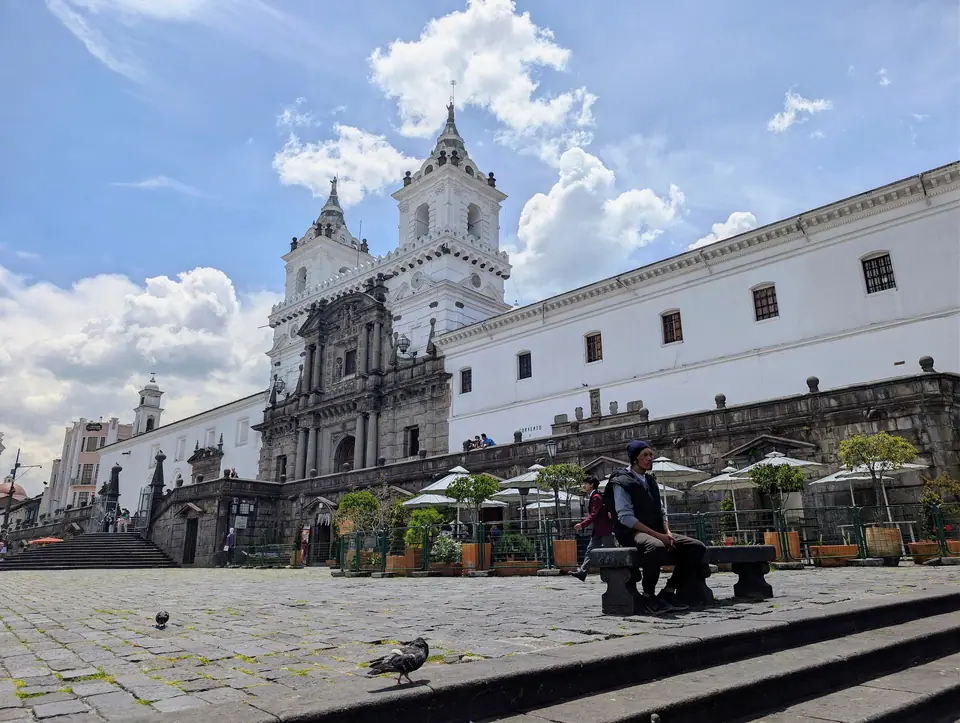
Standing at the lower edge of Plaza San Francisco, we look across a broad sea of dark volcanic flagstones sloping gently towards the twin towers. Low mountain clouds often brush the high ridge behind the whitewashed facade, casting shifting shadows across the wide stone atrium. Street vendors set up quiet stalls along the outer perimeter, selling woven textiles, roasted corn, and wooden trinkets to passers-by. The sheer scale of the square creates an immediate sense of openness that contrasts sharply with the narrow, shadowed streets of the historic core.
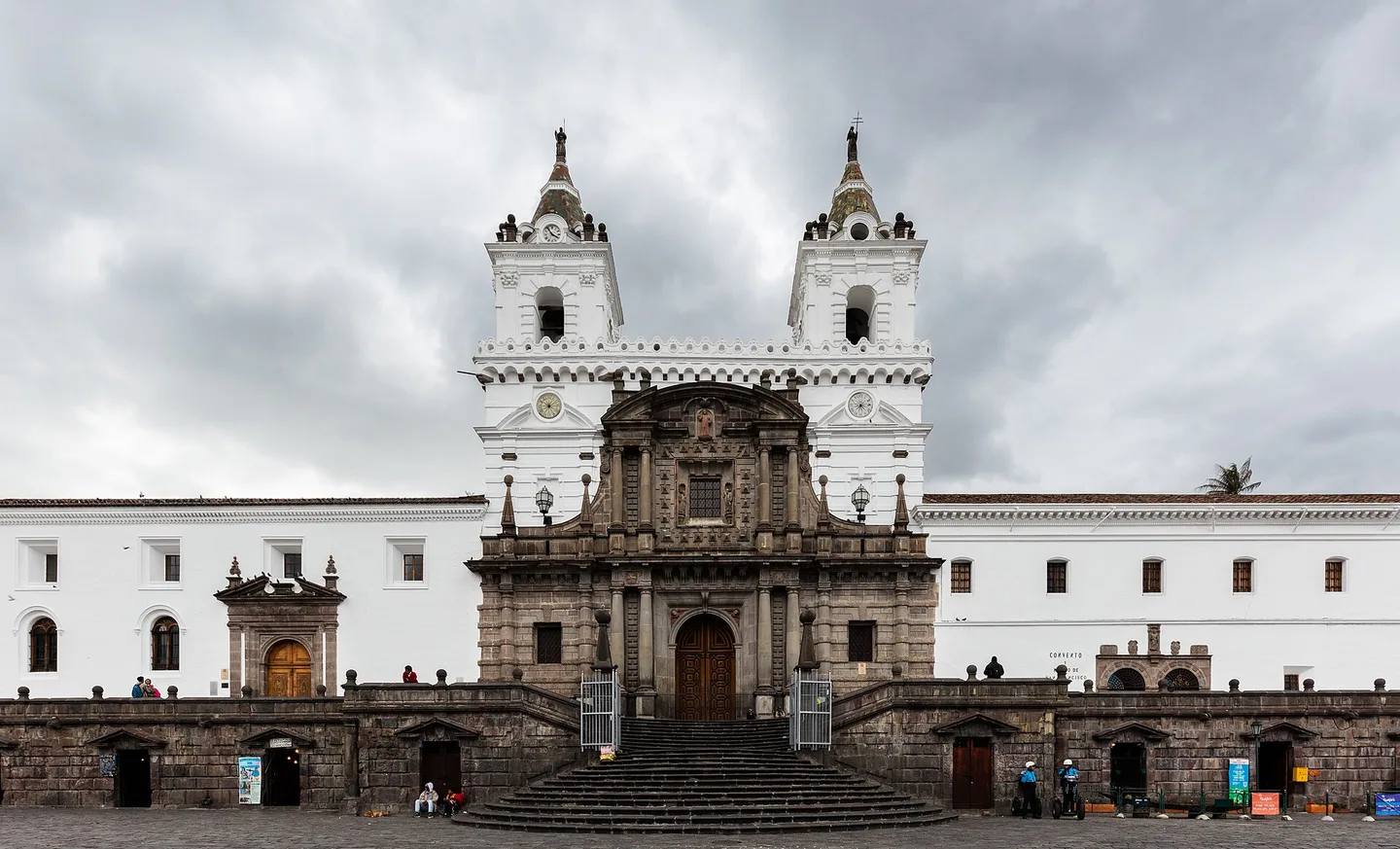
A broad stone ramp sweeps up to the church entrance, designed centuries ago to let mounted riders reach the terrace without dismounting. Sitting on the sunlit steps gives us an ideal vantage point to watch local families, neighbourhood pigeons, and Franciscan friars crossing the square. Morning light hits the carved stone portal directly, illuminating intricate carvings and weathered stone balustrades. Walking around this perimeter reveals how the vast plaza functions as a civic living room, anchoring daily foot traffic through the surrounding colonial avenues.
Art and Quiet Cloisters Within the Franciscan Convent
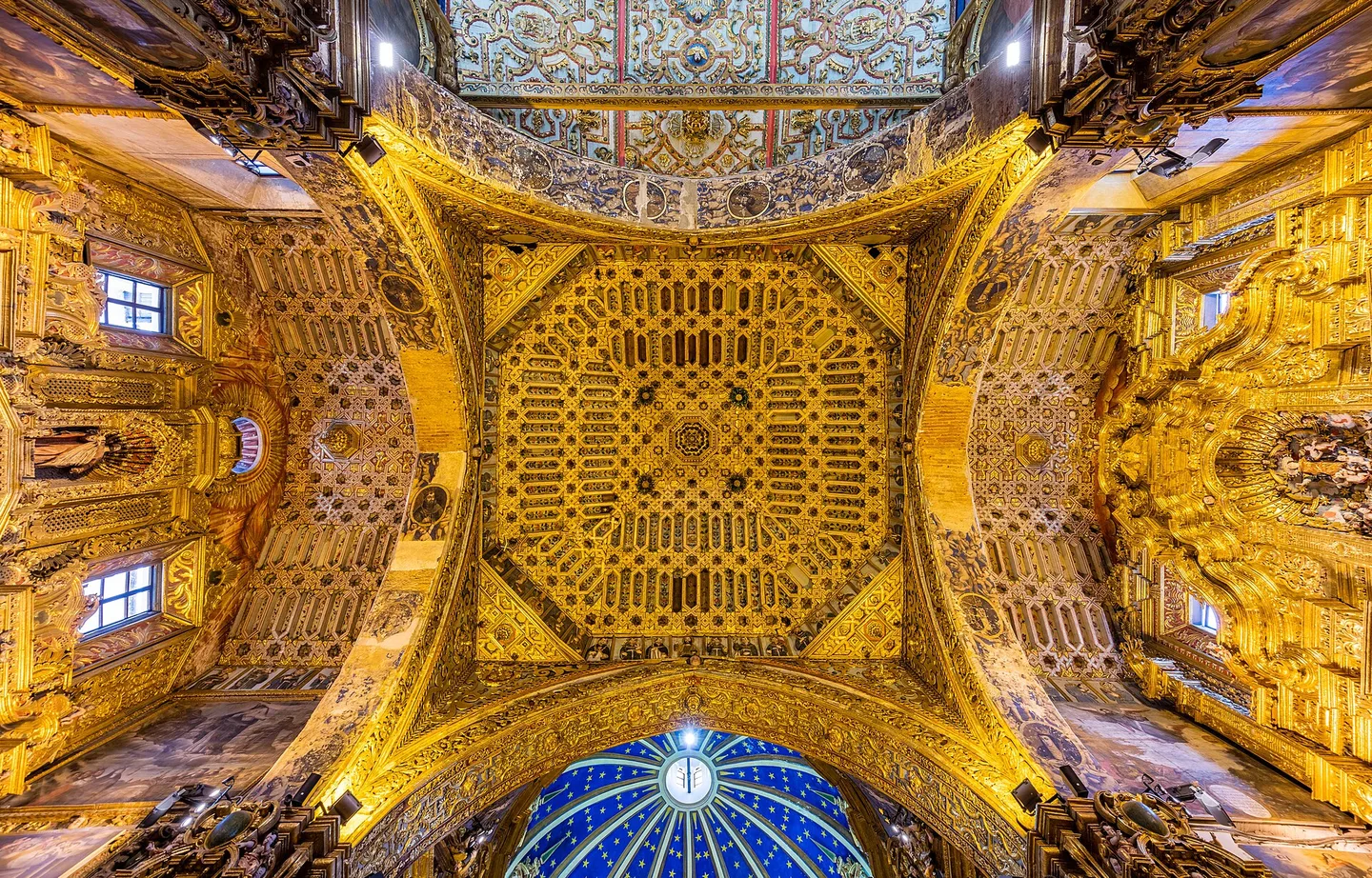
Stepping inside through the heavy timber doors, the sudden transition from bright Andean sunshine into cool interior silence is striking. Intricate gilded wood carvings climb the walls, framing altars that reflect centuries of skilled indigenous craftsmanship. Above our heads, the detailed coffered ceiling features geometric wooden moorish patterns that hold the eye for minutes. The high altar gleams under subtle spotlights, drawing our attention towards delicate silver fittings and expressive wooden sculptures carved with lifelike precision.
Beyond the main sanctuary, the inner courtyards open into peaceful cloisters framed by double tiers of stone arches and potted palms. Here, stone fountains trickle quietly, offering a calm sanctuary far removed from the city bustle outside. We can observe sacred art galleries containing painted canvases, polychrome statues, and antique choral books written on vellum. Taking our time through these arcades reveals forgotten corners, tranquil prayer spaces, and small museum rooms that celebrate regional colonial artistry.
Old Town Walking Routes and Transit Connections
Navigating between these historic squares requires paying close attention to steep stone gradients and pedestrian alleys. We recommend grouping your Franciscan exploration with nearby civic landmarks to keep walking distances manageable on foot. You can connect smoothly from central transit stops before embarking on our recommended walking sequence through these historic streets:
- Plan your morning arrival via underground stations, coordinating your route with our detailed overview of transport in Quito before setting off across the cobbles.
- Begin at the high atrium of Plaza San Francisco to tour the sanctuary and quiet inner cloisters without midday crowds.
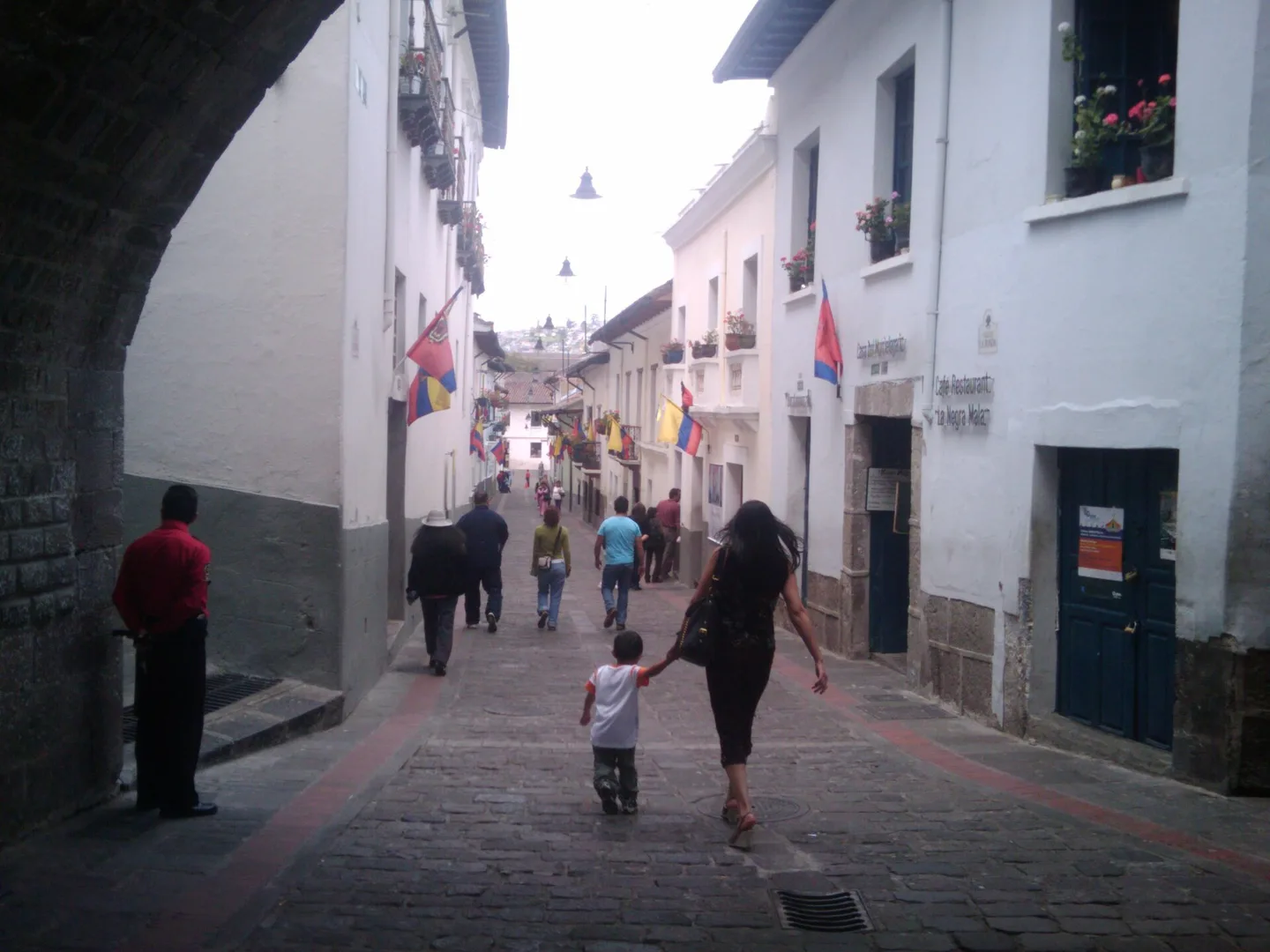
- Follow the downhill incline southwards along narrow stone lanes towards the arched entrance of historic Calle La Ronda.
- Round off your day by sampling hot seasonal snacks from small family workshops tucked inside whitewashed courtyards.
We find that descending along these historic alleys is straightforward, though uneven stone steps can be slippery when mountain showers sweep over the valley. Pair this heritage walk with other central highlights by browsing sightseeing options in Quito to build a balanced day out. Take your time along steep stairways, as the high elevation quickly reminds walkers to maintain a steady, unhurried pace.
Evening Strolls and Traditional Workshops on Calle La Ronda
Descending towards the southern boundary of the colonial centre brings us into Calle La Ronda, a charming pedestrian lane flanked by overhanging balconies. Wrought-iron railings overflow with red geraniums, while traditional street lanterns cast warm pools of amber light across the polished cobbles. Small craft workshops line the lower doorways, where tinsmiths, woodturners, and chocolate makers welcome inquisitive visitors inside to demonstrate their historic trades. The street feels intimate and protected, sheltered between steep valley slopes that catch late afternoon shadows.
As dusk settles over the capital, soft guitar music drifts from doorway restaurants serving warm spiced fruit punch and freshly fried pastries. Small galleries showcase handmade toys, spun woollen shawls, and delicate silver filigree jewellery crafted right before your eyes. Sitting at an outdoor wooden table with a steaming mug offers a wonderful view of old tiled rooftops leaning against the darkening sky. Strolling slowly between the arched entrance gate and the far stone bridge completes an evocative visit through historic Quito.
Official prices and opening hours
- Metro de Quito (Quitumbe – El Labrador)Official site ↗
- TelefériQo Cruz Loma Cable CarOfficial site ↗
Where it is
- 1Plaza San Francisco, Convent Heritage and Calle La Ronda
- Mariscal Sucre International Airport (UIO) · about 21 km from here in a straight line
- Directions in Google Maps
Stations and taxi ranks: OpenStreetMap. Airports: OurAirports. Distances are in a straight line.
Traveller tips
Real advice from people who have been to Quito. Every tip is read by our team before it goes live.
No tips yet. Been here? Yours could be the first.
Thank you! Your tip will appear here after a quick review.
More in Quito
Continue exploring Quito with related neighbourhood, food, and planning guides
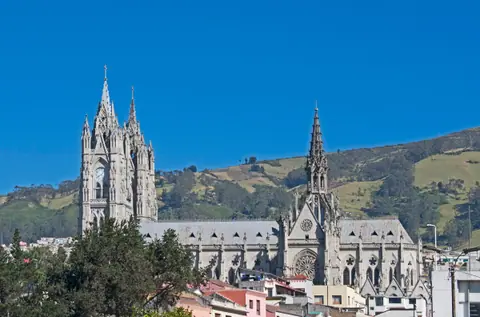
Basilica del Voto Nacional and the Virgin of El Panecillo Field Guide
Quito, Ecuador
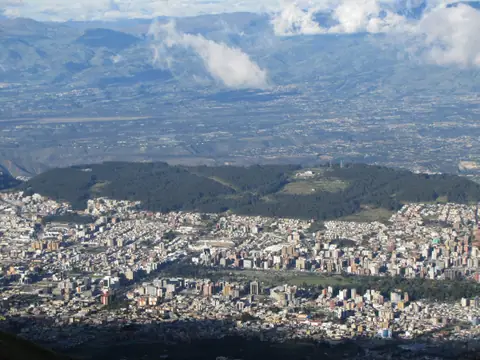
TelefériQo Cruz Loma and Pichincha Volcano Walking Guide
Quito, Ecuador
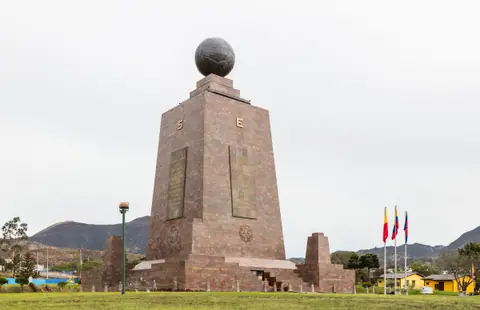
Ciudad Mitad del Mundo and Pululahua Volcanic Crater Field Guide
Quito, Ecuador
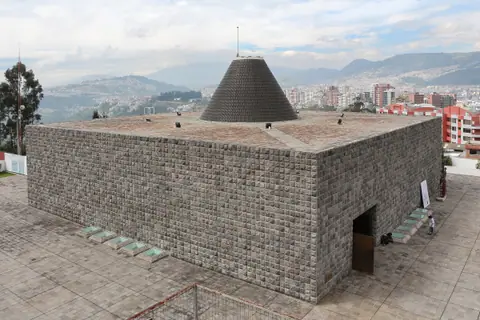
Capilla del Hombre, Guayasamín Museum, MuNa and La Floresta
Quito, Ecuador
