Photo: J. Miers
Quito Food Guide: Highland Soups, Hornado and Street Flavours
Classic highland cooking, comforting potato soups, market pork, and heritage sweets await across the Andean capital.
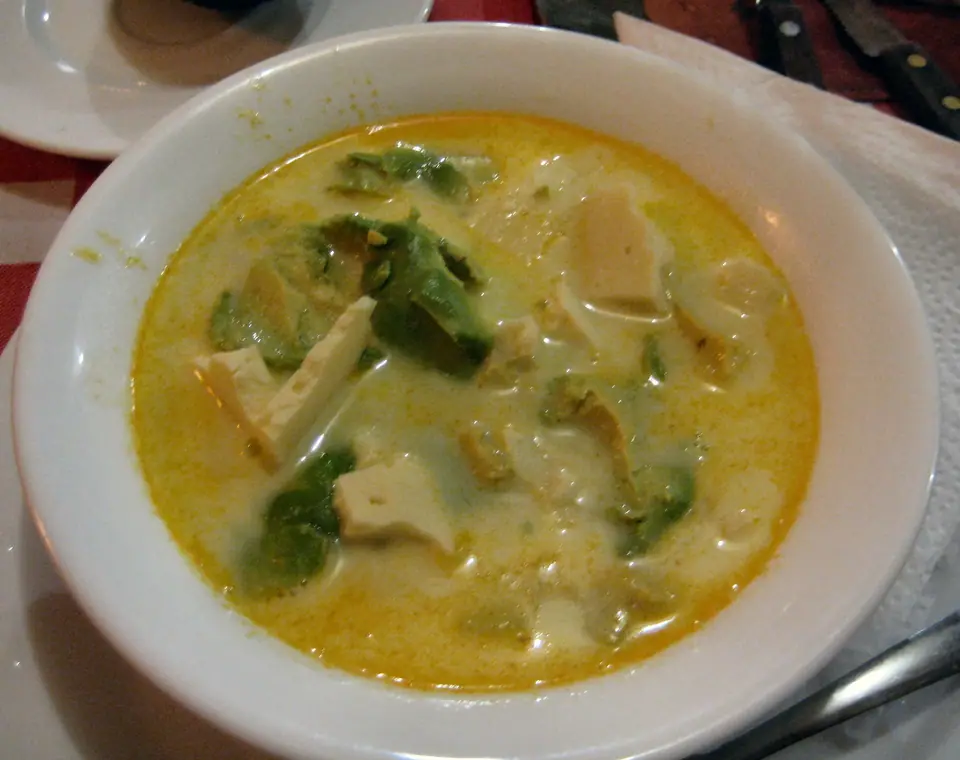
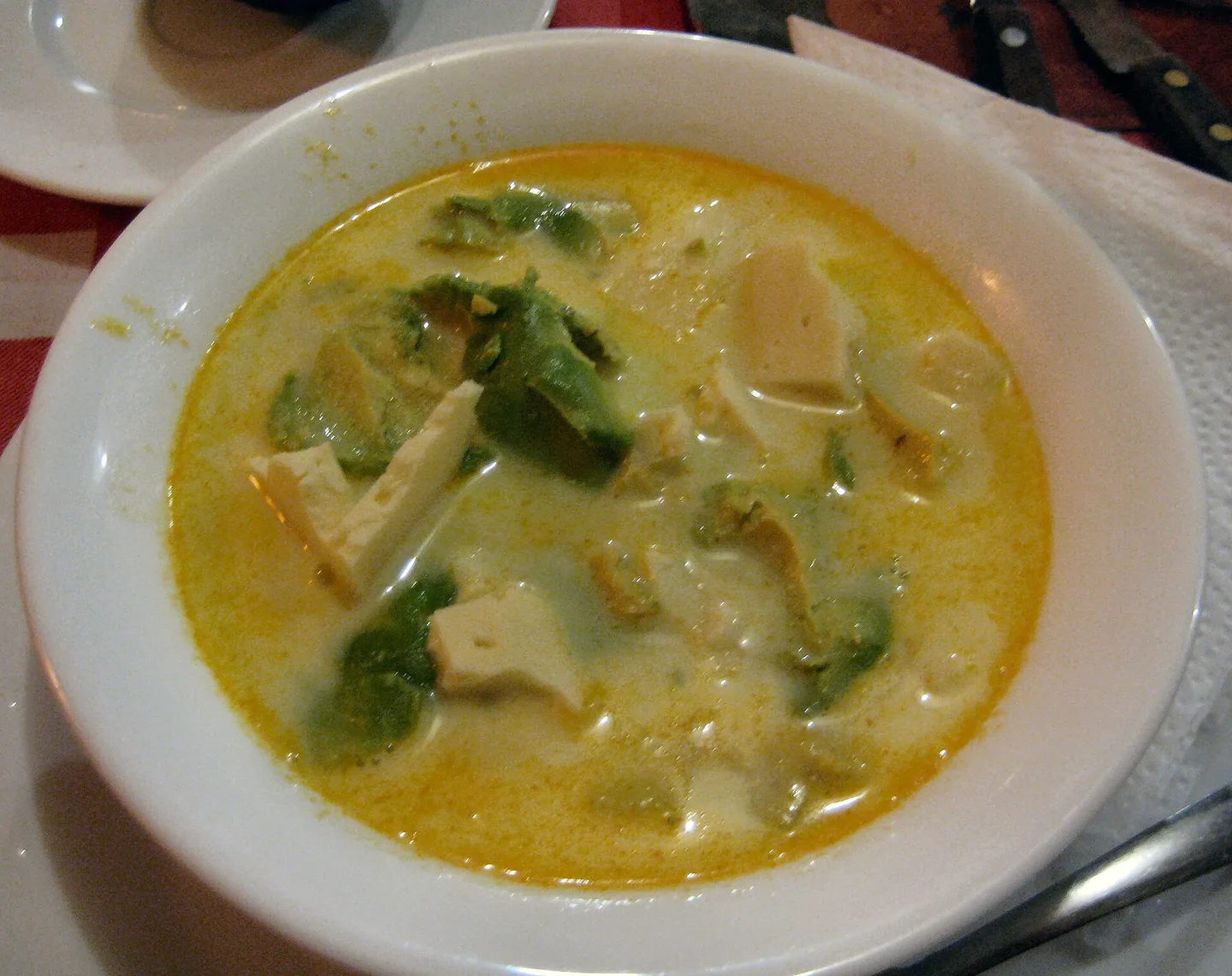
Ecuadorian highland cooking revolves around hearty sustenance suited to crisp Andean evenings across the valley. It celebrates native Andean potatoes, fresh artisan cheese, and slow-simmered golden broths. The undisputed king of local tables is locro de papa, a velvety potato soup simmered with creamy native tubers, milk, and fragrant achiote. Cooks finish each steaming bowl with diced avocado, crumbled fresh cheese, and a spoonful of spicy pepper relish.
Another revered soup served in historic dining halls is yahuarlocro, a traditional lamb broth thickened with ground pumpkin seeds and potatoes. Locals stir blood sausage slices and pickled red onions into the bowl just before eating. When pairing soup with morning walks, travellers often combine street meals with wider sightseeing around the historic centre to sample fresh breakfast broths.
For a lighter midday start, vendors prepare caldo de gallina, a gentle chicken soup infused with coriander and boiled corn cobs. Andean herbs like paico give highland broths an earthy aroma found nowhere else in South America. Eating soup forms the core ritual of every midday set lunch served across town.
Market Dining and Roasted Pork Tradition
Municipal markets offer the most authentic window into Quito daily dining traditions. Deep inside these covered halls, vendors prepare hornado, whole pigs marinated in chicha maize beer and garlic. They roast the meat slowly until the skin blisters into crackling.
Sellers carve tender ribbons of pork to order. They plate the meat with buttery potato patties called llapingachos, hominy corn, and tart tomato curtido relish. The combination of salty crackling and acidic onion dressing cuts cleanly through the rich pork fat. Arriving with an empty stomach lets visitors taste small samples offered on wooden skewers by rival market stalls.
Beside the roast pork stalls, cooks fry fritada. These chunks of pork simmer in spiced water until the liquid evaporates, allowing the meat to crisp in its own fat. Diners enjoy fritada with sweet fried plantains, toasted maize kernels, and steaming ears of tender Andean choclo.
Historic Centre Street Snacks and Sweets
Wandering along stone pavements reveals enticing aromas drifting from open kitchen doorways. Giant empanadas de viento draw afternoon crowds, puffing up like golden balloons in hot oil. Filled with melted fresh cheese and dusted with white caster sugar, they balance sweet and savoury flavours in every crisp bite.
In historic quarters like La Ronda, evenings bring vendors selling warm mugs of canelazo, a comforting brew made of boiling water, cinnamon, unrefined panela sugar, and citrus juice. Many street carts spike the drink with cane spirit. This offers welcome warmth against mountain draughts while walking between evening activities.
Confectionery shops tucked inside centuries-old archways still produce colaciones, whole peanuts rolled continuously in hot copper bowls coated with sugar syrup. These crisp sweets have delighted local schoolchildren and theatre patrons for generations, preserving recipes that date back to colonial trade routes.
Practical Dining Context and Andean Flavours
Planning meals around altitude adjustments helps travellers enjoy Quito robust cuisine without digestive discomfort. Midday remains the primary dining window across the city, making local markets and family eateries ideal for warm lunches.
The table below summarises core dishes, key native ingredients, and typical meal settings across the capital:
| Dish Name | Primary Ingredients | Traditional Setting |
|---|---|---|
| Locro de Papa | Potatoes, fresh cheese, avocado, achiote | Traditional family lunch |
| Hornado Quiteño | Roast pork, llapingachos, hominy, curtido | Market communal tables |
| Empanada de Viento | Wheat dough, fresh cheese, sugar dusting | Afternoon street stall |
| Fritada | Braised pork, choclo corn, fried plantain | Weekend neighbourhood eatery |
Municipal food markets such as Mercado Central and Mercado Santa Clara anchor lively morning breakfasts with bright piles of tropical and Andean fruits. Vendors blend sharp naranjilla, golden taxo, sweet tree tomatoes, and dark blackberries into chilled fresh juices poured directly from glass blenders across long communal counters. In late autumn weeks, traditional corner bakeries also prepare thick spiced purple corn drink colada morada paired alongside traditional sweet glazed bread figures. Pair market tastings with neighbourhood orientation and metro transit notes before moving across steep colonial quarters. Always accompany savoury dishes with fresh fruit juice or warm Andean herbal tea alongside hearty highland lunches.
Official prices and opening hours
- Metro de Quito (Quitumbe – El Labrador)Official site ↗
- TelefériQo Cruz Loma Cable CarOfficial site ↗
Where it is
- 1Quito
- Mariscal Sucre International Airport (UIO) · about 20 km from Quito in a straight line
- Directions in Google Maps
Stations and taxi ranks: OpenStreetMap. Airports: OurAirports. Distances are in a straight line.
Traveller tips
Real advice from people who have been to Quito. Every tip is read by our team before it goes live.
No tips yet. Been here? Yours could be the first.
Thank you! Your tip will appear here after a quick review.
More in Quito
Continue exploring Quito with related neighbourhood, food, and planning guides
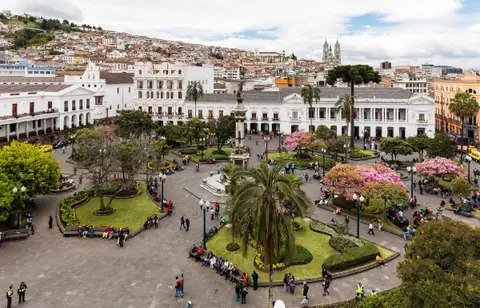
Quito Seasonal Guide: Dry Verano, Andean Skies and Walking Rhythms
Quito, Ecuador
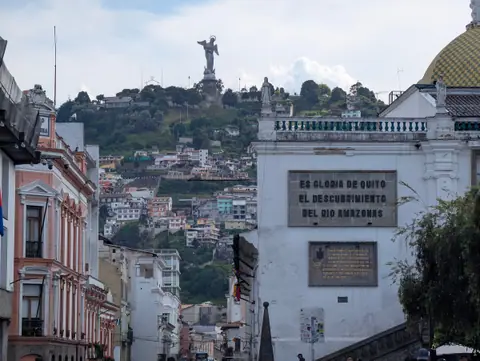
Where to Stay in Quito: Historic Centre, La Floresta and Northern Districts
Quito, Ecuador
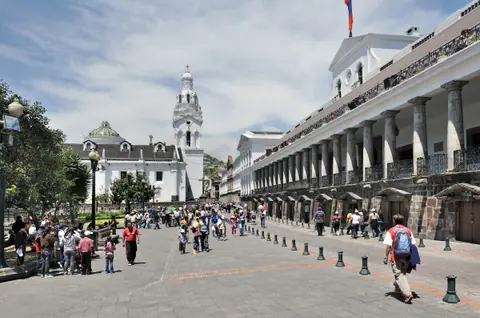
Three Days in Quito: Historic Quarters, High Ridges, and Equatorial Valleys
Quito, Ecuador
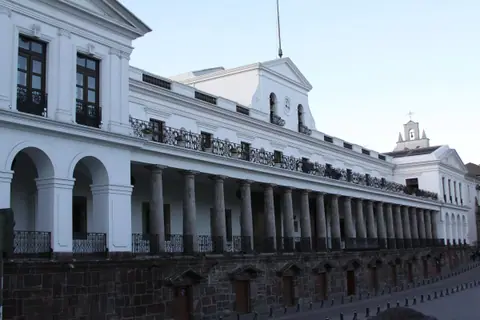
Plaza Grande, Carondelet Palace, and Quito Cathedral Field Guide
Quito, Ecuador
