Photo: Martín Vasco
Where to Stay in Quito: Historic Centre, La Floresta and Northern Districts
Choosing the right base in Quito shapes daily walking sequences, elevation adjustments, and your direct access across modern transit routes.
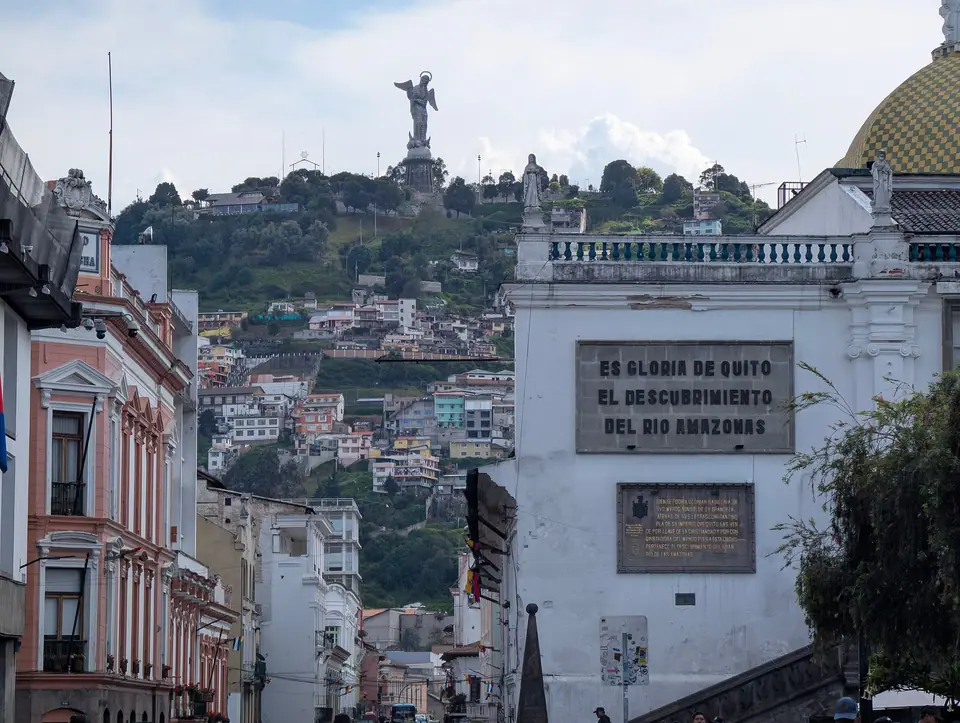
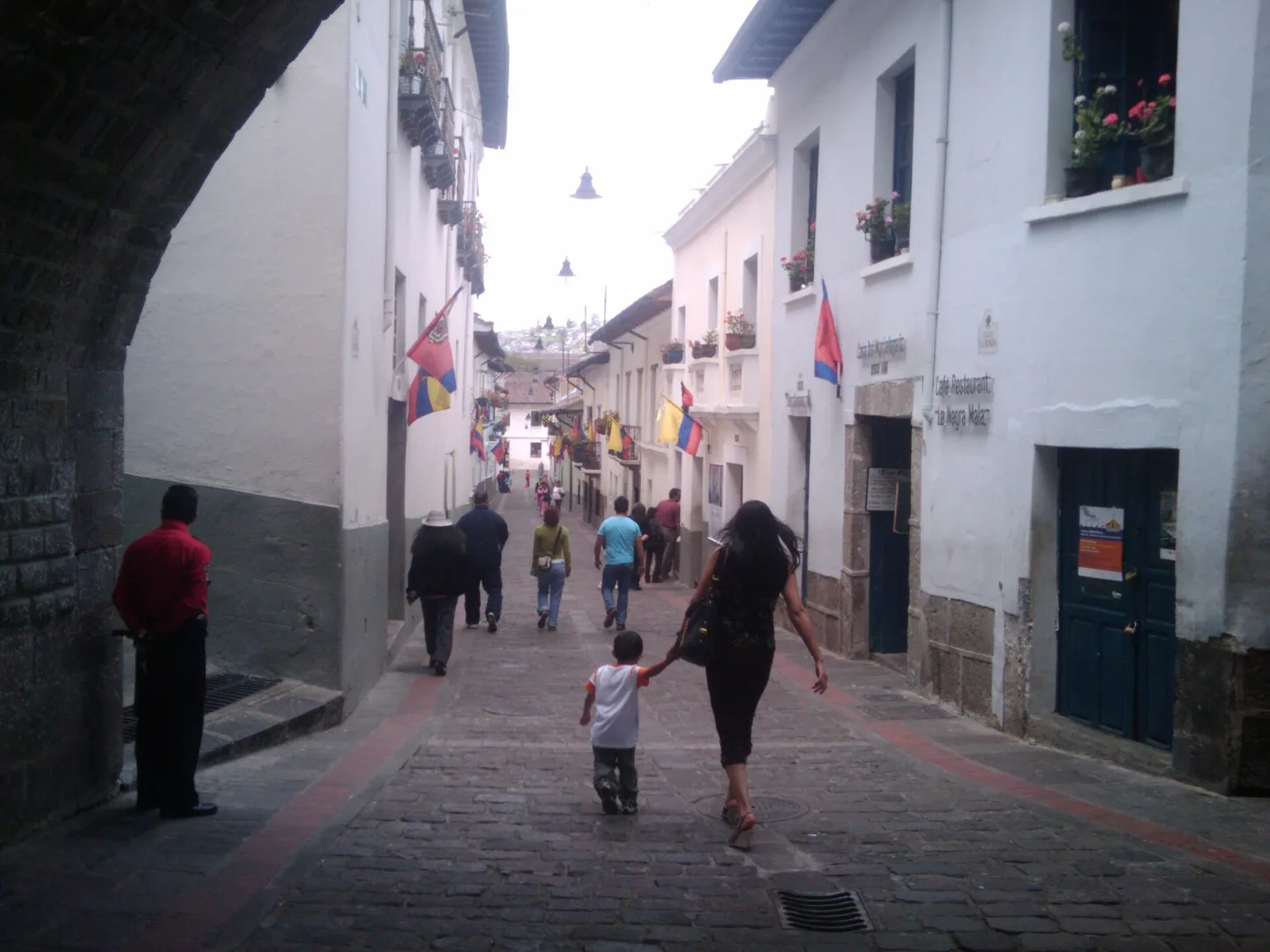
Quito stretches along an Andean trench, which means choosing an accommodation base determines your daily rhythm and urban walking experience. The Historic Centre places you amidst whitewashed convents, dramatic church towers, and steep paved lanes. Many visitors prefer resting within walking distance of central plazas, where church bells sound across quiet stone courtyards at dawn.
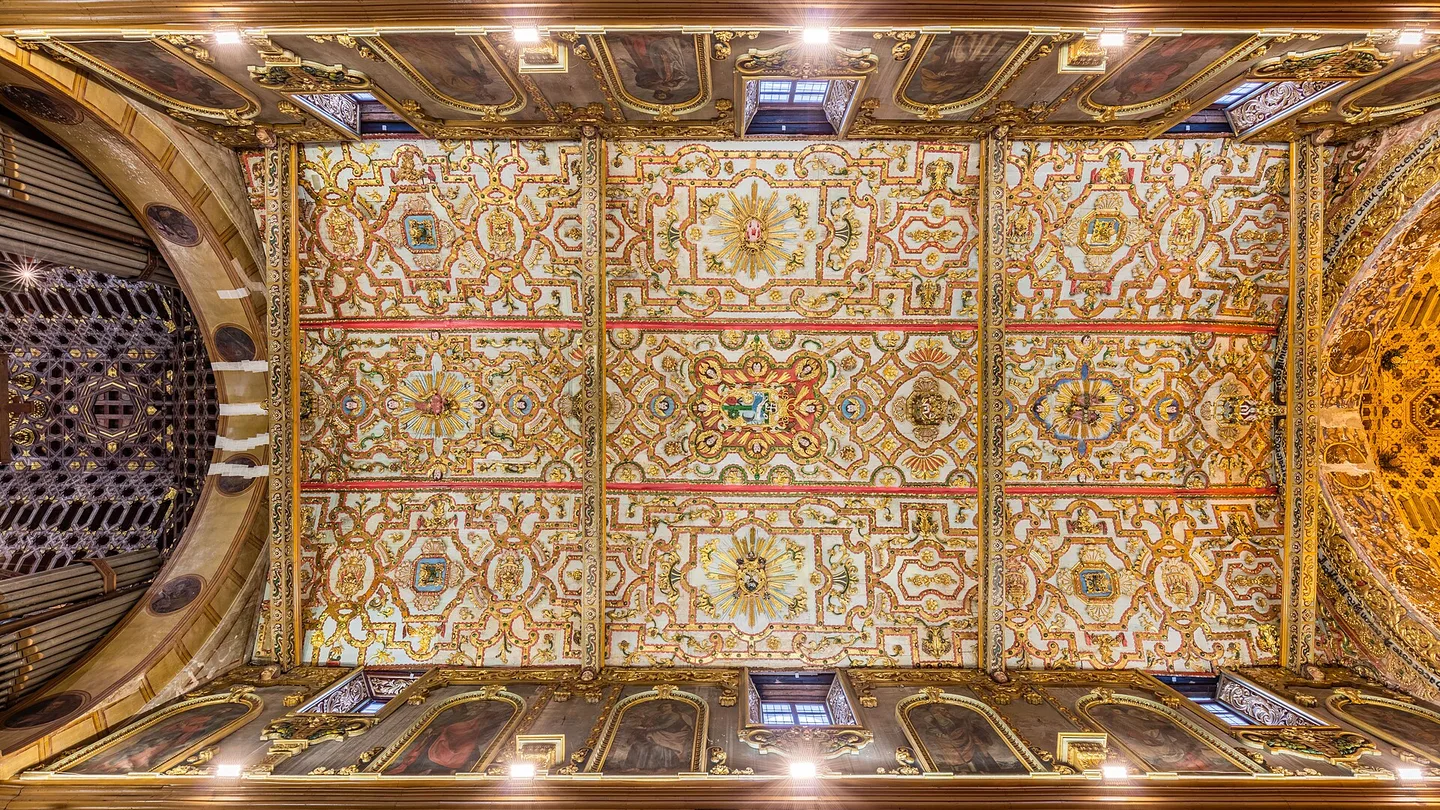
Historic boutique properties occupy restored colonial mansions that present interior stone patios, timber rafters, and thick adobe masonry. These historic quarters reward early risers who want to photograph quiet stone plazas before midday traffic thickens across narrow thoroughfares. You can balance strenuous uphill climbing with indoor gallery visits along our city highlights itinerary.
Evenings in the old core remain relatively quiet once retail shops close their shutters. Travellers moving after dark between restaurants and lodgings should hail registered yellow taxis or app-based rides rather than walking empty side lanes. The steep topography also demands careful pacing when returning to your hotel room with heavy bags.
La Floresta: Coffee Houses, Workshops, and Independent Culture
La Floresta sits northeast of the central ridge, presenting leafy residential streets, contemporary bistros, and small creative workshops. This area offers a relaxed alternative to the crowded heritage quarter while preserving a neighbourhood village feel. Independent guesthouses and mid-range design hotels occupy quiet avenues shaded by mature trees.
Mornings here invite relaxed walks to independent bakeries, artisanal roasteries, and local craft studios. The neighbourhood remains lively during afternoon hours as residents gather in public squares and street food markets. Choosing this quarter keeps you surrounded by diverse eating options that cater to international tastes and traditional Andean flavours alike.
Because streets follow a gentler gradient than the old quarter, strolling between cafes feels effortless and calm. You can review our broader orientation tips to understand seasonal weather changes before walking across open avenues. Public buses run along surrounding main avenues, offering simple links to neighbouring districts.
La Carolina and Bellavista: Contemporary Hotels and Open Greenery
Further north, the modern financial district around Parque La Carolina features high-rise business hotels, sleek apartment suites, and extensive commercial centres. This district suits travellers seeking contemporary comforts, dependable soundproofing, fast internet connectivity, and spacious gym facilities. Wide boulevards create an open urban feel distinct from colonial quarters.
Parque La Carolina provides broad recreational grounds where morning runners, families, and cyclists gather along landscaped paths. Bordering avenues feature modern shopping malls, international pharmacy branches, and varied casual dining spots. Up the hillside, residential Bellavista offers peaceful boutique lodgings with panoramic views overlooking the urban basin.
| Neighbourhood | Primary Character | Walking Profile | Best Suited For |
|---|---|---|---|
| Historic Centre | Colonial architecture and stone plazas | Steep slopes and uneven stone paving | First-time visitors and history lovers |
| La Floresta | Tree-lined avenues and artistic dining | Gentle inclines and leafy footpaths | Independent travellers and food seekers |
| La Carolina | Modern high-rise towers and wide parks | Flat pavements and modern crossings | Business travellers and extended stays |
| Bellavista | Quiet hillside homes and panoramic outlooks | Steep lanes requiring vehicle hops | Peaceful retreats and view seekers |
Staying in these northern districts reduces street noise while placing modern conveniences right at your doorstep. Families often appreciate the immediate park access and wide, flat footpaths for pushing prams or handling bulky suitcases. Taxi transit to museums in the south remains straightforward along major north-south arterial roads.
Transit Connections and Elevation Practicalities
Selecting your hotel district also shapes how easily you travel across the elongated urban valley. The Metro de Quito connects northern and southern districts through rapid subterranean rail corridors, avoiding surface congestion entirely. Staying near a metro station simplifies movement between modern northern hotels and the colonial south.
- Choose the Historic Centre for direct morning access to heritage courtyards and ornate baroque altars.
- Select La Floresta for calm evening dining, friendly neighbourhood bakeries, and creative studios.
- Pick La Carolina for flat footpaths, reliable modern hotel infrastructure, and spacious parklands.
- Opt for Bellavista to enjoy elevated valley vistas away from urban road corridors.
Elevation affects everyone arriving in the capital, so your first two nights require measured physical exertion. Properties with on-site dining or internal lift access relieve strain when carrying luggage up multi-storey buildings. Check official Metro de Quito portals for updated line stations and hours before moving across town.
Official prices and opening hours
- Metro de Quito (Quitumbe – El Labrador)Official site ↗
- TelefériQo Cruz Loma Cable CarOfficial site ↗
Where it is
- 1Quito
- Mariscal Sucre International Airport (UIO) · about 20 km from Quito in a straight line
- Directions in Google Maps
Stations and taxi ranks: OpenStreetMap. Airports: OurAirports. Distances are in a straight line.
Traveller tips
Real advice from people who have been to Quito. Every tip is read by our team before it goes live.
No tips yet. Been here? Yours could be the first.
Thank you! Your tip will appear here after a quick review.
More in Quito
Continue exploring Quito with related neighbourhood, food, and planning guides
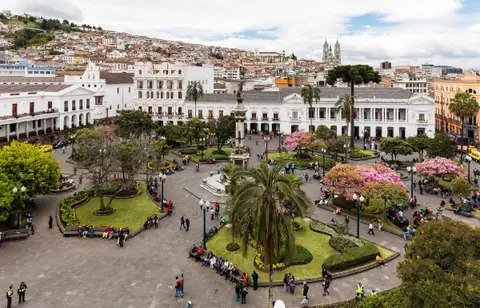
Quito Seasonal Guide: Dry Verano, Andean Skies and Walking Rhythms
Quito, Ecuador
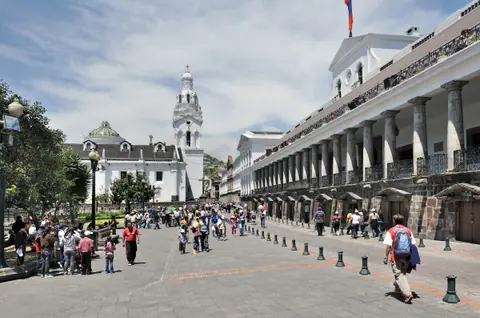
Three Days in Quito: Historic Quarters, High Ridges, and Equatorial Valleys
Quito, Ecuador
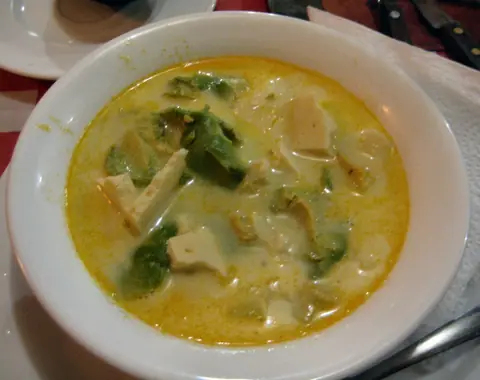
Quito Food Guide: Highland Soups, Hornado and Street Flavours
Quito, Ecuador
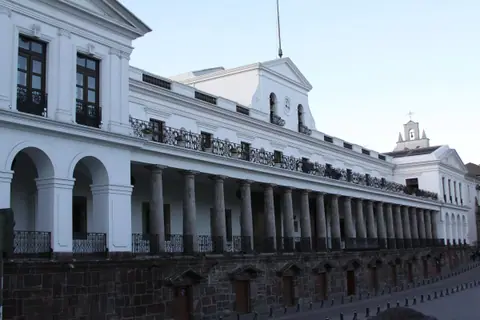
Plaza Grande, Carondelet Palace, and Quito Cathedral Field Guide
Quito, Ecuador
