Photo: Paulakindsvater
Visiting La Compañía de Jesús and Quito Baroque Gold Churches
Gilded cedar interiors, volcanic andesite facades, and Moorish mudéjar ceilings define the historic religious heart of Old Town Quito.
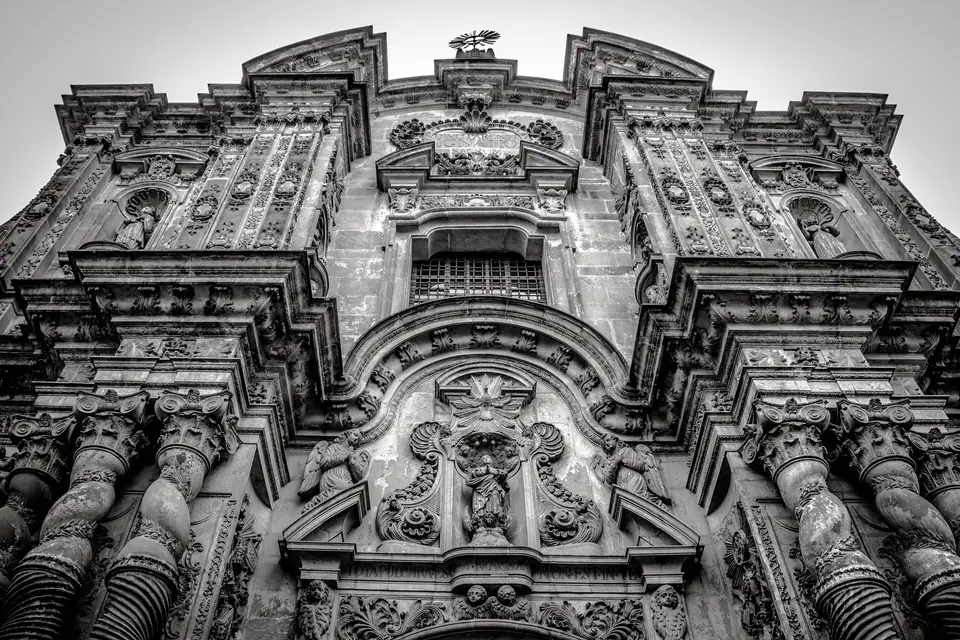
Stepping off the cobblestones into the central nave of La Compañía de Jesús brings an immediate shift in light and atmosphere. Every square metre of the high barrel vault glitters with delicate gold leaf hammered over intricate cedarwood carvings. Jesuit builders fused Italian Baroque grandeur with Moorish mudéjar geometry, producing interlaced patterns that cover pilasters, altars, and side chapels. Indigenous artisans carved local motifs into the timber framework, tucking native flora and Andean cherubs among orthodox biblical figures. The scent of dried beeswax polish hangs in the cool, shaded air while sunlight enters through high clerestory windows. Outside, the exterior facade presents grey volcanic andesite stone shaped into spiralling Solomonic columns and detailed saints. Taking time to observe both the volcanic masonry and the lustrous sanctuary reveals the deep architectural ambition of colonial craftsmen.
Pedestrian Circuits Between Colonial Sanctuaries
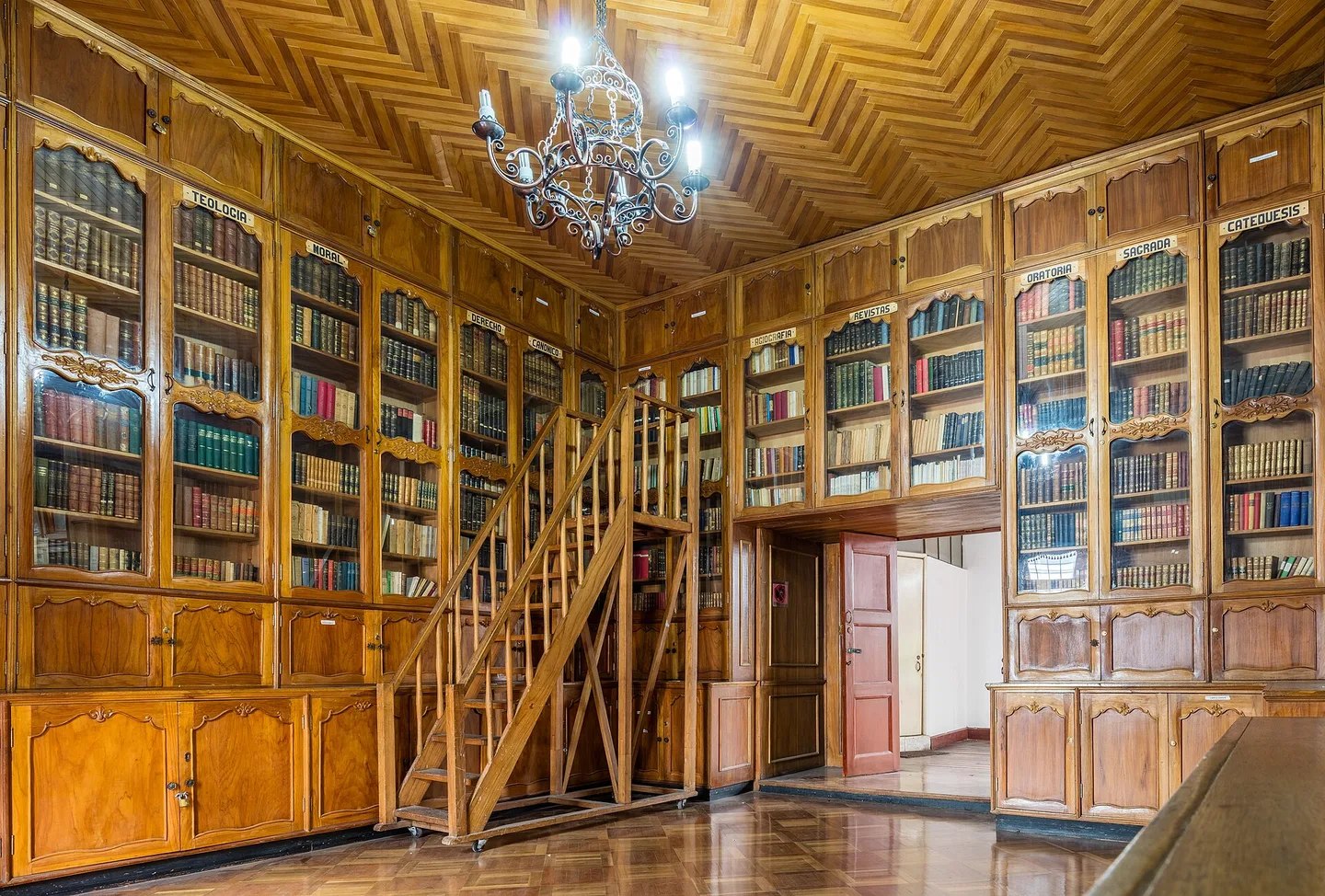
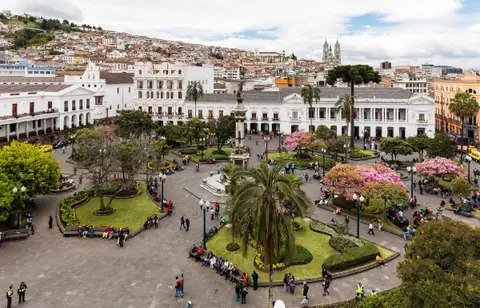
Exploring the historic core on foot lets travellers appreciate how closely clustered these sacred buildings remain around central public squares. Starting at Plaza Grande, the Metropolitan Cathedral anchors the southern flank with its broad stone steps, whitewashed arcades, and grand library rooms. From there, following Calle García Moreno leads southward directly past the carved entrance of La Compañía towards the sprawling complex of San Francisco. When arranging a morning route, travellers can combine these interior visits with open-air pauses across stone-paved terraces.
- Plaza Grande: Flanked by the Metropolitan Cathedral, displaying carved choir stalls and historic diocesan archives.
- Calle García Moreno: Known historically as the street of seven crosses, framing views of several ornate belfries.
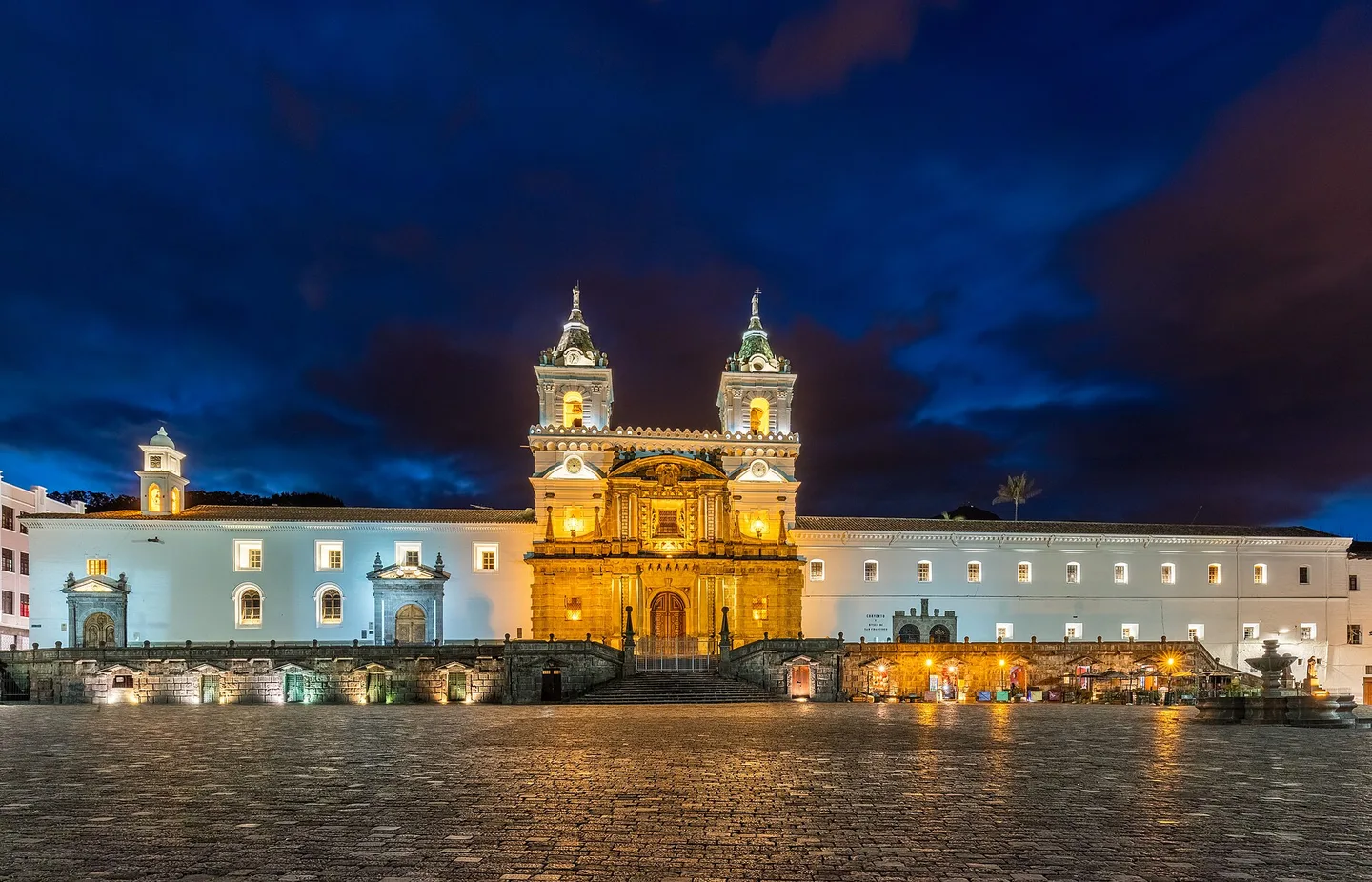
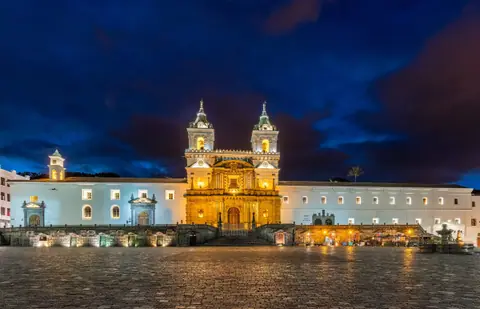
- Plaza de San Francisco: Dominated by the vast Franciscan monastery and twin whitewashed towers against the sky.
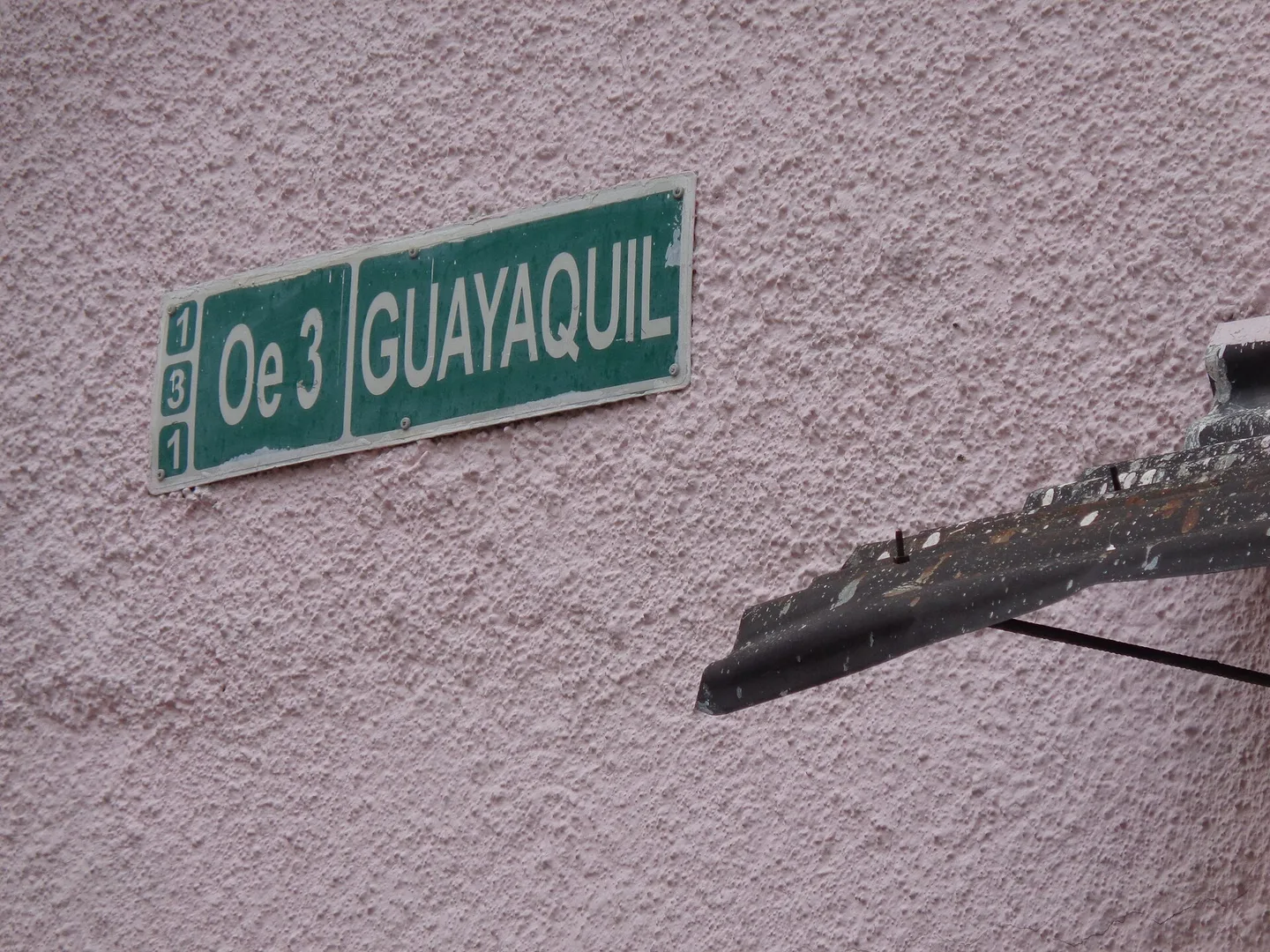
- Calle Guayaquil: A lively colonial thoroughfare connecting quiet convent courtyards with northern city quarters.
Comparing these key landmarks helps prioritise where to spend lingering moments away from street traffic. The Franciscan monastery features broad stone courtyards and austere cloisters, offering a peaceful counterpoint to the gilded density of the Jesuit church. Visitors seeking wider historical heritage can explore cultural highlights through our guide to historic Quito highlights across adjacent sectors. Each religious site preserves distinct spatial layouts, ranging from grand monastic cloisters to compact private chapels.
Urban Access and Historic Street Navigation
Reaching the historic core has become straightforward thanks to the underground heavy rail system serving the centre. Passengers travelling on the Metro de Quito can disembark at San Francisco station, stepping directly onto the edge of the stone plaza. Surface streets remain largely preserved from colonial centuries, meaning footpaths can be narrow where delivery vans pass through. We recommend keeping luggage minimal when moving along cobblestone alleys such as Calle Guayaquil and Calle Bolívar.
Practical movement through the Old Town improves significantly by pairing underground rail links with gentle uphill paces. Travellers can review comprehensive Quito transit connections before setting out across the metropolitan valley. Confirm current entry tariffs and visiting guidelines on official parish portals before crossing the stone atrium. The compact geography means that once inside the central quarter, foot travel remains the best way to move between church porticoes. Keep an eye on uneven flagstones, as volcanic stone paving stones can become slick during sudden equatorial showers.
Altitude, Mountain Light, and Highland Weather
Quito sits elevated high along the Andean plateau beneath the volcanic ridges of Pichincha. Because thin mountain air magnifies equatorial sunlight, the gilded surfaces inside La Compañía take on an intense amber glow around midday. Cloud banks often assemble over the western volcanic peaks by early afternoon, casting cool shadows across colonial clay roof tiles. Carrying light, water-resistant layers prepares visitors for rapid shifts between warm sunshine and brisk alpine drizzles.
Observing the peaks framing the city streets provides a constant reminder of the dramatic geography enclosing this high capital. Historic pencil sketches and landscape studies from the nineteenth century captured this precise relationship between Pichincha and the valley below. Taking time to pause between church visits allows lungs to adjust naturally to the high elevation. Sipping hot spiced drinks in small cafes along nearby arcades lets travellers rest while absorbing the daily rhythm of local merchants. The harmony of dramatic mountain scenery and detailed colonial artistry makes this historic quarter truly exceptional.
Official prices and opening hours
- Metro de Quito (Quitumbe – El Labrador)Official site ↗
- TelefériQo Cruz Loma Cable CarOfficial site ↗
Where it is
- 1Visiting La Compañía de Jesús and Quito Baroque Gold Churches
- Mariscal Sucre International Airport (UIO) · about 21 km from here in a straight line
- Directions in Google Maps
Stations and taxi ranks: OpenStreetMap. Airports: OurAirports. Distances are in a straight line.
Traveller tips
Real advice from people who have been to Quito. Every tip is read by our team before it goes live.
No tips yet. Been here? Yours could be the first.
Thank you! Your tip will appear here after a quick review.
More in Quito
Continue exploring Quito with related neighbourhood, food, and planning guides
Top Sights Across Quito: Colonial Monasteries, Volcano Heights and Pichincha Slopes
Quito, Ecuador
Arriving in Quito: Airport Transfers, Metro Connections and Intercity Terminals
Quito, Ecuador
Quito Seasonal Guide: Dry Verano, Andean Skies and Walking Rhythms
Quito, Ecuador
Where to Stay in Quito: Historic Centre, La Floresta and Northern Districts
Quito, Ecuador
