Photo: Bernard Gagnon
Cotopaxi and Otavalo Excursions from Quito
Travelling south to active volcanic highlands or north towards indigenous textile centres reveals two distinct day journeys outside central Quito.
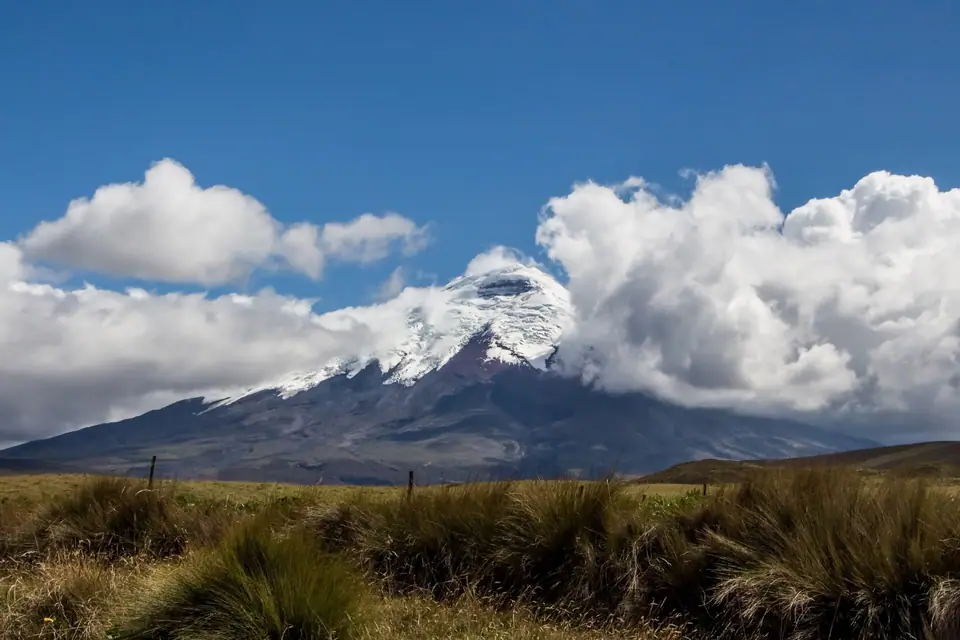
Departing the urban bowl of the capital allows travellers to witness the dramatic geographic shifts defining the Ecuadorian Andes. Moving south along the Pan-American Highway leads directly towards Cotopaxi National Park. Here, the massive volcanic cone dominates the surrounding plateau. The high plains feature windswept scrub grass, rocky scree, and low glacial streams. Walkers explore wide paramos tracks where wild horses occasionally graze beneath steep volcanic ridges.
Reaching the park boundary requires dedicated road transit from southern interchange points. Long-distance coaches heading towards southern provincial centres allow passengers to alight at highway crossroads. Travellers then transfer into licensed vehicles up to the park gates. The altitude increases substantially above the valley, bringing thin air and sharp temperature drops. Visitors often pause near low lagoons to watch waterfowl settle along volcanic shorelines.
The wide expanses of Cotopaxi give hill walkers access to rugged moorland terrain. Cold mountain winds sweep across the plateau throughout the morning hours. Clear weather reveals the dramatic symmetry of the snowfield covering the summit. Walking along marked dirt tracks exposes visitors to resilient native plants adapted to harsh alpine weather.
Low-lying wetlands inside the national reserve support diverse bird communities. Andean gulls, lapwings, and ducks feed in the shallow waters along the lake perimeters. Walking along these water margins requires firm footing due to volcanic sand and damp soil. The dramatic open horizon contrasts sharply with the enclosed valleys of the metropolitan area.
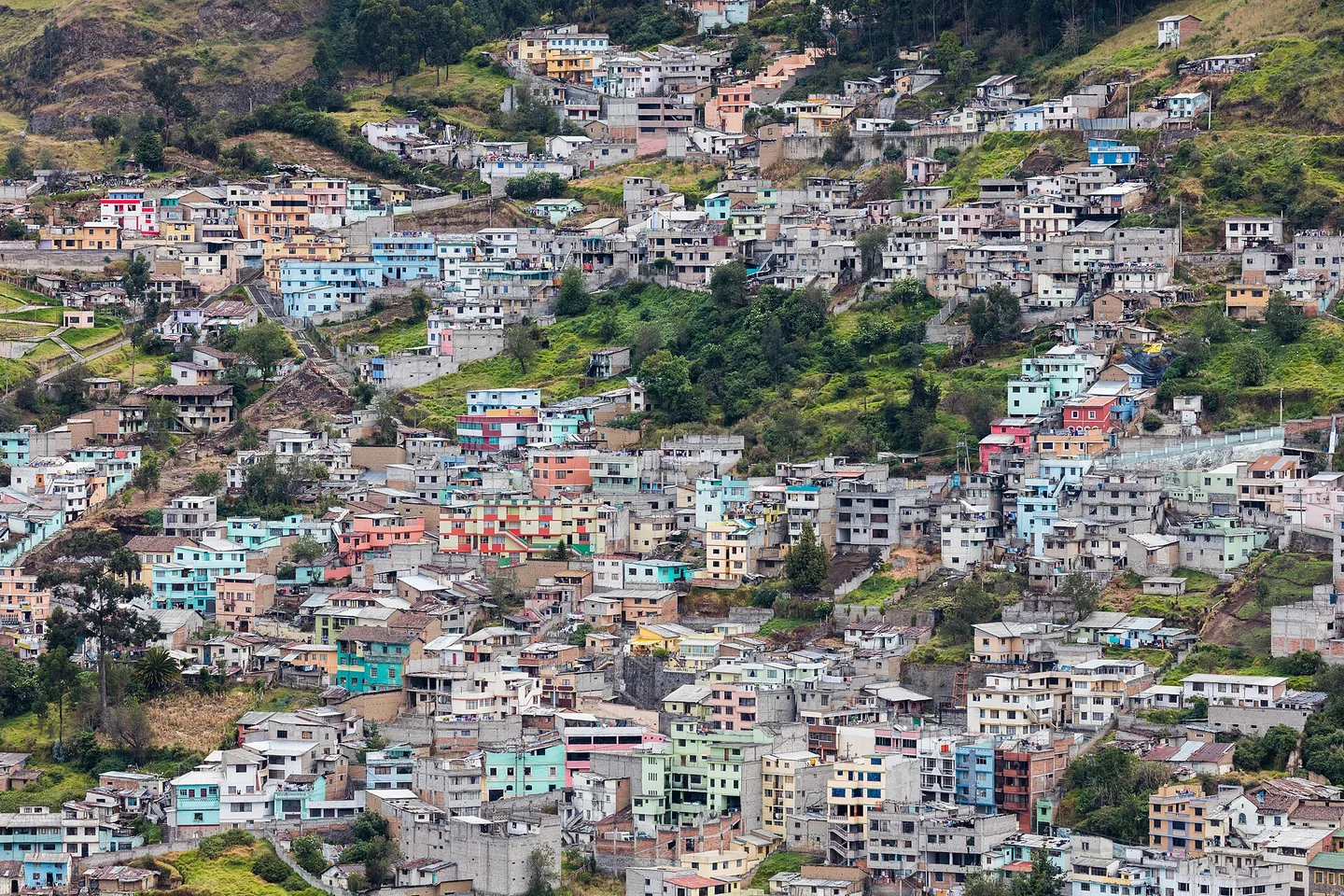
Exploring the northern corridor leads travellers into the green valleys of Imbabura province. The route winds around steep mountain passes before descending towards Otavalo. This market town is renowned for skilled weaving traditions. Local craftspeople display hand-woven woollen textiles, embroidered garments, musical instruments, and leather goods across the central plaza. The trading area fills with early activity as regional families gather to sell wares and agricultural produce.
Walking through the open stalls reveals regional Andean commerce and craft techniques. Many visitors combine market visits with walks around nearby volcanic crater lakes or cascading waterfalls set amid forested hillsides. Buses departing northern suburban terminals reach the town after traversing winding mountain corridors. Consulting our detailed Quito travel guide clarifies how regional journeys integrate with your broader metropolitan stay.
The market in Otavalo serves as a central commercial meeting point for indigenous communities from surrounding mountain villages. Weavers bring elaborate tapestries, warm ponchos, and patterned blankets produced on traditional backstrap or treadle looms. Shoppers browse stalls filled with woven belts, handmade hats, and silver jewellery. The marketplace remains one of the most significant textile trading hubs in northern Ecuador.
Food stalls around the market periphery sell fresh mountain fruit, roasted corn kernels, and regional highland snacks. Agricultural trade happens alongside the textile displays, with farmers bringing potatoes, grains, and herbs harvested from volcanic soils. The mix of rural trade and artisan craftsmanship gives travellers insight into northern highland livelihoods.
Regional Excursion Overview
Selecting between southern volcanic heights and northern artisanal basins depends on personal preferences for physical exertion and cultural immersion. Both destinations require early departures to maximise daylight hours across changing highland conditions.
| Destination | Direction from City | Primary Terrain | Main Focus |
|---|---|---|---|
| Cotopaxi National Park | South | High alpine paramo | Volcanic scenery and hiking trails |
| Otavalo Market | North | Agricultural mountain basin | Textile crafts and cultural trade |
Coordinating road transport requires understanding the layout of interprovincial bus terminals located at the outer edges of the urban rail network. Travellers heading south connect through suburban transit centres. In contrast, northern routes depart from distinct northern terminals. Studying our comprehensive overview on how to get to Quito clarifies how major transit stations link to the city centre.
Public buses depart frequently from both primary metropolitan bus stations. Terminal Quitumbe serves southern routes headed toward Latacunga and the entrance road for Cotopaxi. Terminal Carcelen handles northern departures bound for Otavalo and Ibarra. Both terminals link directly to central neighbourhoods via dedicated trolleybus and bus rapid transit corridors.
Hiring a private car with a local driver offers extra flexibility for remote detours. Drivers familiar with mountain roads navigate variable highland weather and winding curves efficiently. Private transit also allows passengers to stop at roadside viewpoints and small artisan workshops along the Pan-American Highway.
Altitude Preparation and Trail Considerations
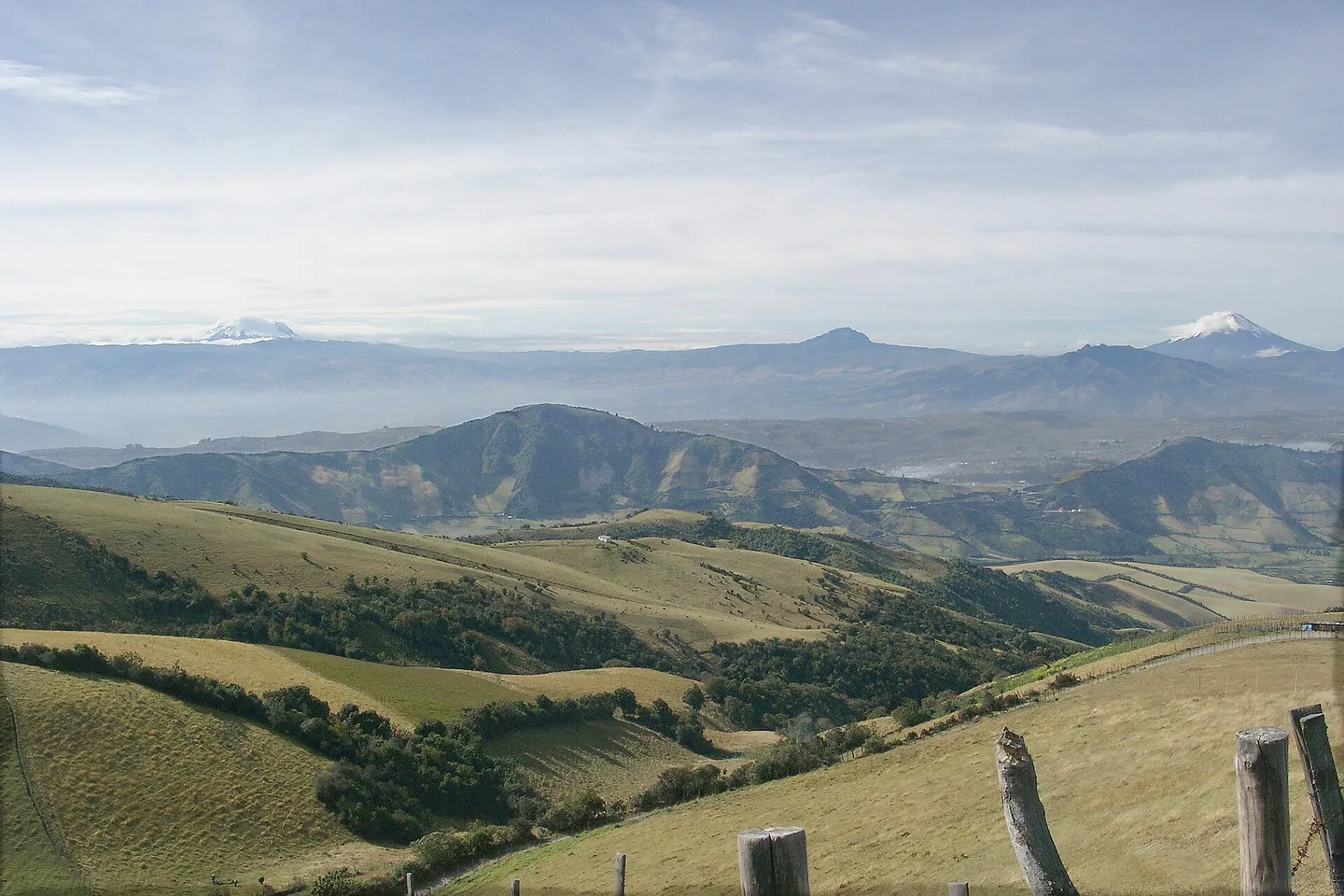
Both day excursions involve notable changes in elevation that require sensible physical pacing. Spending several days walking around the historic centre helps your body adjust before attempting high-elevation paths near volcanic slopes. The cold winds across the exposed paramo contrast sharply with sunny valley temperatures. This climate makes thermal layers, windproof jackets, and sturdy footwear essential gear.
- Pack woollen headwear and warm gloves to counter brisk mountain air.
- Drink regular water supplies to combat the drying effects of high altitude.
- Carry waterproof outer shells against sudden highland rain showers.
- Wear sturdy walking shoes with strong traction for loose volcanic gravel and dirt tracks.
Early morning departures avoid peak traffic when clearing metropolitan checkpoints. Leaving at dawn increases chances of seeing clear skies around volcanic summits. Cloud cover frequently gathers across Andean peaks by midday, obscuring panoramic vistas. Integrating these regional journeys alongside urban sightseeing gives a balanced perspective on Ecuadorian highland culture and landscapes.
Returning to the city before dusk avoids heavy commuter bottlenecks along the Pan-American corridors. Evening temperatures in the Andean basin drop rapidly once the sun sets over the western cordillera. Ending day trips with dinner in central historic plazas rounds out a demanding day in the highlands.
Official prices and opening hours
- Metro de Quito (Quitumbe – El Labrador)Official site ↗
- TelefériQo Cruz Loma Cable CarOfficial site ↗
Where it is
- 1Cotopaxi and Otavalo Excursions from Quito
- Mariscal Sucre International Airport (UIO) · about 63 km from here in a straight line
- Directions in Google Maps
Stations and taxi ranks: OpenStreetMap. Airports: OurAirports. Distances are in a straight line.
Traveller tips
Real advice from people who have been to Quito. Every tip is read by our team before it goes live.
No tips yet. Been here? Yours could be the first.
Thank you! Your tip will appear here after a quick review.
More in Quito
Continue exploring Quito with related neighbourhood, food, and planning guides
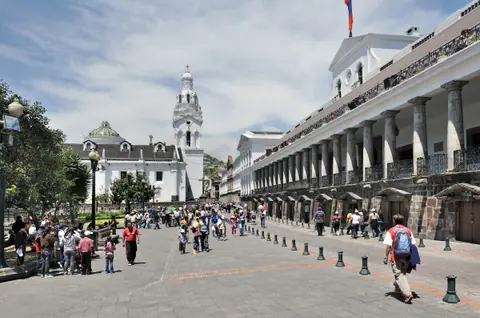
Three Days in Quito: Historic Quarters, High Ridges, and Equatorial Valleys
Quito, Ecuador
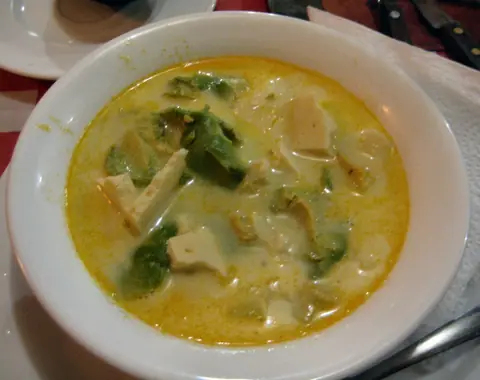
Quito Food Guide: Highland Soups, Hornado and Street Flavours
Quito, Ecuador
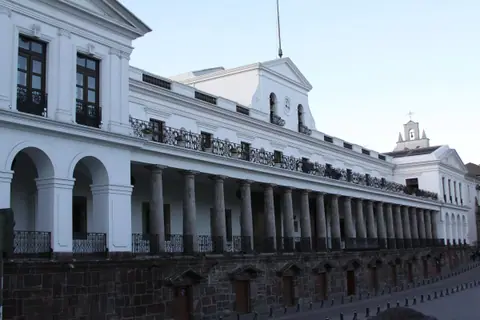
Plaza Grande, Carondelet Palace, and Quito Cathedral Field Guide
Quito, Ecuador
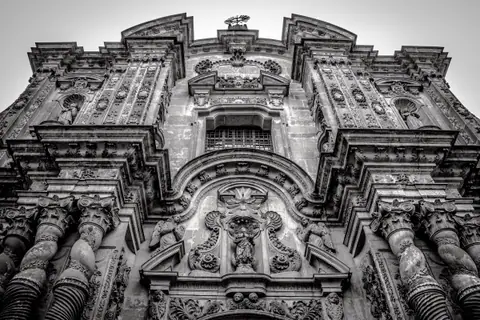
Visiting La Compañía de Jesús and Quito Baroque Gold Churches
Quito, Ecuador
