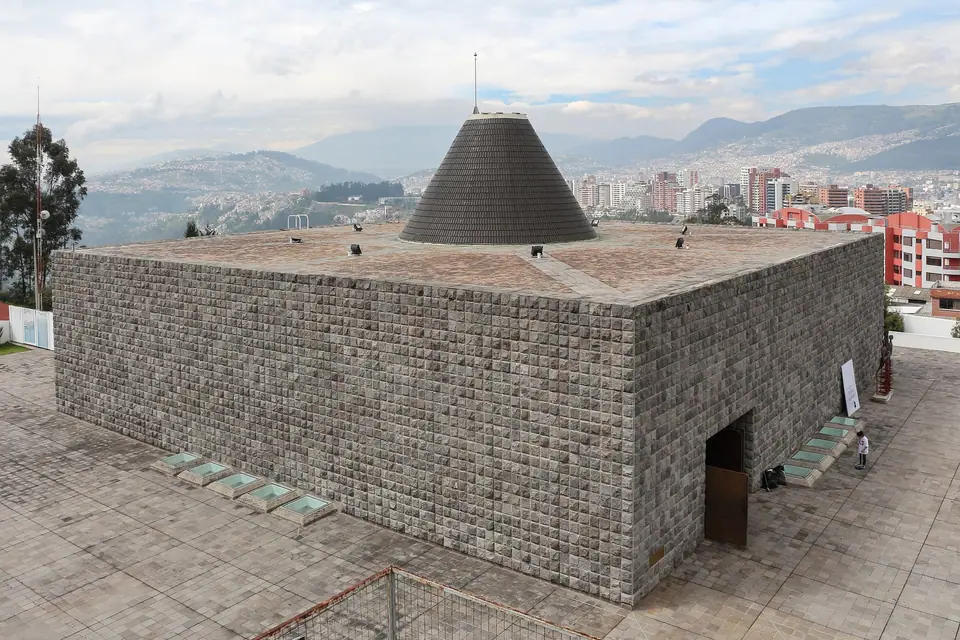
Photo: Bernard Gagnon
Capilla del Hombre, Guayasamín Museum, MuNa and La Floresta
Modern Ecuadorian fine art, dramatic hillside vistas, and creative culinary quarters define this engaging northern district circuit through modern Quito.
High above the urban basin of modern Quito, the residential heights of Bellavista shelter one of South America's most poignant artistic monuments. Oswaldo Guayasamín conceived the Capilla del Hombre as a profound tribute to the endurance and suffering of Indigenous and Latin American peoples. Reaching this hilltop sanctuary takes travellers beyond the historic core into steep residential lanes lined with eucalyptus trees and dramatic canyon overlooks. Plan city transit via airport and urban rail connections before setting off toward the eastern ridge. Local buses ascend near the entrance, though many visitors choose short taxi rides up from the valley floor.
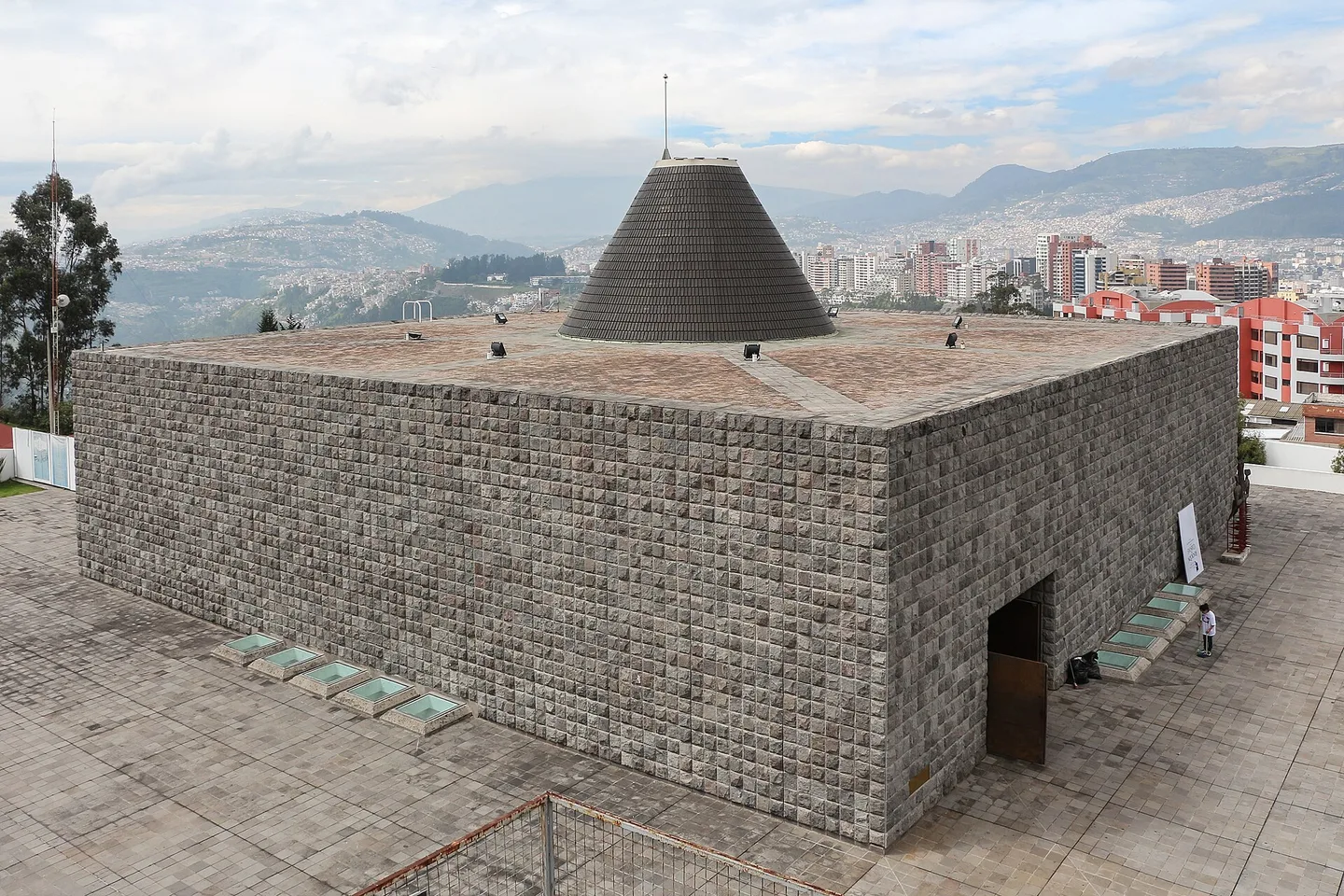
The central building rises like an ancient Andean fortress, topped by a striking copper-clad dome that catches the shifting mountain light. Inside, the soaring brick and stone spaces amplify the solemn power of monumental paintings. These works depict historical oppression, political struggles, and human solidarity with raw intensity. Because of the steep terrain, visitors should pause frequently to acclimatise while walking between the terrace paths and the indoor halls. Check official Fundación Guayasamín portals ahead of your ride uphill for current museum opening policies.

Artistic Collections Across the Guayasamín Complex
Directly beside the chapel sits the painter's former home, preserved with remarkable fidelity to his daily living and creative habits. Oswaldo Guayasamín lived here surrounded by his personal collection of pre-Columbian ceramics, colonial religious statues, and contemporary Latin American art. Broad picture windows open outward across the northern valleys, allowing natural mountain sunshine into his private studio and reading rooms. Walking through the quiet hallways presents an intimate portrait of how the artist worked during his final decades.
The grounds feature manicured gardens shaded by mature trees, where quiet stone benches offer contemplative resting spots. Under a simple pine tree in the garden rests the artist himself, buried inside an earthenware vessel beside his lifelong companion. The surrounding terraces display sweeping panoramas across the modern office districts below and the eastern Andean cordillera beyond. The combination of intense expressionist art and wide mountain panoramas creates an uplifting counterweight to the chapel's solemn interior chambers.
National Heritage at the Museo Nacional del Ecuador
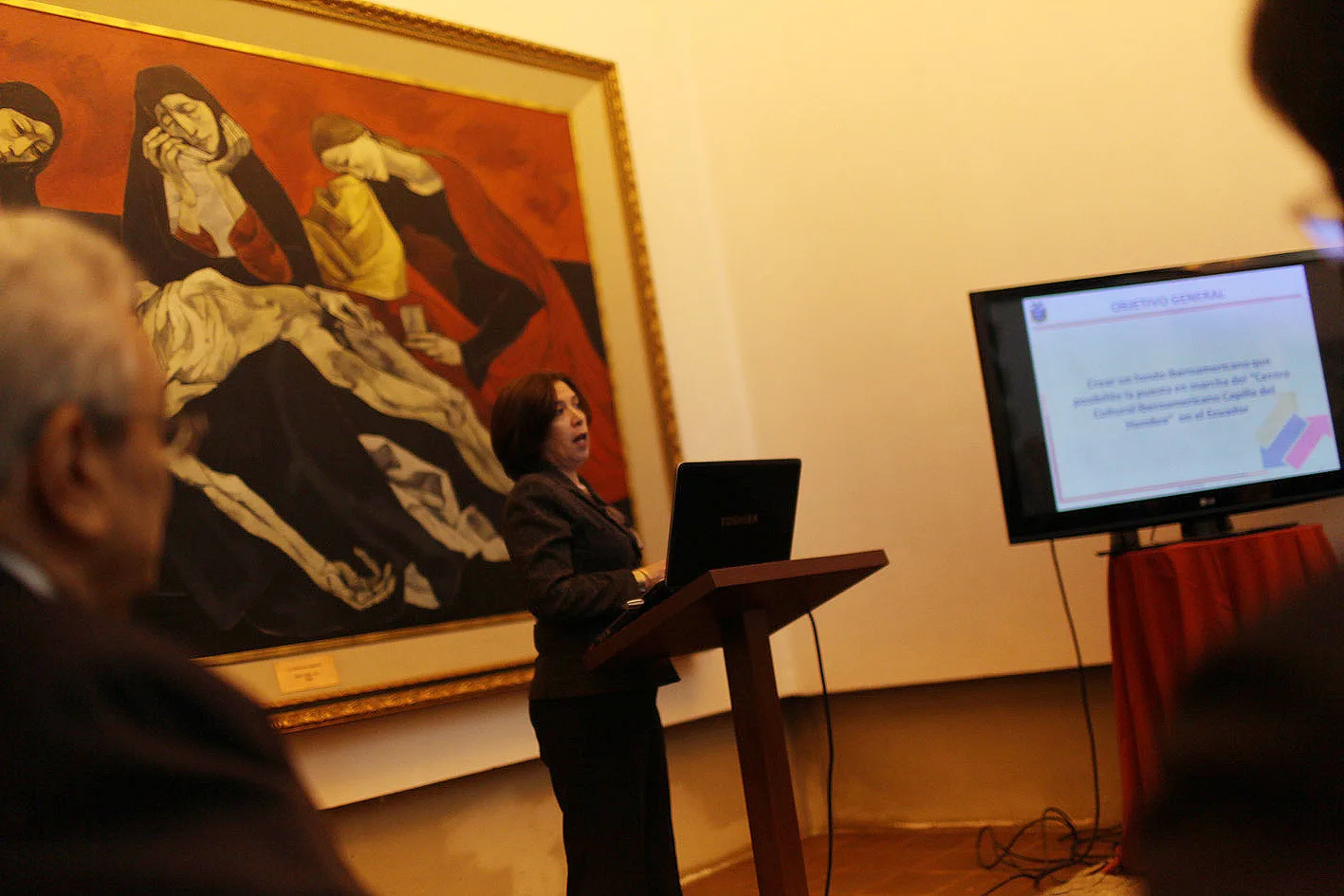
Descending from Bellavista back into the central urban grid brings you toward the cultural complex surrounding the Casa de la Cultura Ecuatoriana. Here, the Museo Nacional del Ecuador, commonly known as MuNa, houses the country's largest collection of ancestral and fine arts. The museum offers visitors a coherent chronological progression across thousands of years of human creative expression in the northern Andes. Those plotting wider regional itineraries can browse colonial plazas and mountain trails to balance museum stops with outdoor excursions.
| Cultural Stop | Primary Focus | Atmosphere |
|---|---|---|
| Capilla del Hombre | Monumental human rights murals | Solemn, architectural, contemplative |
| Guayasamín Residence | Personal collections and private studio | Intimate, domestic, panoramic |
| MuNa | Pre-Columbian gold and colonial craft | Scholarly, curated, expansive |
| La Floresta | Street murals and independent cafes | Creative, relaxed, neighbourhood-focused |
Curators at MuNa organise the galleries with meticulous attention to contextual history, leading from ancient ceramic vessels to ornate colonial religious carvings. The gold vault displays intricate pre-Columbian face ornaments, pectorals, and ceremonial masks worked by ancient coastal and highland artisans. The transition into modern rooms highlights early twentieth-century social realism, setting the stage for Guayasamín's later monumental works. The museum's flat floor plan and quiet atmosphere offer an accessible cultural break between hillside excursions.
Strolling the Creative Streets of La Floresta
Immediately south of the national museum lies the historic neighbourhood of La Floresta, established in the early twentieth century as a garden suburb. Today, the district thrives as the city's creative hub, celebrated for its leafy roundabouts, independent cinemas, and bright street art. Strolling down pedestrian-friendly avenues reveals colourful murals painted on courtyard walls, blending whimsical modern designs with traditional folkloric motifs. The neighbourhood's relaxed pace makes it an ideal spot to spend a quiet afternoon on foot.
- Follow the mural trails winding through residential side streets between major avenue roundabouts.
- Sample regional specialty filter coffee in independent courtyard roasteries run by local growers.
- Browse artisan craft shops selling handmade ceramics, leatherwork, and sustainably sourced Andean textiles.
- Conclude your walking circuit around the central plaza as neighbourhood food stalls open at dusk.
Cafes and small bakeries line the avenues, serving single-origin coffees grown in cloud forests along the western Andean slopes. In the evening, the quarter comes alive around its central square, where family-run stalls serve traditional street food dishes. La Floresta presents a relaxed, contemporary contrast to the Spanish colonial architecture of the historic centre. When ready to move on, hail an official street cab or walk toward the transit corridors on the western edge.
Official prices and opening hours
- Metro de Quito (Quitumbe – El Labrador)Official site ↗
- TelefériQo Cruz Loma Cable CarOfficial site ↗
Where it is
- 1Capilla del Hombre, Guayasamín Museum, MuNa and La Floresta
- Mariscal Sucre International Airport (UIO) · about 15 km from here in a straight line
- Directions in Google Maps
Stations and taxi ranks: OpenStreetMap. Airports: OurAirports. Distances are in a straight line.
Traveller tips
Real advice from people who have been to Quito. Every tip is read by our team before it goes live.
No tips yet. Been here? Yours could be the first.
Thank you! Your tip will appear here after a quick review.
More in Quito
Continue exploring Quito with related neighbourhood, food, and planning guides