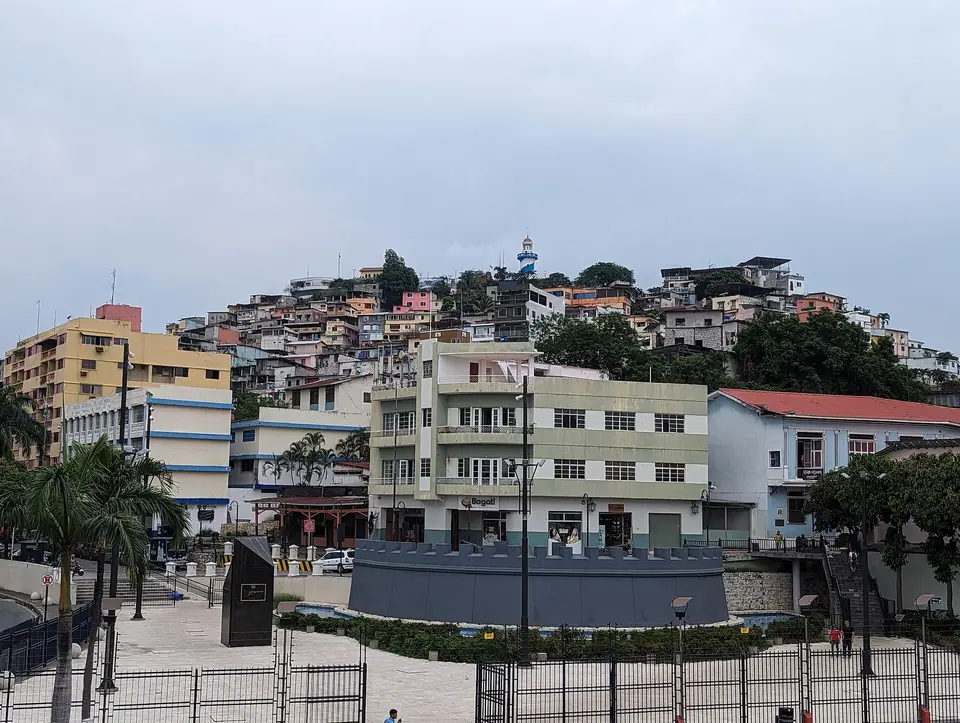
Guayaquil
Guayaquil borders the wide Río Guayas with breezy waterfront promenades, painted hillside stairways, traditional Pacific seafood, and warm tropical weather all year round.
Quick decisions
How many days?
Plan two to three days to explore the riverfront walkways, ascend Cerro Santa Ana, and sample coastal seafood before onward journeys.
Where should I stay?
Choose modern flats in Puerto Santa Ana for quiet nights, or select hotels along Malecón 2000 for direct riverside access.
Do I need a car?
Avoid driving a private car in central traffic; rely instead on the Metrovia bus rapid transit network and licensed app taxis.
Best for
Ideal for coastal food lovers, architecture fans interested in restored historic wooden houses, and travellers heading toward national parks.
Before you go
Prepare for tropical warmth by packing breathable cotton clothes, and arrange daytime walking routes to avoid unlit side alleys after dusk.
Getting around
Board the dedicated Metrovia bus lines for fast north to south travel, or book radio taxis directly from hotel desks.
Continue your trip
Head inland towards mountain valleys or board local flights to coastal provinces, checking regional schedules before departing the central bus terminal.
Overview
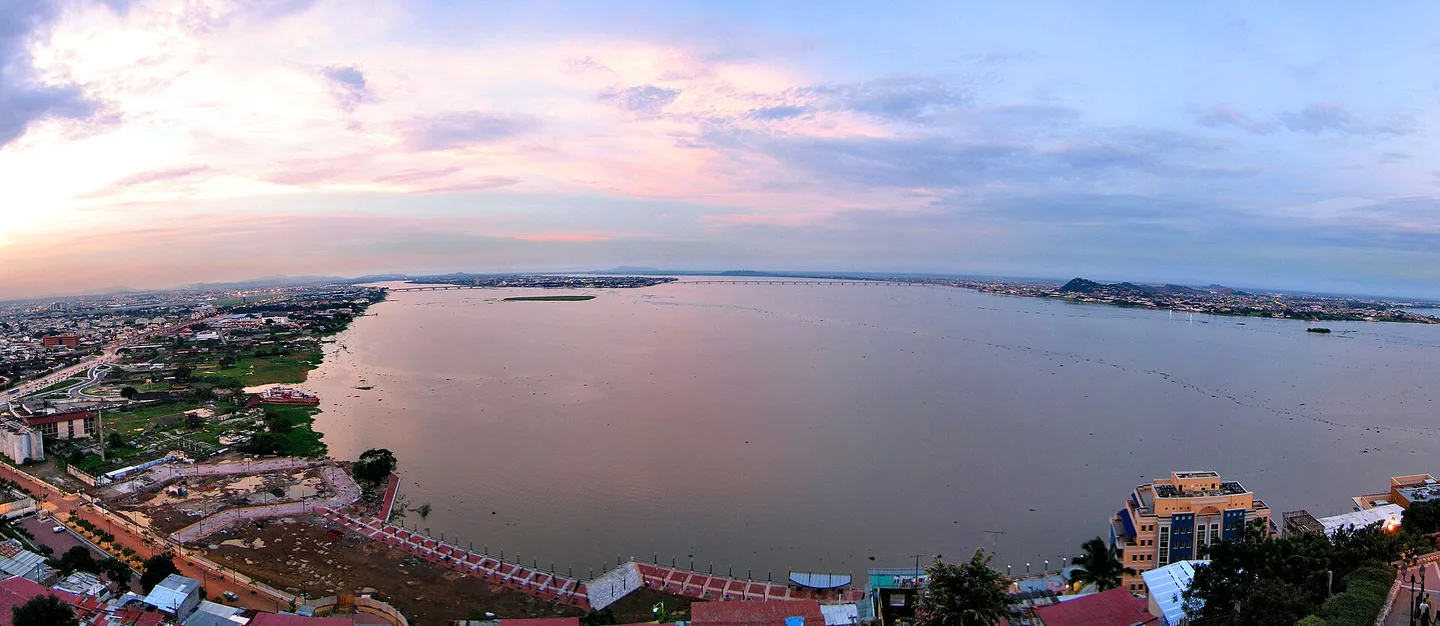
Guayaquil serves as the principal economic hub and maritime gateway of Ecuador, sprawling across the western banks of the broad Río Guayas. Maritime breezes bring gentle relief to the tropical humidity. Leafy plazas and long riverfront paths create pleasant gathering grounds for local families and visiting travellers alike.
Life here moves to an energetic coastal rhythm quite distinct from the Andean highlands. Restored colonial facades, modern riverside towers, and brightly painted wooden houses climb the slopes above the water. These hills offer open views across the shipping channels and tidal mangroves.
Temperatures remain warm across the year, with daytime maximums regularly reaching 28.6°C to 30.0°C across all twelve months. The wettest conditions occur from January through April, when monthly rainfall ranges from 191 mm to 354 mm. In contrast, dry winter months from July to November see monthly rainfall drop to 12 mm to 33 mm.
Evening temperatures stay balmy, typically hovering between 20.9°C and 24.0°C. Walking along the riverfront after sunset provides a welcome drop in heat. Gentle river winds make late-day strolls comfortable for residents and visitors.
Getting there
José Joaquín de Olmedo International Terminal sits just five kilometres north of the city centre, making initial arrivals straightforward. Official yellow taxi ranks operate outside the arrival doors, offering fixed fares to central hotels, whilst app-based car bookings pick up from marked roadside bays.
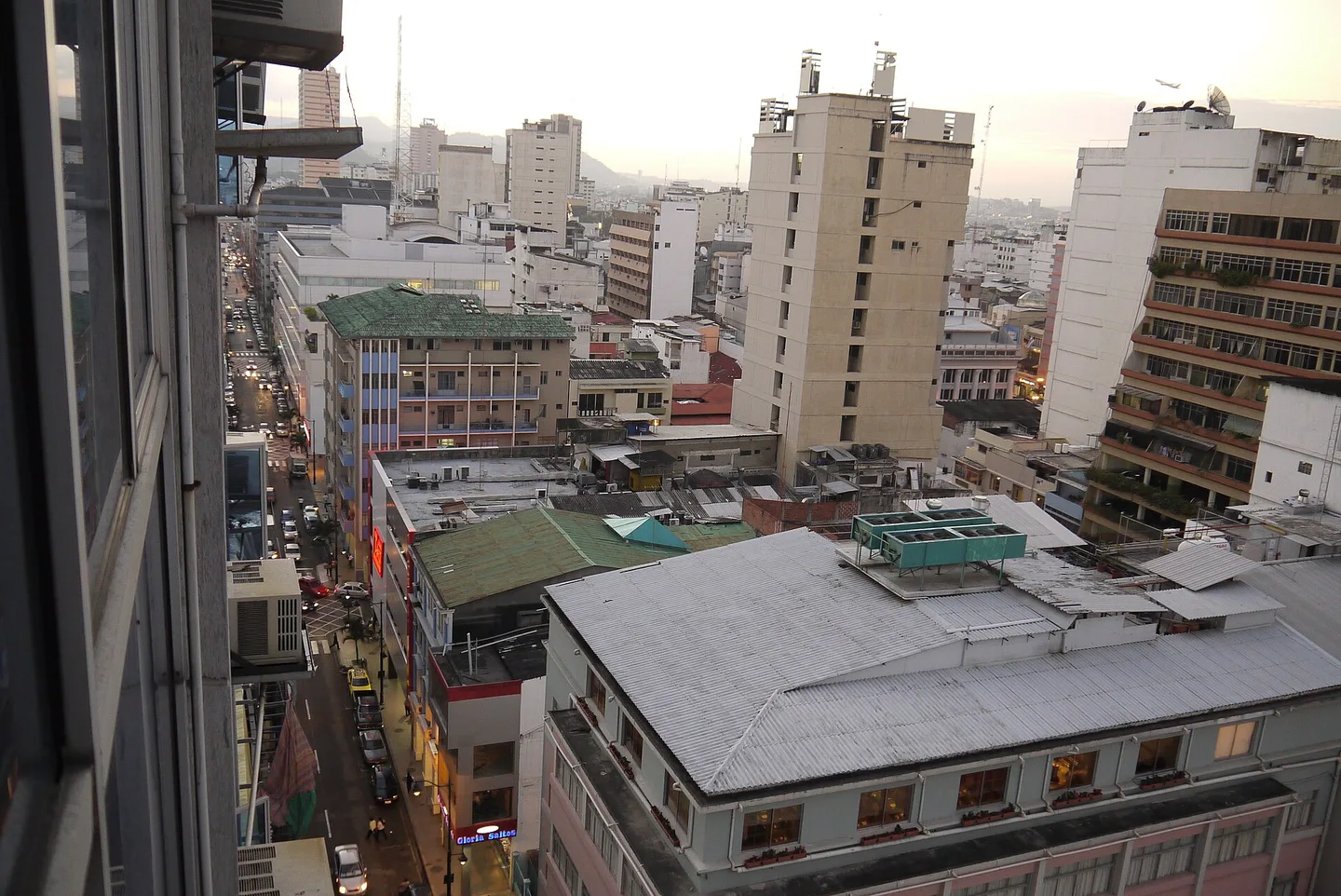
For ground transport, the Metrovia system runs along dedicated trunk corridors, connecting major transit hubs without getting trapped in regular gridlock. Stations feature elevated platforms and turnstiles that speed up boarding during peak commute hours.
The main interprovincial bus terminal sits directly adjacent to the flight terminal. This close layout allows arriving passengers to transfer quickly toward coastal beaches or highland routes without crossing town. Ticketing offices occupy clearly marked upper levels with digital departure boards.
When planning connections across town, check practical travel advice to navigate local transfer points comfortably. Licensed taxi ranks remain the safest choice after dark when leaving busy transit plazas.
Where to stay
Puerto Santa Ana represents one of the most secure and modern bases in the city, packed with riverfront cafes, apartment buildings, and patrolled boardwalks. Staying here puts you within easy walking distance of the historic hillside quarter while maintaining a tranquil atmosphere at night.
Travellers seeking historic character often select established hotels facing Malecón 2000, where morning walks along the water are effortless. Many riverfront properties offer rooftop terraces overlooking the passing tugboats and naval vessels.
Suburbs like Samborondón offer leafy gated hotels across the bridge, whereas central guesthouses detailed in our neighbourhood guide suit independent explorers. These central options place you within a short stroll of historic markets and civic gardens.
Budget guesthouses cluster in the streets around 9 de Octubre avenue. While convenient for shopping, check room security and choose properties on well-lit corners with staffed reception desks.
Things to do
Begin your day with a morning climb up Cerro Santa Ana, ascending the painted steps between artist workshops and open-air cafes to reach the hilltop chapel and navy lighthouse. The view from the summit stretches over the convergence of the rivers and the downtown skyline.

Follow the river south along Malecón 2000 to reach Parque Seminario, famous for the tame land iguanas resting peacefully on garden lawns beneath the cathedral towers. Shaded benches allow visitors to observe these prehistoric reptiles as local caretakers distribute fresh leafy greens.
Las Peñas neighbourhood preserves nineteenth-century architecture with cobblestone lanes and restored wooden houses. Art galleries and cultural foundations occupy these historic buildings, hosting rotating exhibitions of regional painters and sculptors.
Balance your schedule by checking outdoor activities and our curated three-day route for sensible pacing. Planning your walk during morning hours helps you avoid the strongest midday sun.
Food and drink
Guayaquil stands out for fresh Pacific seafood prepared with lime, coriander, and sweet red onions. A morning bowl of encebollado, a fragrant tuna broth enriched with yuca and pickled onions, is the definitive local breakfast that fuels workers and visitors.
Green plantains feature heavily across every menu, transformed into crisp patacones, rich bolones de verde stuffed with fresh cheese, or savoury seafood soups. Street vendors fry plantains fresh on order, serving them with hot cups of black coastal coffee.
Riverside restaurants along Puerto Santa Ana serve fresh ceviche accompanied by toasted corn and plantain crisps. Marinated shrimp, black clams, and white fish form the base of these cold broths, seasoned with sour orange and local herbs.
Cangrejo criollo, the local red mangrove crab, draws large family gatherings on weekends. Diners crack spiced crab legs using wooden mallets, enjoying the rich meat alongside corn cobs and garlic butter sauce.
Culture
Port culture here is open, warm, and communal, with public plazas filling with families as the afternoon heat softens. Local residents appreciate polite greetings when entering shops, and modest dress is expected when entering religious buildings like the Metropolitan Cathedral.
Stay aware of your belongings in dense market districts, keeping cameras out of sight outside designated pedestrian zones. Registered taxis and app transport services remain the most reliable way to travel back to your hotel late at night.
Artisanal markets near the waterfront display handwoven straw hats, carved tagua nut trinkets, and coastal cocoa confectionery. Ecuador produces aromatic fine-flavour cacao, and local chocolatiers offer single-origin bars highlighting distinct river valley harvests.
For balanced pacing between cultural museums and riverside walks, check our airport and bus arrival advice before setting out on foot. Early starts allow you to experience the morning rhythm along the piers before river breezes pick up.
Official prices and opening hours
- Malecón 2000 Riverfront Boardwalk & Las Peñas StairsOfficial site ↗
Weather by month
Guayaquil is warmest in December, with average highs around 30°C, and coldest in August, when nights drop to about 21°C. March is the wettest month by rainfall (354 mm), with rain on most days.
| Month | Low | Range | High | Rain | Rainy days |
|---|---|---|---|---|---|
| Jan | 24°C | 29°C | 191 mm | 19 d | |
| Feb | 24°C | 29°C | 276 mm | 24 d | |
| Mar | 24°C | 29°C | 354 mm | 25 d | |
| Apr | 24°C | 30°C | 229 mm | 19 d | |
| May | 23°C | 29°C | 95 mm | 14 d | |
| Jun | 22°C | 29°C | 38 mm | 7 d | |
| Jul | 22°C | 29°C | 33 mm | 6 d | |
| Aug | 21°C | 29°C | 12 mm | 3 d | |
| Sep | 21°C | 29°C | 19 mm | 4 d | |
| Oct | 21°C | 29°C | 22 mm | 5 d | |
| Nov | 21°C | 29°C | 18 mm | 4 d | |
| Dec | 23°C | 30°C | 57 mm | 10 d |
Averages of daily values from 2015 to 2024. Rainy days are days with at least 1 mm of rain. Source: Open-Meteo · Compare destinations by month.
Guayaquil on the map
Every place we cover in Guayaquil. Tap a category or pin to explore.
In-depth Guayaquil guides
Browse the guides grouped by topic: sights, neighbourhoods, food, transport, day trips and trip planning.
Sights, Landmarks & Parks
Key monuments, viewpoints, museums and nature trails.
 Exploring Guayaquil: Riverfront Promenades, Hillside Stairs, and Historic QuartersGuayaquil pairs broad riverfront walkways along the Guayas with restored wooden quarters, sunbathing green iguanas, and panoramic hill outlooks.
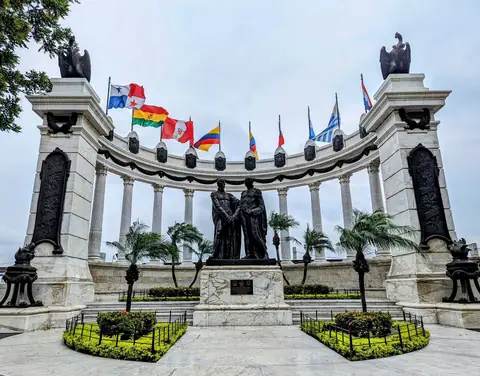 Malecón 2000, La Rotonda and Guayas Riverfront Guide, GuayaquilStretching beside the sweeping Guayas River, Malecón 2000 offers tranquil gardens, historic civic monuments, and elevated promenades through central Guayaquil.
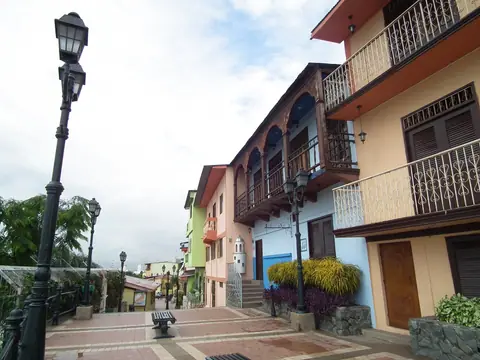 Barrio Las Peñas, 444 Steps & Cerro Santa Ana Lighthouse Guide, GuayaquilRising from the Guayas riverfront, Barrio Las Peñas and the steps of Cerro Santa Ana form the historic heart of Guayaquil.
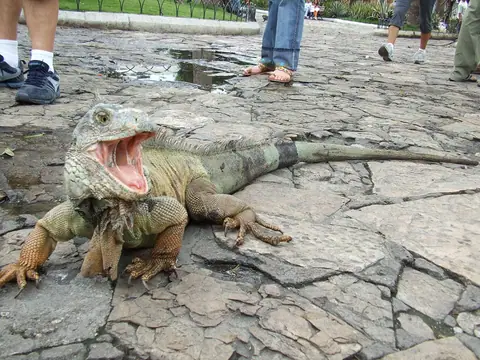 Parque Seminario Iguana Colony and Metropolitan Cathedral Guide, GuayaquilParque Seminario offers an unusual urban refuge in Guayaquil where dozens of wild green iguanas gather under historic cathedral spires.
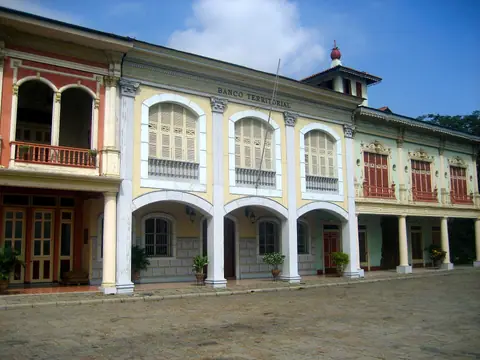 Parque Histórico and Puerto Santa Ana: Riverside Culture and HeritageParque Histórico Samborondón and Puerto Santa Ana showcase Guayaquil riverside heritage through preserved wooden architecture, lush mangrove paths, and modern waterfront promenades.
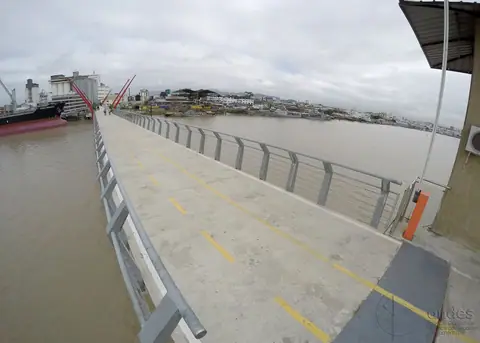 Cerro Blanco, Isla Santay and Manglares Churute Eco-GuideThree distinct nature reserves surround the coastal port, protecting fragile dry forest hills, river wetlands, and sprawling estuarine mangroves.
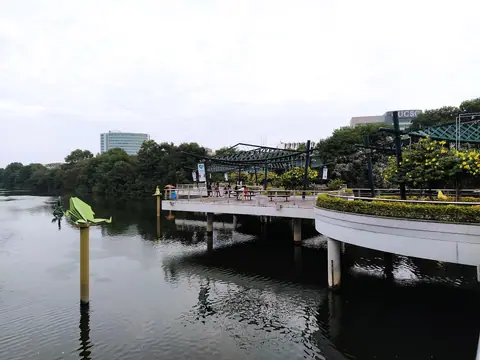 Malecón del Salado, Urdesa and Downtown MuseumsPeaceful saltwater boardwalks line Estero Salado before travellers taste traditional dishes in Urdesa and uncover ancient artefacts downtown.
Neighbourhoods & Where to Stay
Districts, historic quarters and the best bases for your stay.
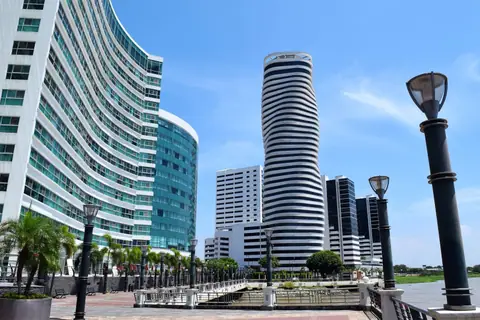
Food & Drink
Local dishes, markets, cafés and dining districts.
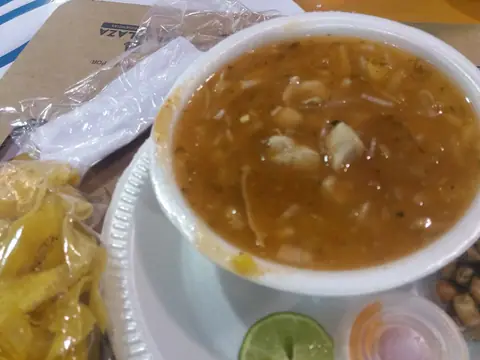
Getting Around & Arrival
Airport transfers, public transit, passes and driving rules.
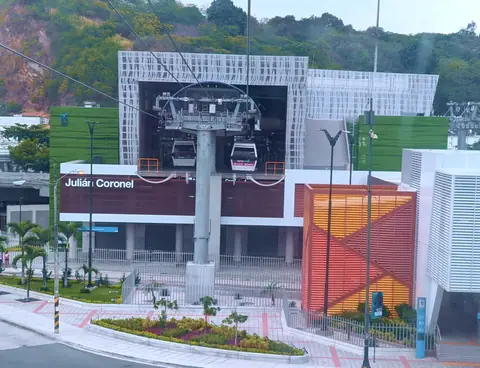
Day Trips & Excursions
Easy half-day and full-day trips from the city.
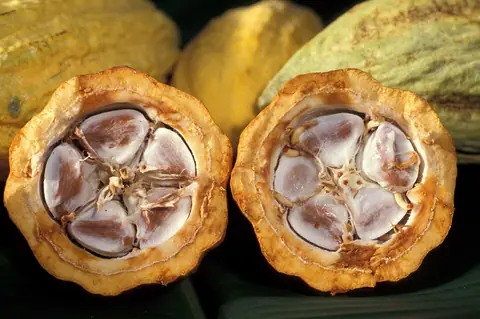 Arriba Nacional Cacao Haciendas and Chocolate in GuayaquilTraditional cacao groves, tasting rooms, and river heritage routes spread outward from Guayaquil across the fertile Guayas lowlands.
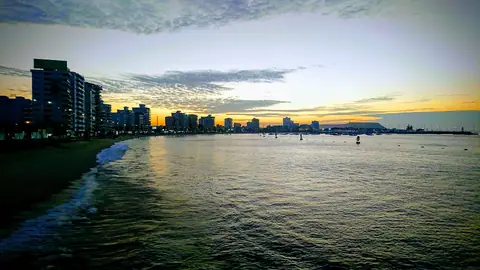 Pacific Coast Day Trips from Guayaquil: Playas Villamil, Puerto El Morro and SalinasEscape the Guayas riverfront for the broad sandbanks, coastal seafood shacks, and Pacific marine trails stretching across the Santa Elena Peninsula.
Trip Planning & Itineraries
When to visit, what to pack and day-by-day routes.
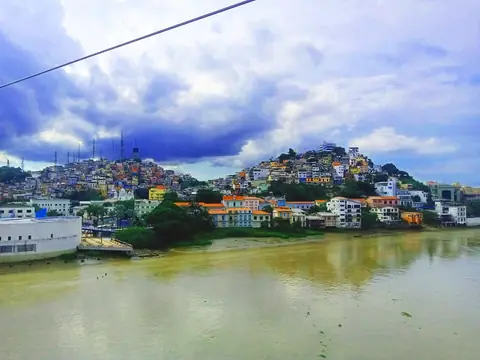 Guayaquil: Río Guayas Layout, Estero Salado and Galápagos HubGuayaquil balances its sprawling port channels and peaceful mangrove estuaries while serving as Ecuador's primary overland and aviation springboard.
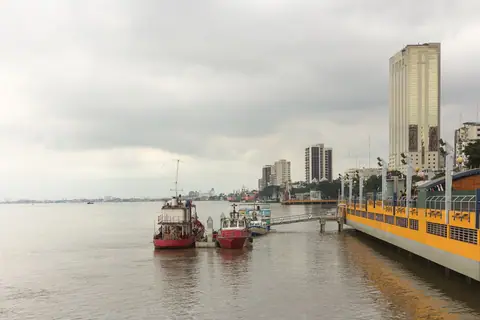 Guayaquil Climate and Seasonal Calendar GuideWe plan Guayaquil journeys around mild dry river breezes, humid tropical showers, and bright festive gatherings along the boardwalk.
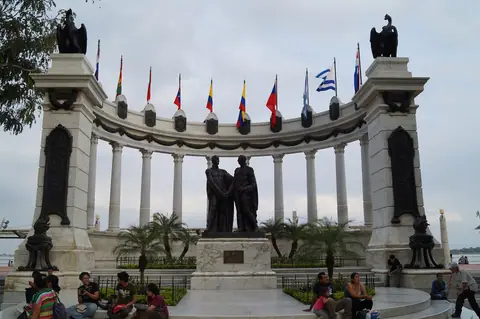 3 Days in Guayaquil: Malecón 2000, Las Peñas, and Riverside HeritageWe navigate riverside promenades, historic wooden stairways, botanical enclaves, and rich cacao heritage across three balanced days along the Guayas River.
Need your embassy or consulate in Ecuador? See embassies and consulates in Ecuador.
Reviews
Log in to write a review.
No reviews yet.