Guayaquil Climate and Seasonal Calendar Guide
We plan Guayaquil journeys around mild dry river breezes, humid tropical showers, and bright festive gatherings along the boardwalk.
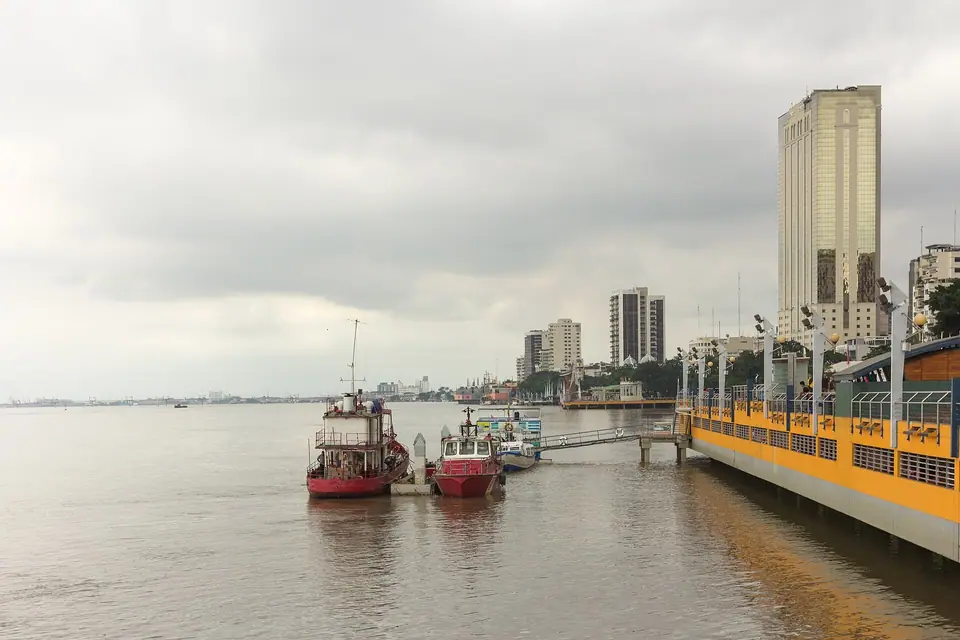
Guayaquil sits beside the wide river estuary where oceanic currents shape distinct atmospheric patterns across each calendar cycle. The dry period brings grey or filtered sunshine paired with cooling breezes sweeping inland from the Pacific Ocean. Strolling along the water becomes pleasant as humidity drops substantially compared to early months of the year. Visitors exploring Guayaquil find that extended walking itineraries along open promenades feel far more comfortable during this temperate weather window.
River breezes create stable conditions for ascending hillside staircases without enduring intense tropical midday heat. Morning mist often clears by noon, revealing gentle afternoon light across the broad channel where boats travel between shipping docks and passenger piers. Families gather along shaded park lawns while casual walkers navigate riverside paths without sudden downpours disrupting their progress. Outdoor sightseeing flows naturally when the coastal air remains steady throughout the daylight hours.
The coastal microclimate reacts directly to movements of marine currents off the shore. Cool offshore currents suppress evaporation during certain months, resulting in blanketed skies that shield walkers from harsh ultraviolet rays. This atmospheric cushion keeps urban stone walkways cooler underfoot, which benefits visitors spending entire days on foot across downtown districts.
Dry Humboldt Season and Riverfront Walking
The Humboldt period settles across coastal Ecuador with steady, dependable cloud cover and brisk southern ocean winds. Cooler air keeps daytime temperatures moderate, allowing travellers to tackle long outdoor routes without rapid dehydration or heavy exhaustion. We recommend planning extensive walking tours during these months to appreciate open public gardens and river viewpoints without battling oppressive afternoon heat.
Climbing the steps of historic hillsides requires sustained effort that feels manageable under milder coastal skies. Waterfront paths stay clear of muddy puddles, while garden pavilions supply restful stops between urban landmarks. Selecting central accommodation through neighbourhood lodging choices lets you walk directly to riverside plazas in the breezy late afternoon.
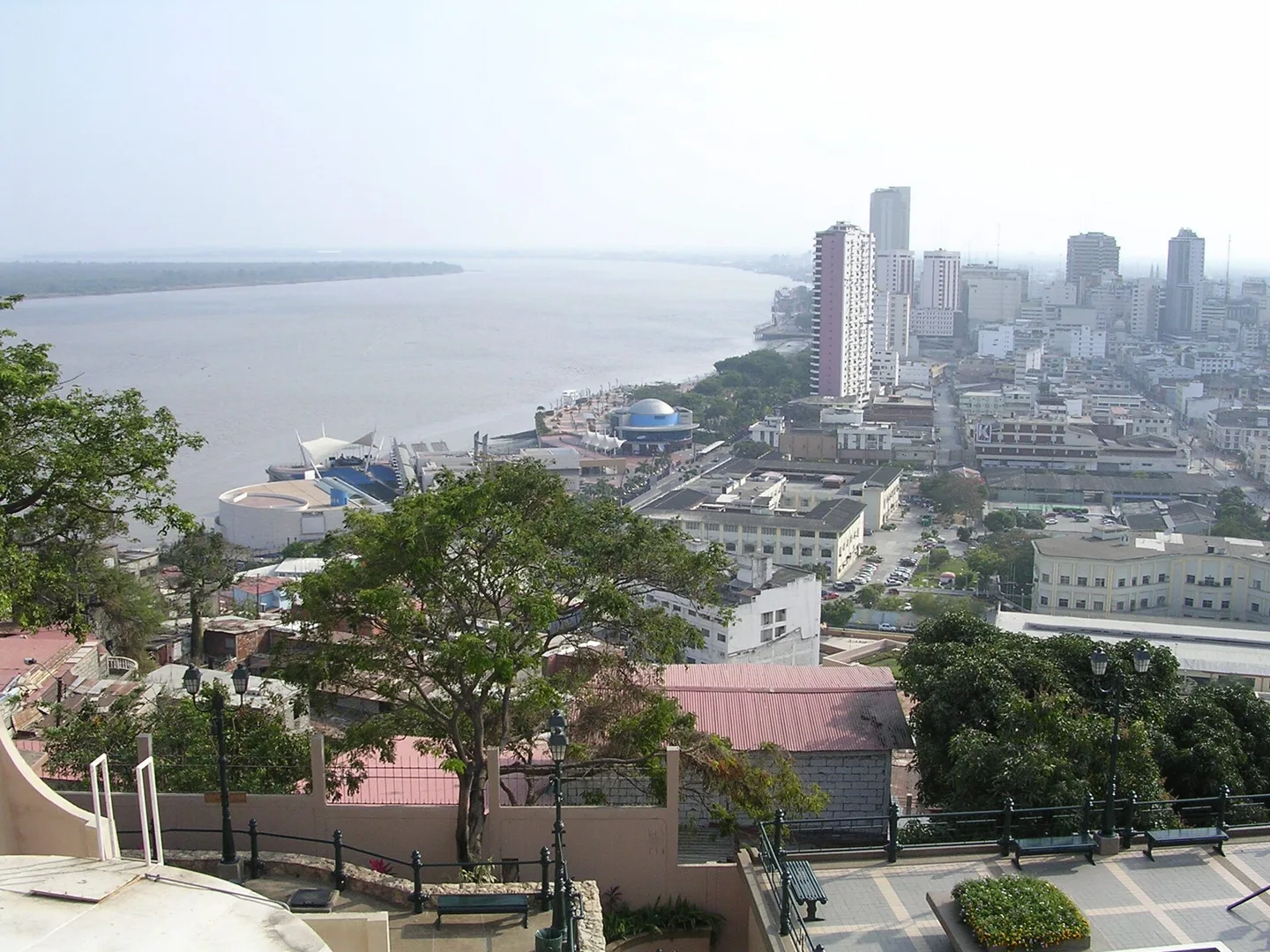
Evenings during the dry season bring refreshingly cool draughts across the boardwalk, drawing residents outside after work. Street lamps illuminate the granite pathways while maritime trade vessels drift past on the calm estuary surface. Carrying a light layer protects against the brisk river breeze after dusk, especially near elevated viewpoints along the northern edge of the historic waterfront.
Dry weather also simplifies transit across town, as ground transport runs without street flooding delays. Public plazas fill with art vendors, street musicians, and community groups enjoying the mild air until late evening. The combination of gentle wind and reliable footing makes this window optimal for older travellers and families travelling with young children.
Wet Season Showers and Tropical Humidity
Tropical warmth shifts dramatically as equatorial currents push warm ocean water toward the coastal gulf. Humidity levels rise sharply, generating brilliant blue skies in the morning followed by heavy, concentrated downpours in the mid-afternoon. Navigating the city requires flexible daytime pacing to balance sudden rainfall against outdoor explorations.
Heavy rainstorms often clear within an hour or two, leaving behind freshly washed pavements and green urban gardens. Travellers should schedule indoor galleries, covered shopping arcades, and relaxed dining breaks during the predictable afternoon shower window. Checking Metrovia and regional coach connections helps avoid waterlogged avenues during sudden torrential outbursts.
The warm season also bathes the city in intense tropical sunlight whenever clouds part over the estuary. Morning light reflects brilliantly across church facades and tiled plazas, creating rich conditions for architectural photography before noon. Hydration remains essential throughout these sunlit intervals, requiring regular stops at shaded cafes or quiet indoor cloisters.
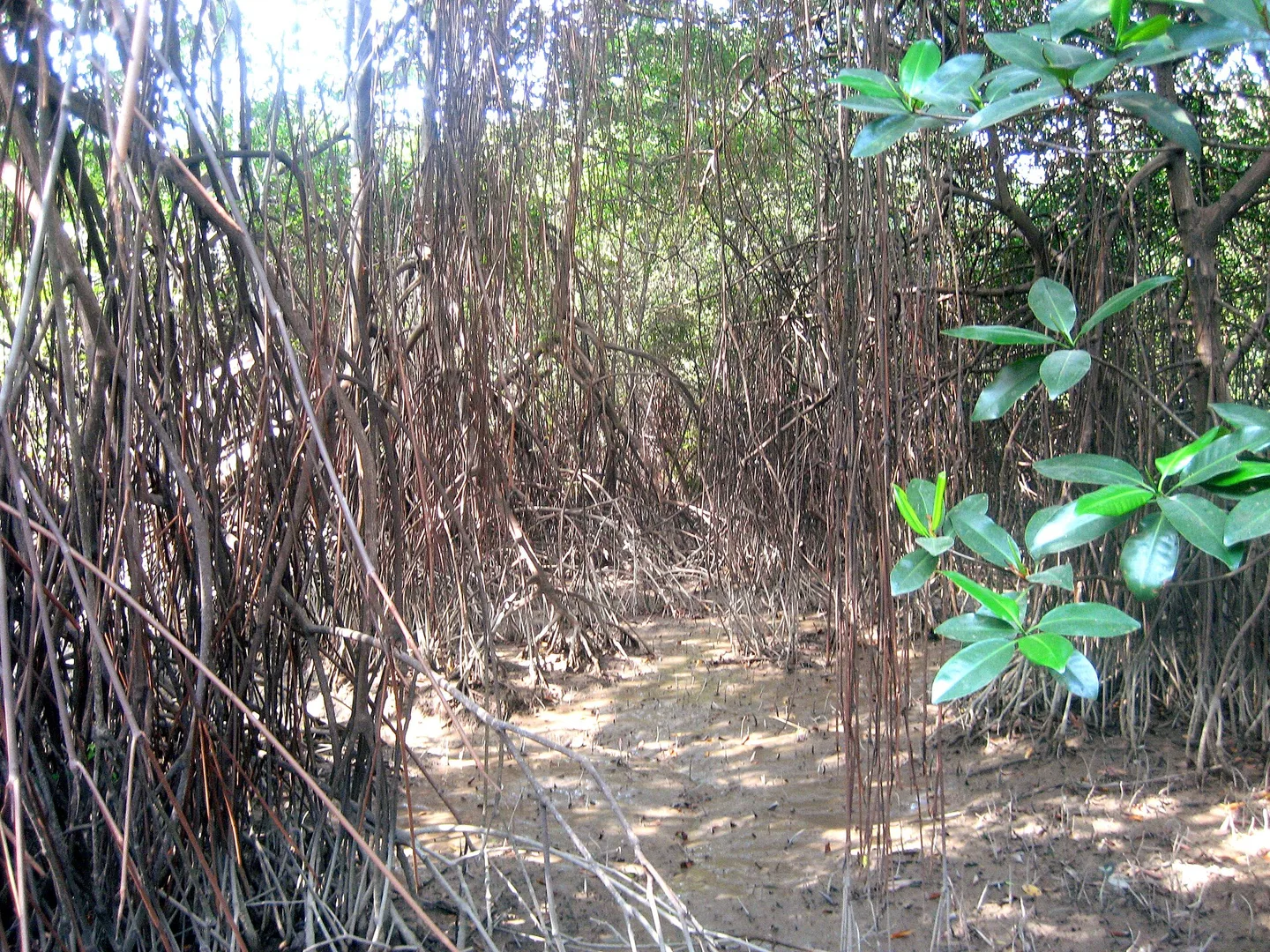
Warm rains nourish the broad mangrove channels and botanical reserves fringing the metropolitan borders. Bird life flourishes along the riverbanks, where egrets and herons feed actively in the nutrient-rich water. Taking boat rides through the estuary during dry morning hours offers close looks at these thriving coastal habitats before afternoon clouds gather.
Seasonal Comparison Across the Year
Understanding the balance between cloud cover, humidity, and rainfall helps align personal travel preferences with regional conditions. The following overview details how distinct seasonal phases influence outdoor walking, city transport, and daily sightseeing routines.
| Season | Atmospheric Character | Walking Comfort | Best Daily Focus |
|---|---|---|---|
| Humboldt Dry Months | Overcast skies, cool breezes, low rainfall | High comfort for stairs and riverside paths | Outdoor monuments, hill ascents, open gardens |
| Transition Weeks | Variable sunshine, rising warmth, rare showers | Moderate comfort with midday shade needed | Mixed indoor museums and evening river walks |
| Equatorial Wet Months | Bright morning sun, heavy afternoon rain, humidity | Best during morning hours; indoor shelter by noon | Covered markets, cultural centres, early photography |
Each climatic window offers distinct advantages depending on whether you prefer cooler strolls or radiant sunshine. The table highlights why comfortable footwear and adaptable schedules remain practical year-round across the coastal lowlands.
During transition periods between wet and dry cycles, wind directions shift gradually over the Gulf of Guayaquil. These transitional weeks present unpredictable afternoons where sunny spells alternate with brief coastal squalls. Packing adaptable clothing layers allows visitors to transition smoothly between air-conditioned interiors and breezy waterfront paths.
Festive Dates and Neighbourhood Planning
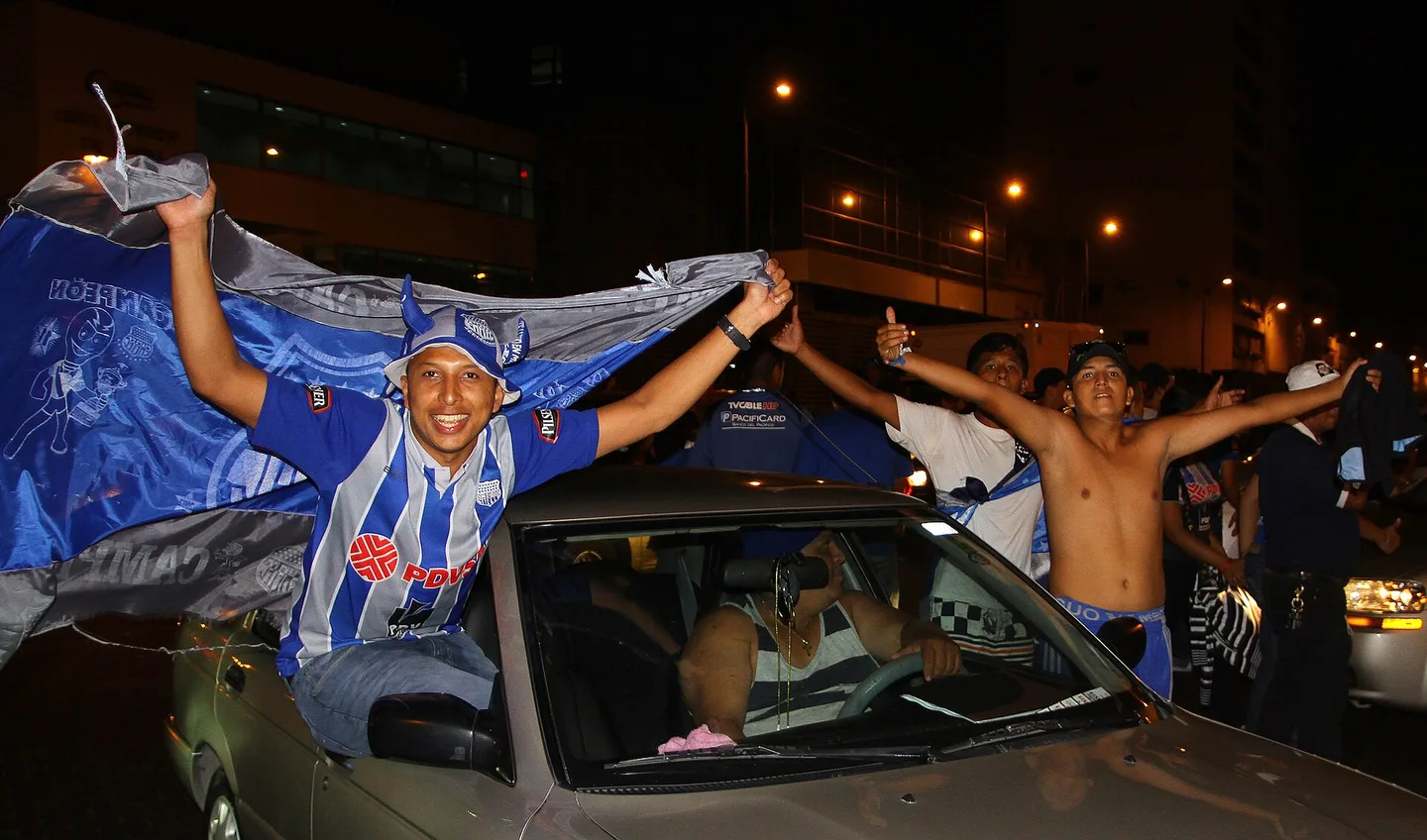
Civic celebrations alter the tempo of urban life, filling broad boulevards with patriotic parades, music stages, and community dancing. Holiday weeks see lively gatherings across central avenues, where sports supporters and cultural troupes share the public space. Planning your visit around major municipal festivals provides insight into regional pride and maritime heritage.
During major celebration periods, city districts organise special cultural exhibitions and riverfront concerts near historic docks. You can explore a broader spectrum of local attractions through sightseeing options to balance festival parades with quiet nature reserves.
When planning your calendar, consider the contrast between quiet weekday mornings and active weekend festivities. Early starts reward visitors with peaceful boardwalk promenades before festival crowds gather along main avenues. Pairing seasonal awareness with sensible neighbourhood pacing yields a rich encounter with this lively port city.
Local markets experience heightened activity during festival weeks, offering regional fruits and coastal specialities at peak freshness. Strolling through historical market halls lets you taste tropical produce harvested from nearby agricultural valleys. Scheduling market trips in early daylight hours avoids both peak humidity and heavy afternoon shopping traffic.
- Pack breathable cotton garments and sturdy walking shoes suitable for both dry paving and humid riverside steps.
- Carry a compact umbrella or light waterproof shell when exploring between January and April.
- Schedule hillside stair climbs during breezy dry mornings to avoid intense midday heat.
By tailoring your travel dates to these natural coastal rhythms, you experience the port city at its very best.
Weather by month
Guayaquil is warmest in December, with average highs around 30°C, and coldest in August, when nights drop to about 21°C. March is the wettest month by rainfall (354 mm), with rain on most days.
| Month | Low | Range | High | Rain | Rainy days |
|---|---|---|---|---|---|
| Jan | 24°C | 29°C | 191 mm | 19 d | |
| Feb | 24°C | 29°C | 276 mm | 24 d | |
| Mar | 24°C | 29°C | 354 mm | 25 d | |
| Apr | 24°C | 30°C | 229 mm | 19 d | |
| May | 23°C | 29°C | 95 mm | 14 d | |
| Jun | 22°C | 29°C | 38 mm | 7 d | |
| Jul | 22°C | 29°C | 33 mm | 6 d | |
| Aug | 21°C | 29°C | 12 mm | 3 d | |
| Sep | 21°C | 29°C | 19 mm | 4 d | |
| Oct | 21°C | 29°C | 22 mm | 5 d | |
| Nov | 21°C | 29°C | 18 mm | 4 d | |
| Dec | 23°C | 30°C | 57 mm | 10 d |
Averages of daily values from 2015 to 2024. Rainy days are days with at least 1 mm of rain. Source: Open-Meteo · Compare destinations by month.
Official prices and opening hours
- Malecón 2000 Riverfront Boardwalk & Las Peñas StairsOfficial site ↗
Where it is
- 1Guayaquil
- José Joaquín de Olmedo International Airport (GYE) · about 4 km from Guayaquil in a straight line
- Directions in Google Maps
Stations and taxi ranks: OpenStreetMap. Airports: OurAirports. Distances are in a straight line.
Traveller tips
Real advice from people who have been to Guayaquil. Every tip is read by our team before it goes live.
No tips yet. Been here? Yours could be the first.
Thank you! Your tip will appear here after a quick review.
More in Guayaquil
Continue exploring Guayaquil with related neighbourhood, food, and planning guides
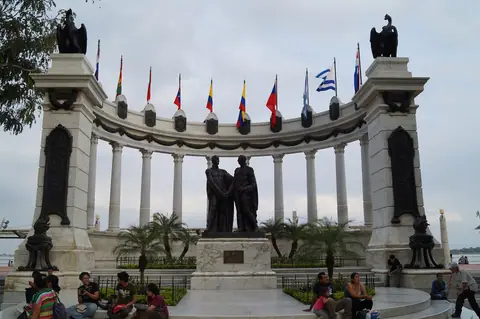
3 Days in Guayaquil: Malecón 2000, Las Peñas, and Riverside Heritage
Guayaquil, Ecuador

What to Eat in Guayaquil: Encebollado, Mangrove Crabs and Bolón de Verde
Guayaquil, Ecuador
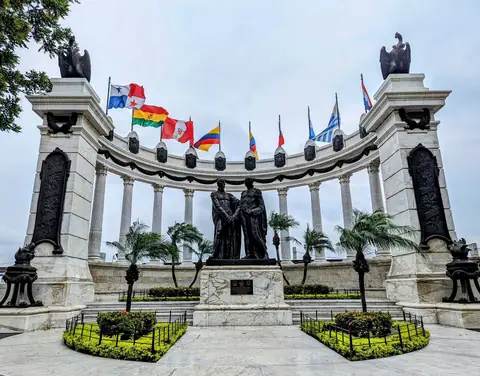
Malecón 2000, La Rotonda and Guayas Riverfront Guide, Guayaquil
Guayaquil, Ecuador
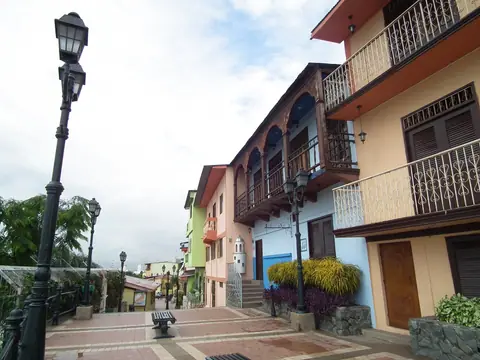
Barrio Las Peñas, 444 Steps & Cerro Santa Ana Lighthouse Guide, Guayaquil
Guayaquil, Ecuador
