3 Days in Guayaquil: Malecón 2000, Las Peñas, and Riverside Heritage
We navigate riverside promenades, historic wooden stairways, botanical enclaves, and rich cacao heritage across three balanced days along the Guayas River.
We begin our three-day journey along the wide waters of the Guayas River, where cool morning breezes temper coastal humidity. Walking through central Guayaquil reveals a modern maritime identity layered upon historic port traditions, anchored by the long pedestrian boardwalk of Malecón 2000. Travellers can check our Guayaquil overview before charting walking routes through central riverfront sectors.
Day 1: Malecón 2000, Rotonda Monument, and Las Peñas Hill
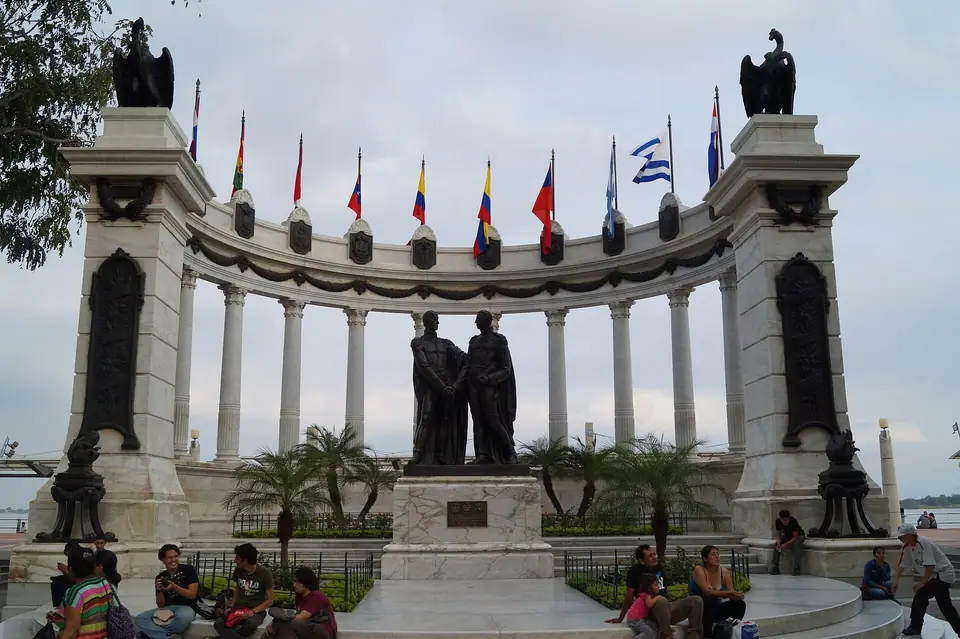
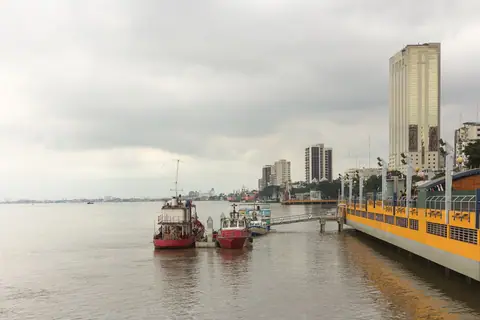
Our morning starts at the southern gateway of Malecón 2000, following wide pathways shaded by native palms and riverfront gardens. We pause at the Hemiciclo de la Rotonda to observe the monumental statues commemorating the historic meeting between Simón Bolívar and José de San Martín. Fresh river winds accompany the walk northward toward the base of Cerro Santa Ana, where maritime breezes keep the promenade pleasant.
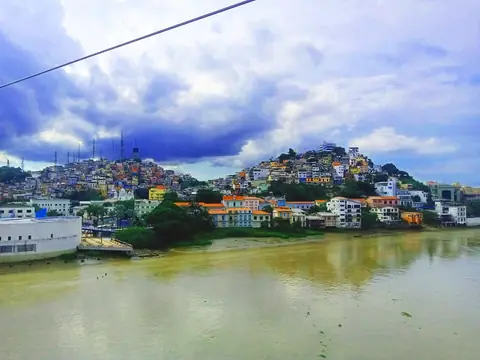
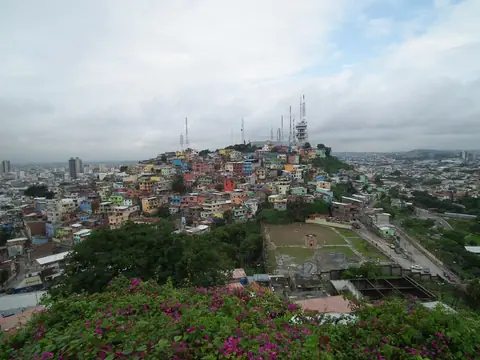
Continuing north, the broad river promenade yields to the historic cobbles of Las Peñas, the oldest residential neighbourhood in the port city. We ascend the paved stone staircase past restored wooden houses painted in bright yellows, blues, and ochres. Art workshops and family-run cafes occupy ground-floor verandahs, offering shady resting spots during the climb toward the hilltop chapel and lighthouse. Confirm municipal gate hours and summit terrace schedules before setting out uphill.
Day 2: Aerovía River Crossing, Durán Vistas, and Parque Seminario
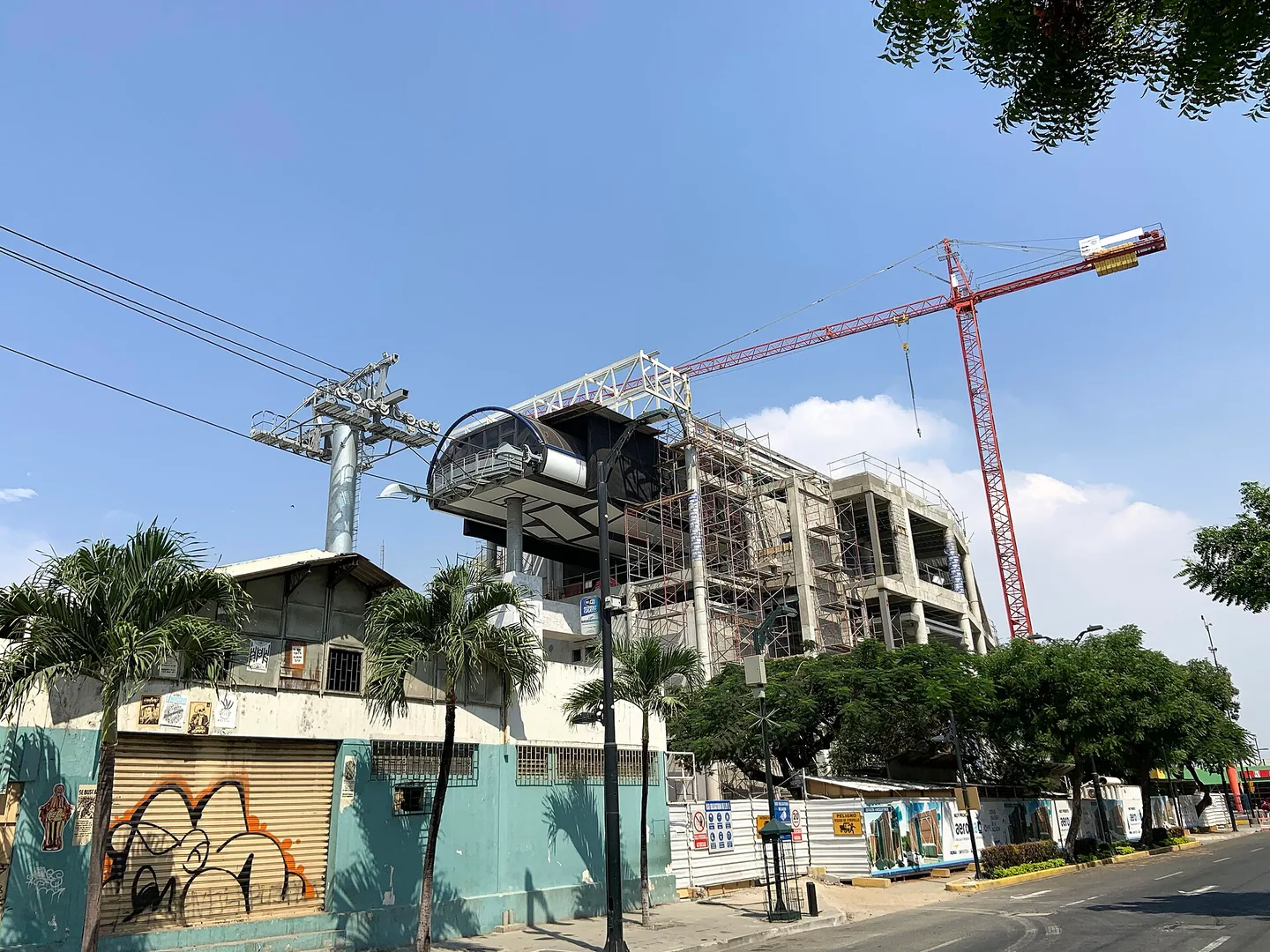
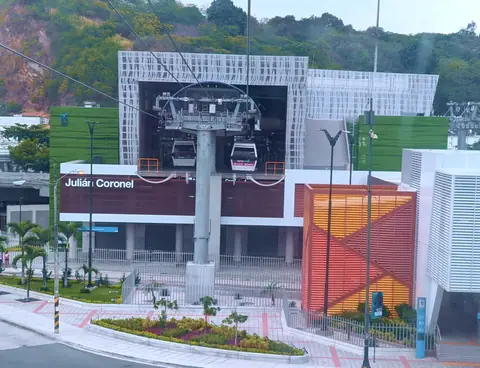
We dedicate our second morning to viewing the expansive coastal waterway from above, boarding the Aerovía urban cable car at Cuatro Mosqueteros station. Suspended cabins glide steadily across the Guayas River toward Durán, giving wide aerial perspectives of cargo barges, mangrove channels, and downtown rooftops. Returning across the water, we disembark near the central avenues to sample artisanal coastal chocolate made from aromatic Arriba cacao beans.
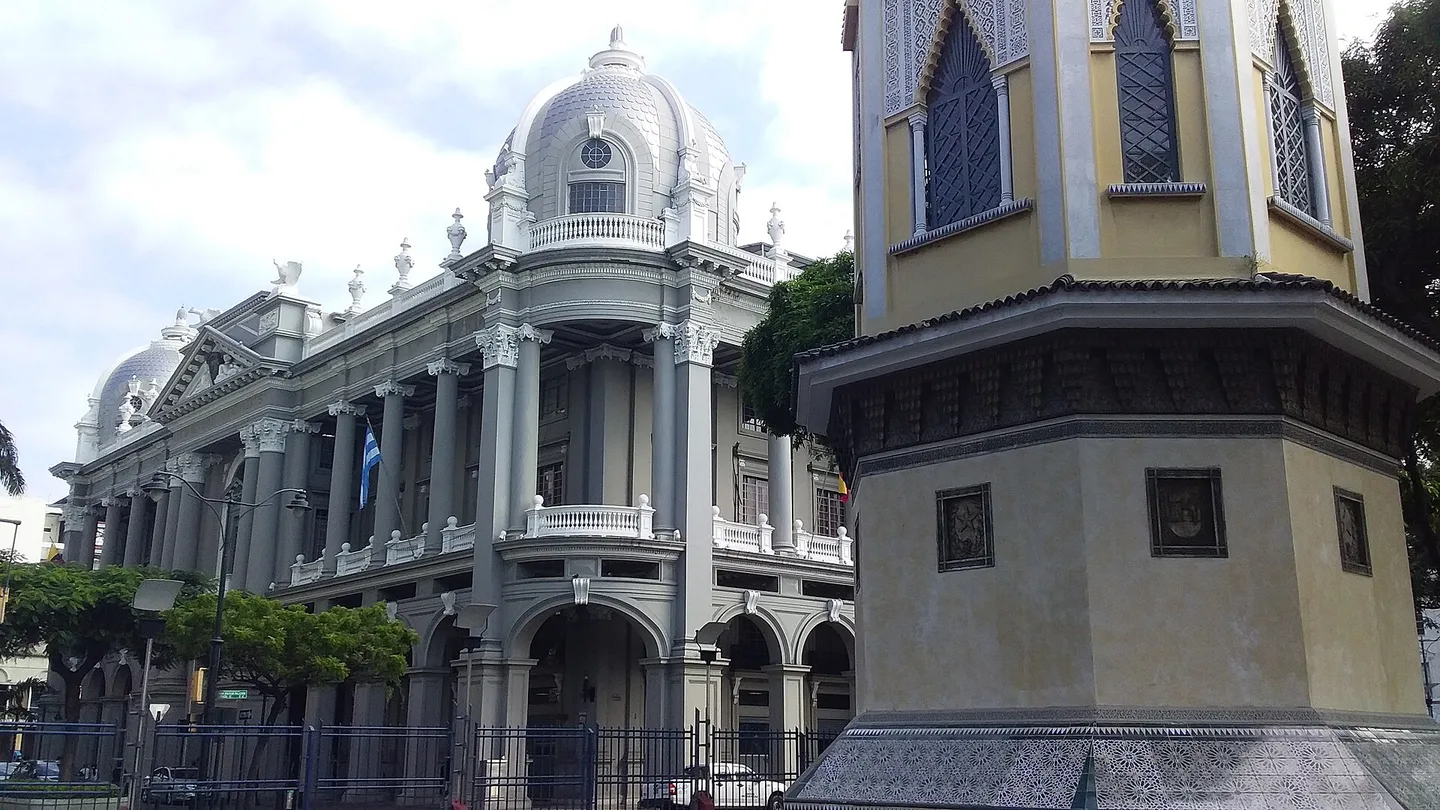
From the riverfront terminal, an easy westward walk brings us into shaded Parque Seminario, celebrated for its resident green iguanas. The calm reptiles bask across manicured lawns and ornamental iron benches, unfazed by the bells of the neighbouring Metropolitan Cathedral. When arranging intercity transfers or arrival shuttles, check airport and terminal transit options to streamline journeys across busy central avenues.
Day 3: Samborondón Wildlife, Mangrove Trails, and Cacao Culture
We head slightly northeast across the river network to Parque Histórico in the Samborondón district on our final day. This tranquil sanctuary gathers rescued mangrove ecosystems, native coastal wildlife, and historic townhouses salvaged from the late-nineteenth-century port quarter. We walk along elevated wooden boardwalks, watching tapirs, caimans, and coastal waterbirds move through dense riverine greenery.
The second sector of the park showcases restored riverside manors and timber farmhouses that illustrate the golden era of Ecuadorian cacao trading. Local chocolatiers offer artisanal tastings, breaking down the fruity bitterness and floral notes distinctive to regional coastal beans. Pair these park visits with our coastal sights and activities to balance cultural walks with outdoor temperatures.
Three-Day Route Coordination and Transit Rhythm
Guayaquil benefits from a clear geographic layout, allowing travellers to separate busy urban walks from relaxed nature preserves across manageable half-day segments. Scheduling outdoor hill climbs during early morning hours minimises mid-afternoon sun exposure, leaving midday hours open for covered cafes and museums. Check seasonal breezes and wet-season calendars to pack light breathable clothing for high coastal humidity.
| Itinerary Stage | Primary Focus | Key Walking Route | Transit Connection |
|---|---|---|---|
| Day 1: Maritime Heritage | Historic boardwalk and colourful hill architecture | Malecón 2000 to Las Peñas steps | Central metrobus corridors |
| Day 2: River Panorama | Aerial transit and shaded urban squares | Rotonda plaza to Parque Seminario | Aerovía cable car station |
| Day 3: Coastal Ecology | Mangrove flora and traditional cacao culture | Samborondón timber boardwalks | River bridge taxi links |
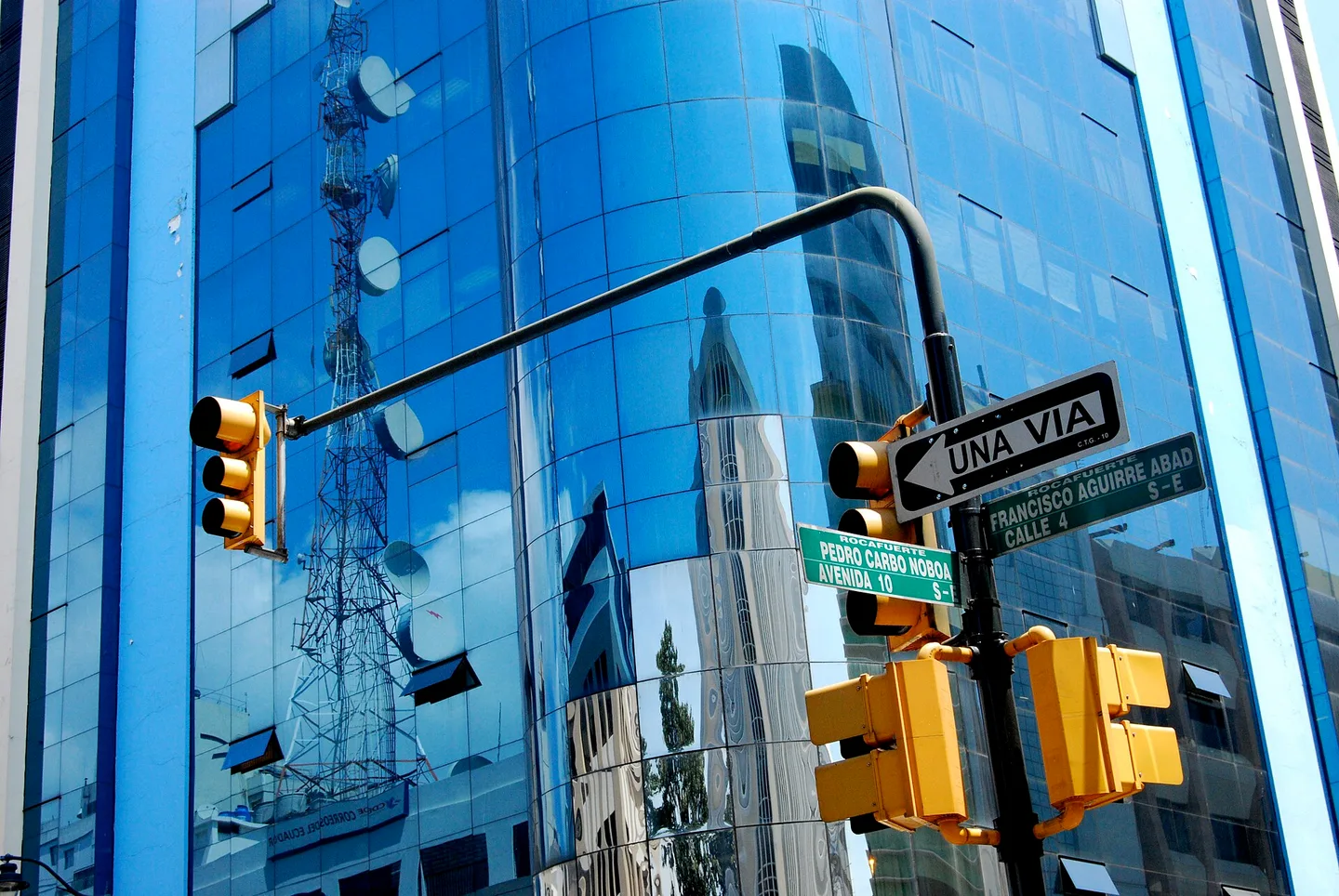
Using prepaid Metrovia transit cards avoids ticket queue delays along Avenida Nueve de Octubre and the central waterfront stations, while registered app taxis handle bridge crossings into Samborondón smoothly. Keep loose bank notes handy for chilled fruit drinks and water bottles along outdoor boardwalks. We conclude our coastal journey by sampling fresh ceviche seasoned with lime juice, bitter orange, and crisp plantain chips near the active port docks before twilight cools the waterfront. The combination of wide waterways, restored historic quarters, and fragrant local cacao culture leaves an enduring impression of Ecuador before airport departures.
Official prices and opening hours
- Malecón 2000 Riverfront Boardwalk & Las Peñas StairsOfficial site ↗
Where it is
- 1Guayaquil
- José Joaquín de Olmedo International Airport (GYE) · about 4 km from Guayaquil in a straight line
- Directions in Google Maps
Stations and taxi ranks: OpenStreetMap. Airports: OurAirports. Distances are in a straight line.
Traveller tips
Real advice from people who have been to Guayaquil. Every tip is read by our team before it goes live.
No tips yet. Been here? Yours could be the first.
Thank you! Your tip will appear here after a quick review.
More in Guayaquil
Continue exploring Guayaquil with related neighbourhood, food, and planning guides
Guayaquil: Río Guayas Layout, Estero Salado and Galápagos Hub
Guayaquil, Ecuador
Exploring Guayaquil: Riverfront Promenades, Hillside Stairs, and Historic Quarters
Guayaquil, Ecuador
Arriving in Guayaquil: Olmedo Airport, River Transit and Regional Buses
Guayaquil, Ecuador
Guayaquil Climate and Seasonal Calendar Guide
Guayaquil, Ecuador
