Arriba Nacional Cacao Haciendas and Chocolate in Guayaquil
Traditional cacao groves, tasting rooms, and river heritage routes spread outward from Guayaquil across the fertile Guayas lowlands.
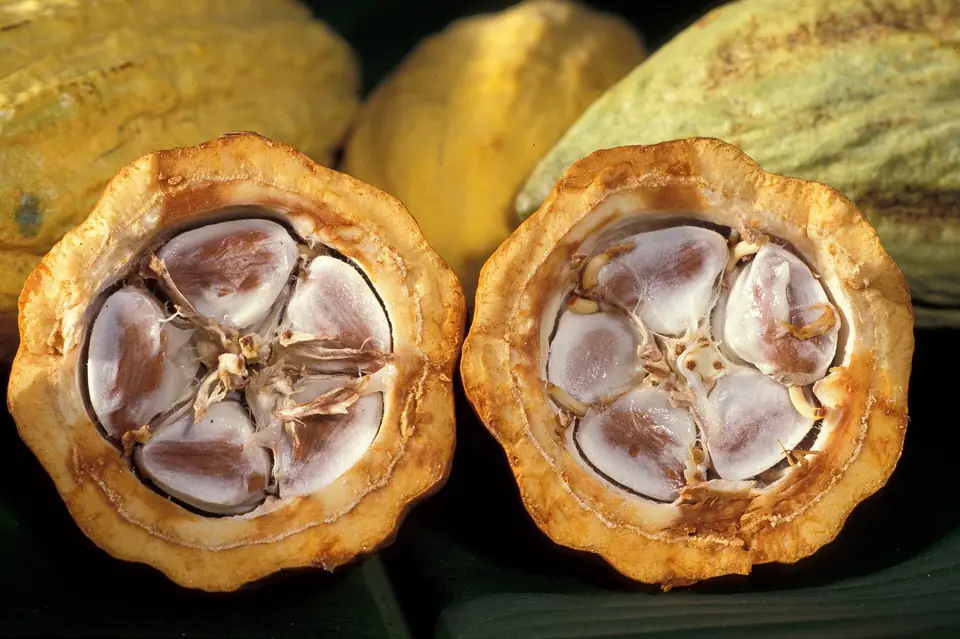
Ecuadorian cacao represents one of the ancient cornerstones of South American agriculture, rooted deeply in the moist alluvial soils of the coastal plains. Guayaquil developed as the primary shipping hub for sweet, floral cacao beans that foreign buyers sought for centuries. The native Arriba Nacional variety produces delicate floral notes and gentle fruit aromas that distinguish it from common bulk hybrid beans. Stepping into the historic riverfront district reveals how maritime commerce shaped this urban landscape. You can trace early agricultural wealth directly from port warehouses to modern tasting establishments, connecting past trade with modern confectionery crafts.
Arriba Nacional Heritage and Coastal River Trade
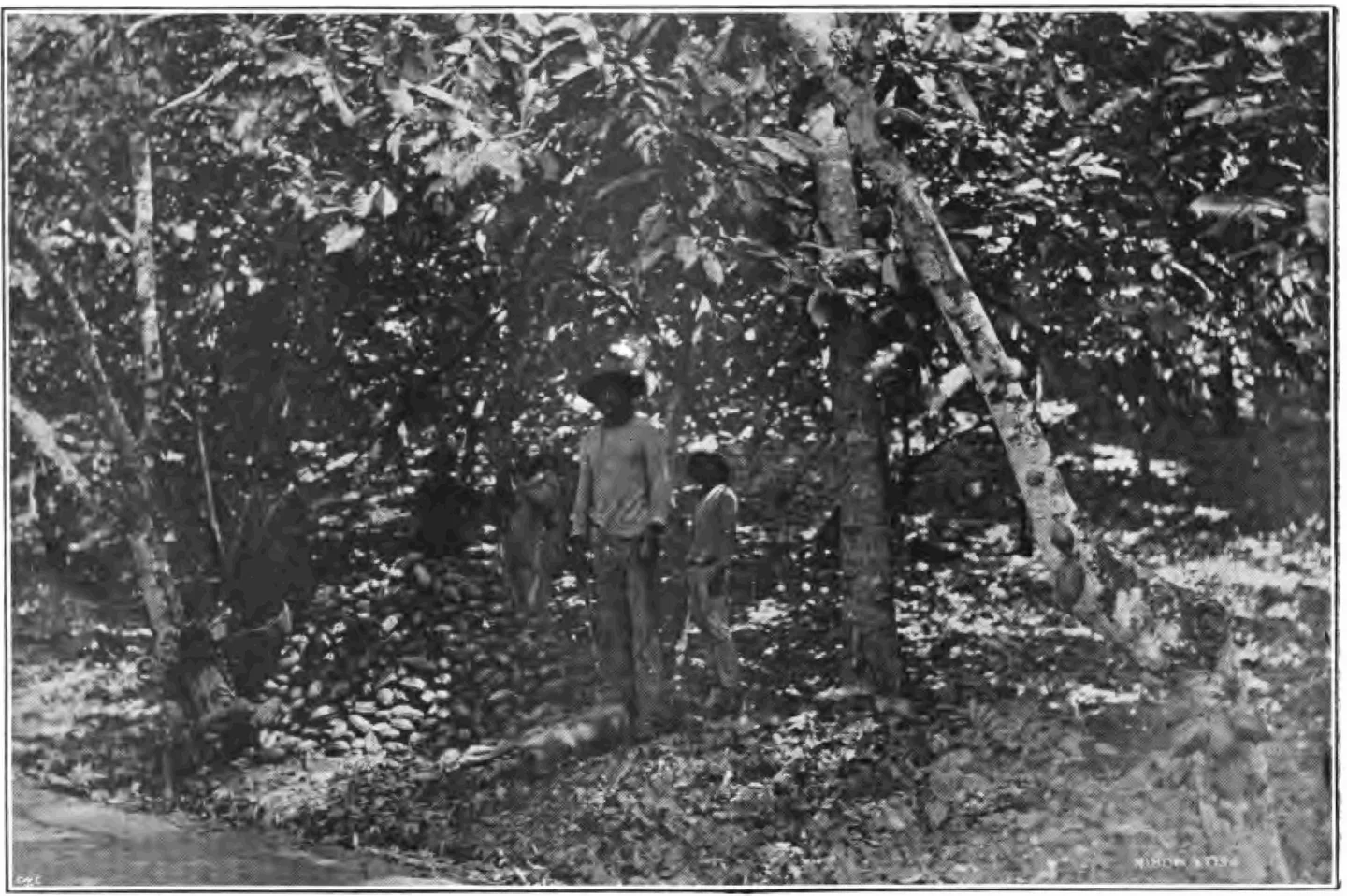
Centuries of selective cultivation created an exceptional pod with intense aroma and balanced acidity, thriving along warm river courses. Spanish traders named the variety Arriba because the highest grade harvests originated upstream along the waterways feeding into the broad Guayas estuary. Flat-bottom wooden barges once transported dried beans downriver towards central docks where European merchants evaluated each sack by hand. Today, small family holdings maintain these ancestral groves under mixed fruit tree canopies. Intercropping with banana plants and tropical hardwoods protects the delicate lower branches from direct equatorial sunlight while preserving crucial soil moisture.
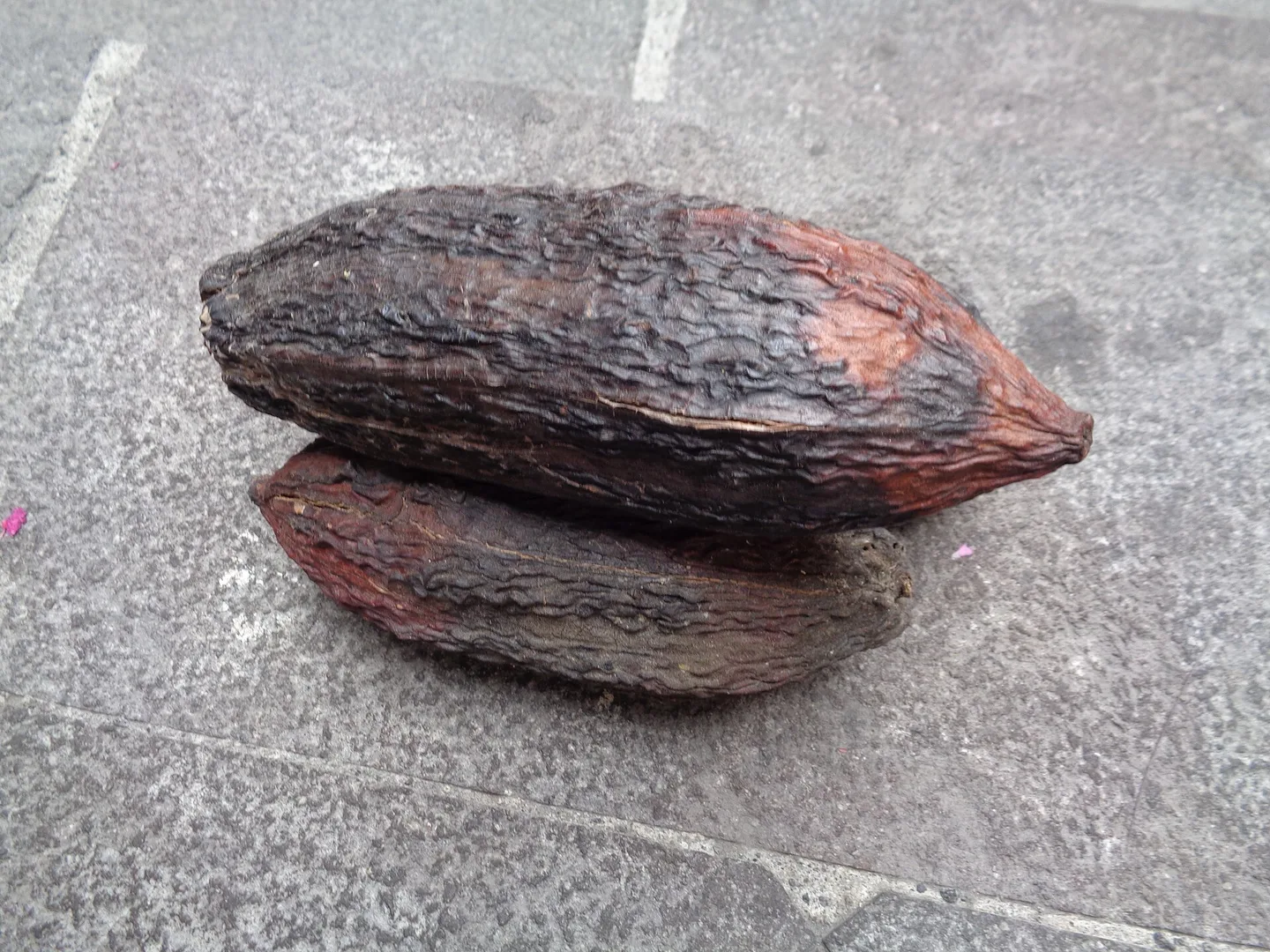
Urban avenues retain clear architectural reminders of this agricultural boom, with historic civic buildings and riverside promenades financed by cacao exports. Consulting the Guayaquil general itinerary offers helpful context on how dockside trading transformed adjacent neighbourhoods. Strolling past old commercial fronts allows visitors to appreciate the scale of this maritime trade. Local chocolate artisans continue to honour these traditions by producing single-origin dark chocolate bars that highlight natural notes of jasmine, blackberry, and subtle toasted walnut.
Navigating Working Haciendas Across the Guayas Basin
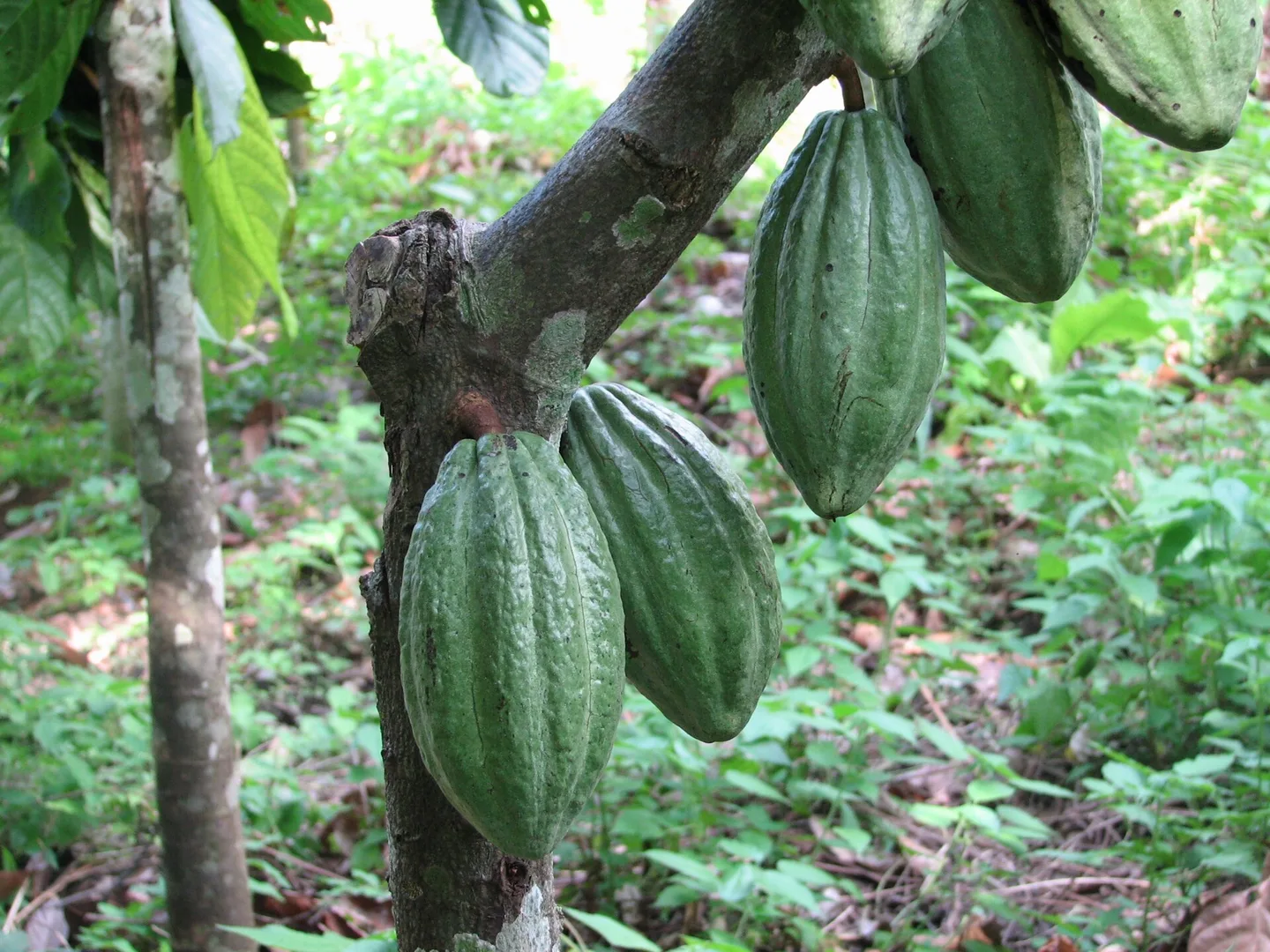
Day journeys into the rural countryside take travellers across flat agricultural terrain where cacao plantations alternate with broad rice paddies and mango orchards. Local guides lead visitors through orchard rows to observe how pods sprout directly from tree trunks. Workers harvest ripe pods using curved blades mounted on long poles, slicing through fibrous rinds to expose pale, sweet mucilage enclosing the seeds. Fresh cacao pulp has a refreshing citrus sweetness that contrasts sharply with the bitter nibs inside. Visitors can sample this sticky white fruit directly from freshly opened pods during typical plantation excursions.
After harvesting, workers transfer wet seeds into deep wooden boxes covered with banana leaves to begin controlled fermentation. This critical stage develops complex chocolate flavour precursors over several days before seeds spread across open-air drying platforms under coastal sun. Checking our guide to sightseeing spots in Guayaquil helps connect countryside agricultural excursions with city cultural landmarks. Fermentation temperatures require careful daily monitoring to prevent overheating and maintain delicate floral compounds. The table below compares the core processing steps encountered during estate visits across the coastal basin:
| Processing Stage | Traditional Method | Primary Purpose |
|---|---|---|
| Harvesting | Hand pole cutting | Protects tree bark from mechanical wounds |
| Fermentation | Wooden sweat boxes | Develops natural floral and fruity flavours |
| Sun Drying | Raised wooden platforms | Lowers moisture for stable warehouse storage |
| Roasting | Low heat revolving drums | Reveals deep cocoa aroma and loosens husks |
Walking along drying patios lets travellers smell the tart, warm scent rising from fermenting cacao beans as workers rake them into rows. Many estates maintain antique wooden drying structures with rolling corrugated roofs that slide closed quickly whenever tropical showers arrive.
Tasting Rooms and Bean Selection in the City Centre
Returning to town brings opportunities to sample finished dark chocolate across specialised boutiques, independent cafes, and tasting counters. Expert chocolatiers conduct sensory evaluations that teach guests how to distinguish pure Arriba beans from modern industrial varieties. High percentage dark bars reveal subtle terroir variations, reflecting specific microclimates between coastal mangrove edges and volcanic Andean foothills. Pairing chocolate nibs with fresh mountain coffee or tropical passion fruit allows complex earthy undertones to unfold across the palate.
Downtown confectioners offer informative tasting sessions that guide participants through chocolate percentages and roasting techniques. Many shops also sell raw nibs, cocoa butter skincare products, and stone-ground cacao paste intended for rich morning drinks. Travellers can combine tastings with a self-guided route through nearby colonial walkways and waterfront parks. Reviewing the transport advice for Guayaquil helps map out straightforward taxi journeys and bus connections between city districts. Seeking out certified single-estate bars guarantees that profits support rural smallholders directly, encouraging sustainable agroforestry practices across coastal Ecuador.
Field Practicalities, Weather, and Route Logistics
Rural estate excursions require practical footwear, as plantation paths remain muddy and damp beneath dense tropical foliage. Light long trousers and long-sleeved cotton shirts protect against biting midges and low thorns along grove tracks. Insect repellent and wide sun hats remain essential gear throughout the humid coastal interior. Comparing seasonal conditions via our guide to the best travel seasons for Guayaquil allows travellers to anticipate muddy harvest months and prepare appropriate rain protection. Sudden downpours can turn narrow estate lanes slick within minutes.
- Select sturdy waterproof boots or closed walking shoes with grooved rubber soles for clay orchard trails.
- Carry bottled drinking water and electrolyte tablets to stay well hydrated under persistent coastal humidity.
- Pack resealable zip bags to shield mobile phones and camera equipment from unexpected afternoon showers.
- Choose morning plantation slots to experience cooler outdoor walking conditions before intense midday heat builds.
Organised estate transport or private hired cars offer dependable transit for rural day trips beyond outer suburbs. Rural signage can be sparse, so arranging return transit in advance prevents delays when finishing late afternoon farm visits. Back in the city, evening temperatures cool down pleasant pedestrian areas along the river, providing an ideal setting to relax with artisanal hot chocolate. Following proper preparation lets you appreciate both historical farming heritage and modern confectionery achievements across this coastal province.
Official prices and opening hours
- Malecón 2000 Riverfront Boardwalk & Las Peñas StairsOfficial site ↗
Where it is
- 1Arriba Nacional Cacao Haciendas and Chocolate in Guayaquil
- José Joaquín de Olmedo International Airport (GYE) · about 42 km from here in a straight line
- Directions in Google Maps
Stations and taxi ranks: OpenStreetMap. Airports: OurAirports. Distances are in a straight line.
Traveller tips
Real advice from people who have been to Guayaquil. Every tip is read by our team before it goes live.
No tips yet. Been here? Yours could be the first.
Thank you! Your tip will appear here after a quick review.
More in Guayaquil
Continue exploring Guayaquil with related neighbourhood, food, and planning guides
Parque Histórico and Puerto Santa Ana: Riverside Culture and Heritage
Guayaquil, Ecuador
Cerro Blanco, Isla Santay and Manglares Churute Eco-Guide
Guayaquil, Ecuador
Pacific Coast Day Trips from Guayaquil: Playas Villamil, Puerto El Morro and Salinas
Guayaquil, Ecuador
Malecón del Salado, Urdesa and Downtown Museums
Guayaquil, Ecuador
