Barrio Las Peñas, 444 Steps & Cerro Santa Ana Lighthouse Guide, Guayaquil
Rising from the Guayas riverfront, Barrio Las Peñas and the steps of Cerro Santa Ana form the historic heart of Guayaquil.
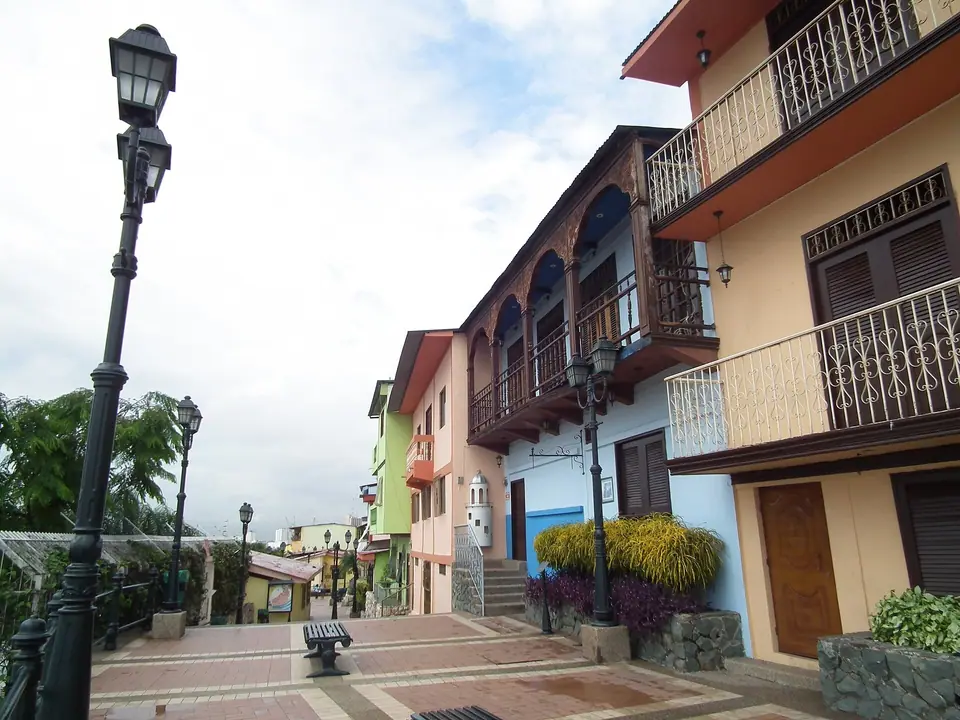
Barrio Las Peñas sits at the northern terminus of the city riverfront, where colourful wooden houses cling directly to the rocky slopes of Cerro Santa Ana. We find narrow cobblestone alleys here that recall nineteenth-century maritime life, far removed from modern high-rise avenues. The district showcases restored balconies, artisan workshops, and quiet residential courtyards that face the wide waters of the Guayas River.
Walking along Calle Numa Pompilio Llona reveals classical domestic timberwork, painted in bold blues, ochres, and terracottas that resist damp coastal humidity. Travellers coordinating extended walks can link this riverside quarter directly to a broader itinerary across Guayaquil without relying on motorised transit. The contrast between quiet pedestrian lanes and the wide tidal current creates a tranquil atmosphere for early morning exploration.
Historic Roots of Las Peñas and Riverside Architecture
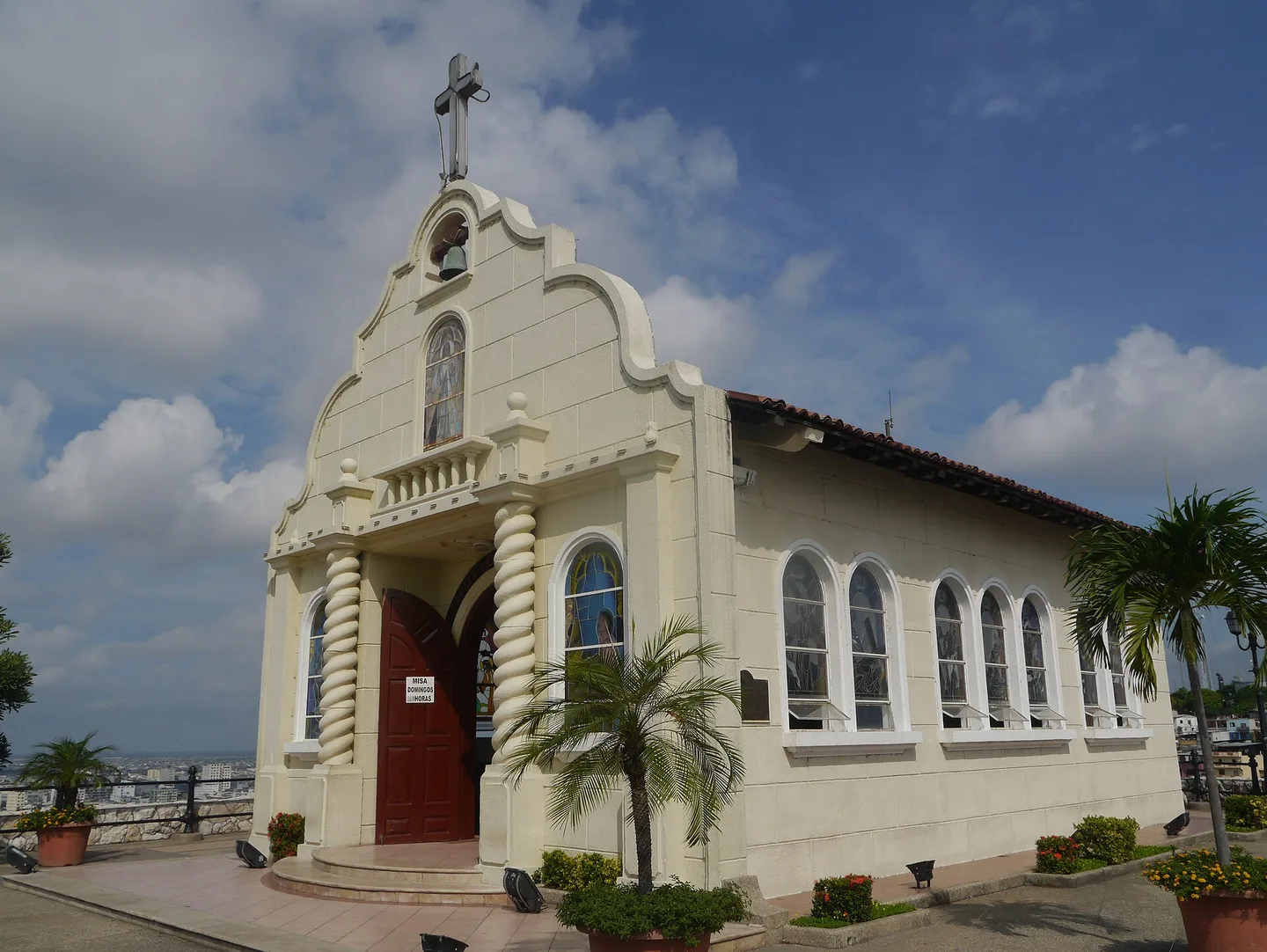
Settlement on this promontory dates back hundreds of years, serving as the original cradle where shipbuilders and merchants first constructed permanent homes. Fires repeatedly altered early wooden structures, yet subsequent rebuilds preserved the steep, vertical building style characteristic of the coastal estuary. Today, ground-floor art galleries, casual cafés, and family workshops occupy historic rooms alongside residential front parlours.
We observe intricate timber window frames and high ceilings crafted specifically to encourage cross-ventilation against intense midday warmth. In our city orientation notes, this historic quarter stands out as a clear cultural baseline for understanding local urban heritage. Pausing beneath shaded porticos gives visitors time to appreciate handcrafted balustrades before tackling the uphill climb.
| Route Section | Main Features | Terrain Type |
|---|---|---|
| Calle Numa Pompilio Llona | Timber houses and art studios | Flat riverfront cobblestone |
| Lower Santa Ana Staircase | Cafés and painted façades | Steep numbered concrete steps |
| Summit Plaza | Lighthouse and Capilla Santa Ana | Paved panoramic terrace |
Ascending the 444 Numbered Steps to Cerro Santa Ana
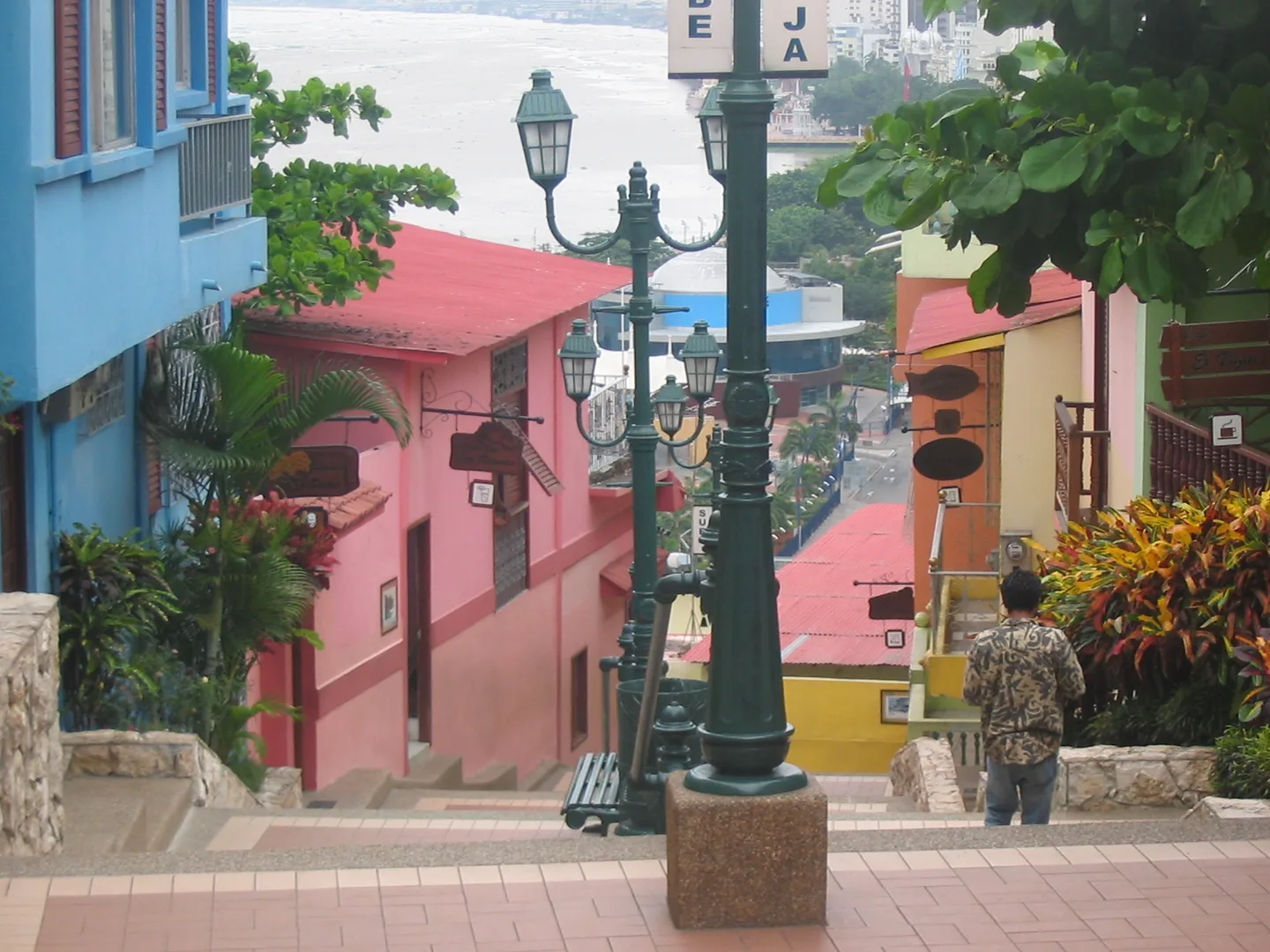
The stairway that ascends Cerro Santa Ana counts exactly 444 numbered steps, cleanly marked by brass tiles embedded into the concrete tread. As we begin climbing from the lower plaza, each landing displays small directional markers alongside casual refreshment stalls selling cool fruit drinks. The ascent tests your stamina quickly under direct sunshine, so taking measured pauses at shaded bends helps maintain a steady rhythm.
Local residents look out from shuttered upper storeys, offering friendly greetings as travellers make their gradual progress past bright façades. Anyone looking for active sightseeing options in the city will appreciate the vertical challenge and changing vantage points along the stairway. Small police posts and well-maintained handrails line the primary stair path, helping walkers stay oriented and comfortable.
- Follow the numbered brass step markers from bottom to top to measure your climbing progress.
- Rest on intermediate landings shaded by bougainvillea rather than rushing the steep central gradient.
- Carry water bottles to stay hydrated during humid morning ascents.
The Summit Plaza, Chapel, and Guayas Estuary Panorama
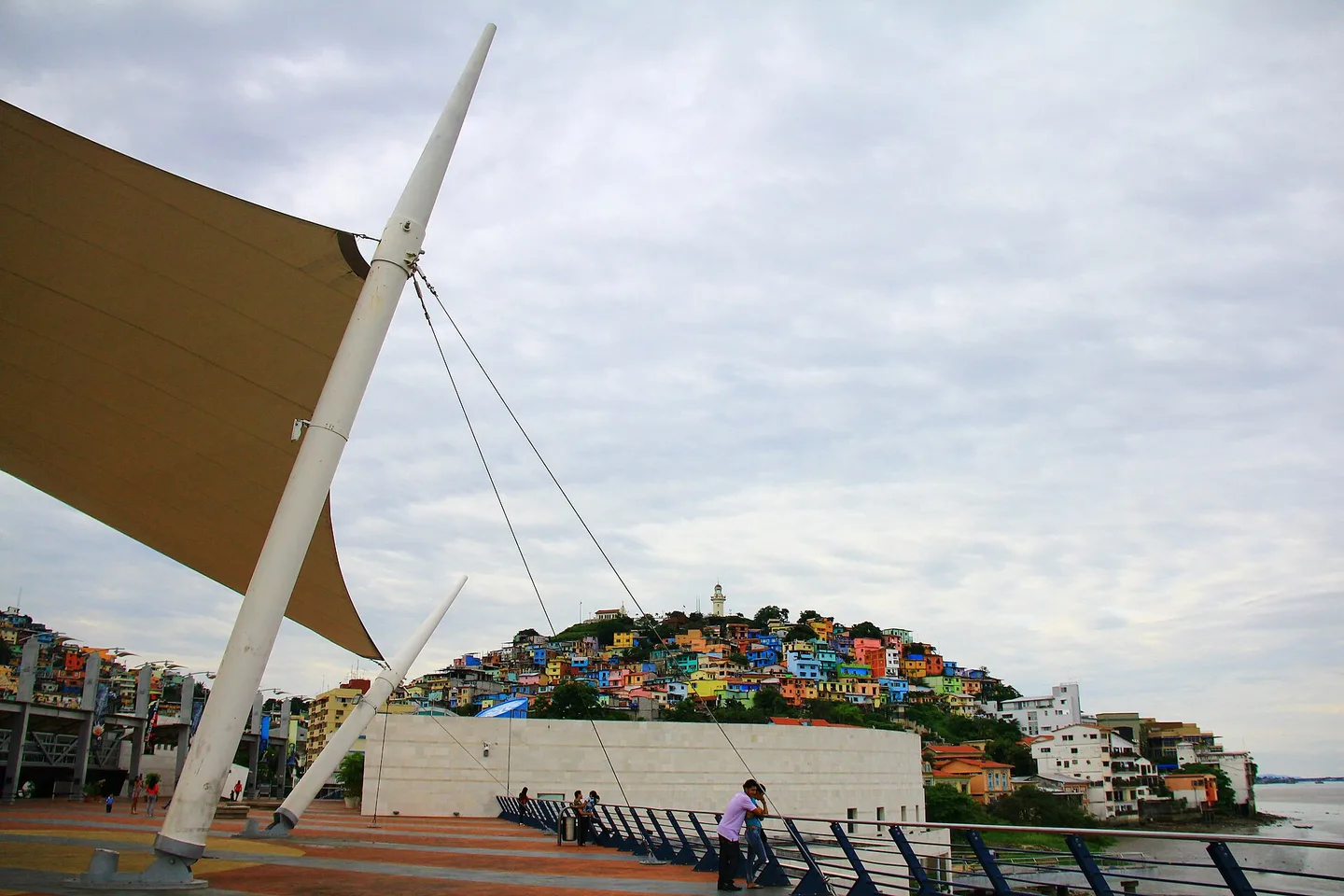
Reaching step 444 brings us onto the windy open-air terrace of the summit plaza, where open maritime skies replace narrow corridors. At the centre stands the blue-and-white lighthouse alongside the quiet stone walls of Capilla Santa Ana, completing a classic maritime tableau. Historic naval cannons point towards the broad river delta below, recalling colonial fortifications built to deter marauding sea raiders.
From the railing, we gaze across the expansive urban grid, tracing bridges spanning eastward towards Samborondón and Duran. The panoramic view clarifies how the wide river estuary shaped local trade, shipping corridors, and residential development over centuries. Gentle breezes cool warm skin at this elevation, making the observation deck an appealing resting place before descending.
Sensible Route Planning and Footwear Advice
Steep stone gradients and slick ceramic paving require supportive footwear with sturdy rubber soles, particularly when descending back towards the river. Midday humidity builds rapidly along the stairs, so beginning your walk during early daylight hours yields the most comfortable climbing temperatures. Check rainfall patterns and breezes in our seasonal weather notes before setting out on your walk.
After completing the stair loop, you can wander directly south onto the riverside promenades or connect towards regional transit links. Check Metrovia connections and coach terminals via airport and bus arrivals when scheduling transfers across town. Confirm summit lighthouse and chapel entry hours on official municipal portals before starting your morning climb.
Official prices and opening hours
- Malecón 2000 Riverfront Boardwalk & Las Peñas StairsOfficial site ↗
Where it is
- 1Barrio Las Peñas, 444 Steps & Cerro Santa Ana Lighthouse Guide, Guayaquil
- José Joaquín de Olmedo International Airport (GYE) · about 3 km from here in a straight line
- Directions in Google Maps
Stations and taxi ranks: OpenStreetMap. Airports: OurAirports. Distances are in a straight line.
Traveller tips
Real advice from people who have been to Guayaquil. Every tip is read by our team before it goes live.
No tips yet. Been here? Yours could be the first.
Thank you! Your tip will appear here after a quick review.
More in Guayaquil
Continue exploring Guayaquil with related neighbourhood, food, and planning guides

What to Eat in Guayaquil: Encebollado, Mangrove Crabs and Bolón de Verde
Guayaquil, Ecuador
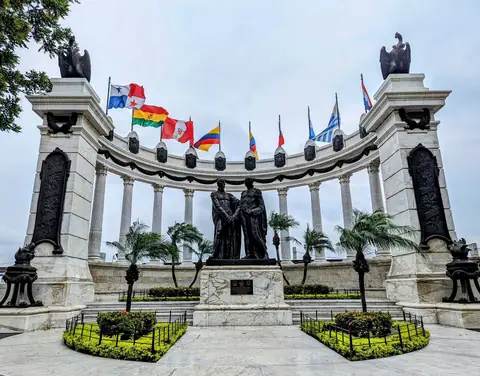
Malecón 2000, La Rotonda and Guayas Riverfront Guide, Guayaquil
Guayaquil, Ecuador
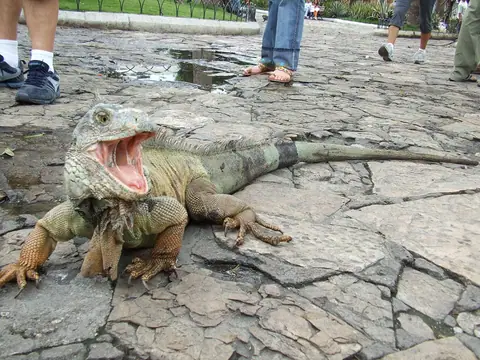
Parque Seminario Iguana Colony and Metropolitan Cathedral Guide, Guayaquil
Guayaquil, Ecuador
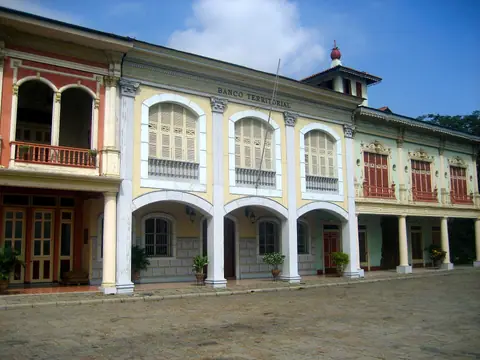
Parque Histórico and Puerto Santa Ana: Riverside Culture and Heritage
Guayaquil, Ecuador
