Arriving in Guayaquil: Olmedo Airport, River Transit and Regional Buses
Reaching Guayaquil involves arriving through the coastal air terminal or riding regional coaches across the vast coastal lowlands of Ecuador.
José Joaquín de Olmedo International Airport sits right inside the city perimeter, placing arriving passengers within easy reach of the northern commercial districts. The modern glass terminal handles international arrivals and domestic links efficiently under one roof. Travellers stepping through customs find official taxi desks and car hire counters before walking past the glass doors into the humid coastal air. Staying close to the northern avenues allows rapid transfers if you need an overnight rest before catching early morning flights.
Authorised yellow taxis wait at regulated ranks directly outside the terminal exit. Drivers follow metered rates or standard regional tariffs into central riverside districts. App-based taxi services also pick up passengers from designated outer bays near the airport car park. Keeping small change prepared before exiting the baggage hall avoids unwanted delays with drivers.
Public buses also link the air passenger terminal directly with northern hubs and downtown thoroughfares. Travellers carrying light luggage can board city routes running along Avenida de las Américas. These roadside stops offer frequent departures into commercial quarters, though hailing regulated vehicles outside baggage claim remains preferable when carrying heavy bags.
For many global travellers, Guayaquil serves as the primary stepping stone towards Pacific wildlife encounters. Coastal flights depart from the domestic wing throughout the morning towards Baltra and San Cristóbal. Because luggage screenings happen before check-in counters, arriving with ample spare minutes keeps your departure stress free. Reading our overview of Guayaquil helps align flight days with urban connections across the maritime riverfront.
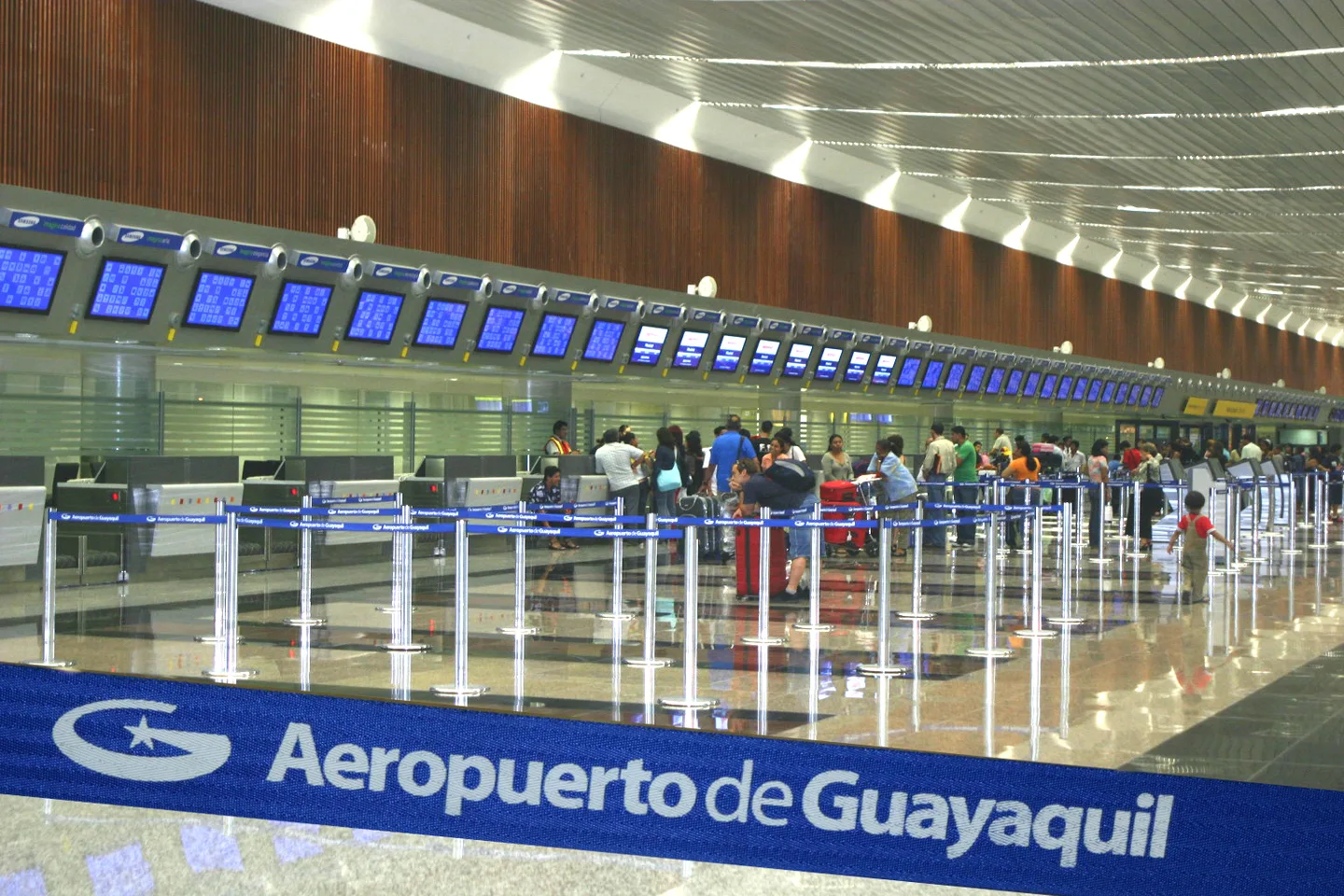
Airlines maintain check-in positions inside the main hall to handle morning departures smoothly. Travellers continuing on to offshore islands receive unique luggage tags following quarantine evaluations. Knowing your airline terminal layout in advance reduces waiting times before entering security lines.
Navigating Domestic and Galápagos Flight Departures
Domestic transit through the coastal terminal remains simple due to clear dual-language overhead signage. Airline check-in desks sit adjacent to biosecurity desks where government agents review luggage bound for remote island ecosystems. Passing through security places you into a departure concourse with comfortable seating, water stations, and coffee bars.
- Screen luggage at biosecurity desks prior to approaching domestic check-in lanes.
- Boarding gates stand on the upper concourse with straightforward walking routes between terminals.
- Ground transport ranks operate directly outside domestic baggage reclaim doors.
- Dedicated airline transfer counters assist passengers connecting directly from overseas services.
Morning departures often bring heavier foot traffic as multiple island services leave in quick succession. Arriving well before boarding opens allows smooth passage through luggage quarantine checkpoints. The terminal layout keeps domestic and international gates closely linked, so travellers making tight transfers face short walking distances across polished passenger concourses.
Food stalls, bookshops, and duty-free counters line the upper boarding corridors. Passengers waiting for island departures can find quiet spots to read or charge portable electronic devices. Clean rest areas and accessible washrooms operate continuously near every gate cluster.
Regional Highway Coaches and the Central Terminal
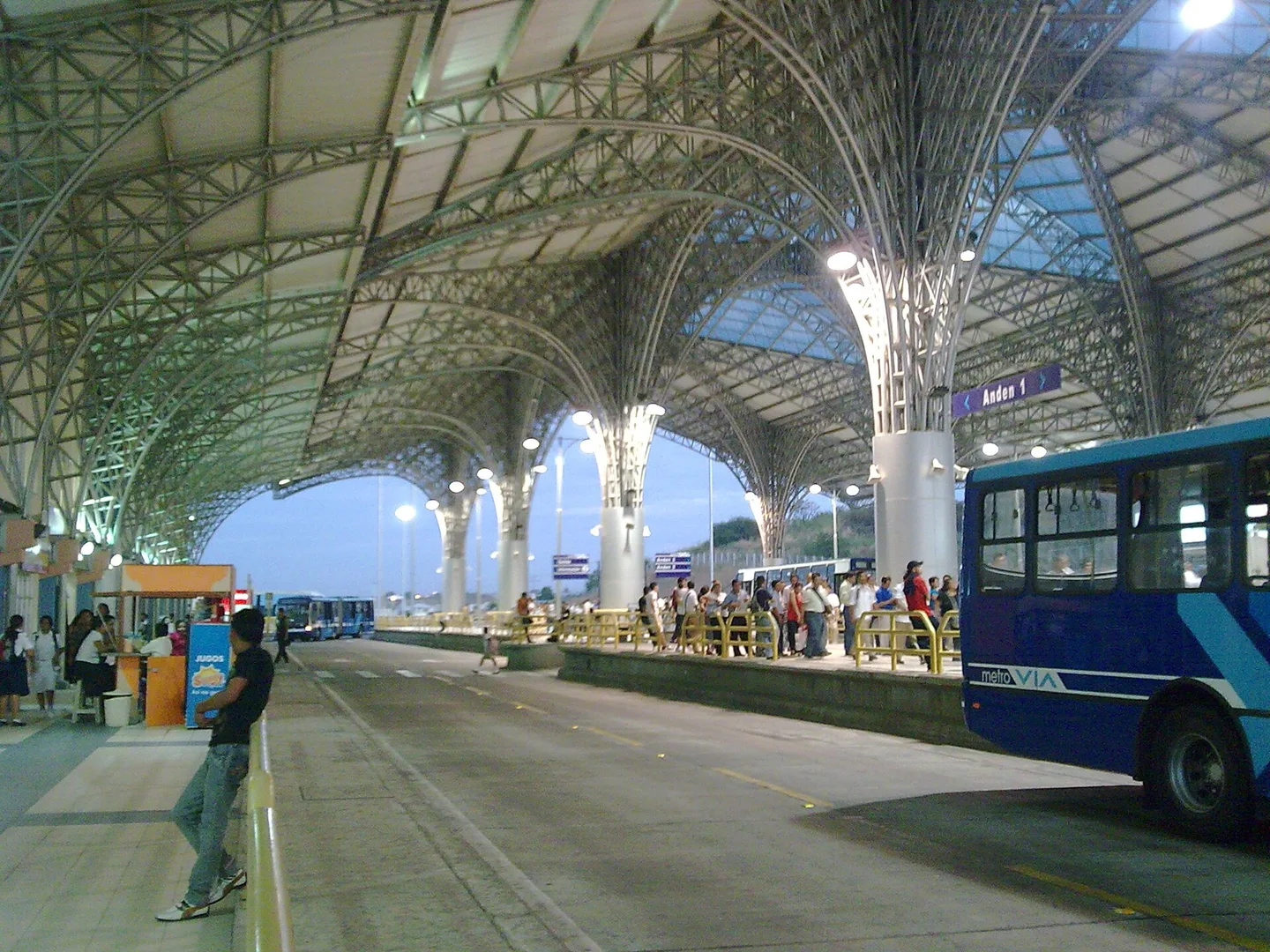
Land travellers arrive at the sprawling Terminal Terrestre, positioned just north of the air terminal complex. This vast transit hub operates like a self-contained town, housing hundreds of bus company ticket windows alongside shops and bakeries. Long-distance buses link the Pacific port with Quito, Cuenca, and the southern border crossing. Booking seat tickets upstairs at individual carrier offices reserves an allocated seat before you descend to the departure gates.
Ticketing offices group together according to geographical destinations across coastal and Andean regions. Travellers heading south towards coastal fishing harbours find desks on designated floors, while highland routes occupy separate aisles. Clear directional maps throughout the building direct first-time visitors toward baggage lockers and boarding ramps.
Interprovincial buses travel along paved highways through coastal farmland and climb high into the Andean cordillera. Coaches connecting with highland destinations navigate winding ascents, making daylight travel visually rewarding as banana plantations give way to cloud forest slopes. If you are scheduling a stopover, pairing transit dates with the best time to visit allows you to avoid torrential afternoon cloudbursts during the rainy period.
Luggage security remains a priority when catching regional buses from the ground platforms. Passengers hand larger suitcases to baggage handlers, who store items in undercarriage compartments and hand out numbered receipts. Keeping daypacks, passports, and portable electronics on your lap during transit prevents theft along intermediate roadside stops.
| Transit Method | Primary Arrival Hub | Urban Connection Mode |
|---|---|---|
| International Flights | Olmedo Terminal Building | Official ranks and app taxis |
| Domestic Island Flights | Domestic Departure Wing | Direct indoor transfers |
| Intercity Coaches | Terminal Terrestre Guayaquil | Metrovía feeder buses and taxis |
| River Commuter Cabins | Aerovía Cuatro Mosqueteros | Boardwalk walking paths |
Urban Transit and Crossing the Guayas River
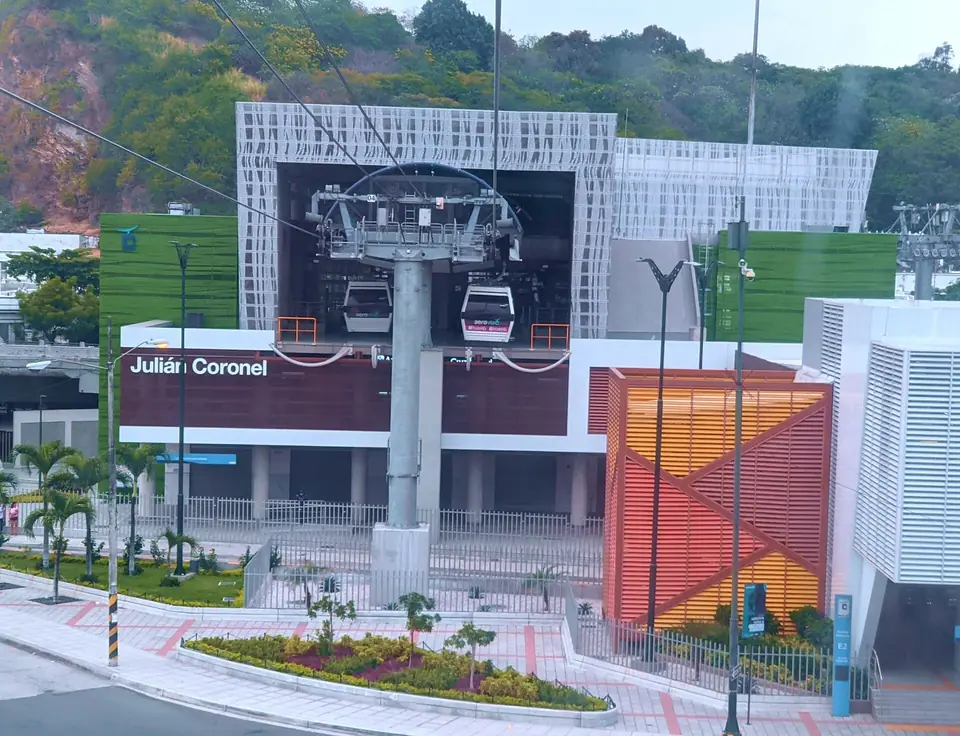
Connecting the transit hubs to the historic core relies on city buses, yellow cabs, and modern aerial cable cars. The Aerovía cable transit system glides high above the broad Guayas River, ferrying passengers between neighbouring Durán and central avenues. Gliding over the water reveals panoramic views across the riverbank towards old timber neighbourhoods.
Stepping out of the southern Aerovía terminal drops you directly beside the riverside promenades and public docks. Visitors wandering past historic hillsides find easy pedestrian links towards key cultural landmarks and riverside parks. Exploring notable local attractions and historic steps gives you a pleasant walking itinerary right from the cable car exit.
Metrovía articulated bus lines run through dedicated corridors across metropolitan avenues. These high-capacity buses connect the main bus terminal directly to the historical quarter, operating with turnstiles and raised boarding platforms. Riders purchase prepaid transit cards at station booths before passing through automated gates.
Taxis remain the most direct way to move heavy bags between coach stations, airport gates, and riverfront lodgings. Agreeing on fares or confirming meter usage before moving prevents misunderstandings at your drop-off address. Selecting secure central neighbourhoods keeps road journeys brief while placing dining and riverside promenades within gentle walking distance.
Walking between riverfront attractions remains enjoyable during cooler morning hours. Shaded walkways along the Malecón 2000 allow safe journeys between historical piers, gardens, and botanical displays. Combining pedestrian routes with short taxi rides keeps urban navigation smooth and pleasant throughout your stay.
Official prices and opening hours
- Malecón 2000 Riverfront Boardwalk & Las Peñas StairsOfficial site ↗
Where it is
- 1Guayaquil
- José Joaquín de Olmedo International Airport (GYE) · about 4 km from Guayaquil in a straight line
- Directions in Google Maps
Stations and taxi ranks: OpenStreetMap. Airports: OurAirports. Distances are in a straight line.
Traveller tips
Real advice from people who have been to Guayaquil. Every tip is read by our team before it goes live.
No tips yet. Been here? Yours could be the first.
Thank you! Your tip will appear here after a quick review.
More in Guayaquil
Continue exploring Guayaquil with related neighbourhood, food, and planning guides
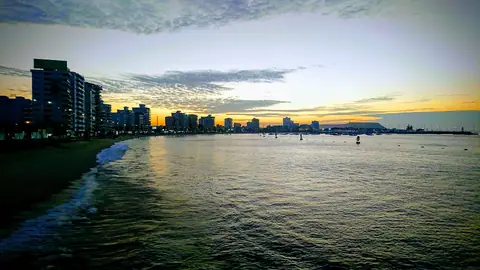
Pacific Coast Day Trips from Guayaquil: Playas Villamil, Puerto El Morro and Salinas
Guayaquil, Ecuador
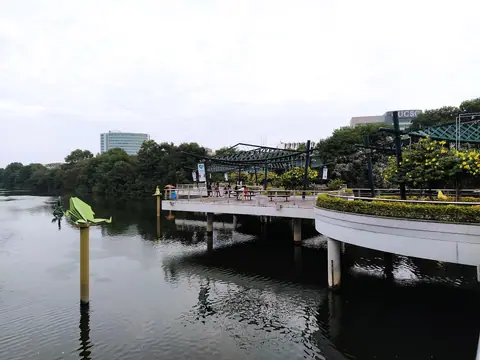
Malecón del Salado, Urdesa and Downtown Museums
Guayaquil, Ecuador
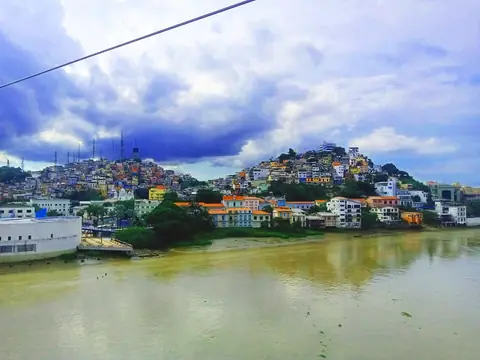
Guayaquil: Río Guayas Layout, Estero Salado and Galápagos Hub
Guayaquil, Ecuador
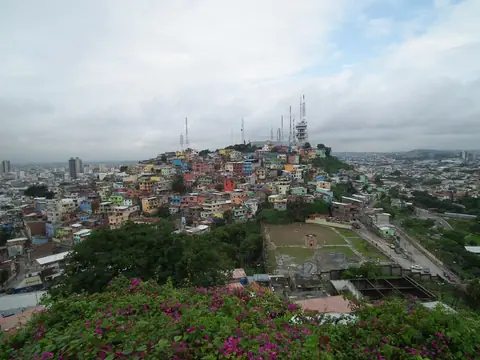
Exploring Guayaquil: Riverfront Promenades, Hillside Stairs, and Historic Quarters
Guayaquil, Ecuador
