What to Eat in Guayaquil: Encebollado, Mangrove Crabs and Bolón de Verde
Guayaquil serves some of Ecuador's most distinctive coastal flavours, celebrating albacore tuna, green plantains, and succulent mangrove crabs.
Guayaquil wakes up early to hearty aromas drifting from street corner dining rooms and humble open-air counters. Coastal cooking in this port city relies heavily on the daily maritime harvest and tropical crops gathered across the fertile Guayas basin. Locals treat eating as a social ritual, gathering at communal tables to break bread, debate daily news, and share substantial plates before the mid-morning heat builds up across town.
Morning Encebollado and Coastal Breakfast Traditions
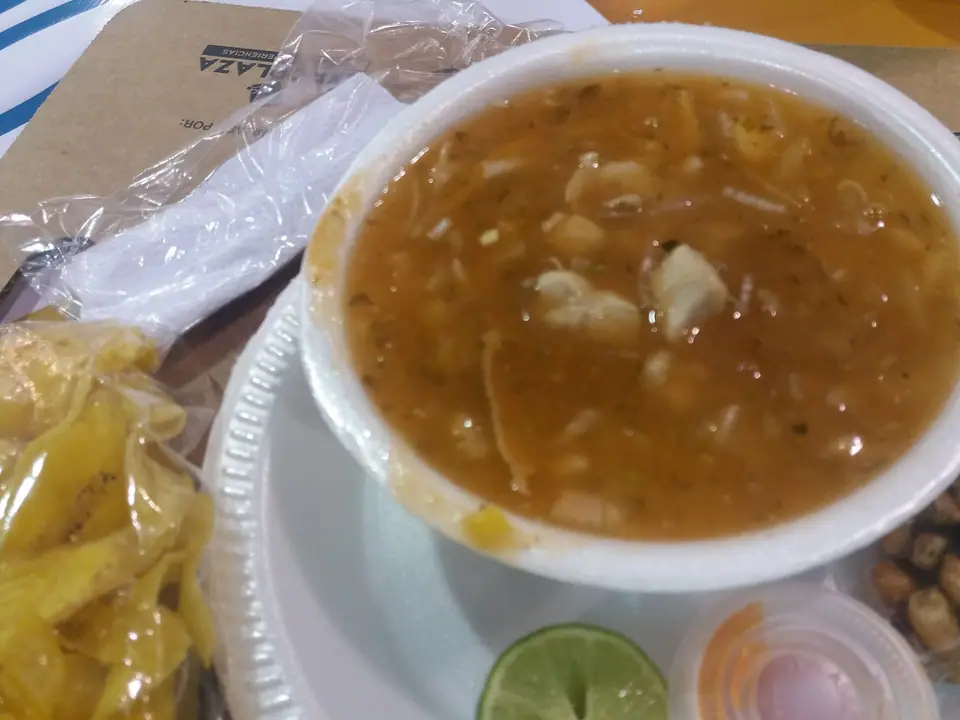
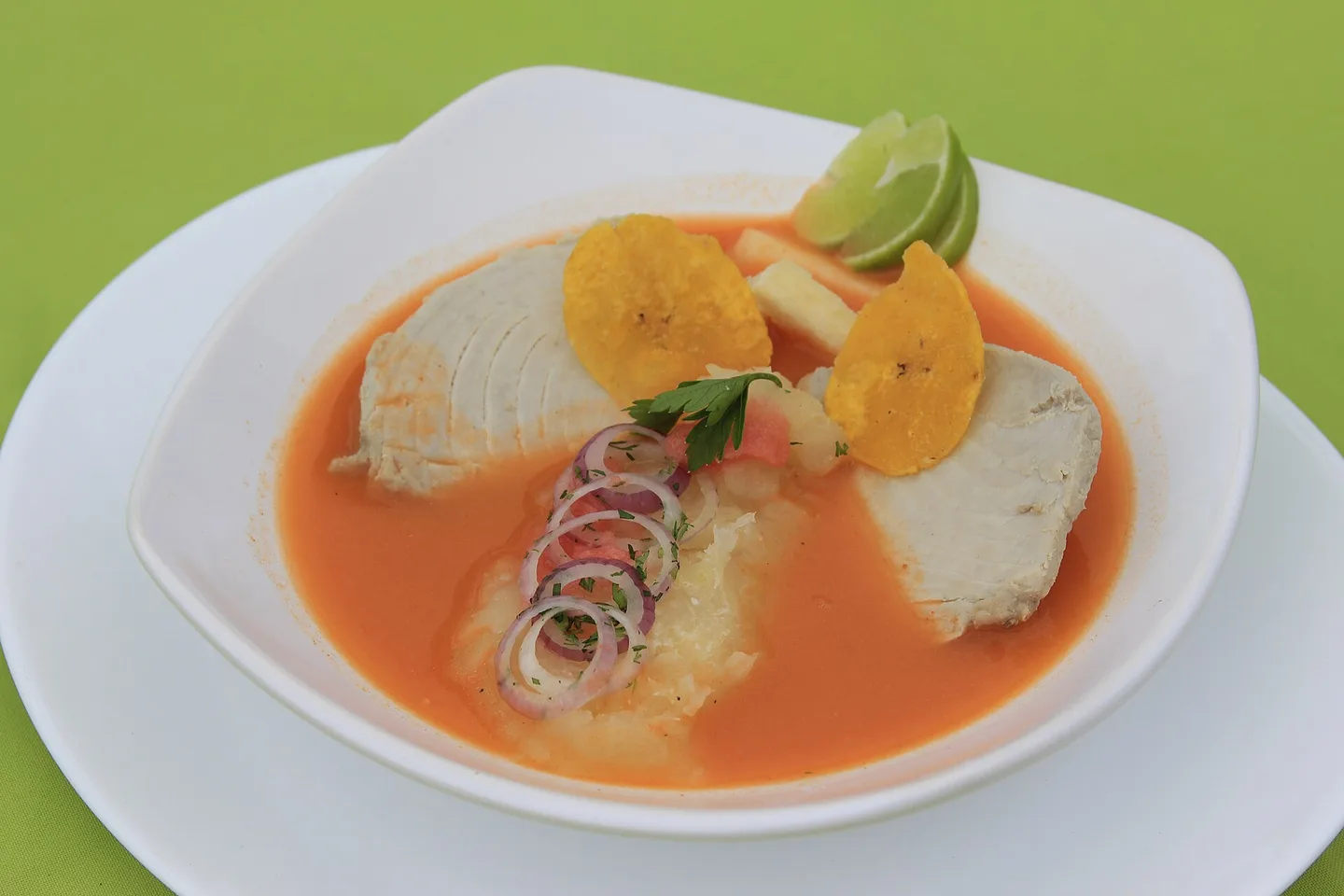
The unquestioned king of morning cooking across the city is encebollado, a hearty soup loaded with fresh albacore tuna, boiled cassava roots, and red onions. Cooks simmer the fish bones and aromatic herbs into a deep broth, ladling the fragrant liquid over tender chunks of cassava and fish steaks. Sliced red onions marinated in sharp lime juice crown each steaming bowl, adding crisp acidity to balance the rich seafood essence.
Diners customise their soup at the counter using bowls of crispy plantain chips known locally as chifles, along with popped corn or toasted maize kernels. A squeeze of fresh lime juice and a dash of fiery chilli oil complete the bowl. We recommend ordering a refreshing glass of freshly squeezed passion fruit juice alongside your meal to temper the warming spices. You can easily connect morning breakfast counters with shaded paths around the historic core along waterfront boardwalks and central plazas.
Encebollado holds an honoured spot in local culture as both a morning pick-me-up and a celebrated cure after a festive evening out. Neighbourhood canteens often sell out their immense stock before midday strikes, making an early arrival essential. The contrasting textures of soft cassava, flaky tuna, and crunching plantain ribbons create one of the most satisfying breakfast traditions on the South American Pacific coast.
Green Plantains and the Art of Bolón de Verde
Green plantains form the bedrock of home cooking in Guayaquil, appearing at breakfast, lunch, and late suppers in countless ingenious preparations. Bolón de verde represents the ultimate expression of this versatile fruit, taking boiled or fried green plantains and pounding them vigorously in wooden mortars until they turn soft and pliable. Cooks shape the warm mash into dense spheres roughly the size of a cricket ball.
These substantial dumplings come packed with savoury fillings before receiving a final sear on a flat griddle or a quick plunge in hot oil to produce an amber crust. The classic fillings include salty fresh cheese, crisp pork cracklings known as chicharrón, or a generous mixture containing both options. Slicing into a fresh bolón reveals a steaming interior that offers comforting richness with every forkful.
Locals accompany their morning plantain sphere with a fried egg and a ceramic mug filled with strong black coffee brewed from coastal beans. The bittersweet roast of the coffee cuts through the dense, savoury starch of the plantain paste. To plan your transport around the residential quarters where family-run bakeries and cafés thrive, check practical routes via airport and Metrovia transit links.
Crab Feasts Along the Mangrove Estuaries
The extensive saltwater mangroves fringing the Gulf of Guayaquil yield prized red crabs, locally celebrated as cangrejo criollo. Feasting on these crustaceans is not a delicate dinner; it is an energetic, messy communal event where diners don plastic aprons and arm themselves with small wooden mallets. Restaurants scatter seasoned crabs across butcher paper on broad wooden tables, letting everyone dig in together.
Cooks boil the whole crabs in massive pots scented with beer, fresh coriander, garlic cloves, oregano, and ripe plantains. The sweet flesh of the claws absorbs the savoury herbs during boiling, creating a mouthwatering balance of ocean sweetness and herbal depth. Traditional sides include boiled maize cobs, seasoned ripe plantains, and small bowls filled with onion relish and lime wedges.
- Encebollado Mixto: Rich tuna broth paired with plump local prawns, tender cassava, pickled red onions, and toasted maize.
- Bolón Mixto: Fried green plantain dumpling filled with both salty coastal farmer cheese and crispy fried pork crackling.
- Cangrejada Criolla: Whole boiled red mangrove crabs cooked in aromatic broth, cracked open with small wooden mallets at communal tables.
- Seco de Chivo: Braised goat stew simmered slowly in fermented maize beer or fruit juice with yellow rice and ripe fried plantains.
Crab houses fill with chattering families and groups of friends cracking shells and sharing cold beverages. Wooden mallets strike the hard carapaces in steady rhythm, releasing the tender claw meat inside. Dining at a crab house offers one of the most authentic windows into local hospitality, where laughter and shared food bind people together for hours on end.
Citrus Seafood Bowls and Guayas Riverfront Dining
Beyond cooked meals, coastal cooking shines in cold seafood bowls marinated in fresh citrus juice. Local cooks prepare these refreshing dishes using succulent prawns, black mangrove cockles, or white fish caught along nearby shores. Unlike highland variations that use tomato sauces heavily, traditional coastal styles keep the citrus dressing light, allowing the natural ocean sweetness of the fresh catch to take centre stage.
Black cockle preparations present an earthy, mineral depth that appeals to adventurous diners seeking robust ocean flavours. Cooks open the fresh molluscs raw, preserving their natural dark juices before tossing the meat with minced red onions, coriander leaves, and generous measures of tart lime juice. Spooning the tender cockles over crunchy plantain strips creates a refreshing contrast that cools the palate under the warm afternoon sun.
| Dish Style | Key Coastal Ingredients | Texture Profile | Traditional Accompaniment |
|---|---|---|---|
| Encebollado | Albacore tuna, cassava, pickled red onions | Rich, warm broth with tender root vegetable | Crispy plantain chifles and popped corn |
| Bolón de Verde | Mashed green plantain, fresh cheese, pork crackling | Crisp exterior shell with dense, savoury core | Fried egg and strong black coastal coffee |
| Cangrejo Criollo | Red mangrove crabs, coriander, beer, garlic | Delicate, sweet meat cracked from hard shells | Boiled sweetcorn cobs and ripe plantain |
| Ceviche de Camarón | Pacific prawns, fresh lime juice, red onion, coriander | Tender, chilled shellfish with zesty citrus marinade | Toasted corn kernels and avocado slices |
As dusk settles over the city, the cool river breezes along the Malecón promenade invite diners to sit outside at shaded terrace restaurants. Walking past historical monuments before taking a riverside table lets you enjoy Guayaquil dining at a leisurely pace. Confirm public plaza gate hours and food hall openings on municipal portals before setting out.
Official prices and opening hours
- Malecón 2000 Riverfront Boardwalk & Las Peñas StairsOfficial site ↗
Where it is
- 1Guayaquil
- José Joaquín de Olmedo International Airport (GYE) · about 4 km from Guayaquil in a straight line
- Directions in Google Maps
Stations and taxi ranks: OpenStreetMap. Airports: OurAirports. Distances are in a straight line.
Traveller tips
Real advice from people who have been to Guayaquil. Every tip is read by our team before it goes live.
No tips yet. Been here? Yours could be the first.
Thank you! Your tip will appear here after a quick review.
More in Guayaquil
Continue exploring Guayaquil with related neighbourhood, food, and planning guides
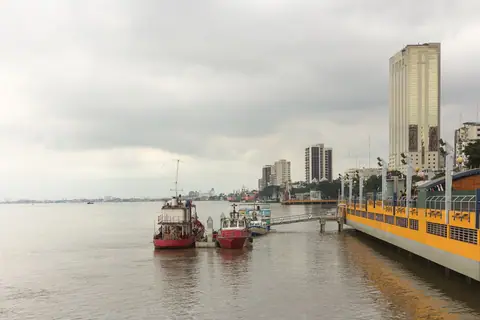
Guayaquil Climate and Seasonal Calendar Guide
Guayaquil, Ecuador
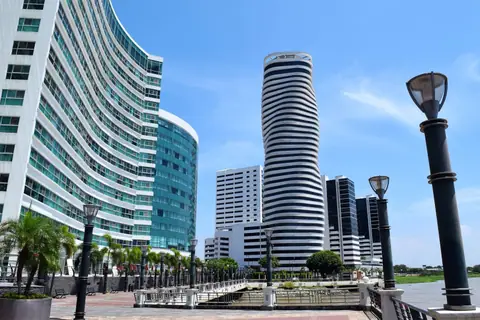
Where to Stay in Guayaquil: Neighbourhoods from Riverfront to Samborondón
Guayaquil, Ecuador
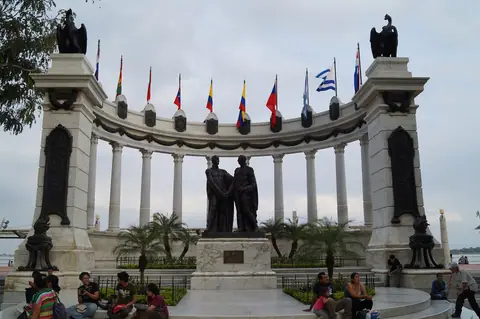
3 Days in Guayaquil: Malecón 2000, Las Peñas, and Riverside Heritage
Guayaquil, Ecuador
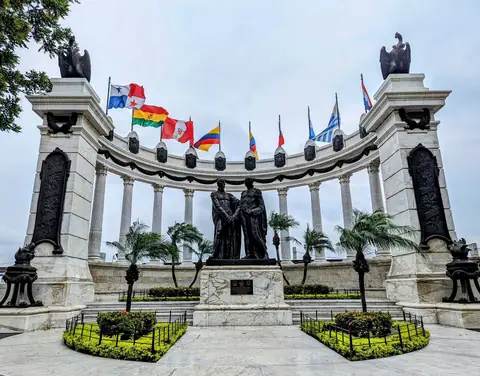
Malecón 2000, La Rotonda and Guayas Riverfront Guide, Guayaquil
Guayaquil, Ecuador
