What to Wear in Boston: Brick Pavements, Harbour Winds and Four-Season Layers
Pack supportive flat footwear and adaptable windproof layers to comfortably navigate uneven red-brick walkways and chilly coastal breezes across Boston neighbourhoods.
Boston is an intensely pedestrian city where your choice of shoes dictates how much you enjoy each day outdoors. The downtown streets feature undulating red-brick pavements, granite kerbs, and steep cobblestone alleys that test your footing constantly. Smooth leather soles or thin footwear can lead to twisted ankles and tired arches after just a few hours. We recommend packing broken-in trainers or supportive walking boots with thick rubber outsoles before tackling the heritage trails.
When following the marked urban paths along the Freedom Trail guide, you tread on varied masonry surfaces that shift underfoot. Narrow alleyways around Beacon Hill slant sharply toward street drains, creating tricky footholds after morning rain or light drizzle. Leaving dress shoes or heels in your hotel luggage keeps your feet protected through long afternoons of self-guided walking. Solid footwear also shields your soles when stepping onto metal grates and steel subway stairs.

Navigating Heritage Red Bricks and Cobblestone Alleys
Uneven surfaces define the city core, making foot comfort your foremost packing priority across all four seasons. Many residential lanes have tree roots thrusting through heritage brickwork. These roots create sudden raised ridges that surprise inattentive walkers. Sturdy running shoes or supportive leather boots with deep tread patterns offer the necessary traction across damp clay paving. Pairing proper footwear with moisture-wicking wool socks helps cushion every impact against unforgiving granite stones.
Subway platforms and underground transfer corridors present slick glazed tiles and damp stair risers during commuter rush periods. A pair of well-cushioned shoes makes ascending long escalators or crowded staircases far more secure and pleasant. You will find that locals prioritise sensible, well-made footwear even when commuting to formal office blocks or civic buildings. Embracing practical walking shoes allows you to focus on the fine Georgian architecture rather than painful blisters.
| Footwear Type | Surface Suitability | Recommended Feature |
|---|---|---|
| Cushioned Trainers | Pavements and Parks | Thick rubber sole with arch support |
| Waterproof Ankle Boots | Cobblestones and Muddy Lawns | Grippy tread with ankle stability |
| Breathable Slip-ons | Flat Museums and Cafes | Memory foam insole for interior floors |
Packing an alternate pair of shoes is sensible if sudden showers soak your primary footwear while exploring outdoors. Alternating shoes gives damp insoles time to dry out thoroughly overnight in your hotel room. If you intend to plan extensive days outdoors, reviewing major galleries, parks, and historic landmarks helps align your footwear choices with specific museum or walking targets.
Harbourfront Breezes and Waterfront Wind Protection
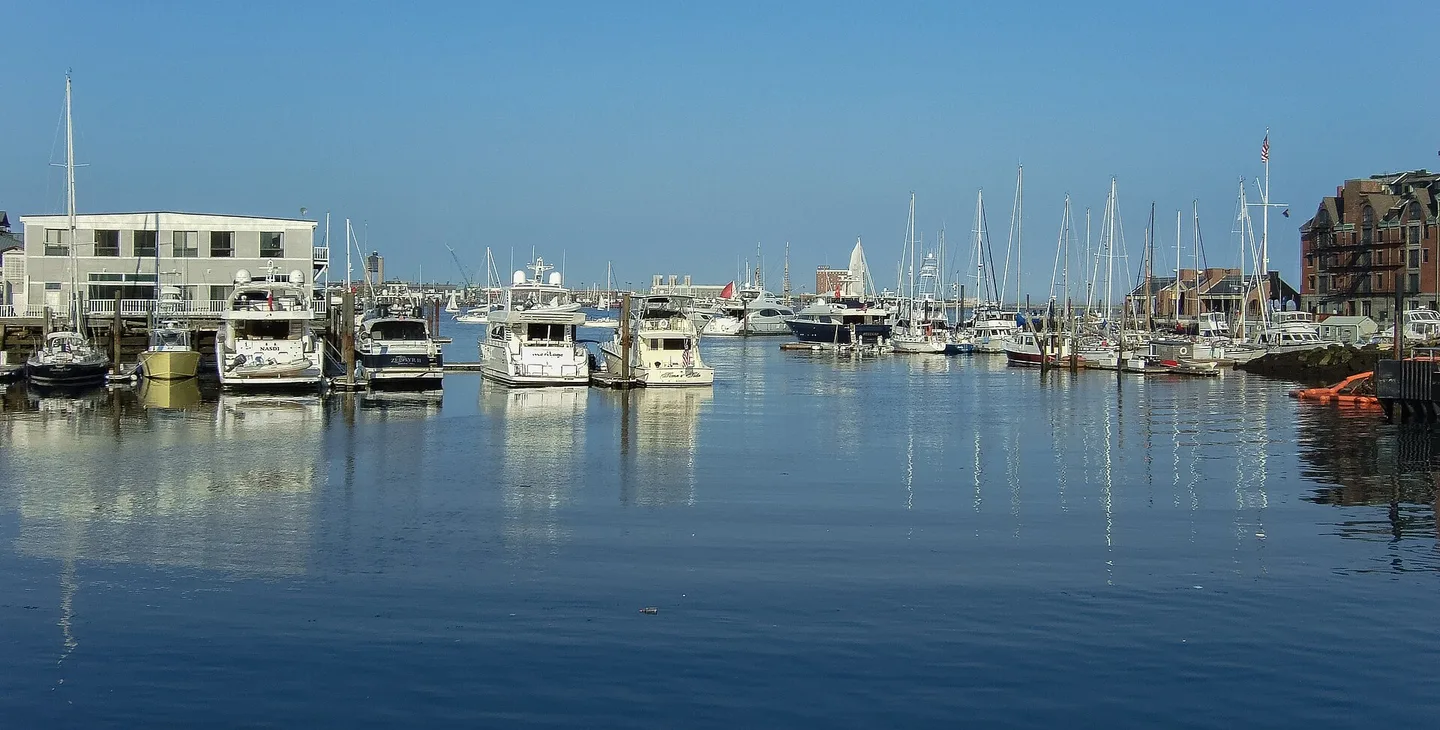
Boston Harbour introduces sudden shifts in microclimate that inland squares rarely experience on clear afternoons. Even when inland avenues feel calm and warm, waterfront quays catch brisk Atlantic draughts sweeping across the open water. Long Wharf and the adjacent piers feel several degrees cooler because maritime breezes funnel between high stone warehouses. A lightweight, wind-resistant outer jacket should stay tucked inside your daypack whenever you head towards open maritime docks.
Coastal air carries damp sea spray that cuts right through loose open-knit jumpers and thin cotton cardigans. A compact windbreaker with a snug hood protects your neck and ears during breezy waterfront strolls. Travellers boarding public harbour ferries or island excursions discover that gusts over the open channels require tight cuffs and zip-up collars. We advise choosing midweight layers that you can put on quickly when crossing breezy shoreline promenades.
- Windproof lightweight jacket with secure zipped pockets for tickets and phones.
- Compact knitted scarf to seal open collars against sudden harbour sea draughts.
- Crossbody bag with weather-resistant fabric to keep electronics safe from marine spray.
- UV-filtering sunglasses to reduce severe water glare along stone quays and piers.
Layering allows you to transition comfortably between exposed breezy wharves and sheltered indoor food markets along the waterfront. Pulling off an outer shell prevents overheating as soon as you step inside civic market halls for chowder. Keeping adaptable clothing on hand gives you complete freedom to wander between sunny harbour benches and sheltered courtyard cafes.
Summer Humidity and Breathable City Exploring
Summertime in the city brings intense daytime heat paired with noticeable humidity rolling inland from coastal mudflats and bays. Walking shaded avenues under midday sun still generates warmth, requiring breathable clothing made from pure linen or light cotton. Dark synthetic garments tend to trap sticky perspiration against your skin, making prolonged urban strolls quite uncomfortable. Loose-fitting short-sleeved shirts, modest shorts, and airy summer trousers offer comfort without compromising entry into formal civic halls.
Air conditioning inside museums, libraries, and commuter trains is frequently set to brisk temperatures, causing immediate chills after humid sidewalks. Carrying a thin cotton overshirt or light cardigan inside your day satchel solves this rapid indoor cooling dilemma. A broad sun hat protects your scalp along treeless waterfront stretches, while a folding umbrella repels sudden afternoon squalls. Consulting the Boston travel guide assists with timing your museum stops around midday heat.
Winter Chill, Atlantic Frost and Layering Principles
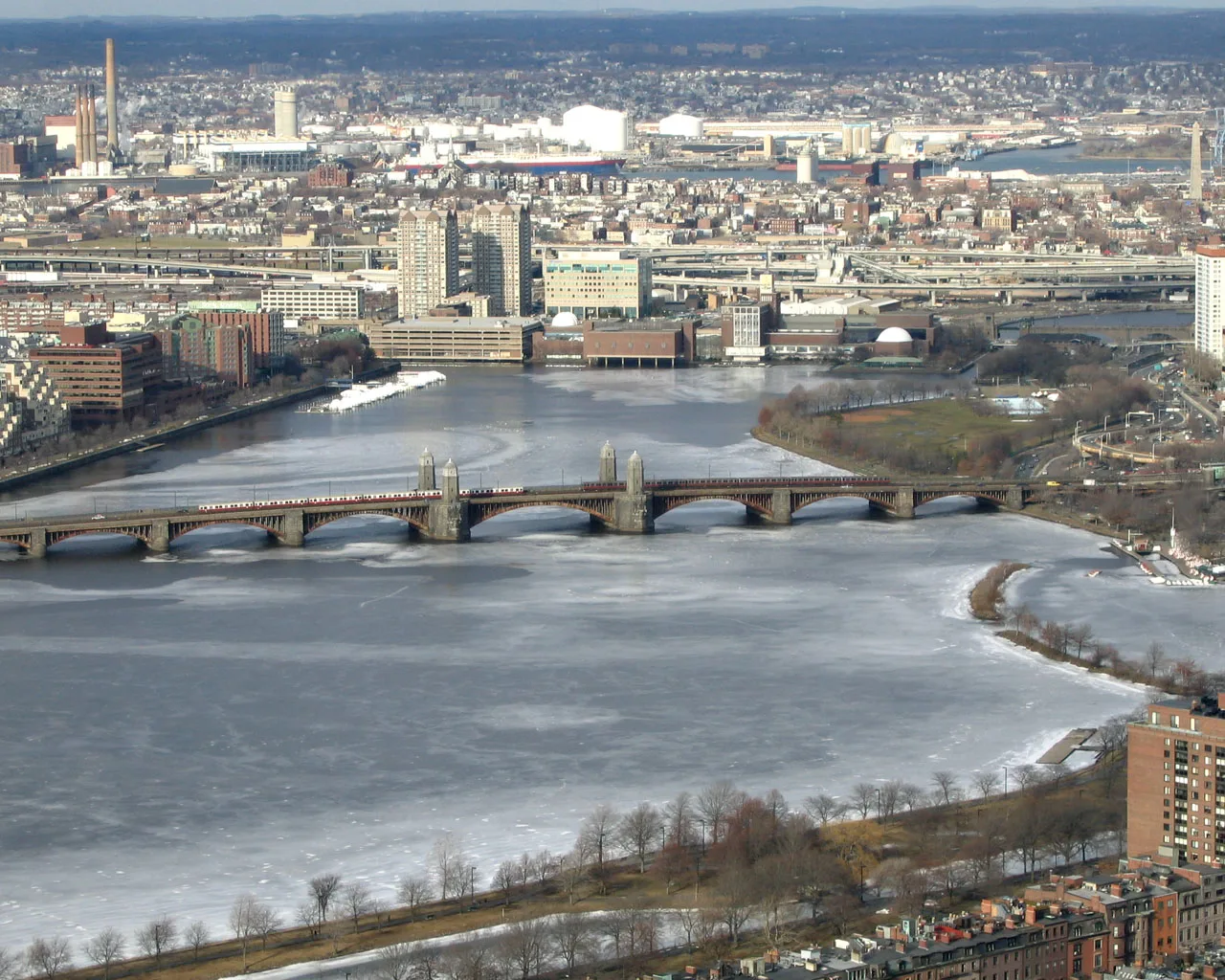
Winter conditions demand a serious approach to warmth, as freezing winds whip along wide avenues and across frozen riverbanks. Sub-zero temperatures become far more biting when combined with moisture-laden Atlantic air that easily penetrates standard wool coats. A thermal base layer made of merino wool or technical fabric worn beneath trousers and jumpers forms your first defence. Topping your outfit with a down-filled, knee-length parka keeps your torso warm when crossing windy bridge spans.
Pavements often develop hidden patches of black ice where snow melt refreezes across sloping red bricks during early evenings. Insulated winter boots equipped with aggressive rubber lugs prevent slips on treacherous steps leading down into subway stations. Thick thermal socks, lined leather gloves, and a fleece-lined beanie keep your extremities protected during crisp morning outings. Packing thoughtfully allows you to enjoy sparkling frost over historic public commons in total physical warmth and comfort.
Shoulder Seasons: Autumn Colours and Spring Showers
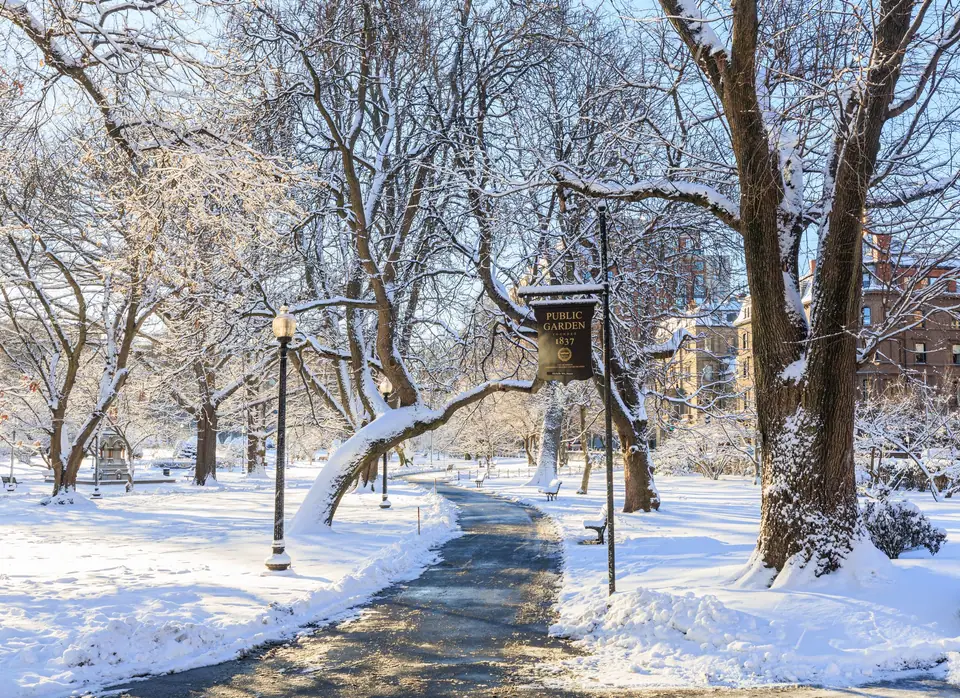
Spring and autumn present rapid weather fluctuations that require versatile daypack packing. A morning that begins with bright sunshine across the Public Garden can shift quickly toward damp coastal fog by mid-afternoon. During October, crisp morning temperatures rise pleasantly under clear skies before dropping sharply at dusk. Wearing a medium-weight fleece beneath a water-resistant shell jacket allows you to adjust smoothly throughout these transitions.
Spring brings frequent rain showers that soften turf along park paths and create standing puddles on aged brick pavements. Water-resistant footwear with reliable grip is essential during April and May when sudden downpours are common. Packing a compact travel umbrella alongside a breathable rain mac keeps you dry without adding excess weight to your day bag. A light scarf also shields your neck against lingering winter draughts blowing off Massachusetts Bay.
Weather by month
Boston is warmest in July, with average highs around 29°C, and coldest in February, when nights drop to about -6°C. December is the wettest month by rainfall (120 mm), with rain on about 11 days. For mild weather with fewer rainy days, aim for September and October.
| Month | Low | Range | High | Rain | Rainy days |
|---|---|---|---|---|---|
| Jan | -5°C | 3°C | 106 mm | 10 d | |
| Feb | -6°C | 5°C | 88 mm | 10 d | |
| Mar | -2°C | 8°C | 110 mm | 12 d | |
| Apr | 4°C | 13°C | 107 mm | 12 d | |
| May | 10°C | 20°C | 79 mm | 11 d | |
| Jun | 15°C | 25°C | 87 mm | 11 d | |
| Jul | 19°C | 29°C | 110 mm | 12 d | |
| Aug | 18°C | 28°C | 74 mm | 11 d | |
| Sep | 15°C | 24°C | 109 mm | 9 d | |
| Oct | 9°C | 17°C | 118 mm | 10 d | |
| Nov | 2°C | 11°C | 84 mm | 9 d | |
| Dec | -2°C | 6°C | 120 mm | 11 d |
Averages of daily values from 2015 to 2024. Rainy days are days with at least 1 mm of rain. Source: Open-Meteo · Compare destinations by month.
Official prices and opening hours
- The Freedom Trail (16 Historic Sites)Official site ↗
Where it is
- 1Boston
- Boston Logan International Airport (BOS) · about 4 km from Boston in a straight line
- Directions in Google Maps
Stations and taxi ranks: OpenStreetMap. Airports: OurAirports. Distances are in a straight line.
Traveller tips
Real advice from people who have been to Boston. Every tip is read by our team before it goes live.
No tips yet. Been here? Yours could be the first.
Thank you! Your tip will appear here after a quick review.
More in Boston
Continue exploring Boston with related neighbourhood, food, and planning guides

Cambridge Guide: Harvard Yard, Art Galleries and MIT
Boston, United States

Day Trips from Boston: Salem, Concord, Plymouth and Cape Cod
Boston, United States

Where to Stay in Boston: Back Bay, Beacon Hill and the Waterfront
Boston, United States

Boston in Three Days: A Practical Walking and Transit Circuit
Boston, United States
