Best Time to Visit Busan
October film and fireworks festivals, late March cherry blossoms, summer beach season and mild winters.
Sitting at the southern tip of the Korean Peninsula washed by warm ocean currents, Busan enjoys a milder maritime climate than Seoul: winter snow is rare, spring blossoms open a week or two earlier, and coastal breezes temper summer afternoons. For crisp blue skies, comfortable coastal hikes and the city's flagship cultural events, the two standout windows are late March to May and October to mid-November.
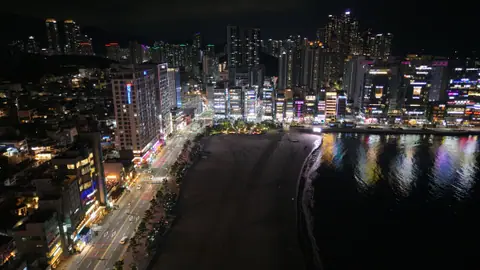
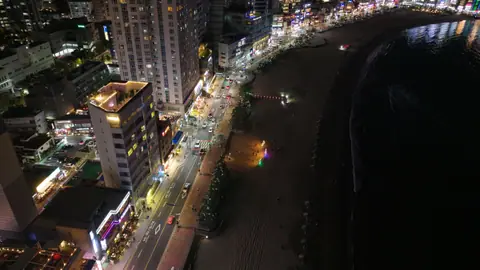
Autumn (October and November) is widely considered the premier time to be in Busan. Humid summer air gives way to dry, sparkling sunshine with daytime highs of 17°C to 23°C and calm evenings along the water. October is Busan's festival month: cinema lovers gather in Centum City and BIFF Square for the Busan International Film Festival (BIFF), Asia's leading film showcase, followed later in the autumn by the Busan Fireworks Festival over Gwangalli Beach, when hundreds of thousands of spectators watch choreographed pyrotechnics erupt along the length of Gwangan Bridge. By early November, the maples and ginkgoes framing Beomeosa Temple on Geumjeongsan turn brilliant scarlet and gold.
Spring (Late March, April and May) arrives early on the southern coast. Around the last week of March and first week of April, tunnels of pale pink cherry blossoms bloom along Dalmaji Hill Road above Haeundae, Oncheoncheon Stream and Samnak Ecological Park (and just west in Jinhae for Korea's largest cherry blossom festival). May brings warm 22°C days, the Haeundae Sand Festival and thousands of colourful paper lotus lanterns strung across Beomeosa and Samgwangsa temples for Buddha's Birthday.
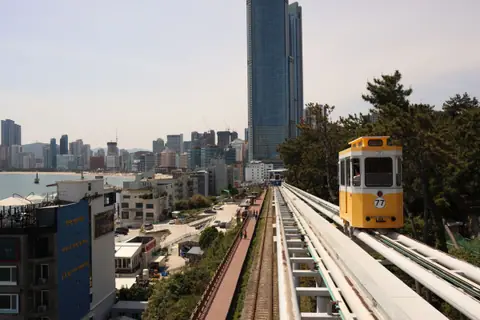
Summer (June to September) is Busan's domestic beach holiday season. Late June and early July bring warm monsoon rains (jangma), followed by hot, humid beach weather in late July and August (29°C to 31°C) when parasols pack Haeundae and Songjeong (Korea's surfing beach). Late August and September can occasionally see passing maritime typhoons.
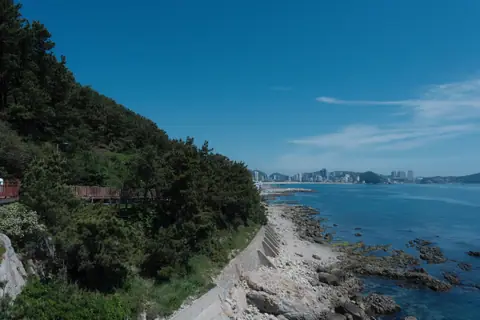
Winter (December to February) is sunny, dry and noticeably milder than northern Korea, with daytime highs of 8°C to 11°C, crisp visibility from coastal skywalks and steaming bowls of pork dwaeji gukbap. Check what to wear in Busan before packing.
Weather by month
Busan is warmest in August, with average highs around 30°C, and coldest in January, when nights drop to about 0°C. July is the wettest month by rainfall (296 mm), with rain on about 12 days. For mild weather with fewer rainy days, aim for October.
| Month | Low | Range | High | Rain | Rainy days |
|---|---|---|---|---|---|
| Jan | 0°C | 8°C | 34 mm | 3 d | |
| Feb | 2°C | 10°C | 46 mm | 4 d | |
| Mar | 6°C | 14°C | 84 mm | 6 d | |
| Apr | 11°C | 18°C | 128 mm | 8 d | |
| May | 15°C | 22°C | 138 mm | 8 d | |
| Jun | 19°C | 25°C | 178 mm | 9 d | |
| Jul | 23°C | 28°C | 296 mm | 12 d | |
| Aug | 24°C | 30°C | 238 mm | 10 d | |
| Sep | 20°C | 26°C | 168 mm | 9 d | |
| Oct | 15°C | 22°C | 72 mm | 5 d | |
| Nov | 8°C | 16°C | 48 mm | 5 d | |
| Dec | 2°C | 10°C | 28 mm | 3 d |
Averages of daily values from 2015 to 2024. Rainy days are days with at least 1 mm of rain. Source: Open-Meteo · Compare destinations by month.
Where it is
- 1Busan
- Gimhae International Airport (PUS) · about 13 km from Busan in a straight line
- Directions in Google Maps
Stations and taxi ranks: OpenStreetMap. Airports: OurAirports. Distances are in a straight line.
Traveller tips
Real advice from people who have been to Busan. Every tip is read by our team before it goes live.
No tips yet. Been here? Yours could be the first.
Thank you! Your tip will appear here after a quick review.
More in Busan
Continue exploring Busan with related neighbourhood, food, and planning guides