What to Wear in Cape Town: Clothing Packing Guide
A complete Cape Town clothing guide covering windproof layering, seasonal weather shifts, mountain hiking footwear, and smart-casual dining expectations.
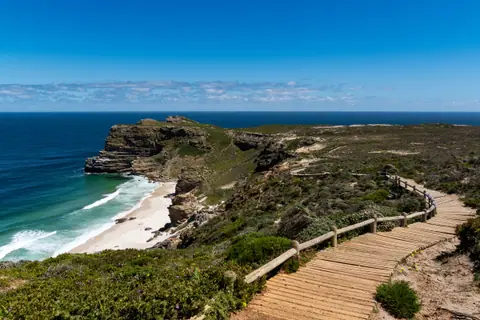
Packing for Cape Town requires a practical system built around rapid microclimate changes. The Atlantic ocean current, high sandstone massifs, and coastal peninsulas generate wildly differing conditions across a single afternoon. On a typical summer afternoon, Clifton 4th Beach along Camps Bay and Clifton beaches can record calm air and high warmth. Meanwhile, the summit of Table Mountain might sit in damp cloud with cold gusts, and the headland at Cape Point feels exposed to the Southern Ocean. Moving between suburbs means passing through varying weather zones in less than an hour. A windproof outer shell and modular layering are necessary all year round.
Everyday style across Cape Town remains outdoor-oriented and relaxed. Neat denim, breathable linen shirts, and comfortable walking shoes fit in everywhere from seaside cafes to historic dining rooms. Formal evening wear is rarely expected unless an establishment specifies a black-tie dress code.
Seasonal Weather and Clothing Recommendations
| Season | Temperature Range | Precipitation Profile | Recommended Core Layers |
|---|---|---|---|
| Summer (Dec to Feb) | Highs 24.9°C to 26.5°C, lows 14.9°C to 15.7°C | 15 mm to 17 mm per month, 3 to 4 wet days | Linen shirts, UV sun hat, light windbreaker, swim gear |
| Autumn (Mar to May) | Highs 20.3°C to 25.4°C, lows 9.4°C to 14.2°C | 20 mm to 69 mm per month, rising to 9 wet days | Midweight fleece, packable rain jacket, long trousers |
| Winter (Jun to Aug) | Highs 17.5°C to 18.1°C, lows 7.0°C to 7.8°C | 77 mm to 93 mm per month, 10 to 11 wet days | Waterproof hooded shell, thermal base, warm knitwear |
| Spring (Sep to Nov) | Highs 19.2°C to 23.5°C, lows 8.7°C to 13.2°C | 14 mm to 40 mm per month, 4 to 8 wet days | Versatile windbreaker, light pullover, walking trainers |
Understanding the Peninsula Microclimates
Cape Town weather is dictated by topography. In midsummer, January averages a comfortable high of 26.1°C and February reaches 26.5°C with modest rainfall of 15 mm to 17 mm. However, strong southeasterly winds frequently sweep across the southern peninsula. This wind, locally dubbed the Cape Doctor, creates sudden wind-chill factors. Leaving your accommodation in light cotton shorts without a backup layer invites immediate discomfort once you step into exposed coastal gusts.
Winter tells a different story. June, July, and August experience daytime highs between 17.5°C and 18.1°C, with overnight lows sinking to 7.0°C to 7.8°C. Rain levels peak at 93 mm in June across 10.5 wet days. Winter storms arrive with forceful horizontal rain from the northwest. Umbrellas regularly invert or snap under these gusts. A waterproof jacket with an adjustable hood and taped seams is far more reliable for city walking and sightseeing.
Footwear Essentials for Sandstone Trails and City Cobbles
Footwear deserves careful planning when preparing your luggage. Cape Town rewards exploration on foot, but surfaces transition quickly from smooth pavements to rough ground. Climbing the steep sandstone paths of Lion's Head and Signal Hill demands sturdy trail shoes or trainers with deep lugged tread. Loose gravel and polished rock ledges offer minimal traction to smooth-soled street sneakers. You will also encounter uneven stone flags, boardwalks, and timber steps across coastal nature reserves.
For city exploration, bring a pair of supportive walking shoes or broken-in leather sneakers. The historic cobblestones of the city centre and the dockside walkways around the V&A Waterfront cover significant walking distances. Flip-flops and beach sandals are ideal for sandy stretches, but they are unsuitable for long urban strolls or any trail climbing.
Packing Checklist for Outdoor and Cultural Excursions
- Windproof outer shell: Essential during all seasons to shield against high coastal gales on mountain summits and open ferry decks.
- Technical fleece or merino mid-layer: Traps core warmth when maritime winds drop afternoon temperatures unexpectedly.
- UV-protective sun hat and polarised sunglasses: Southern hemisphere sun intensity remains high, especially when reflected off coastal waters and white granite sands.
- High-SPF broad-spectrum sunscreen: Necessary year-round, as cool breezes often mask intense solar radiation.
- Modest cover-up scarf or light shawl: Respectful attire for entering mosques and community heritage spaces when touring Bo-Kaap and the City Bowl.
- Swimwear and quick-drying towel: Ideal for cold Atlantic dips, sheltered tidal pools, and surfing at Muizenberg. Surfers planning extended sessions should bring or hire a neoprene wetsuit due to low ocean temperatures.
- South African Type M electrical adapter: Features three large round pins in a triangular pattern, easily bought at Cape Town International Airport upon arrival.
Day-to-Night Dressing and Restaurant Etiquette
Cape Town dining establishments operate with a relaxed dress ethos. Daytime dining in beachside suburbs welcomes smart casual shorts, t-shirts, and summer dresses. When dining out at upscale restaurants or historic wine estates in the Constantia Valley, local patrons choose understated smart casual. Well-fitted dark denim, tailored trousers, collared linen shirts, and clean shoes represent the standard benchmark for dinner reservations.
Even after hot summer afternoons reaching 26°C, evenings cool down rapidly once the sun dips behind the Atlantic horizon. Nighttime lows in December and January drop to around 15°C. When dining outdoors on harbour terraces or beachfront verandas, keep a light jacket, structured overshirt, or cardigan within arm reach. Adapting to the night air allows you to enjoy outdoor dining across the peninsula without retreating indoors.
Weather by month
Cape Town is warmest in February, with average highs around 27°C, and coldest in July, when nights drop to about 7°C. June is the wettest month by rainfall (93 mm), with rain on about 11 days. For mild weather with fewer rainy days, aim for January, February, March, October, November and December.
| Month | Low | Range | High | Rain | Rainy days |
|---|---|---|---|---|---|
| Jan | 16°C | 26°C | 15 mm | 4 d | |
| Feb | 16°C | 27°C | 17 mm | 3 d | |
| Mar | 14°C | 25°C | 20 mm | 4 d | |
| Apr | 12°C | 23°C | 41 mm | 6 d | |
| May | 9°C | 20°C | 69 mm | 9 d | |
| Jun | 8°C | 18°C | 93 mm | 11 d | |
| Jul | 7°C | 18°C | 82 mm | 10 d | |
| Aug | 8°C | 18°C | 77 mm | 11 d | |
| Sep | 9°C | 19°C | 40 mm | 8 d | |
| Oct | 11°C | 21°C | 30 mm | 6 d | |
| Nov | 13°C | 24°C | 14 mm | 4 d | |
| Dec | 15°C | 25°C | 17 mm | 4 d |
Averages of daily values from 2015 to 2024. Rainy days are days with at least 1 mm of rain. Source: Open-Meteo · Compare destinations by month.
Where it is
- 1Cape Town
- Cape Town International Airport (CPT) · about 17 km from Cape Town in a straight line
- Directions in Google Maps
Stations and taxi ranks: OpenStreetMap. Airports: OurAirports. Distances are in a straight line.
Traveller tips
Real advice from people who have been to Cape Town. Every tip is read by our team before it goes live.
No tips yet. Been here? Yours could be the first.
Thank you! Your tip will appear here after a quick review.
More in Cape Town
Continue exploring Cape Town with related neighbourhood, food, and planning guides