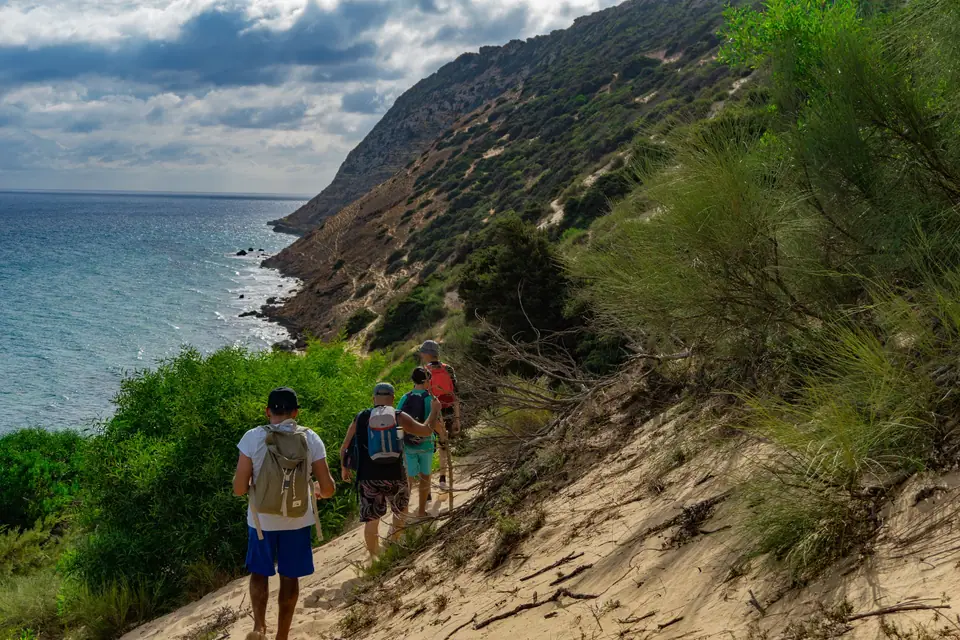
What to Wear in Crete: Gorge Trail Shoes, Water Shoes for Pebbles and Mountain Layers
Packing smartly for an island that goes from coral sandbars to 1,250-metre alpine canyons in an hour.
Packing for Crete is different from packing for a tiny flat Cycladic island because your days in Crete alternate between Venetian harbour dinners, coral-sand lagoons, pebble coves and steep limestone mountain gorges. Make room for these four practical items in your bag.
Four Practical Packing Rules for Crete
- Supportive Trail Trainers or Lightweight Hiking Shoes (Crucial for Gorges, Balos & Preveli): even if you are not hiking the full 16 kilometres of Samaria Gorge (where smooth river boulders require proper ankle support and thick cushioned soles plus blister-free wool/synthetic hiking socks), the 25-minute stone cliff descent to Balos Lagoon, the 400 stone steps above Preveli Palm Beach, and the climb up to Gramvousa Castle are rocky and steep. Never attempt them in flip-flops or loose slides; wear real trainers.
- Lightweight Swim / Water Shoes (For South-Coast Pebble Beaches & Sea Caves): while Elafonisi, Balos and Falassarna have soft fine sand, many of the clearest, deepest-blue beaches on the southern Libyan Sea coast, such as Sweetwater Beach (Glyka Nera), Loutro, Marmara and Agia Roumeli, are lined with smooth sun-warmed pebbles and underwater rock shelves. A pair of packable mesh water shoes makes wading in and out of the water effortless.
- A Warm Fleece or Windbreaker for 1,000m Mountain Passes (Omalos & Lasithi): if you take the early in the morning bus up to the Omalos Plateau (1,250m elevation) at the start of the Samaria Gorge hike, the dawn mountain air is a crisp 10°C to 12°C even in July. Wear a light zip-up fleece or windbreaker for the first hour of the morning that you can peel off and tuck into your daypack once the sun hits the canyon floor.
- A Cotton Sarong or Linen Trousers for Historic Monasteries: at active monasteries like Arkadi, Preveli and Agia Triada Monastery (Akrotiri), shoulders and knees must be covered over swimwear (free loaner wrap skirts are also kept in a basket at the monastery gates). Check seasonal weather before flying.
Weather by month
Crete is warmest in August, with average highs around 31°C, and coldest in January, when nights drop to about 9°C. December is the wettest month by rainfall (118 mm), with rain on about 11 days. For mild weather with fewer rainy days, aim for April and May.
| Month | Low | Range | High | Rain | Rainy days |
|---|---|---|---|---|---|
| Jan | 9°C | 16°C | 112 mm | 11 d | |
| Feb | 9°C | 16°C | 92 mm | 9 d | |
| Mar | 11°C | 18°C | 62 mm | 7 d | |
| Apr | 13°C | 21°C | 28 mm | 4 d | |
| May | 17°C | 25°C | 12 mm | 2 d | |
| Jun | 20°C | 29°C | 3 mm | 1 d | |
| Jul | 23°C | 31°C | 1 mm | 0 d | |
| Aug | 23°C | 31°C | 1 mm | 0 d | |
| Sep | 21°C | 29°C | 14 mm | 2 d | |
| Oct | 17°C | 25°C | 52 mm | 5 d | |
| Nov | 14°C | 21°C | 78 mm | 7 d | |
| Dec | 11°C | 17°C | 118 mm | 11 d |
Averages of daily values from 2015 to 2024. Rainy days are days with at least 1 mm of rain. Source: Open-Meteo · Compare destinations by month.
Where it is
- 1Central Crete
- Chania International Airport (CHQ) · about 12 km from the central Crete in a straight line
- Directions in Google Maps
Stations and taxi ranks: OpenStreetMap. Airports: OurAirports. Distances are in a straight line.
Traveller tips
Real advice from people who have been to Crete. Every tip is read by our team before it goes live.
No tips yet. Been here? Yours could be the first.
Thank you! Your tip will appear here after a quick review.
More in Crete
Continue exploring Crete with related neighbourhood, food, and planning guides
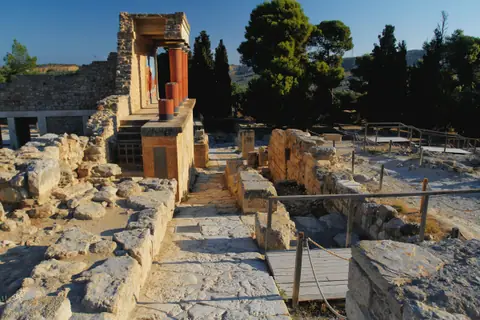
The Minoan Palace of Knossos (1900 BC) and Heraklion Archaeological Museum
Crete, Greece
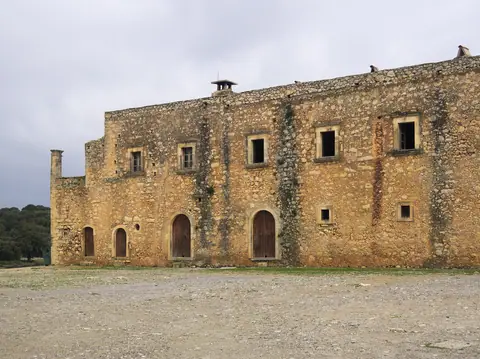
Rethymno Old Town, the 1573 Venetian Fortezza and Arkadi Monastery
Crete, Greece
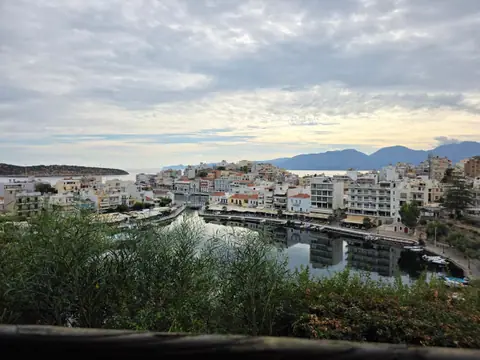
Eastern Crete: Agios Nikolaos (Lake Voulismeni), Elounda and Spinalonga Island
Crete, Greece
Car-Free Loutro, Hora Sfakion, Sweetwater Beach and Aradena Gorge
Crete, Greece
