Best Time to Visit Dakar
Seven months of rain-free Atlantic breezes from November to May versus the warm green summer.
Because the Cap-Vert peninsula extends far out into the cool Canary Current of the North Atlantic, Dakar enjoys a markedly milder, breezier microclimate than the inland Sahel. The year splits cleanly into two distinct seasons: a long, rain-free cool dry season from November to May, and a warm, humid rainy season (known locally as l'hivernage) from late June to October.
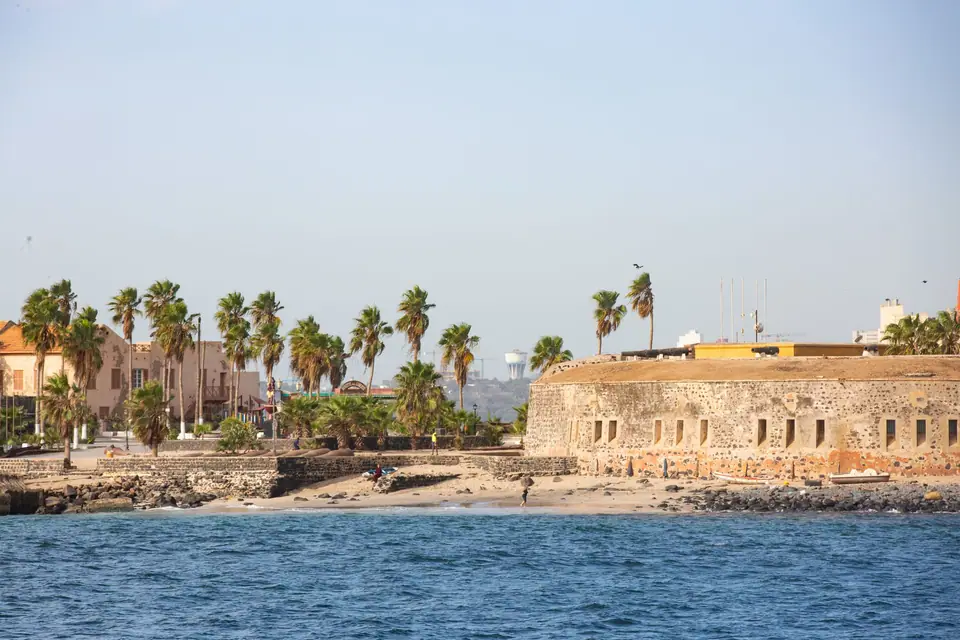
The Cool Dry Season (November to May) is the prime window to visit Dakar. Not a drop of rain falls for months on end, daytime temperatures sit between a pleasant 24°C and 27°C tempered by steady ocean trade winds (the maritime alizés), and evenings on the Almadies and Gorée terraces cool down to 18°C to 20°C, calling for a light cotton jacket or shawl. From December to March, dry inland Harmattan winds occasionally drift across from the Sahara, bringing a soft golden haze to afternoon sunsets along the Corniche Ouest. This is also the peak season for consistent north-west Atlantic winter swells hitting the rocky point breaks around Ngor, Ouakam and Almadies, attracting surfers from across Europe and Africa.
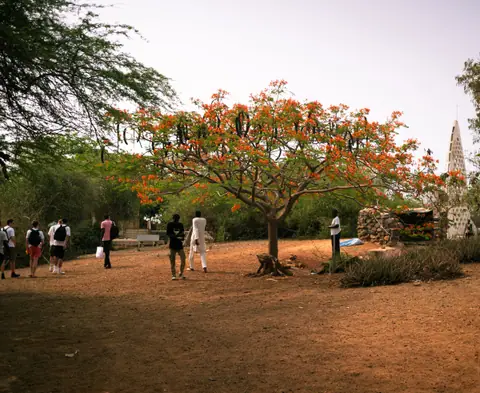
May and June (Spring Shoulder & Cultural Calendar) bring warming seas for swimming, blooming flame trees (flamboyants) along the boulevards of Plateau and Fann, and in even-numbered years, the prestigious Dak'Art Biennale of Contemporary African Art (typically held across May and June), which turns historic railway halls, courtrooms and island forts into exhibition spaces across the metropolis.
The Green Season / Hivernage (July to October) brings tropical warmth (highs around 30°C to 31°C with high humidity) and periodic monsoon rainstorms, heaviest in August and September. While some low-lying suburban streets can flood briefly after a downpour, ocean water temperatures are at their warmest for swimming and surfing at Virage, coastal baobabs leaf out in bright green, and hotels are quieter. Check what to pack for each season before your flight.
Weather by month
Dakar is warmest in October, with average highs around 31°C, and coldest in February, when nights drop to about 18°C. August is the wettest month by rainfall (145 mm), with rain on about 9 days. For mild weather with fewer rainy days, aim for January, February, March, April, May and December.
| Month | Low | Range | High | Rain | Rainy days |
|---|---|---|---|---|---|
| Jan | 18°C | 25°C | 1 mm | 0 d | |
| Feb | 18°C | 25°C | 1 mm | 0 d | |
| Mar | 18°C | 25°C | 0 mm | 0 d | |
| Apr | 19°C | 25°C | 0 mm | 0 d | |
| May | 20°C | 26°C | 0 mm | 0 d | |
| Jun | 23°C | 29°C | 8 mm | 1 d | |
| Jul | 25°C | 30°C | 45 mm | 4 d | |
| Aug | 25°C | 30°C | 145 mm | 9 d | |
| Sep | 25°C | 31°C | 120 mm | 8 d | |
| Oct | 25°C | 31°C | 25 mm | 2 d | |
| Nov | 22°C | 29°C | 2 mm | 0 d | |
| Dec | 20°C | 27°C | 1 mm | 0 d |
Averages of daily values from 2015 to 2024. Rainy days are days with at least 1 mm of rain. Source: Open-Meteo · Compare destinations by month.
Where it is
- 1Dakar
- Blaise Diagne International Airport (DSS) · about 43 km from Dakar in a straight line
- Directions in Google Maps
Stations and taxi ranks: OpenStreetMap. Airports: OurAirports. Distances are in a straight line.
Traveller tips
Real advice from people who have been to Dakar. Every tip is read by our team before it goes live.
No tips yet. Been here? Yours could be the first.
Thank you! Your tip will appear here after a quick review.
More in Dakar
Continue exploring Dakar with related neighbourhood, food, and planning guides