Best Time to Visit Edinburgh
Month by month, when Edinburgh is dry, warm, crowded or calm, with the August festivals, Hogmanay and the quieter shoulder seasons.
Short answer: visit in late spring for the driest weather, long evenings and calmer streets. Come in August for the festivals, but book early and expect crowds. Hogmanay is the time for a winter party, while autumn and early winter suit travellers who want quiet museums and lower demand.
The climate in brief
Edinburgh has a mild, damp climate with no real extremes. The averages on this page come from Open-Meteo data for 2015 to 2024. They show an average high of 6.8°C in January and 19.6°C in July, the warmest month. August is almost as warm, with an average high of 19.2°C.
Rain is spread through the year rather than packed into one season. The data shows rain on about 9 to 12 days in every month. April is the driest month, with about 44 mm and fewer wet days than any other month. October is the wettest, with about 76 mm. So a waterproof layer belongs in your bag whenever you travel.
Spring: March to May
Spring is our pick for a debut visit. The days lengthen quickly, the gardens wake up, and the streets are calmer than in summer. April brings the driest weather of the year, and May adds warmer afternoons. Cherry trees and daffodils brighten the Meadows and Princes Street Gardens.
It still feels fresh, especially in the wind on the hills. Bring a warm layer for evenings and for the climb up Arthur's Seat. Easter can be busy with school holidays, so book the castle early if your dates fall then. The castle fires its One o'Clock Gun daily except Sundays, Good Friday and Christmas Day.
Summer: June to August
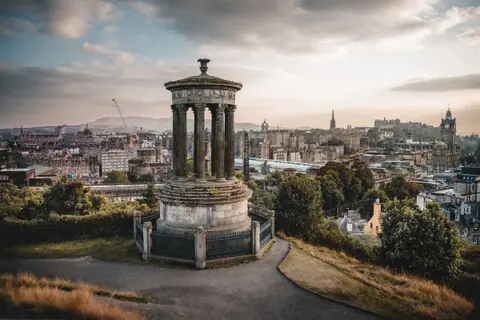
Summer is the warmest season, with July and August the peak. The long northern evenings are the real joy, giving you light for walks well into the night. June is calmer than the festival weeks, and it is a fine time to walk the coast at Leith or climb Calton Hill for the views.
Rain is still common in summer, and July and August are among the wetter months in the averages. Pack for showers as well as sun. Rooms get expensive and scarce as August approaches, so book early if your trip falls in late July or August.
August and the festivals
August turns Edinburgh into one huge stage for a few weeks. The official city tourism site lists 12 festivals through the year, and several of the major ones share this month. The Fringe has announced its 80th edition for 6 to 30 August 2027. The Royal Edinburgh Military Tattoo runs from 6 to 28 August 2027 at Edinburgh Castle.
The atmosphere is electric, with performers on the Royal Mile and venues in every hall and cellar. The cost is crowds and high room prices. Book accommodation months ahead, reserve key shows early, and leave room for the free street acts. If crowds are not your thing, avoid the month entirely.
Autumn: September to November
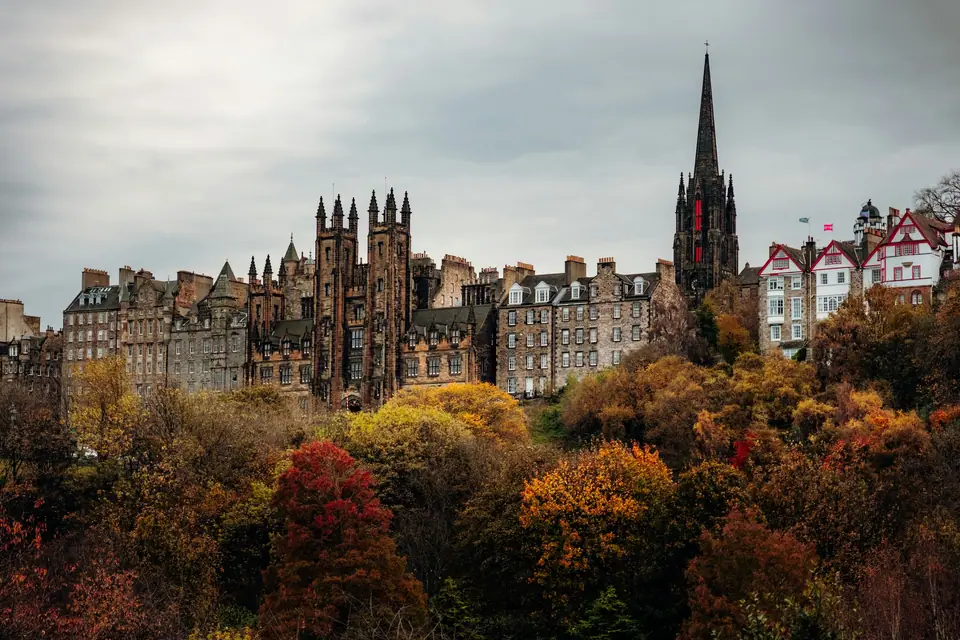
September is a fine month for a calmer visit. The festivals have gone, the weather is often still mild, and the leaves start to turn on the hills. October is the wettest month in the averages, so plan museum days for the rain. The National Museum of Scotland and the National Galleries are free to enter.
November is quiet and grey, but rooms are easier to find. It suits travellers who want pubs, galleries and long dinners rather than long hikes. The Christmas markets begin to open at the end of the month, and they change some bus routes in the centre.
Winter: December to February
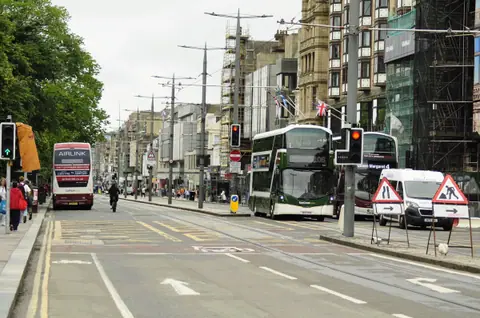
Winter is cold and dark, with January averaging a high of 6.8°C. Yet the city has a cosy charm, with lights in the streets and fires in the pubs. December brings the Christmas markets in the centre. Lothian Buses moves the Airlink 100 to George Street from 9 November 2026 until 7 January 2027 because of them.
Check the castle dates before you plan a December visit. Edinburgh Castle opens until 23 December and closes on 25 and 26 December. After the New Year, January and February are the quietest months, which suits budget trips and slow museum days.
Hogmanay
Edinburgh's Hogmanay is a New Year party known far beyond Scotland. The 2026/27 programme spreads across four days. It opens with the Torchlight Procession on 29 December, with 15,000 torch bearers. The Night Afore party follows on 30 December, and the Street Party and Hogmanay in the Gardens fill 31 December.
On New Year's Day, First Footin' offers a free, unticketed trail of live music. Tickets for the big night sell out, so book early. Dress for the cold and the wind, because you will spend hours outside.
Daylight and the northern evenings
Edinburgh sits far enough north that daylight changes a great deal through the year. Summer evenings stay light for a long time, which gives you hours for walks after dinner. Winter days are short, so plan the outdoor sights for the middle of the day and keep the evenings for pubs, theatres and museums.
Month by month at a glance
- January and February. Coldest and quietest, with cosy pubs and empty museums.
- March to May. Lengthening days and the driest month in April; our top pick.
- June and July. Long, light evenings and warmer days before the August rush.
- August. Festivals, the Tattoo, crowds and high prices.
- September to November. Calmer streets, autumn colour, and the wettest month in October.
- December. Christmas markets and Hogmanay at the end of the year.
How to choose your dates
Start with what you want from the trip. If the festivals are the point, August or Hogmanay are the clear answers, and you should book first. If you want sights without the crush, aim for late spring or early autumn. For the lowest demand, pick a winter week outside the holidays.
With your dates set, plan one indoor option for each day. Edinburgh weather changes fast, and a free museum is the perfect back-up for a wet afternoon. Our what to wear guide helps you pack for the season, and the three-day plan shows how to shape your days.
Weather by month
Edinburgh is warmest in July, with average highs around 20°C, and coldest in January, when nights drop to about 2°C. October is the wettest month by rainfall (76 mm), with rain on about 12 days. For mild weather with fewer rainy days, aim for June.
| Month | Low | Range | High | Rain | Rainy days |
|---|---|---|---|---|---|
| Jan | 2°C | 7°C | 62 mm | 12 d | |
| Feb | 2°C | 8°C | 53 mm | 11 d | |
| Mar | 3°C | 10°C | 51 mm | 10 d | |
| Apr | 5°C | 12°C | 44 mm | 9 d | |
| May | 7°C | 15°C | 52 mm | 10 d | |
| Jun | 10°C | 18°C | 64 mm | 10 d | |
| Jul | 12°C | 20°C | 71 mm | 11 d | |
| Aug | 12°C | 19°C | 74 mm | 11 d | |
| Sep | 10°C | 17°C | 58 mm | 10 d | |
| Oct | 7°C | 13°C | 76 mm | 12 d | |
| Nov | 4°C | 9°C | 69 mm | 12 d | |
| Dec | 2°C | 7°C | 66 mm | 12 d |
Averages of daily values from 2015 to 2024. Rainy days are days with at least 1 mm of rain. Source: Open-Meteo · Compare destinations by month.
Where it is
- 1Edinburgh
- Edinburgh Airport (EDI) · about 11 km from Edinburgh in a straight line
- Directions in Google Maps
Stations and taxi ranks: OpenStreetMap. Airports: OurAirports. Distances are in a straight line.
Traveller tips
Real advice from people who have been to Edinburgh. Every tip is read by our team before it goes live.
No tips yet. Been here? Yours could be the first.
Thank you! Your tip will appear here after a quick review.
More in Edinburgh
Continue exploring Edinburgh with related neighbourhood, food, and planning guides