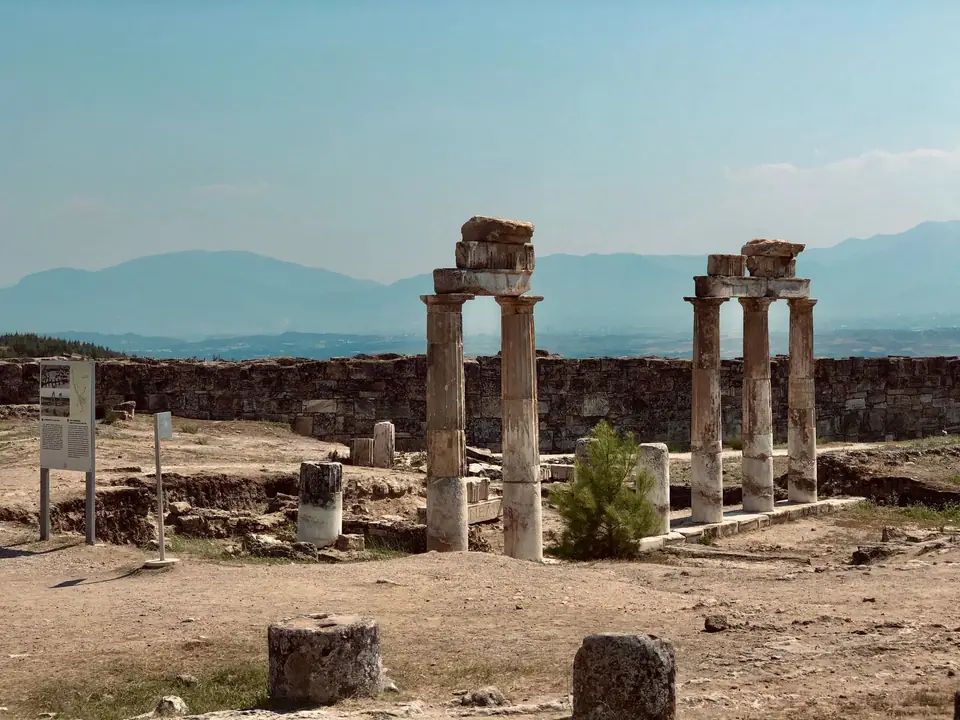
What to Wear in Izmir: Relaxed Coastal Style, Ancient Marble Shoes and Layers
Why non-slip shoes are essential for ancient marble streets and how to pack for Izmir's relaxed coastal vibe.
Izmir is famously one of the most relaxed, modern and informal cities in Turkey. Along the Kordon in Alsancak, on the ferries to Karşıyaka and in the stone alleys of Alaçatı, everyday summer dress is identical to Athens, Barcelona or Nice: linen shirts, sundresses, shorts, T-shirts and smart casual evening outfits for seaside fish taverns. Where visitors get caught out is not dress codes, but footwear on ancient marble and sun exposure.
Four Practical Packing Rules for Izmir and the Aegean
- Rubber-Soled Trainers or Walking Sandals with Real Tread (Critical for Ephesus & Pergamon): the 2,000-year-old marble flagstones of Curetes Street descending toward the Library of Celsus at Ephesus, the steep slopes of the Pergamon Acropolis, and the polished cobblestones of Şirince village have been worn as smooth as glass by millions of footsteps. Smooth-soled leather sandals, plastic flip-flops or heels slip dangerously on the downhill marble gradient; always wear cushioned trainers or strapped hiking sandals with gripping rubber soles on archaeological days.
- Sun Hat, Polarized Sunglasses and High-SPF Sunscreen (April to October): ancient cities like Ephesus, Pergamon and Teos have almost zero tree shade, and white marble reflects intense UV light upward from the ground. Carry a refillable water bottle and a wide-brimmed hat that stays on in the afternoon İmbat breeze.
- Loose 100% Linen and Cotton Layers: from May through September, breathable natural fabrics keep you far cooler in Kemeraltı Bazaar than synthetic sportswear, paired with a light cardigan or cotton overshirt for breezy evening ferry rides across the Gulf of Izmir and air-conditioned İZBAN trains.
- A Light Scarf for Historic Mosques: when stepping inside 16th- and 18th-century Ottoman mosques in Kemeraltı (such as Hisar Mosque or Yalı Mosque) or İsa Bey Mosque in Selçuk, slip off your shoes at the door, cover shoulders and knees, and women should drape a light scarf loosely over their hair (scarves are also provided free at the entrance).
If visiting between November and March, pack a waterproof hooded jacket, a warm wool jumper for 8°C evenings by the bay, and water-resistant walking shoes. Check seasonal weather before flying.
Weather by month
Izmir is warmest in July, with average highs around 34°C, and coldest in January, when nights drop to about 6°C. December is the wettest month by rainfall (124 mm), with rain on about 11 days. For mild weather with fewer rainy days, aim for May and October.
| Month | Low | Range | High | Rain | Rainy days |
|---|---|---|---|---|---|
| Jan | 6°C | 13°C | 118 mm | 10 d | |
| Feb | 6°C | 14°C | 96 mm | 9 d | |
| Mar | 8°C | 17°C | 72 mm | 8 d | |
| Apr | 11°C | 21°C | 46 mm | 6 d | |
| May | 16°C | 26°C | 28 mm | 4 d | |
| Jun | 20°C | 31°C | 11 mm | 2 d | |
| Jul | 23°C | 34°C | 3 mm | 1 d | |
| Aug | 23°C | 34°C | 4 mm | 1 d | |
| Sep | 19°C | 29°C | 18 mm | 2 d | |
| Oct | 15°C | 24°C | 44 mm | 5 d | |
| Nov | 10°C | 19°C | 86 mm | 8 d | |
| Dec | 7°C | 14°C | 124 mm | 11 d |
Averages of daily values from 2015 to 2024. Rainy days are days with at least 1 mm of rain. Source: Open-Meteo · Compare destinations by month.
Where it is
- 1Izmir
- Adnan Menderes International Airport (ADB) · about 15 km from Izmir in a straight line
- Directions in Google Maps
Stations and taxi ranks: OpenStreetMap. Airports: OurAirports. Distances are in a straight line.
Traveller tips
Real advice from people who have been to Izmir. Every tip is read by our team before it goes live.
No tips yet. Been here? Yours could be the first.
Thank you! Your tip will appear here after a quick review.
More in Izmir
Continue exploring Izmir with related neighbourhood, food, and planning guides
Çeşme and Alaçatı Guide: Stone Windmills, Ilıca Beach and Mastic
Izmir, Turkey

Urla Guide: The Urla Wine Route, Art Street and Ancient Klazomenai
Izmir, Turkey
Visiting Ephesus, the Terrace Houses and Selçuk on a Day Trip from Izmir
Izmir, Turkey
Day Trip from Izmir to Bergama (Ancient Pergamon): Acropolis and Asclepion
Izmir, Turkey
