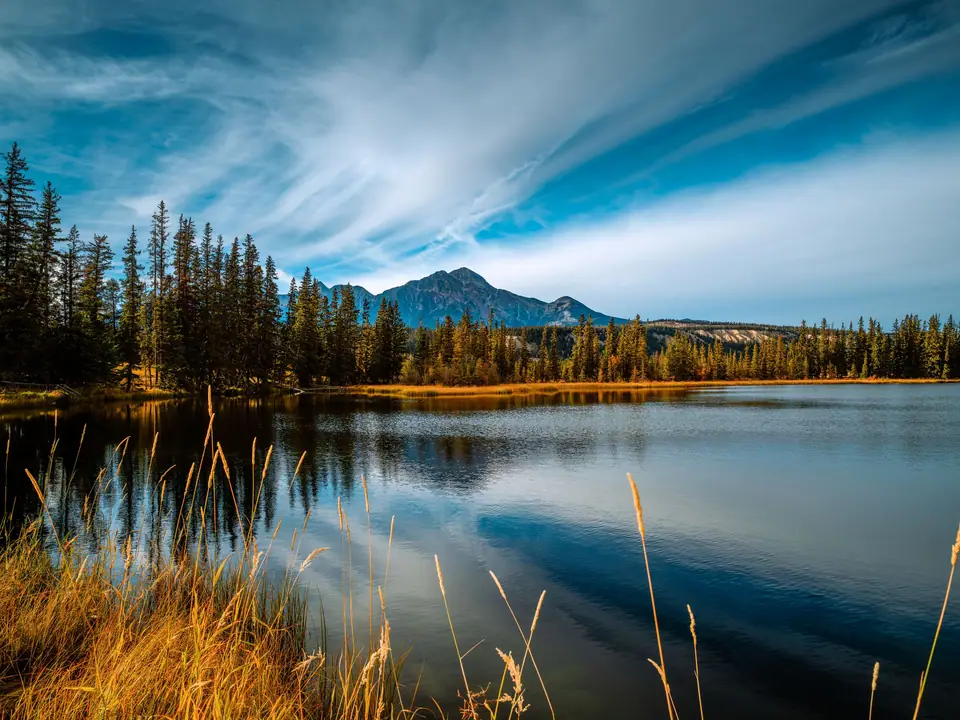
Best Time to Visit Jasper National Park: Season by Season Guide
Discover the best time to visit Jasper National Park in Alberta, Canada. Compare summer glacier lake cruises, autumn elk rutting, dark skies, and quiet winter skiing.
Sitting roughly 150 kilometres north of Banff at 52.8 degrees North latitude, Jasper National Park delivers an alpine climate shaped by dramatic limestone peaks. Many mountain summits rise above 3,000 metres, with Mount Columbia reaching 3,782 metres as the highest point in Alberta. The Athabasca River, designated as a Canadian Heritage River, and its tributaries drain more than four-fifths of the park. Travellers searching for the best time to visit Jasper Canada encounter distinct seasons. Summer brings 17-hour daylight windows, autumn features golden trembling aspens with bugling bull elk, and winter provides crisp snowscapes across frozen valleys. A small number of travellers searching for Jasper Beach Maine mistakenly land here, but this guide focuses strictly on the Canadian Rocky Mountain park in Alberta.
Summer Peak: Turquoise Lakes, Glacial Thaw, and High-Altitude Hikes (June to August)
Summer represents the primary sightseeing window for visitors exploring Jasper National Park in Alberta. Long subarctic daylight stretches past ten o'clock at night in June and July. This gives road trippers extensive daylight to explore the park network. By the opening week of June, winter ice clears from water bodies. Boat services launch across Maligne Lake toward Spirit Island, while facilities at Miette Hot Springs welcome bathers.
Surging meltwater feeds the Athabasca River network throughout June. Torrential volumes crash through Athabasca Falls and Sunwapta Falls, generating heavy mist across nearby viewing decks. High-elevation corridors, such as the winding road leading toward Mount Edith Cavell, generally clear of snow by late June or early July. This thaw unlocks alpine routes including Cavell Meadows, Bald Hills, and the steep climb up Sulphur Skyline.
July and August provide the warmest conditions of the year across the Athabasca Valley. Glacial silt washes into regional basins, turning water surfaces into brilliant shades of turquoise. Popular stops include Valley of the Five Lakes, Edith Lake, and Annette Lake. Warm afternoons encourage canoeing, wildlife viewing, and ridge walking. Advance vehicle bookings and reserved accommodation are mandatory during this popular holiday stretch.
Autumn Transition: Golden Foliage, Bull Elk Rutting, and Dark Sky Stargazing (September to October)
September ushers in a tranquil transition across Jasper National Park. Summer traffic thins out substantially after the first week of September, even though passenger boats on Maligne Lake and the thermal pools at Miette Hot Springs continue operating into early autumn. Across the pale grey limestone valleys beneath the Colin Range and Roche Miette, stands of trembling aspen shift from pale green to radiant yellow.
The annual elk mating rut dominates September and early October. Large bull elk weighing up to 350 kilograms gather harems of females on open valley flats. Their high-pitched bugling calls echo off canyon walls in the early dawn and twilight hours. Parks Canada wardens enforce strict safety perimeters around rutting areas, warning visitors to maintain safe viewing distances from aggressive males.
October brings rapidly dropping night temperatures, with historical climate records averaging a low of -1.2°C. Major seasonal attractions, including the Jasper SkyTram, Miette Hot Springs, and Maligne Lake boat cruises, routinely wrap up their operations immediately following Canadian Thanksgiving on the second Monday of October. October also marks the annual Jasper Dark Sky Festival. Clear, crisp night skies provide excellent conditions for astronomical observations and sightings of the Northern Lights across the protected wilderness preserve.
Winter Wilderness: Frozen Waterfalls, Nordic Trails, and Powder Snow (November to March)
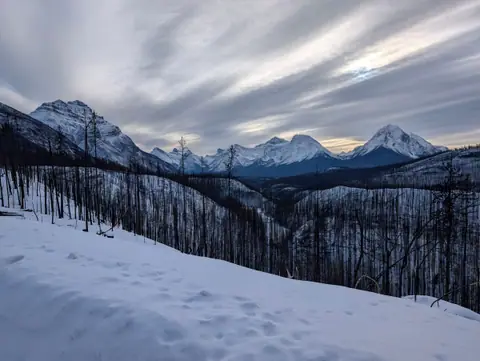
Winter settles firmly over the Canadian Rockies by November, bringing sub-zero temperatures and steady snowfall. Historical data records January temperatures averaging highs of -3.8°C and lows dropping down to -13.6°C. December experiences similar chill, with average lows of -13.9°C. Despite the bitter cold, winter offers serene crowd-free mountain sightseeing for properly equipped visitors.
Skiers and snowboarders head to Marmot Basin to carve dry powder runs without long queue times. Winter visitors skate across cleared ice tracks at Pyramid Lake and Lac Beauvert. Hikers wearing studded cleats explore the frozen limestone bed inside Maligne Canyon, walking beneath suspended columns of blue glacial ice. Preparing for winter conditions requires thermal wool underwear, heavy windproof outerwear, and reliable winter tyres on all private vehicles.
Spring Awakening: Low-Elevation Meltoff and Awakening Wildlife (April to May)
Spring arrives at an uneven pace across the northern Canadian Rockies. April sees valley temperatures climb to average highs of 10.6°C, but sub-zero night freezes persist. High alpine walking routes remain deeply blanketed under compacted snowpack until summer. Dogs face restrictions along designated backcountry corridors, including the Great Divide Trail between Four Point campground and Signal Mountain, to protect woodland caribou populations during vulnerable seasons.
May brings warmer conditions, reaching average daytime highs of 16.4°C. Low-elevation routes around Old Fort Point and lake loops near town melt out completely. Black bears and grizzlies emerge from winter dens to graze fresh roadside grasses and dandelions along valley corridors. Bighorn sheep and mountain goats frequently visit mineral licks beside the Yellowhead Highway.
Jasper Seasonal Comparison and Travel Conditions
| Season and Months | Average Temperature Range | Park Trail and Road Access | Signature Natural Events | Recommended Visitor Focus |
|---|---|---|---|---|
| Peak Summer (June to August) | Highs 20.1°C to 23.6°C Lows 6.6°C to 8.8°C | All high alpine roads and hiking trails open; boat cruises operational | Brilliant turquoise lakes, roaring waterfall melt, long daylight hours | High-altitude alpine hiking, canoeing, glacier exploration |
| Early Autumn (September to October) | Highs 9.9°C to 17.4°C Lows -1.2°C to 3.8°C | Seasonal roads and cruises close after mid-October; lower trails dry | Golden trembling aspens, bugling bull elk rut, dark sky aurora events | Wildlife photography, golden foliage walks, night stargazing |
| Deep Winter (November to March) | Highs -4.4°C to 4.4°C Lows -13.9°C to -6.9°C | Alpine passes snowbound; winter canyon walking and ski access open | Frozen icefalls in Maligne Canyon, lake ice skating, snow peaks | Downhill skiing at Marmot Basin, ice walking, quiet retreats |
| Low Spring (April to May) | Highs 10.6°C to 16.4°C Lows -2.1°C to 2.6°C | Valley trails clear; high mountain passes remain locked in snow | Bears emerging from dens, quiet highways, rising river volumes | Valley floor walking, roadside wildlife spotting, lower crowds |
Practical Timing Considerations for Planning Your Route
Choosing the best time to visit Jasper National Park depends heavily on your outdoor priorities. Wilderness hikers seeking snow-free alpine ridges should focus strictly on July, August, and early September. Photographers who want dramatic wildlife action and rich tree colour will find mid-September to early October exceptional. Winter sports enthusiasts should plan for January through March to secure dependable snow coverage. Whatever month you select, check regional road conditions and operating schedules on the official Parks Canada website before travelling into the mountain passes.
Weather by month
Jasper is warmest in July, with average highs around 24°C, and coldest in December, when nights drop to about -14°C. June is the wettest month by rainfall (64 mm), with rain on about 11 days.
| Month | Low | Range | High | Rain | Rainy days |
|---|---|---|---|---|---|
| Jan | -14°C | -4°C | 24 mm | 7 d | |
| Feb | -12°C | -1°C | 18 mm | 6 d | |
| Mar | -7°C | 4°C | 20 mm | 6 d | |
| Apr | -2°C | 11°C | 26 mm | 6 d | |
| May | 3°C | 16°C | 42 mm | 9 d | |
| Jun | 7°C | 20°C | 64 mm | 11 d | |
| Jul | 9°C | 24°C | 58 mm | 10 d | |
| Aug | 8°C | 23°C | 56 mm | 10 d | |
| Sep | 4°C | 17°C | 38 mm | 7 d | |
| Oct | -1°C | 10°C | 28 mm | 6 d | |
| Nov | -9°C | 1°C | 24 mm | 7 d | |
| Dec | -14°C | -4°C | 22 mm | 7 d |
Averages of daily values from 2015 to 2024. Rainy days are days with at least 1 mm of rain. Source: Open-Meteo · Compare destinations by month.
Where it is
- 1Jasper
- Edmonton International Airport (YEG) · about 304 km from Jasper in a straight line
- Directions in Google Maps
Stations and taxi ranks: OpenStreetMap. Airports: OurAirports. Distances are in a straight line.
Traveller tips
Real advice from people who have been to Jasper. Every tip is read by our team before it goes live.
No tips yet. Been here? Yours could be the first.
Thank you! Your tip will appear here after a quick review.
More in Jasper
Continue exploring Jasper with related neighbourhood, food, and planning guides
Getting Around Jasper: Municipal Buses, Maligne Shuttles, Free Parking & Park Passes
Jasper, Canada
Where to Stay in Jasper: Downtown Connaught Drive, Lakeside Cabins, and Hinton
Jasper, Canada
What to Wear in Jasper: Windproof Layers for Spirit Island, Bear Spray & Hot Springs Gear
Jasper, Canada
3 to 4 Days in Jasper: Maligne Lake (Spirit Island), Icefields Parkway, SkyTram & Miette Hot Springs
Jasper, Canada
