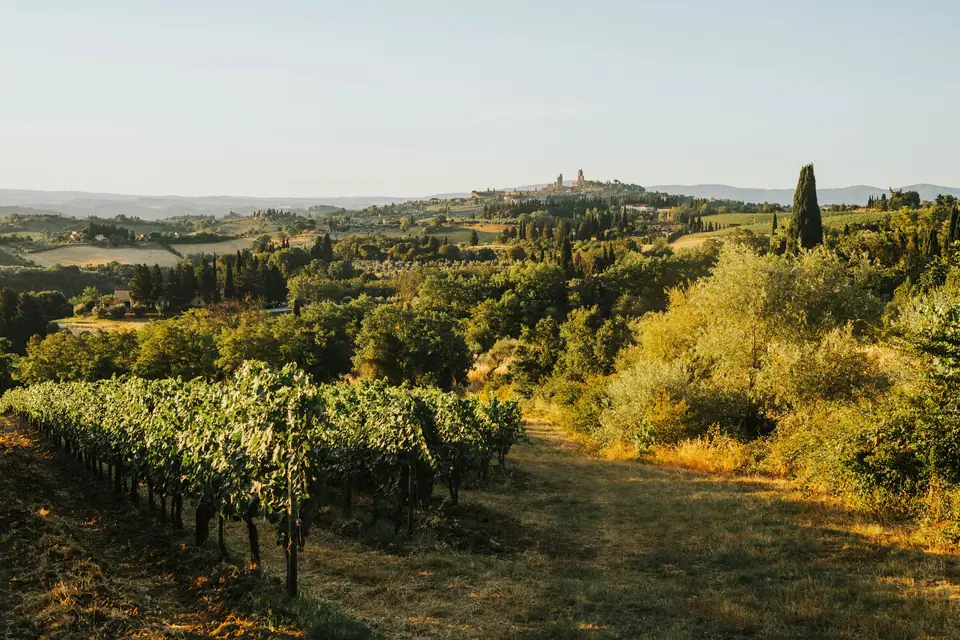
Best Time to Visit Mardin: Spring Green Plains, Golden Autumns and Festivals
Why April-to-May and October-to-November offer the clearest horizons and most comfortable walking weather in Mardin.
Perched on a south-facing limestone cliff at 1,080 metres above sea level looking straight into the Syrian desert plain, Mardin experiences a continental-Mediterranean climate with intensely sunny summers, crisp winters and two atmospheric shoulder seasons. The absolute best times to visit are April to late May and late September to mid-November.
Spring: When Mesopotamia Turns Emerald Green (April and May) is a revelation for first-timers who expect Mardin to be dusty yellow all year round. Throughout April and early May, winter rains turn the entire 200-kilometre sweep of the Mesopotamian wheat plain below the city into a lively emerald-green sea dotted with red wild poppies. Daytime temperatures sit at a perfect 18°C to 25°C for climbing the stone staircases of Zinciriye Madrasa and walking the open-air ruins of Ancient Dara. In May, every even-numbered year, the city hosts the international Mardin Biennial (Mardin Bienali), installing contemporary art inside historic stone mansions and caravanserais, while spring winds bring colourful kites to the rooftops during the International Kite Festival.
Autumn: Golden Light, Grape Harvest & Almonds (Late September, October and November) rivals spring as the finest window of the year. Daytime highs hover between 20°C and 28°C under crystal-clear skies, the low-angle autumn sun turns the honey-coloured limestone of Old Mardin a deep amber gold every afternoon in the afternoon, and Syriac winemakers press the autumn vintage of Boğazkere and Mazrona grapes.
Summer (June, July and August) is very hot and dry (afternoon temperatures reach 35°C to 39°C, as hot desert winds blow north off the plain), though the 1,080-metre altitude and half-metre-thick limestone mansion walls keep interiors and breezy evening rooftops surprisingly pleasant. If visiting in summer, tour Dara and Deyrulzafaran during core daytime hours, rest in cool vaulted stone courtyards or at the rushing spring waters of Beyazsu at midday, and come back out on the terraces from in the early evening until midnight.
Winter (December to March) is cold (2°C to 9°C) and peaceful, with occasional dramatic dustings of white snow across the honey-stone domes in January and zero crowds at the monasteries. Check what to wear in Mardin before packing.
Weather by month
Mardin is warmest in July, with average highs around 36°C, and coldest in January, when nights drop to about 1°C. January is the wettest month by rainfall (108 mm), with rain on about 10 days. For mild weather with fewer rainy days, aim for May and October.
| Month | Low | Range | High | Rain | Rainy days |
|---|---|---|---|---|---|
| Jan | 1°C | 7°C | 108 mm | 10 d | |
| Feb | 2°C | 9°C | 94 mm | 9 d | |
| Mar | 5°C | 13°C | 84 mm | 8 d | |
| Apr | 10°C | 19°C | 64 mm | 7 d | |
| May | 15°C | 25°C | 38 mm | 5 d | |
| Jun | 20°C | 32°C | 6 mm | 1 d | |
| Jul | 24°C | 36°C | 1 mm | 0 d | |
| Aug | 24°C | 36°C | 1 mm | 0 d | |
| Sep | 20°C | 31°C | 4 mm | 1 d | |
| Oct | 14°C | 23°C | 34 mm | 4 d | |
| Nov | 7°C | 15°C | 68 mm | 7 d | |
| Dec | 2°C | 9°C | 106 mm | 10 d |
Averages of daily values from 2015 to 2024. Rainy days are days with at least 1 mm of rain. Source: Open-Meteo · Compare destinations by month.
Where it is
- 1Mardin
- Mardin Airport (MQM) · about 14 km from Mardin in a straight line
- Directions in Google Maps
Stations and taxi ranks: OpenStreetMap. Airports: OurAirports. Distances are in a straight line.
Traveller tips
Real advice from people who have been to Mardin. Every tip is read by our team before it goes live.
No tips yet. Been here? Yours could be the first.
Thank you! Your tip will appear here after a quick review.
More in Mardin
Continue exploring Mardin with related neighbourhood, food, and planning guides
Where to Stay in Mardin: Sleeping in a 600-Year-Old Stone Konak vs New Town
Mardin, Turkey

What to Wear in Mardin: Grippy Shoes for Polished Stone Steps and Monastery Dress
Mardin, Turkey

3 Days in Mardin: Old Town, Kasımıye, Deyrulzafaran, Dara and Midyat
Mardin, Turkey
Continuing North from Midyat: Hasankeyf on the Tigris River and Mor Yakup
Mardin, Turkey
