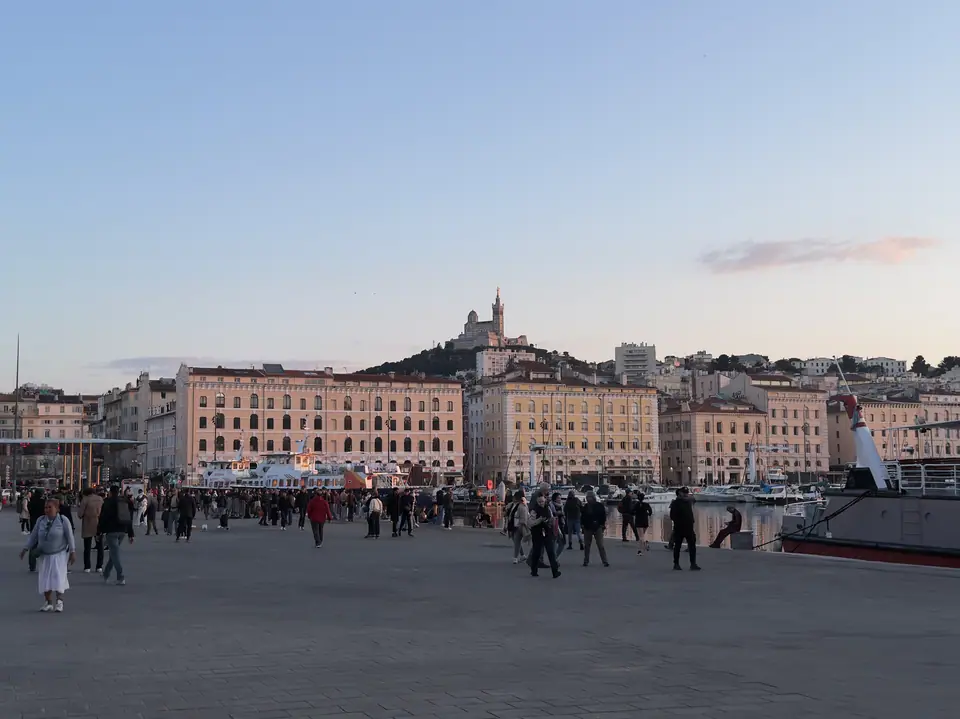
Photo: Mike is Michi · CC BY-SA 4.0
Marseille
France's oldest port city curves around the historic Vieux-Port, pairing Rudy Ricciotti's lattice Mucem with hilltop basilica views, sea-island forts, and limestone fjord trails.
Quick decisions
How many days?
Three full days let you see the Old Port and Mucem, ride up to Notre-Dame de la Garde, take the ferry to Château d'If, and hike a Calanques trail.
Where should we stay?
Choose 13001 around the Vieux-Port for flat walking access to metro lines, La Joliette in 13002 for tram links, or Endoume in 13007 for quieter coastal coves.
Do we need a car?
No. Driving is hindered by narrow one-way streets, steep limestone hills, and low-emission ZFE-m rules. RTM metro, tram, and bus lines reach all sights efficiently.
Best for
Travellers seeking maritime heritage, rocky coastal fjord hikes, North African market flavours, authentic bouillabaisse, and high-speed rail connections across southern France.
Before you go
Check the prefecture fire-risk map before entering national park trails between June and September. Book island boats early during strong offshore Mistral wind warnings.
Getting around
Ride metro lines M1 and M2, three tram lines, and city buses using contactless card taps on validators. Take bus 60 to the basilica and bus B1 to Luminy.
Continue your trip
Board high-speed TGV trains from Gare de Marseille-Saint-Charles north to Lyon and Paris, east toward Cannes and Nice, or regional rail west into Occitanie.
Overview
Marseille forms an amphitheatre of white limestone hills facing the Gulf of Lion. Founded as Massalia around 600 BC, it is the oldest city in France and covers 240.62 square kilometres across sixteen municipal arrondissements. The natural harbour of the Vieux-Port anchors daily life, flanked by the historic Le Panier quarter to the north and the high limestone outcrop of Notre-Dame de la Garde to the south.
Open-Meteo climate records show July as the driest month with six millimetres of rain and daily highs averaging 28°C. Autumn brings wetter weather, with October recording 88 millimetres over nine wet days. Winter remains mild, averaging 11°C to 13°C. Plan visits with our Marseille seasonal guide.
Getting there
Marseille Provence Airport (MRS) sits roughly 25 kilometres northwest of the centre. Express coach Line A1 links airport terminals directly to Gare de Marseille-Saint-Charles via the motorway. Train travellers can also take a brief shuttle bus to Vitrolles Aéroport station for regional TER services.
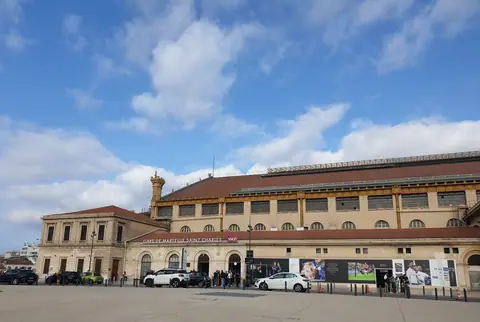
Gare de Marseille-Saint-Charles handles mainline traffic. High-speed TGV Inoui and Ouigo trains reach Paris Gare de Lyon in just over three hours. A monumental 104-step staircase leads down toward the port, while interior lifts connect to metro lines M1 and M2. Central driving is restricted by low-emission Crit'Air rules. Park in perimeter facilities near metro terminuses. Review details in our Marseille transit guide.
Where to stay
Choosing an arrondissement defines your daily walking gradients and luggage logistics. The central 13001 district covers the flat eastern edge of the Vieux-Port and Noailles, giving rapid pedestrian access to metro stations and airport coaches. Le Panier in 13002 offers historic character, though its steep stepped alleys exclude vehicles and require carrying bags uphill.
La Joliette in 13002 provides modern hotels with step-free tram stops. Cours Julien in 13006 suits visitors seeking evening dining around pedestrian squares. Coastal Endoume in 13007 features small sea-cliff inlets, linked to the centre by bus 83. Compare districts using our curated Marseille accommodation guide.
Things to do
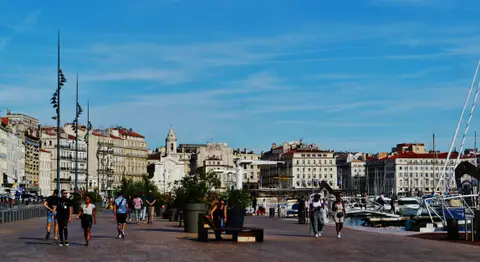
Start along the Quai de la Fraternité under Norman Foster's mirrored Ombrière canopy. Stroll west past post-war stone facades to the Old Port and the Mucem, where Rudy Ricciotti's concrete lattice museum links to historic Fort Saint-Jean via elevated footbridges. Across the basin, bus 60 ascends to the basilica of Notre-Dame de la Garde at 162 metres elevation.
Shuttle ferries from the harbour sail west to the limestone island dungeon of Château d'If. South of the city, bus B1 from Castellane reaches Luminy, the main walking gateway into Calanques National Park. Summer hikers must secure online permits for Sugiton.
Food and drink
Local dining celebrates Mediterranean seafood, olive oil, and regional spices. Authentic bouillabaisse follows a formal local charter. Chefs present whole rockfish including scorpionfish and conger eel before serving the meal in two courses: a rich saffron broth over garlic croûtons with rouille emulsion, followed by carved fish with potatoes.
Street stalls around L'Estaque fry chickpea-flour panisse and sugar-dusted chichi frégi. The Marché des Capucins in Noailles sells fresh mint, flatbreads, and North African spices just steps from the port. Bakery counters bake orange-blossom navette biscuits shaped like ancient sailing boats. Explore markets, dishes, and waterfront tables through our Marseille dining guide.
Culture
Marseille operates on relaxed Mediterranean rhythms punctuated by intense maritime traditions. Greet shopkeepers with a clear bonjour before ordering or asking for assistance. Modest dress covering shoulders and knees is expected inside churches, particularly at Notre-Dame de la Garde and Abbaye Saint-Victor.
Many neighbourhood bakeries, museums, and family restaurants close on Mondays or Tuesdays. Strong northern Mistral winds regularly drop winter temperatures and force island ferry cancellations. Summer brings mandatory wildfire prevention decrees across southern limestone massifs. Always check municipal fire alerts on the official prefecture portal before hiking beyond suburban bus lines.
Weather by month
Marseille is warmest in July, with average highs around 28°C, and coldest in January, when nights drop to about 5°C. October is the wettest month by rainfall (88 mm), with rain on about 9 days. For mild weather with fewer rainy days, aim for June and September.
| Month | Low | Range | High | Rain | Rainy days |
|---|---|---|---|---|---|
| Jan | 5°C | 11°C | 40 mm | 6 d | |
| Feb | 6°C | 13°C | 48 mm | 7 d | |
| Mar | 8°C | 15°C | 47 mm | 6 d | |
| Apr | 10°C | 17°C | 54 mm | 7 d | |
| May | 13°C | 21°C | 47 mm | 7 d | |
| Jun | 18°C | 25°C | 25 mm | 5 d | |
| Jul | 21°C | 28°C | 6 mm | 1 d | |
| Aug | 20°C | 28°C | 25 mm | 3 d | |
| Sep | 17°C | 24°C | 55 mm | 5 d | |
| Oct | 14°C | 20°C | 88 mm | 9 d | |
| Nov | 10°C | 16°C | 82 mm | 9 d | |
| Dec | 7°C | 13°C | 50 mm | 7 d |
Averages of daily values from 2015 to 2024. Rainy days are days with at least 1 mm of rain. Source: Open-Meteo · Compare destinations by month.
Marseille on the map
Every place we cover in Marseille. Tap a category or pin to explore.
In-depth Marseille guides
Browse the guides grouped by topic: sights, neighbourhoods, food, transport, day trips and trip planning.
Sights, Landmarks & Parks
Key monuments, viewpoints, museums and nature trails.
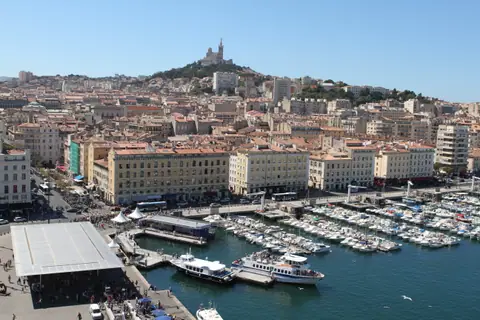 Ombrière to En-Vau: Three Days Across MarseilleSequence Vieux-Port, Mucem, Le Panier, regilded Notre-Dame de la Garde, Château d'If, Palais Longchamp, and Calanques hikes without hitting Tuesday museum closures.
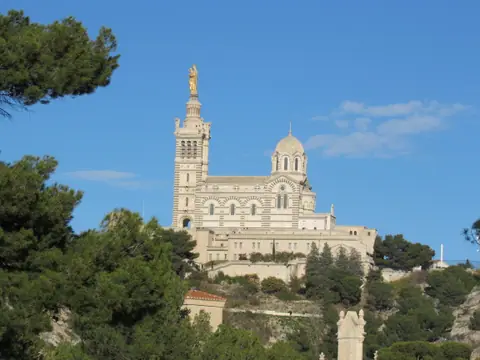 La Bonne Mère: Notre-Dame de la Garde Above MarseilleClimb or take Bus 60 to 162-metre Notre-Dame de la Garde, gleaming again with gold leaf regilded in 2025 above 2,500 sailors' ex-votos and 1944 battle scars.
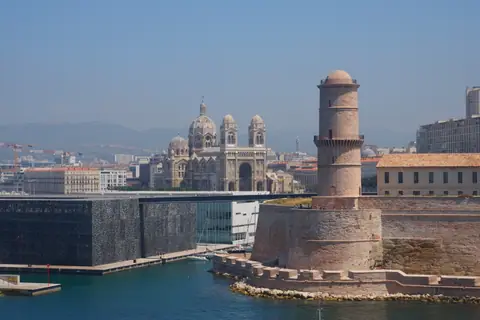 From Quai des Belges to Mucem, Fort Saint-Jean and CosquerFollow Vieux-Port from Norman Foster's mirrored Ombrière and solar ferries across Mucem's free rooftop ramps, 1660 Citadelle gardens, and Cosquer Méditerranée.
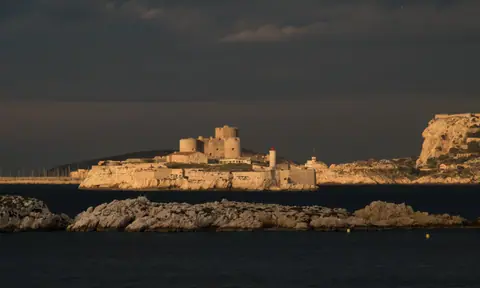 Château d'If and Frioul: Boats, Dungeons and Mistral WindsSail from Quai de la Fraternité to Francis I's 1524 Château d'If and Frioul islands while checking separate ferry ticketing, Edmond Dantès myths, and Mistral sea bans.
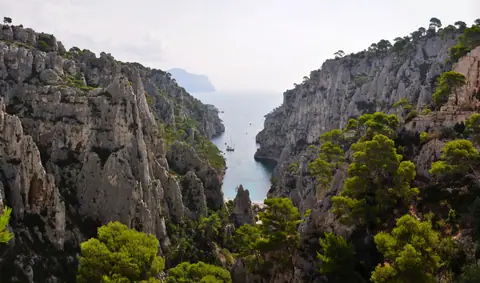 Calanques National Park: Wildfire Rules, Sugiton and BusesReach Sugiton, Morgiou, Sormiou, and En-Vau without a car on RTM buses while mastering 1 June to 30 September wildfire bans and Sugiton's 400-visitor daily QR permit.
Neighbourhoods & Where to Stay
Districts, historic quarters and the best bases for your stay.
Food & Drink
Local dishes, markets, cafés and dining districts.

Getting Around & Arrival
Airport transfers, public transit, passes and driving rules.
Trip Planning & Itineraries
When to visit, what to pack and day-by-day routes.
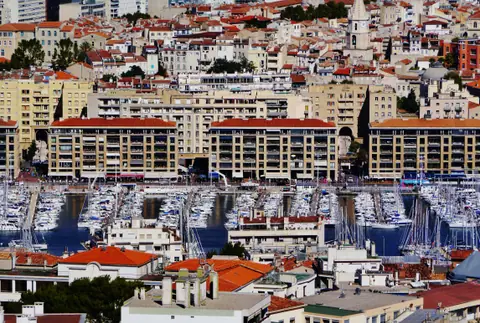 Marseille on the Mediterranean: Massalia, Old Port and Limestone HillsFrance's oldest city blends Phocaean roots, Fernand Pouillon's rebuilt quays, deepwater trade, and seaside hills from Le Panier to Le Corbusier.
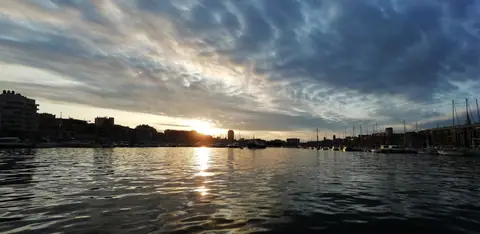 Mistral Winds, Wildfire Maps and Marseille SeasonsTime your Marseille visit using 2015 to 2024 Open-Meteo temperatures, winter Mistral gusts, October Mediterranean rainstorms, and summer Calanques wildfire rules.
Need your embassy or consulate in France? See embassies and consulates in France.
Reviews
Log in to write a review.
No reviews yet.