New Orleans 3-Day Itinerary: The Definitive First-Timer Plan
A complete three-day New Orleans itinerary covering the French Quarter, the Garden District, live jazz clubs, museum visits, and practical river transit tips.
New Orleans rewards visitors who keep their mornings unhurried, take long lunches, and save stamina for late evening music sets. Grouping activities by neighbourhood prevents wasted transit time across town. This three-day route balances historic architecture, museum collections, traditional dining, and waterfront views along the Mississippi River.
Day 1: French Quarter Architecture, Creole Heritage, and Frenchmen Street
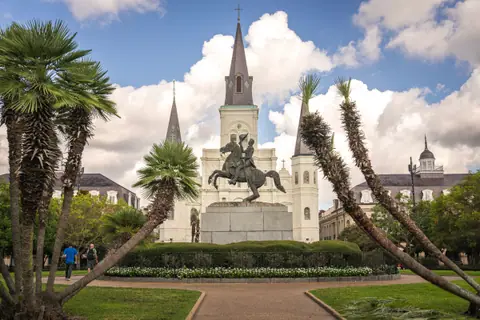
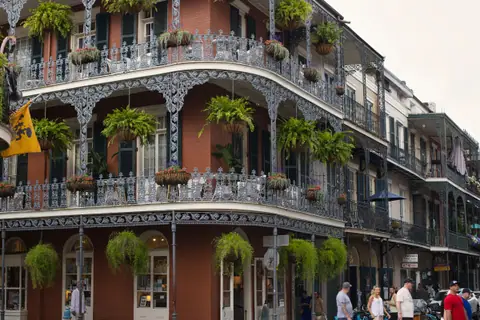
Begin the morning at Café du Monde by Jackson Square for hot beignets and chicory coffee before foot traffic thickens. Walk through Jackson Square to observe the St. Louis Cathedral and the surrounding Spanish colonial civic buildings. Continue along the river levee, where commercial barges navigate the bends of the Mississippi River near mile marker 96. To explore historic courtyards and ironwork balconies without getting disoriented, follow our French Quarter walking guide through the residential lower Quarter.
For lunch, choose a traditional counter for an overstuffed po'boy or a cold muffuletta layered with marinated olive salad. Spend the early afternoon at The Historic New Orleans Collection on Royal Street. This museum complex preserves regional history, documenting the deep cultural legacy of Louisiana Creoles. Descended from colonial-era inhabitants under French and Spanish governance, Louisiana Creoles established distinctive traditions, Roman Catholic religious life, architectural patterns, and historic languages that still define the district.
In the late afternoon, head towards Preservation Hall to queue for an early traditional jazz performance. For dinner, reserve a table at an established Creole restaurant serving dark roux gumbo or crawfish etouffee. Detailed regional culinary advice is available in our New Orleans food guide. Conclude the night just outside the Quarter on Frenchmen Street in the Marigny, where storefront music venues host rotating brass bands and swing ensembles until late.
Day 2: The Garden District, Magazine Street, and the National WWII Museum
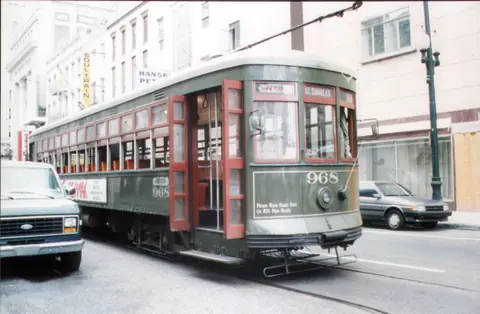
Board the green St. Charles Avenue streetcar downtown and ride beneath the live oak canopy into the Garden District. This neighbourhood developed in the nineteenth century as an affluent residential enclave, lined with Greek Revival and Italianate mansions. Walk along Coliseum Street and Prytania Street to study the double-galleried villas, cast-iron fences, and raised foundations designed to handle heavy southern downpours.
Wander south several blocks to Magazine Street for a relaxed midday meal at an independent cafe or po'boy counter. Magazine Street runs for six miles parallel to the river and features local bookshops, antique retailers, and bakeries. After lunch, take a rideshare or streetcar back downriver toward the Warehouse District to visit the National WWII Museum. This vast multi-pavilion complex requires at least three hours to review exhibits covering global campaigns, amphibious Higgins boats, industrial production, and oral histories.
Stay in the Warehouse District for dinner at an energetic contemporary bistro, or take transit Uptown toward historic music venues like Tipitina's or the Maple Leaf Bar. These rooms showcase indigenous funk, rhythm and blues, and brass bands. Review our New Orleans music guide before departing to check performance calendars and neighbourhood customs.
Day 3: City Park Greenery or River Crossings to Algiers Point
Reserve the third day for regional landscapes or alternative neighbourhoods beyond the downtown core. Travellers interested in coastal ecology can join a guided morning excursion into the honeycombed bayous and cypress swamps surrounding the city. These wetlands provide natural flood buffers and shelter native American alligators, wading herons, and nutria.
Visitors who prefer staying in town can board the Canal Street streetcar line heading toward City Park. This vast urban greenspace contains the New Orleans Museum of Art, shaded botanical gardens, and the world's largest grove of mature live oak trees draped with Spanish moss. Walk the tranquil paved footpaths around the park lagoons before returning downtown for lunch.
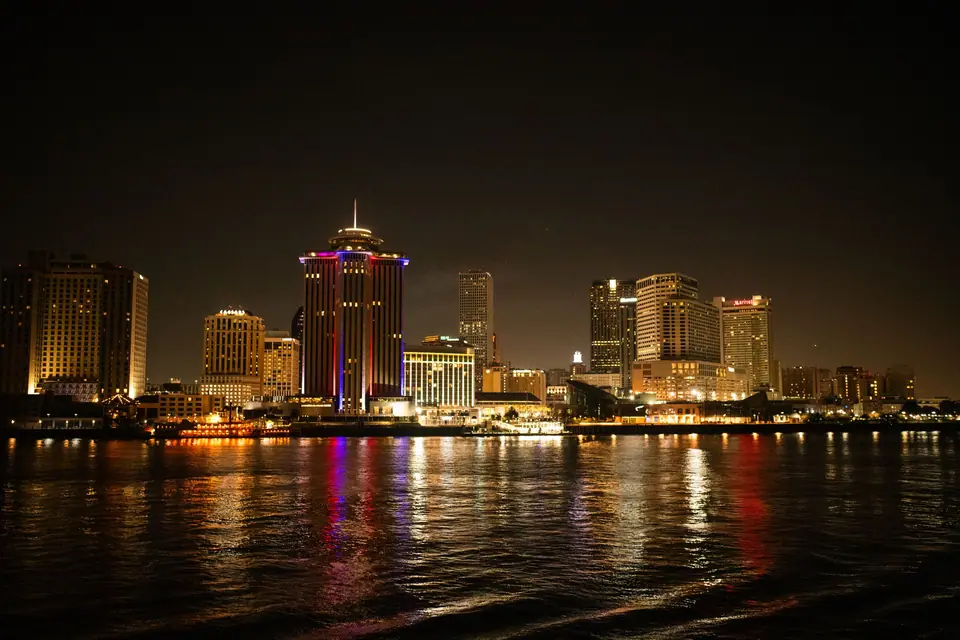
As afternoon transitions into golden hour, walk down to the Canal Street ferry landing and cross the Mississippi River to Algiers Point. This peaceful residential community preserves Victorian gingerbread cottages and shaded streets. Standing along the Algiers levee offers uninterrupted views of the downtown skyline across the water. If your visit falls on a Sunday afternoon, check neighbourhood social aid and pleasure club schedules to locate a second line parade featuring dancing brass bands and community revelry. Conclude your evening at an historic tavern with a classic Sazerac cocktail.
Three-Day Itinerary Schedule at a Glance
| Day | Morning Focus | Afternoon Focus | Evening Focus |
|---|---|---|---|
| Day 1 | Café du Monde and Jackson Square | The Historic New Orleans Collection | Preservation Hall and Frenchmen Street |
| Day 2 | St. Charles streetcar and Garden District | The National WWII Museum | Warehouse District dining and Uptown music |
| Day 3 | City Park oaks or regional bayou excursion | New Orleans Museum of Art or Magazine Street | Algiers Point ferry ride and Sazerac cocktail |
Seasonal Weather and Itinerary Planning Considerations
New Orleans experiences a humid subtropical climate that influences daytime pacing and footwear selection throughout the year. Winter visits remain mild, with January experiencing average daytime highs of 16.3°C and lows of 8.8°C across 11.6 wet days. February warms moderately to an average high of 19.1°C and low of 11.4°C, making late winter popular for outdoor exploration.
Spring brings optimal walking conditions. March records average highs of 22.1°C and lows of 14.8°C, while April reaches 24.7°C during the day and 17.3°C at night. May climbs to an average high of 28.4°C and low of 21.4°C with 13.7 wet days, marking the transition toward summer humidity. By June, daytime temperatures average 30.4°C with 199 millimetres of rainfall across 18.1 wet days. July reaches an average high of 31°C and low of 25.4°C with 204 millimetres of rain over 21.3 wet days. Pack lightweight, breathable fabrics and rain protection for summer visits, scheduling major walking routes during early mornings or late evenings.
Logistics, Transit, and Streetcar Advice
Arriving travellers touch down at Louis Armstrong New Orleans International Airport, designated by the airport code MSY, located west of the city centre. Dedicated airport buses, licensed taxis, and app-based rideshare fleets link the terminal directly with downtown hotels. Once positioned within the French Quarter or Central Business District, most key destinations remain accessible on foot or via historic streetcar routes.
Streetcar routes operate on St. Charles Avenue, Canal Street, and the riverfront. Carry exact change for single journeys or purchase regional transit passes digitally through official local transit apps. Avoid renting a car for a standard three-day itinerary, as central parking options are scarce and expensive. Pavements throughout the French Quarter and Garden District are frequently buckled by historic tree roots, so durable, supportive walking shoes are essential equipment for navigating these historic streetscapes safely.
Where it is
- 1New Orleans
- Louis Armstrong New Orleans International Airport (MSY) · about 19 km from New Orleans in a straight line
- Directions in Google Maps
Stations and taxi ranks: OpenStreetMap. Airports: OurAirports. Distances are in a straight line.
Traveller tips
Real advice from people who have been to New Orleans. Every tip is read by our team before it goes live.
No tips yet. Been here? Yours could be the first.
Thank you! Your tip will appear here after a quick review.
More in New Orleans
Continue exploring New Orleans with related neighbourhood, food, and planning guides