What to Wear in Oslo: Fjord Swim Gear, Marble Roof Grips and Winter Wool
Why every Oslo suitcase needs swimwear (even in January), grippy walking shoes and merino wool layers.
Oslo follows the classic Norwegian outdoor philosophy of friluftsliv (open-air living): clothing is practical, high-quality and understated rather than formal. Whether you are visiting in July or February, three items belong in every bag before you zip your suitcase.
Three year-round Oslo essentials
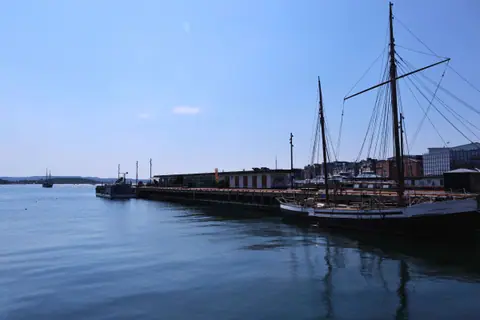
- Swimwear and flip-flops (even in the middle of winter): if you visit between May and September you will use them at Tjuvholmen Sjøbad, Sørenga or Hovedøya island; if you visit between October and April you will need them inside Oslo's floating harbour saunas facing the Opera House, where swimsuits are strictly required.
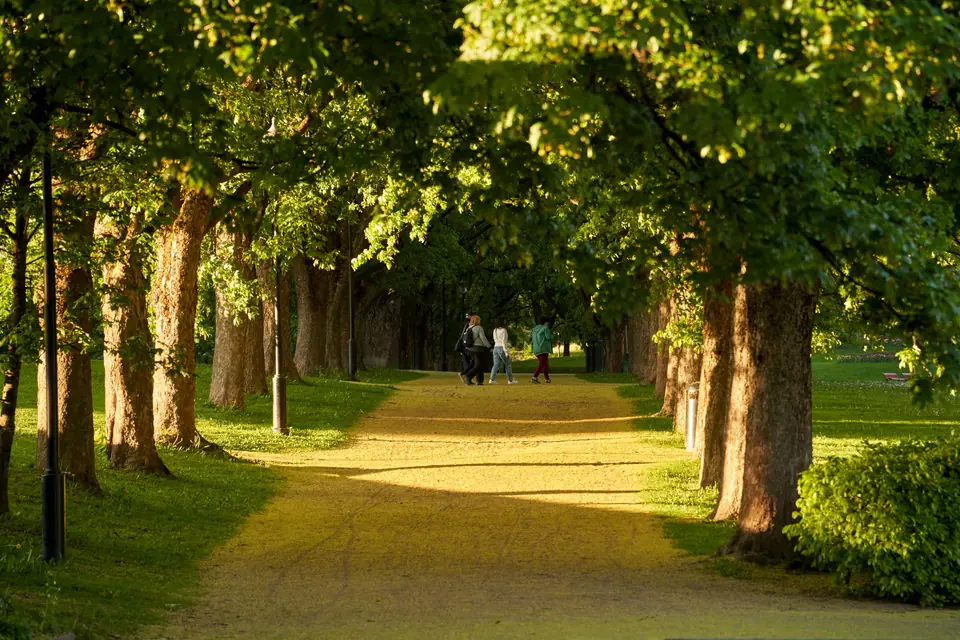
- Rubber-soled walking shoes with real tread: walking up the angled white Carrara marble roof of the Oslo Opera House, climbing the cobbles of Akershus Fortress and following the gravel trails of Ekebergparken all demand flat trainers or trail shoes with solid grip (avoid smooth leather dress soles).
- A windbreaker and sunglasses: low-angle northern sunlight reflecting off the fjord water and white marble is bright year-round, and the breeze on the upper deck of the island ferries is always fresh.
Season-by-season packing guide
- Summer (June to August): light cotton and linen shirts, T-shirts, shorts or summer dresses for 22°C afternoons, plus a merino wool jumper or light jacket for 13°C evenings along the harbour and an eye-mask if early before dawn sunrises wake you up.
- Spring and Autumn (April to May, September to October): waterproof walking shoes, a hooded rain/wind shell, a warm fleece or light packable down jacket (especially if taking the metro up 470 metres to Frognerseteren, where temperatures are always 4°C cooler than at sea level).
- Winter (November to March): follow the Norwegian rule of 100% merino wool base layers (ullundertøy) next to the skin (never cotton, which holds moisture and chills you), a thick wool jumper or fleece mid-layer, a windproof insulated winter parka, thermal gloves, a wool hat and slip-on rubber ice spikes (brodder, sold in every Oslo pharmacy and sports shop) for icy pavements. Check seasonal weather before packing.
Weather by month
Oslo is warmest in July, with average highs around 23°C, and coldest in January, when nights drop to about -5°C. August is the wettest month by rainfall (89 mm), with rain on about 11 days. For mild weather with fewer rainy days, aim for May and June.
| Month | Low | Range | High | Rain | Rainy days |
|---|---|---|---|---|---|
| Jan | -5°C | 0°C | 58 mm | 10 d | |
| Feb | -5°C | 1°C | 46 mm | 9 d | |
| Mar | -2°C | 5°C | 44 mm | 8 d | |
| Apr | 2°C | 12°C | 46 mm | 8 d | |
| May | 8°C | 17°C | 59 mm | 9 d | |
| Jun | 12°C | 22°C | 74 mm | 10 d | |
| Jul | 14°C | 23°C | 82 mm | 11 d | |
| Aug | 13°C | 22°C | 89 mm | 11 d | |
| Sep | 9°C | 17°C | 76 mm | 10 d | |
| Oct | 4°C | 10°C | 81 mm | 11 d | |
| Nov | 0°C | 4°C | 74 mm | 11 d | |
| Dec | -4°C | 0°C | 62 mm | 11 d |
Averages of daily values from 2015 to 2024. Rainy days are days with at least 1 mm of rain. Source: Open-Meteo · Compare destinations by month.
Where it is
- 1Oslo
- Oslo-Gardermoen International Airport (OSL) · about 37 km from Oslo in a straight line
- Directions in Google Maps
Stations and taxi ranks: OpenStreetMap. Airports: OurAirports. Distances are in a straight line.
Traveller tips
Real advice from people who have been to Oslo. Every tip is read by our team before it goes live.
No tips yet. Been here? Yours could be the first.
Thank you! Your tip will appear here after a quick review.
More in Oslo
Continue exploring Oslo with related neighbourhood, food, and planning guides