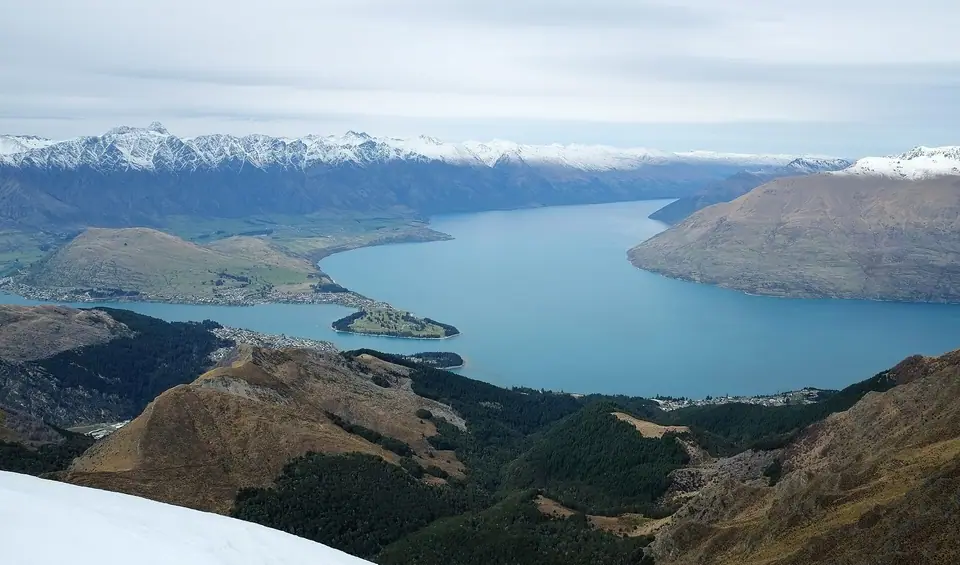
What to Wear in Queenstown: Alpine Layers, Fiordland Rain Shells and Sandfly Defence
Adaptable alpine layers and waterproof outer shells maintain comfort across the variable mountain climates of Lake Wakatipu.
Preparing a wardrobe for Queenstown requires a practical focus on swift mountain changes rather than heavy single garments. Morning sunshine across the lake often yields to brisk sub-alpine gusts by midday, meaning we rely upon a disciplined three-layer foundation. A breathable merino wool or synthetic base layer draws moisture away from the skin during steep climbs. Over this, a mid-weight fleece or packable down jacket traps warmth without adding unnecessary bulk to a daypack. Topped with a seam-sealed windproof shell, this combination keeps us comfortable on exposed paths across the region.
We steer clear of heavy cotton sweatshirts and denim trousers during active excursions. Cotton absorbs perspiration and mountain mist, drying far too slowly in chilly alpine air. Light trekking trousers made from ripstop nylon shed drizzle and dry within minutes after passing showers. When planning outdoor routes through lakeside tracks and alpine excursions, choose flexible garments that pack down small into your day bag.
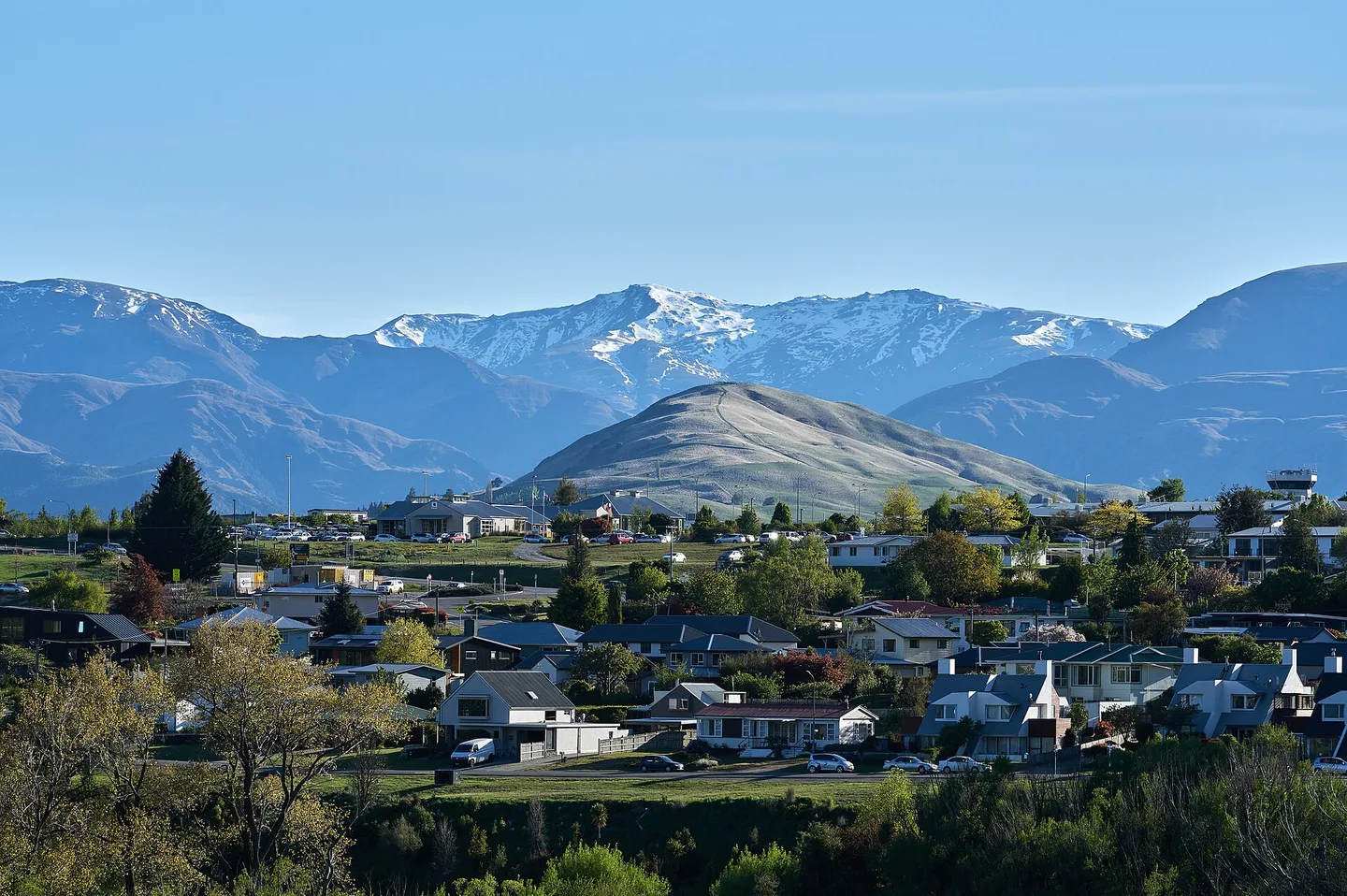
Lake Breezes and High Country Weather Shifts
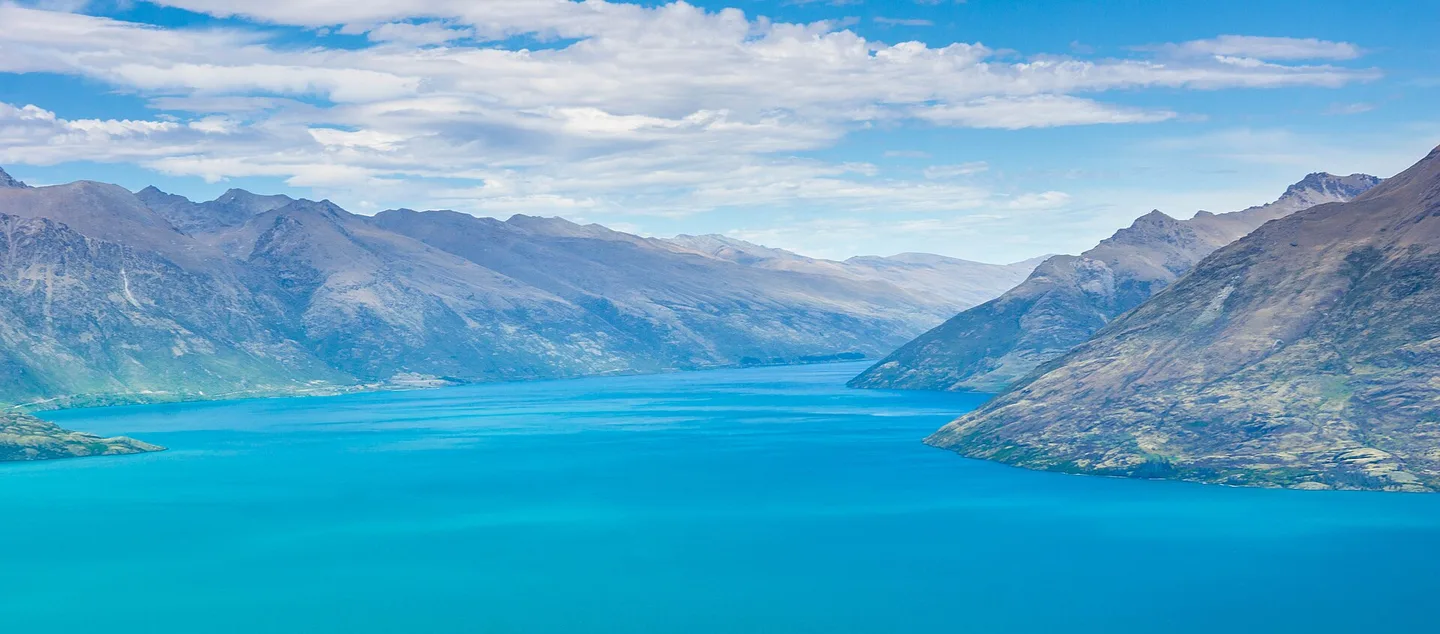
Open waters create microclimates that feel considerably colder than sheltered streets near the town centre. Stepping onto open-air boat decks across Lake Wakatipu introduces biting alpine winds straight off snowy ridgelines. Even during mild summer afternoons, thermal mid-layers and neck gaiters prevent sudden chills when standing outside near the water. We consistently carry a woollen beanie and compact windproof gloves inside our bags regardless of sunny morning skies.
Higher ground above the town basin brings immediate drops in temperature and stronger gusts. Ascending walking routes or scenic lookouts exposes walkers to sudden cloud cover that rolls rapidly across the peaks. Sturdy trail shoes or supportive boots with deep rubber treads prevent slipping on damp schist rock and loose gravel tracks. Reviewing the seasonal lake weather overview helps us select the correct density of thermal knits before setting out.
Essential Layering Breakdown
| Layer Category | Recommended Fabric | Primary Function | Packing Priority |
|---|---|---|---|
| Base Layer | Merino wool or light synthetic knit | Moisture management and skin warmth | Essential year-round |
| Insulating Mid-Layer | High-loft fleece or compact down | Traps core body heat in high wind | Essential year-round |
| Protective Outer Shell | Seam-sealed breathable laminate | Blocks wind, rain, and cold spray | Non-negotiable daily |
| Lower Body Cover | Quick-drying nylon stretch canvas | Guards against wet tussock and insects | Essential for all trails |
Relying on this structured system lets us adapt swiftly without returning to our lodging to change clothes. Light accessories complete the setup and shield sensitive skin from intense southern hemisphere sun. We carry polarised sunglasses, broad-brimmed hats, and protective lip balm during every outdoor excursion across the Otago lakes.
Fiordland Storm Shells and Sandfly Defence
Day excursions heading west towards Fiordland cross into temperate rainforest valleys that experience frequent downpours. Flimsy water-resistant jackets quickly saturate under heavy southern rain, soaking underlying jumpers. We choose fully waterproof jackets fitted with adjustable hoods and stiffened peaks that keep rain off the face. High waterproof ratings and taped interior seams keep us completely dry along sodden valley trails.
Dense damp valleys also harbour black sandflies whose irritating bites can ruin peaceful riverside walks. These tiny insects target exposed ankles, wrists, and necklines whenever walkers pause near still water or native beech forests. We prevent bites by wearing pale, tightly woven long trousers tucked firmly into woollen socks. Applying effective insect repellent directly to cuffs and collar edges keeps these persistent insects away throughout humid afternoons.
Town Footwear and Evening Transitions
Queenstown features a relaxed, outdoorsy dining culture where formal suits and elaborate evening gowns feel out of place. Smart-casual attire such as dark denim, tidy knitwear, and clean leather boots fits comfortably into lakefront restaurants and bistros. Paved town footpaths climb steep hillsides from the water, making flat shoes or supportive ankle boots far more sensible than fragile heels. We step straight from late lakefront walks into dining rooms without requiring complete wardrobe adjustments.
Packing lightweight, multi-purpose items simplifies moving through regional transit hubs and between valley lodges. Merino wool garments resist odours across multiple days of wear, cutting down the overall bulk inside your luggage. Pair these hard-wearing staples with compact outer shells, and you remain prepared for every mountain mood across this southern landscape.
Weather by month
Queenstown is warmest in January, with average highs around 21°C, and coldest in July, when nights drop to about 1°C. September is the wettest month by rainfall (168 mm), with rain on about 13 days. For mild weather with fewer rainy days, aim for January, February and March.
| Month | Low | Range | High | Rain | Rainy days |
|---|---|---|---|---|---|
| Jan | 12°C | 21°C | 110 mm | 12 d | |
| Feb | 12°C | 20°C | 119 mm | 11 d | |
| Mar | 10°C | 18°C | 98 mm | 11 d | |
| Apr | 8°C | 15°C | 114 mm | 13 d | |
| May | 5°C | 11°C | 129 mm | 13 d | |
| Jun | 2°C | 7°C | 98 mm | 12 d | |
| Jul | 1°C | 6°C | 126 mm | 14 d | |
| Aug | 2°C | 8°C | 98 mm | 14 d | |
| Sep | 3°C | 10°C | 168 mm | 13 d | |
| Oct | 5°C | 13°C | 136 mm | 15 d | |
| Nov | 8°C | 17°C | 116 mm | 14 d | |
| Dec | 11°C | 19°C | 124 mm | 15 d |
Averages of daily values from 2015 to 2024. Rainy days are days with at least 1 mm of rain. Source: Open-Meteo · Compare destinations by month.
Official prices and opening hours
- Orbus Queenstown Public Bus & Airport ExpressOfficial site ↗
- TSS Earnslaw Steamship (Lake Wakatipu)Official site ↗
Where it is
- 1Queenstown
- Queenstown Airport (ZQN) · about 7 km from Queenstown in a straight line
- Directions in Google Maps
Stations and taxi ranks: OpenStreetMap. Airports: OurAirports. Distances are in a straight line.
Traveller tips
Real advice from people who have been to Queenstown. Every tip is read by our team before it goes live.
No tips yet. Been here? Yours could be the first.
Thank you! Your tip will appear here after a quick review.
More in Queenstown
Continue exploring Queenstown with related neighbourhood, food, and planning guides

Arrowtown Heritage Trail, Chinese Settlement and Gibbston Valley Wine Route
Queenstown, New Zealand
Kawarau Suspension Bridge and Shotover River Canyons Field Guide
Queenstown, New Zealand
Glenorchy Scenic Drive, Lagoon Boardwalk, and Routeburn Day Walk
Queenstown, New Zealand

Milford Sound Day Trip from Queenstown: Coach, Scenic Flights, and Mitre Peak
Queenstown, New Zealand
