Rio de Janeiro 3-Day Itinerary: The Definitive First-Timer Route
Plan an efficient 3-day trip to Rio de Janeiro with this step-by-step route covering Corcovado, Centro architecture, Sugarloaf sunset, and southern beaches.
Rio de Janeiro delivers high granite peaks, urban rainforest, and coastal Atlantic waters within a single metropolis. When structuring a short visit to Brazil, balancing high-altitude panoramic viewpoints with ground-level neighbourhood exploration requires smart sequencing. Weather patterns dictate visual clarity across the city, so we recommend maintaining flexibility between your days. If cloud banks shroud the summits, explore the historic core and swap viewpoint ascents for clearer afternoons.
Itinerary Structure at a Glance
This three-day framework balances mountain heights, colonial architecture, and maritime leisure. It links adjacent districts to minimise cross-town transit delays during peak traffic hours.
| Day | Primary Focus | Key Neighbourhoods | Transit Mode |
|---|---|---|---|
| Day 1 | Corcovado viewpoint and bohemian hillside heritage | Cosme Velho, Santa Teresa, Lapa | Funicular train, on foot, ride-hailing |
| Day 2 | Colonial architecture, cultural institutions, and Sugarloaf sunset | Centro, Praça Mauá, Urca, Botafogo | VLT light rail, ride-hailing, aerial cable car |
| Day 3 | Atlantic beachfront living, botanical collections, and coastal rocks | Ipanema, Leblon, Jardim Botânico, Arpoador | Bicycle, on foot, local metro |
Base Selection and Transit Logic
We advise establishing your accommodation base in the South Zone, ideally near a metro station in Ipanema or Copacabana. Consulting our guide on where to stay in Rio de Janeiro will help you select a safe, walkable district close to the sea. Travellers arriving at Santos Dumont Airport (SDU) enjoy short transit hops directly into Centro or the South Zone. Rio de Janeiro relies on an efficient underground metro network, modern VLT light rail lines in the port district, and app-based ride-hailing for climbing steep residential hillsides.
Day 1: Corcovado, Santa Teresa, and Lapa
Begin your morning early at the base of Corcovado in Cosme Velho. Securing an early ascent via the cog railway or certified park vans allows you to stand beneath Christ the Redeemer before heavy cloud cover gathers over Guanabara Bay. Study our dedicated Christ the Redeemer and Sugarloaf guide to master transport connections and ticketing protocols for these two mountain viewpoints.
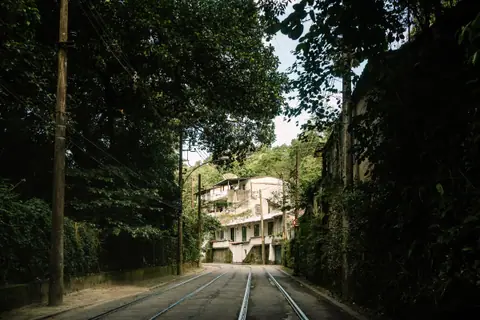
Descend the mountain by late morning and take a short vehicle ride up into Santa Teresa. This winding hillside neighbourhood retains historic mansions, independent art studios, and cobblestone lanes shaded by fruit trees. Enjoy lunch at an open-air cafe, then descend on foot via the Selarón Steps, the colourful tiled staircase created by artist Jorge Selarón. At the base of the stairs sits Lapa, famous for the towering whitewashed arches of the Arcos da Lapa. If your first day falls on a Monday or Friday, conclude your evening with open-air samba at Pedra do Sal in the port zone, or patronise a traditional live music hall in Lapa.
Day 2: Historic Centro, Port Renewal, and Sugarloaf Mountain
Dedicate the second morning to Centro, where Portuguese colonial architecture stands beside twentieth-century cultural landmarks. Walk through the ornate interior of the Royal Portuguese Reading Room, visit the grand Theatro Municipal, and stop for refreshments at Confeitaria Colombo. Board the quiet VLT light rail and travel north to Praça Mauá. Here, modern urban renewal projects host the Rio Art Museum and the futuristic waterfront Museum of Tomorrow.
In the mid-afternoon, transfer south to the tranquil military enclave of Urca. Board the two-stage cable car at Praia Vermelha to ascend Morro da Urca and then the granite monolith of Sugarloaf Mountain. Timing your summit arrival for late afternoon provides panoramic perspectives across the harbour, Flamengo, and Copacabana as the sun sinks behind the western ridges. Conclude the night with a relaxed dinner across the inlet in Botafogo, an energetic dining district filled with contemporary bistros and craft bars.
Day 3: Ipanema Beachfront, Botanical Grounds, and Sunset at Arpoador
Experience the outdoor coastal culture of the South Zone. Rent a shaded beach chair along the sands of Ipanema to observe the rhythmic games of footvolley and local beach life. Browse our comprehensive Rio de Janeiro beaches guide to discover individual lifeguard post cultures and safety considerations along this famous stretch of Atlantic sand. Stroll west into Leblon for a relaxed seafood lunch at a pavement table.
Spend the early afternoon walking through the lush avenues of the Botanical Garden, founded in the nineteenth century, and visit the adjacent public grounds of Parque Lage. Both sites display towering imperial palms and Atlantic Forest foliage beneath the northern cliffs of Corcovado. Conclude your three-day journey by walking east to the rocky headland of Arpoador, joining local residents on the boulders to watch the sunset over the Morro Dois Irmãos peaks before sharing evening drinks in Ipanema.
Climate Considerations and Schedule Adjustments
Rio de Janeiro experiences distinct tropical weather variations across the calendar year. Midsummer months bring high heat and frequent precipitation. January records an average high temperature of 30.4°C and 161 millimetres of rainfall across 14.6 wet days, while February averages 30°C with 149 millimetres of rain. March continues warm at 29.2°C with 152 millimetres of rainfall. During these summer periods, morning ascents are vital because convective rain showers frequently develop in late afternoons.
Winter months offer lower humidity and significantly reduced precipitation, creating ideal conditions for scenic photography and hill walking. July averages a high of 24.9°C, a low of 18.1°C, and only 40 millimetres of rain over 6.7 wet days. August records a high of 25.3°C and 63 millimetres across 9.5 wet days. Shoulder months such as May (25.7°C high, 64 millimetres) and June (25.1°C high, 42 millimetres) offer pleasant conditions with manageable warmth. Spring returns moderate rainfall, with October recording 88 millimetres and November recording 146 millimetres across 16.3 wet days.
Extending Your Stay
Travellers with additional days can venture beyond the central ring. Active hikers can tackle the trail up Morro Dois Irmãos or climb Pedra Bonita for aerial views over the southwestern coastline, including the wide beaches of Recreio dos Bandeirantes. Sports enthusiasts can book matchday admission at the legendary Maracanã stadium. Alternatively, board the cross-bay passenger ferry to Niterói to view the contemporary architectural works of Oscar Niemeyer, or head deeper into regional Rio de Janeiro state.
Where it is
- 1Rio de Janeiro
- Santos Dumont Airport (SDU) · about 1 km from Rio de Janeiro in a straight line
- Directions in Google Maps
Stations and taxi ranks: OpenStreetMap. Airports: OurAirports. Distances are in a straight line.
Traveller tips
Real advice from people who have been to Rio de Janeiro. Every tip is read by our team before it goes live.
No tips yet. Been here? Yours could be the first.
Thank you! Your tip will appear here after a quick review.
More in Rio de Janeiro
Continue exploring Rio de Janeiro with related neighbourhood, food, and planning guides