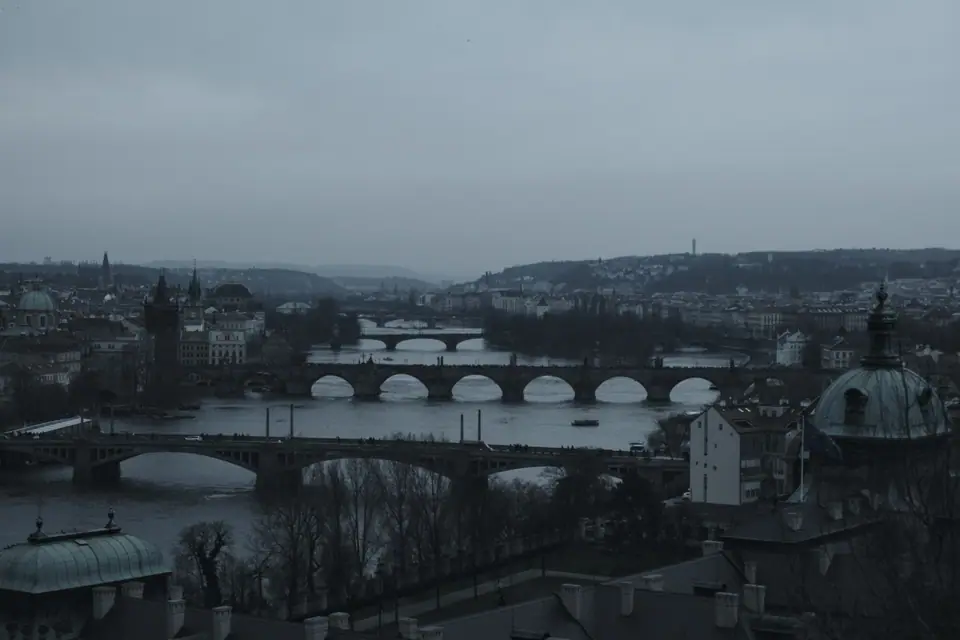
Best Things to Do in Stockholm
Plan your Stockholm itinerary with key cultural landmarks, scenic island walks, and seasonal strategies for museum visits, winter travel, and summer ferries.
Stockholm stretches across fourteen islands where the freshwater of Lake Mälaren empties into the Baltic Sea. The Swedish capital pairs intact historic quarters with maritime heritage and spacious public parks. Understanding how water defines the city centre shapes every route you take between mainland districts and surrounding shores.
Core Cultural Landmarks Across Central Stockholm
Starting in the medieval core gives immediate context to the maritime capital. Gamla Stan and Stortorget feature narrow paved alleys, tall merchant houses, and the Royal Palace. Visitors squeeze through the ninety-centimetre passage of Mårten Trotzigs Gränd before viewing historical royal state rooms. Nearby Storkyrkan contains the intricate fifteenth-century wooden carving of Saint George and the Dragon.
Across the water on the island of Djurgården stands the Vasa Museum. This maritime hall encloses an intact seventeenth-century warship that sank on its maiden voyage in 1628. Preserved in brackish mud for over three centuries, the salvaged vessel retains ninety-eight percent of its original oak hull and hundreds of carved wooden sculptures.
Further along Djurgården lies Skansen, founded in 1891 as an outdoor museum of Swedish rural tradition. The grounds gather roughly 150 historical buildings, farmsteads, workshops, and wooden churches relocated from across the country. Enclosures on the upper hill house native Nordic fauna, including moose, brown bears, and lynx.
On the eastern waterfront of Södermalm, Fotografiska occupies a converted 1906 industrial customs house. The institution presents rotating exhibitions of contemporary international photography. For panoramic city perspectives, travelers head to the timber footpath along Monteliusvägen on Södermalm. The elevated cliff walk looks north across the lake toward the spires of Riddarholmen and the brick arcades of Stockholm City Hall.
Architectural Walks and Subterranean Design
Stockholm City Hall stands on the eastern tip of Kungsholmen. The 1923 National Romantic brick structure hosts the annual banquet for Nobel laureates inside its Blue Hall and Golden Hall. The Golden Hall features eighteen million decorative glass and gold foil tiles portraying Swedish history. During summer months, visitors climb the 106-metre corner tower for views over central waterways.
Subterranean travel offers unexpected cultural interest. The Stockholm Metro Art Gallery transforms public transit stops into rock-hewn caverns. Stations such as T-Centralen, Solna Centrum, and Kungsträdgården feature exposed granite bedrock painted with bold murals, political motifs, and classical reliefs.
A short pedestrian bridge leads to Skeppsholmen and Moderna Museet. Skeppsholmsbron carries walkers past its gilded crown into a quiet island quarter devoted to contemporary art, historic boats, and waterside paths.
Day Trips and Outer Waterways
Venturing beyond the city centre reveals early Swedish settlement. Birka, situated on Björkö Island in Lake Mälaren, operated as a thriving international trading centre during the ninth and tenth centuries. Today the archaeological settlement forms a joint UNESCO World Heritage site with Hovgården on nearby Adelsö. Seasonal excursion boats depart central quays to reach the site.
Passenger services operated by Waxholmsbolaget run from Strömkajen and Nybroplan through the inner channels. Taking a public ferry to the fortress town of Vaxholm or the artisan workshops on Fjäderholmarna lets visitors appreciate the geography of Greater Stockholm from the water.
Navigating Stockholm by Season: Autumn Through Late Winter
Seasonal shifts influence how travelers schedule outdoor strolls and museum visits. Winter brings sub-zero temperatures and brief daylight, turning attention toward warm galleries and heated ferry lounges. Summer provides extended daylight hours ideal for park walks and lake swimming.
| Month | Climate Averages | Primary Focus | Key Practical Strategy |
|---|---|---|---|
| September | High 17.1°C / Low 10.2°C, 54 mm rain, 8.6 wet days | Archipelago ferries and island park walks | Take commuter ferries while schedules run regularly and autumn foliage colours Djurgården. |
| January | High 1.2°C / Low -3.4°C, 41 mm precipitation, 9.8 wet days | Major indoor museums and cavern metro art | Concentrate outdoor walks during midday light; spend late afternoons inside heated galleries. |
| February | High 1.9°C / Low -3.3°C, 31 mm precipitation, 8.1 wet days | Photography exhibitions and architectural interiors | Wear insulated footwear on icy cobblestones in Gamla Stan and reserve museum entries in advance. |
| March | High 5.6°C / Low -1.2°C, 29 mm precipitation, 7.4 wet days | Cultural centres and historic palace quarters | Take advantage of increasing daylight for clifftop viewpoints between visits to royal state apartments. |
Planning around these conditions ensures reliable transport and comfortable pacing. Visitors interested in things to do in Stockholm in September enjoy mild temperatures averaging highs of 17.1°C. It is an ideal window for walking along Strandvägen and boarding archipelago boats before summer timetables finish.
Finding things to do in Stockholm in January requires preparing for average lows of -3.4°C. The coldest weeks favour warm interior destinations like the Vasa Museum, the Royal Armory, and modern art galleries. Urban lighting illuminates Gamla Stan alleys once the sun sets in mid-afternoon.
Searching for things to do in Stockholm in February leads visitors toward indoor exhibitions, classical concerts, and waterfront dining. Clear, crisp winter mornings offer sharp views across frozen waterways from Monteliusvägen before afternoon snow flurries set in.
Those organizing things to do in Stockholm in March encounter lengthening daylight as high temperatures rise to an average of 5.6°C. Melting snow leaves pavements clear for longer walks through Södermalm and Kungsträdgården. March also allows uncrowded visits to major museum halls before spring tour traffic begins.
Practical Advice for Cultural Excursions
Stockholm functions almost entirely without physical cash. Museum ticket counters, public ferries, cafes, and historic sites require contactless payment cards or digital options. Ticket desks rarely accept paper notes. Checking official venue websites before your visit confirms current opening days, exhibition rotations, and maintenance schedules for towers and gardens.
Where it is
- 1Stockholm
- Stockholm-Bromma Airport (BMA) · about 8 km from Stockholm in a straight line
- Stockholm-Arlanda Airport (ARN) · about 36 km from Stockholm in a straight line
- Directions in Google Maps
Stations and taxi ranks: OpenStreetMap. Airports: OurAirports. Distances are in a straight line.
Traveller tips
Real advice from people who have been to Stockholm. Every tip is read by our team before it goes live.
No tips yet. Been here? Yours could be the first.
Thank you! Your tip will appear here after a quick review.
More in Stockholm
Continue exploring Stockholm with related neighbourhood, food, and planning guides
Södermalm Guide: Monteliusvägen Views, SoFo and Fotografiska
Stockholm, Sweden
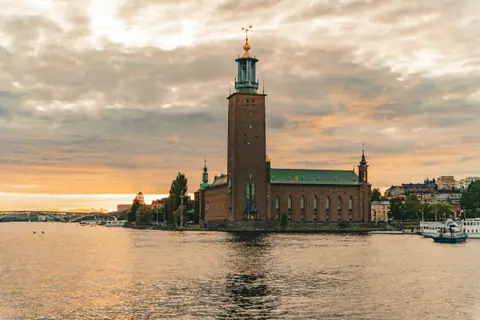
Östermalm and Norrmalm: Saluhall, Strandvägen and Kungsträdgården
Stockholm, Sweden
Stockholm Archipelago Guide: Vaxholm, Fjäderholmarna and Sandhamn
Stockholm, Sweden

Stockholm Metro Art Guide: The Best Stations on the Blue and Red Lines
Stockholm, Sweden
