
Oceania
Destinations in Oceania
Island distances, strict biosecurity borders, and shifting Southern Hemisphere fronts define overland and coastal travel across the Tasman.
Harbour Cities and Alpine Road Loops
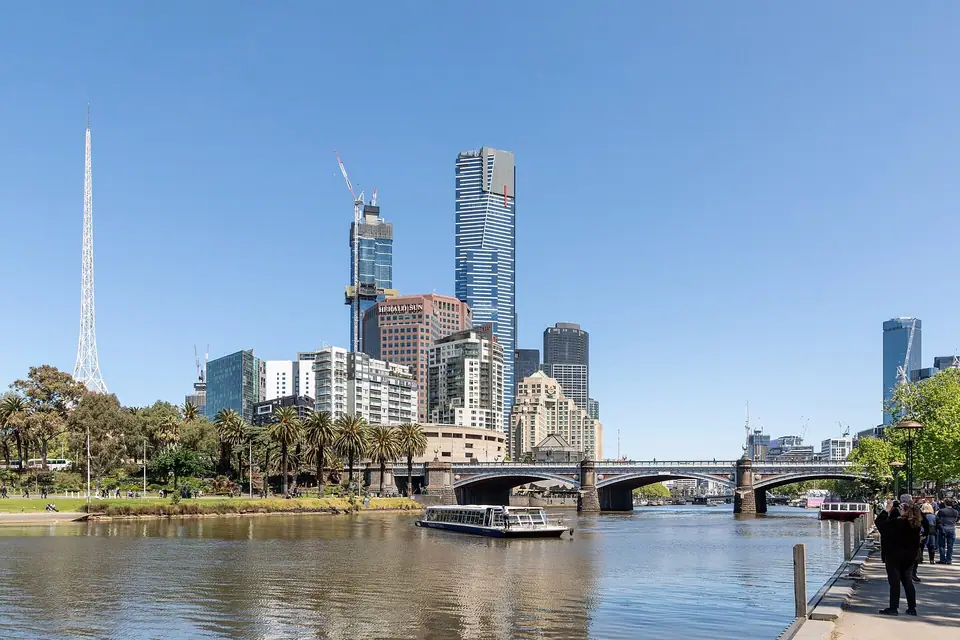
Compact urban cores across Australia and New Zealand make public transport a reliable way to link waterfront quarters with cultural districts. Harbour ferries tie coastal suburbs and scenic headlands together across Sydney and Auckland. Meanwhile, free central trams and suburban rail lines radiate smoothly from laneway hubs in Melbourne.
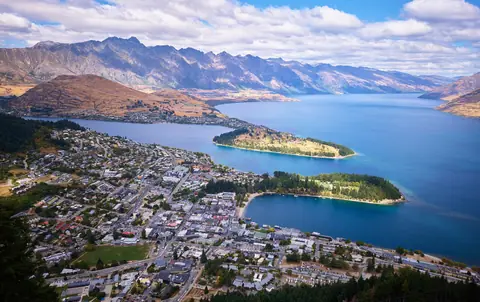
Further south, glacial lakes and mountain valleys around Queenstown demand close attention to fast-moving Southern Ocean weather fronts. Single-lane valley bridges, steep alpine grades, and mandatory winter snow-chain checks require realistic driving margins. Because trans-Tasman crossings always need a flight, pairing one Australian metropolis with one New Zealand island keeps transit fatigue manageable.
Opposite Seasons Across Latitude Zones
Conditions flip sharply between humid northern summers, temperate southern capitals, and alpine fjords subject to sudden squalls throughout the year. Checking ten-year climate bands before booking coastal ferries or alpine passes prevents losing scenic trail days to sustained low cloud.
| Hub | Peak Outdoor Windows | Field Reality |
|---|---|---|
| Sydney | September to November and March to May | Mild coastal walks and harbour ferries run smoothly without midsummer humidity |
| Melbourne | February to April and October to November | Four-season shifts occur in one afternoon; pack a compact windproof layer |
| Auckland & Queenstown | December to March trails; June to August alpine snow | Sudden Southern Ocean squalls alter Great Walk hut access and fjord sailings |
Biosecurity Borders, Huts, and Regional Transit
Both Australia and New Zealand enforce strict agricultural biosecurity checks at every international airport and cruise terminal. Scrub hiking boot soles completely clean of soil, inspect tent pegs, and declare any packaged snacks, seeds, or untreated wooden items before clearing customs arrivals.
Contactless bank cards tap directly onto urban ferries, trains, and buses in Australian port hubs, whereas New Zealand cities rely on regional smartcards for commuter routes. For peak summer Great Walks and inter-island Cook Strait vehicle ferries, reserve alpine huts and sailings on official conservation and maritime portals months ahead.
Airport Links and Car-Free Neighbourhood Stays
Choosing central waterfront or rail-hub neighbourhoods eliminates expensive daily city parking garages in both Australian and New Zealand gateways. Use rail or express sky-bus connections on landing day and reserve rental vehicles solely for rural coastal drives or alpine mountain loops.
Distances across outback highways and alpine passes demand conservative fuel and offline navigation checks before leaving city limits. Confirm seasonal road avalanche advisories, tidal coastal boardwalk hours, and regional transit zone caps on official transport websites before setting multi-day driving legs across island highways.
Guides
Victorian Splendour and Laneway Culture of Melbourne: The Hoddle Grid, Fitzroy and Southbank
Australia
Volcanic Cones, Maritime Wharves and Verandahs: Navigating Tāmaki Makaurau from the Waitematā to Ponsonby
New Zealand
Around Port Jackson: Sydney Cove Sandstone Lanes, Botanic Headlands and Ocean Cliffs
Australia
Experiences
No bookable experiences here yet.
