Best Time to Visit Banff National Park: Lake Thaw, Summer Trails and Golden Larches
Discover the best time to visit Banff National Park, from June lake thaw and July wildflowers to September golden larches and winter wonderland skiing.
More than almost any mountain destination on Earth, timing your holiday to Banff National Park requires precise seasonal planning. Lake Louise sits at 1,731 metres above sea level and Moraine Lake rests at 1,885 metres. Travellers who arrive in April or early May expecting neon turquoise water find white snow and solid ice covering the valleys. Selecting the correct month ensures you match your travel goals to the seasonal reality of the Canadian Rockies.
The Spring Thaw and Early Summer Transition (Late May to June)
Late spring brings dramatic change to the Bow Valley as valley floors turn green and wildlife emerges from winter ranges. Low-elevation trails dry out, but high alpine passes remain buried in deep snowpacks until late June.
- Lake Thaw Timeline: Glacial lakes like Lake Louise, Moraine Lake, and Peyto Lake stay frozen through late May. Thaw begins in early June, when giant ice floes break apart across the water. The intense turquoise colour comes from fine rock flour ground down by glaciers, which reaches its deepest hues as meltwater increases from late June onward.
- Moraine Lake Road Access: Moraine Lake Road opens seasonally around 1 June and operates through mid-October. Private passenger vehicles are permanently barred from this road. You must secure transit seats via the Moraine Lake shuttle system or use regional buses to see the Valley of the Ten Peaks.
- Early Summer Hiking: Canyon walks and lower valley paths are ready first. Roaring meltwater makes early June prime for the Johnston Canyon catwalk hike, but pack traction cleats for shadowed catwalk sections that harbour lingering ice.
Peak Summer for Glacial Colour and Alpine Hikes (July to August)
July and August provide the warmest weather and the most reliable access to high-elevation terrain across the park. Daytime temperatures typically average between 20°C and 25°C, creating ideal conditions for long wilderness excursions.
- Brilliant Turquoise Lakes: Warm summer sunshine accelerates glacial melt, washing maximum rock flour into Bow Lake, Peyto Lake, and Lake Louise. This intense mineral suspension reflects green and blue wavelengths, producing the vivid colours seen in travel photography.
- Snow-Free Alpine Ridges: High passes shed their winter snow by early July. You can safely tackle elevated routes like the Plain of Six Glaciers, Sentinel Pass, and the high-elevation trails featured in our Sunshine Meadows and Parker Ridge guide.
- Logistics and Reservations: This period attracts the heaviest crowds of the year. Shuttle tickets for Lake Louise and Moraine Lake sell out weeks in advance on the Parks Canada reservation portal. Trailhead parking lots at Lake Louise often fill before sunrise, making public transit essential.
Golden Larch Season and Crisp Autumn Days (September to Mid-October)
Autumn brings crisp mountain air, thinning crowds, and one of the most celebrated botanical events in North America. For roughly two to three weeks, from mid-September into early October, subalpine larch needles transform into vivid yellow canopies before dropping for winter.
- Larch Valley and High Cirques: High-altitude deciduous conifers, known as subalpine larches, flourish above 2,000 metres. The trek from Moraine Lake into Larch Valley and up toward Sentinel Pass offers brilliant yellow views against dark granite peaks. Taylor Lake and Lake Agnes provide equally impressive autumn displays.
- Autumn Temperatures: Expect crisp mornings with temperatures frequently hovering near freezing. Layered fleeces, windbreakers, and warm gloves become mandatory gear, as described in our guide on what to wear in Banff.
- Road Closures: Moraine Lake Road closes to all traffic immediately following Canadian Thanksgiving, which falls on the second Monday of October. High-elevation services and tea houses wind down operations over the same weekend.
Winter Wonderland and Ski Season (November to April)
Winter blankets the Canadian Rockies in deep powder snow from November through April. The busy summer crowds vanish, leaving tranquil valleys, frozen waterfalls, and reliable conditions for cold-weather recreation.
- Ice Activities and Lake Louise: Lake Louise freezes solid by December, transforming into an open-air ice skating rink with towering peaks as a backdrop. Ice climbers tackle frozen cascades, while winter walkers explore ice pillars at Johnston Canyon.
- Downhill Skiing at SkiBig3: Skiers and snowboarders explore three independent resorts located within the national park: Banff Sunshine, Lake Louise Ski Resort, and Mount Norquay. The cold continental climate produces dry, light powder snow from December into late April.
- Winter Driving Safety: Mountain highways require caution. British Columbia and Alberta laws mandate winter tyres with the mountain snowflake or M+S symbol on mountain roads from October through May. Rental vehicles should be reserved with proper tyres well in advance.
Comparing Banff Seasons at a Glance
| Season | Months | Lake Water Status | Trail Conditions | Key Operational Realities |
|---|---|---|---|---|
| Late Spring | Late May to June | Thawing; floating ice floes clearing by mid-June | Lower canyons open; high alpine passes snowy | Moraine Lake Road opens around 1 June to shuttles |
| Peak Summer | July to August | Fully thawed; deepest turquoise colour | All high passes and ridges clear and dry | Peak crowds; shuttle and lodging bookings essential |
| Golden Larch | Mid-Sept to Early Oct | Open water; rapid cooling; mirror reflections | Dry trails; morning frost; high-altitude snow dust | Larches peak late September; Moraine road shuts mid-October |
| Winter / Ski | November to April | Completely frozen; covered in thick snowpack | Snowshoeing and crampon trails only | Winter tyres required; SkiBig3 resorts open for skiing |
Coordinating Banff with Jasper and Glacier National Parks
Many visitors combine Banff with other iconic parks in Western Canada and the United States. Timing these overland routes requires careful attention to mountain pass closures.
For travellers combining Banff and Jasper National Park, note that we refer to Jasper National Park in the Canadian Rockies of Alberta, rather than the small commercial municipality of Jasper, Texas. The connection between Banff and Jasper runs along Highway 93 North, the scenic Icefields Parkway, which spans roughly 230 kilometres. The ideal time to complete this combined road trip is from July through September, when roadside viewpoints like Athabasca Falls and the Columbia Icefield are fully operational without winter road delays.
If you plan to connect Banff with Glacier National Park in Montana, target late July or August. The famous Going-to-the-Sun Road over Logan Pass in Glacier National Park rarely clears of snow before late June or early July. Travelling in mid-summer ensures open mountain passes on both sides of the international border.
Selecting Your Ideal Travel Window
If turquoise lakes and alpine hiking are your primary goals, book your visit between 1 July and 31 August. Photographers looking for brilliant autumn foliage should target the final two weeks of September. Winter sports enthusiasts will find optimal snow quality between January and March, while budget-conscious travellers who prefer quiet valley viewpoints can take advantage of the late May thaw or late October transition.
Weather by month
Banff is warmest in July, with average highs around 23°C, and coldest in December, when nights drop to about -13°C. June is the wettest month by rainfall (78 mm), with rain on about 12 days.
| Month | Low | Range | High | Rain | Rainy days |
|---|---|---|---|---|---|
| Jan | -12°C | -3°C | 26 mm | 7 d | |
| Feb | -11°C | 0°C | 22 mm | 6 d | |
| Mar | -7°C | 4°C | 28 mm | 7 d | |
| Apr | -2°C | 9°C | 38 mm | 8 d | |
| May | 2°C | 15°C | 62 mm | 11 d | |
| Jun | 6°C | 19°C | 78 mm | 12 d | |
| Jul | 8°C | 23°C | 56 mm | 10 d | |
| Aug | 8°C | 23°C | 54 mm | 9 d | |
| Sep | 3°C | 17°C | 46 mm | 8 d | |
| Oct | -2°C | 10°C | 34 mm | 7 d | |
| Nov | -8°C | 1°C | 30 mm | 7 d | |
| Dec | -13°C | -4°C | 28 mm | 8 d |
Averages of daily values from 2015 to 2024. Rainy days are days with at least 1 mm of rain. Source: Open-Meteo · Compare destinations by month.
Where it is
- 1Banff
- Calgary International Airport (YYC) · about 109 km from Banff in a straight line
- Directions in Google Maps
Stations and taxi ranks: OpenStreetMap. Airports: OurAirports. Distances are in a straight line.
Traveller tips
Real advice from people who have been to Banff. Every tip is read by our team before it goes live.
No tips yet. Been here? Yours could be the first.
Thank you! Your tip will appear here after a quick review.
More in Banff
Continue exploring Banff with related neighbourhood, food, and planning guides
Where to Stay in Banff: Banff Town, Canmore and Lake Louise
Banff, Canada
What to Wear in Banff: The 3-Layer Mountain Rule, Hiking Boots, Bear Spray & Microspikes
Banff, Canada
3 to 4 Days in Banff: Lake Louise, Moraine Lake, Gondola, Johnston Canyon & Icefields Parkway
Banff, Canada
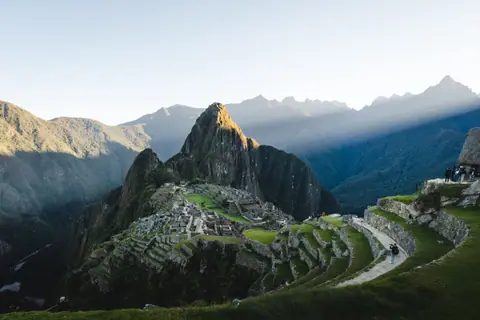
Sunshine Meadows and Parker Ridge: Banff High-Alpine Day Hikes Guide
Banff, Canada
