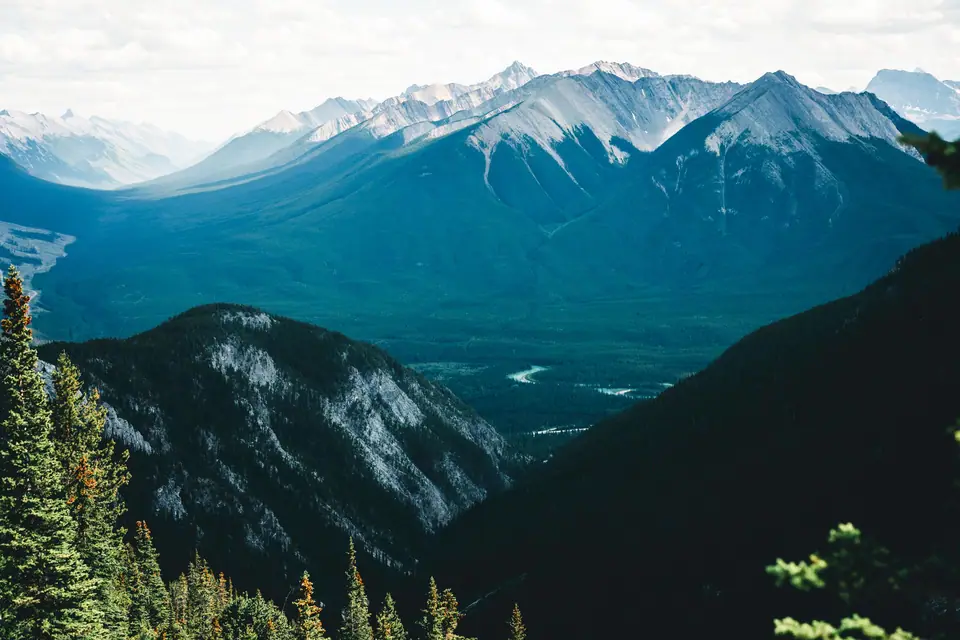
Best Things to Do in Banff National Park
Discover the essential things to do across Banff National Park, featuring glacier-fed lakes, downtown walks, alpine lookouts, and winter snow sports.
Essential Mountain Landscapes and Glacier Lakes
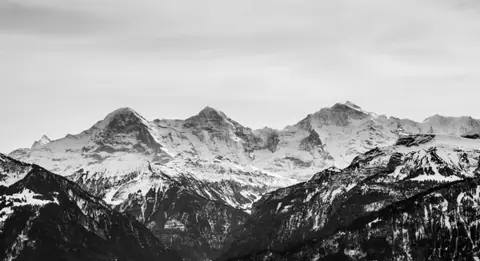
Banff National Park packs world-famous alpine scenery along a 150-kilometre mountain corridor in the Alberta Rockies. Established around the Trans Canada Highway, the region showcases towering limestone peaks, dense evergreen forests, and glacial waters fed by high snowpack. The site of Banff has been continually inhabited by First Nations peoples for at least 10,000 years, creating a deep human history beneath these sharp summits. In 1884, George Stephen, president of the Canadian Pacific Railway, named the settlement Banff. Today, travellers arriving through Calgary International Airport enter a protected reserve that blends outdoor adventure with well-managed wilderness infrastructure.
Standing atop the Rockpile at Moraine Lake and the Valley of the Ten Peaks remains a premier highlight. A short stone path climbs above the water, revealing ten steep summits reflected in turquoise shallows. Nearby, travellers gather at Lake Louise to hike up to the Lake Agnes Tea House. The forested switchback trail leads past Mirror Lake to a hanging valley where a historic teahouse and alpine waterfall sit framed by rugged cliffs. Energetic hikers often extend this route toward the Big Beehive or Little Beehive lookouts for elevated panoramic vantages over the Bow Valley.
Canyon Catwalks and Scenic Drives
Venturing north from Lake Louise brings drivers onto the legendary Icefields Parkway. This scenic mountain roadway connects Lake Louise with Jasper over 232 kilometres of dramatic alpine terrain. The corridor represents a remote route characterised by limited services and an absence of mobile phone coverage. Drivers must ensure their vehicles are fuelled and prepared before setting out. A valid park pass is mandatory for travelling along the highway. Key turnouts include the vantage points over Bow Lake and the elevated overlook above turquoise Peyto Lake, which resembles the profile of a running wolf.
For accessible hiking, the suspended steel catwalks of Johnston Canyon to the Lower and Upper Falls offer intimate views into a narrow limestone gorge. Sturdy walkways cling to sheer rock walls above the churning creek, allowing visitors to view frozen pillars in cold weather or rushing white water during peak summer runoff. Those seeking longer treks can continue past the Upper Falls to the mineral spring pools known as the Ink Pots, where circular basins bubble continuously against an open mountain meadow backdrop.
Downtown Sights and Cultural Exploration
Travellers searching for things to do in Banff downtown find an engaging blend of cultural heritage and accessible nature right from the town centre. Sitting at an elevation between 1,400 and 1,630 metres above sea level, the town layout frames dramatic views of Cascade Mountain rising at the northern end of Banff Avenue. A leisurely walk through the streets reveals local bakeries, gear outfitters, and historical landmarks. Exploring Banff Avenue, the Bow River pedestrian bridge, and Bow Falls provides an ideal introduction to the community. Paved pathways follow the riverbank to the roaring cataract of Bow Falls, where the water churns before joining the wider valley basin.
A brief climb or drive leads to Surprise Corner, which presents an iconic view across the forest toward the grand 1888 Banff Springs Hotel. The Canadian Pacific Railway constructed these monumental lodgings to entice early travellers into the mountain wilderness. For an elevated vista over the townsite, the summit of Sulphur Mountain delivers 360-degree views. Visitors can ascend via the enclosed gondola cabins or tackle the switchback trail on foot. At the crest, the wooden boardwalk leads toward Sanson's Peak, an early meteorological observatory overlooking mountain ranges that ripple toward the horizon.
Seasonal Winter Excursions and January Highlights
When planning things to do in Banff in January, visitors encounter a true winter wonderland defined by crisp mountain air and dry snow conditions. Open-Meteo climate averages between 2015 and 2024 show January temperatures reaching a daily high of -3.1°C and dropping to an overnight low of -12.4°C, with roughly seven precipitation days. These sub-zero temperatures support reliable snow quality across the Alberta Rockies. Downhill enthusiasts can head to nearby ski resorts within the national park boundaries, including Sunshine Village, Ski Norquay, and Lake Louise Ski Resort. These centres provide diverse terrain ranging from gentle beginner groomers to steep alpine bowls.
Winter travellers without skis can strap on ice cleats or microspikes to explore frozen waterfalls within Johnston Canyon, where ice climbers tackle blue-tinted ice sheets. Snowshoeing around frozen lakes, viewing the evening stars across clear winter skies, and watching wildlife along valley flats remain popular cold-weather pastimes. Layered cold-weather garments, insulated boots, and windproof outer shells are essential gear for lingering outside in midwinter.
Comparing Major Banff Activities
| Activity Location | Primary Landscape Type | Seasonal Availability | Key Practical Requirement |
|---|---|---|---|
| Moraine Lake Rockpile | Glacial lake and high rock wall | Summer to early autumn | Advance shuttle reservation required |
| Lake Agnes Tea House Trail | Subalpine forest and hanging lake | Late spring through autumn | Sturdy hiking footwear for switchbacks |
| Icefields Parkway Drive | Glaciers, peaks, and remote valleys | Year-round weather permitting | Full fuel tank and valid park pass |
| Johnston Canyon Catwalks | Limestone canyon and waterfalls | Year-round access | Traction cleats advised in winter |
| Sulphur Mountain Summit | Alpine ridge and valley panoramas | Year-round access | Warm windproof jacket at altitude |
| Downtown Banff and Bow Falls | River paths and heritage architecture | Year-round access | Comfortable walking shoes |
Wildlife Corridors and Calmer Lake Loops
Beyond the primary tourist hubs, scenic side routes reward unhurried exploration. Running parallel to the Trans Canada Highway, the lower-speed Bow Valley Parkway offers a tranquil transit corridor through prime wildlife habitat. Drivers commonly spot elk, mule deer, and bighorn sheep browsing along the verge. The route also passes Morant's Curve, a celebrated viewpoint where Canadian Pacific freight trains wind along the Bow River below dramatic mountain ridges.
Closer to the townsite, Lake Minnewanka, Two Jack Lake, and the Vermilion Lakes chain offer peaceful water margins. Vermilion Lakes sits just west of the urban perimeter, providing flat boardwalks and mirror reflections of Mount Rundle at dawn and dusk. Lake Minnewanka extends across 21 kilometres into the wilderness, inviting summer trail walkers and boat tours across its deep blue surface. Respecting seasonal closures, carrying bear spray during thawed months, and maintaining distance from large mammals ensures these wild spaces remain pristine for decades to come.
Where it is
- 1Banff
- Calgary International Airport (YYC) · about 109 km from Banff in a straight line
- Directions in Google Maps
Stations and taxi ranks: OpenStreetMap. Airports: OurAirports. Distances are in a straight line.
Traveller tips
Real advice from people who have been to Banff. Every tip is read by our team before it goes live.
No tips yet. Been here? Yours could be the first.
Thank you! Your tip will appear here after a quick review.
More in Banff
Continue exploring Banff with related neighbourhood, food, and planning guides
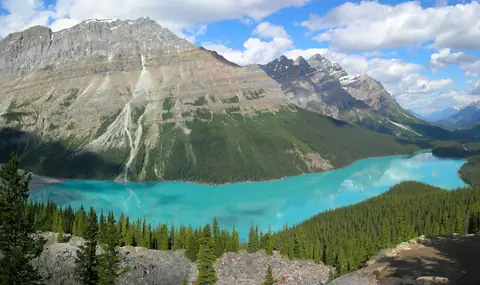
Driving the Icefields Parkway (Highway 93N): Bow Lake, Peyto Lake and the Columbia Icefield
Banff, Canada
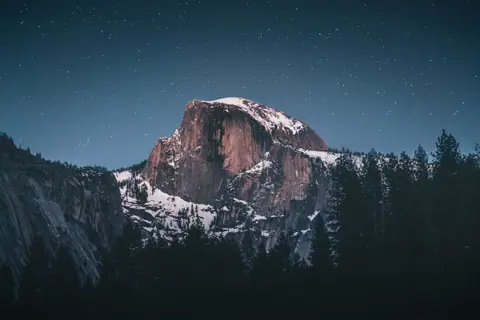
Banff Gondola & Upper Hot Springs: Sulphur Mountain Summit Guide
Banff, Canada
Johnston Canyon Catwalk Hike (Lower & Upper Falls) and the Turquoise Ink Pots
Banff, Canada
Walking Banff Town: Banff Avenue, Bow Falls, Surprise Corner and Tunnel Mountain Hike
Banff, Canada
