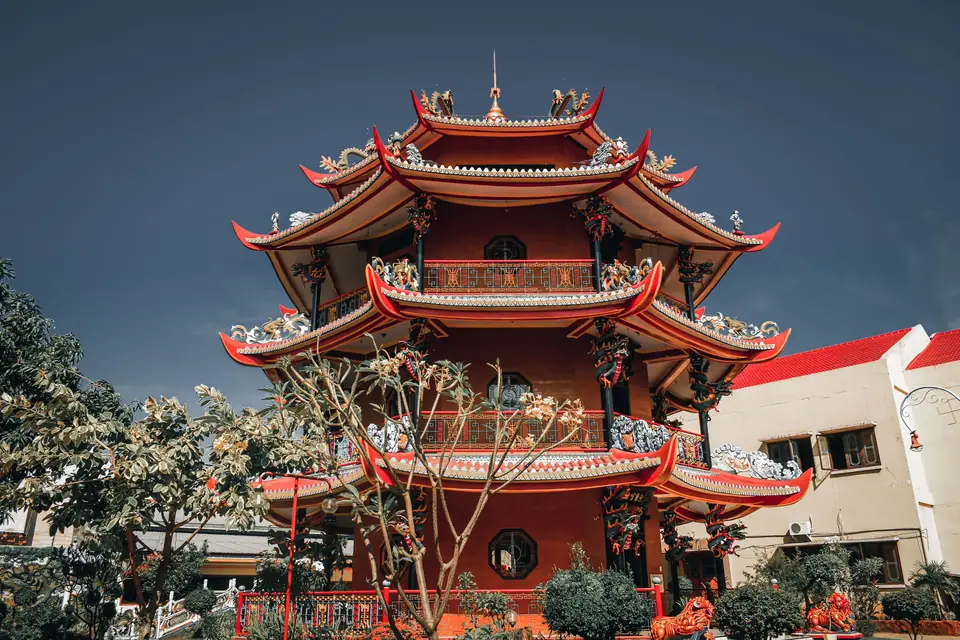
Chengde Mountain Resort Day Trip: Bullet Train from Beijing, Lakes & Outer Temples
How to visit UNESCO-listed Chengde Mountain Resort and the Eight Outer Temples on a 52 to 65 minute high-speed train day trip from Beijing.
Roughly 220 kilometres northeast of Beijing across the Yanshan mountains in Hebei Province, Chengde preserves the grandest imperial summer palace and temple complex outside the capital. The UNESCO World Heritage Mountain Resort (Bishu Shanzhuang) and its surrounding semicircle of Eight Outer Temples (Waibamiao) served the Qing emperors as a cool-weather seat of government for up to five months every year between May and October.
Thanks to the Beijing-Harbin High-Speed Railway, Fuxing bullet trains from Beijing Chaoyang Station (reached via Subway Line 3) reach Chengde South Station in 52 to 65 minutes, turning what used to be an arduous mountain journey into a straightforward day trip.
The Mountain Resort (Bishu Shanzhuang): Three Landscape Zones
Enclosed by a ten-kilometre crenellated stone wall climbing the ridges like a miniature Great Wall, the 560-hectare Mountain Resort covers nearly double the footprint of Beijing's Summer Palace. Instead of glazed yellow roof tiles and bright red lacquer, the Kangxi and Qianlong emperors built the Main Palace Audience Halls in plain grey brick and fragrant hard pine (nanmu) to project restrained scholarly rule.
Behind the residential courtyards, imperial landscape designers recreated the geography of the Qing empire across three distinct grounds:
- Lake Area (Southeast): islands, willow-shaded dykes and pavilions modelled on the misty water gardens of Jiangnan, anchored by the 1751 golden-roofed Yanyu Tower set on an island causeway.
- Plains Area (Wanshuyuan, Northeast): open grassland where emperors pitched ceremonial Mongol yurts to receive frontier princes, stage horse races and watch equestrian displays.
- Mountain Area (Northwest): four-fifths of the park's rugged hillside territory, dotted with quiet pavilion ridges overlooking the valley and outer monastery roofs.
Puning Temple and the Little Potala Palace (Eight Outer Temples)
Just north of the palace walls sit the surviving Eight Outer Temples, constructed in Tibetan, Mongol and Han styles so visiting Tibetan lamas and Mongolian khans could worship in architectural traditions familiar from home:
- Putuo Zongcheng Temple (Little Potala Palace): built between 1767 and 1771 for the Qianlong Emperor's sixtieth birthday and modelled closely on the Potala Palace in Lhasa. Climb up the towering crimson Dahongtai (Great Red Terrace) to see the gilded copper roofs of the central Wanfaguiyi Hall.
- Puning Temple (Temple of Universal Peace): an active Tibetan Buddhist monastery housing a 22.28-metre wooden Avalokitesvara (Guanyin) statue with a thousand arms and eyes, carved from five species of timber (pine, cypress, elm, fir and linden).
High-Speed Train Logistics and Practical Route for One Day
High-speed departures into Chengde leave predominantly from Beijing Chaoyang Station rather than Beijing South or West stations. Book tickets in advance with your passport number on Trip.com or the official 12306 rail app, as weekend morning bullet trains can sell out.
From Chengde South Station, local taxis and city buses run north into central Chengde in roughly 20 to 30 minutes. Tour the palaces and Lake Area of the Mountain Resort in the morning when water reflections are calm. After lunch near Lizheng Gate, devote the afternoon to Putuo Zongcheng Temple and Puning Temple along the northern ridge before catching an evening Fuxing bullet train back to Beijing.
Where it is
- 1Chengde Mountain Resort Day Trip
- Beijing Capital International Airport (PEK) · about 152 km from here in a straight line
- Directions in Google Maps
Stations and taxi ranks: OpenStreetMap. Airports: OurAirports. Distances are in a straight line.
Traveller tips
Real advice from people who have been to Beijing. Every tip is read by our team before it goes live.
No tips yet. Been here? Yours could be the first.
Thank you! Your tip will appear here after a quick review.
More in Beijing
Continue exploring Beijing with related neighbourhood, food, and planning guides
Drum and Bell Towers (Gulou and Zhonglou): Imperial Timekeeping
Beijing, China
Nanluoguxiang and the Central Hutongs: Side Lanes and Courtyards
Beijing, China
Wudaoying Hutong: Independent Cafes, Studios and Quiet Courtyards
Beijing, China
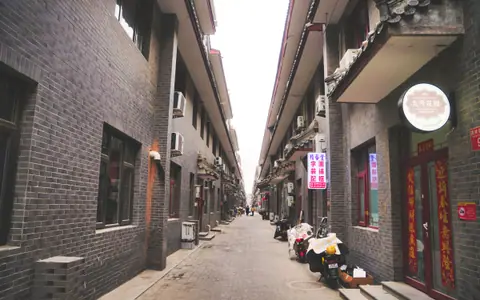
Dashilar and Yangmeizhu Byway: Guild Facades and Bookshops
Beijing, China
