Best Time to Visit Berlin: Seasons, Weather and Timing
Plan your Berlin trip with verified climate averages, seasonal crowd patterns, and monthly recommendations for open-air parks and cultural museum visits.
Short answer: May, June, and September offer the finest balance of comfortable weather, energetic park life, and manageable sight lines. The German capital sits on the Spree river, extending into the Havel in Spandau, meaning seasonal outdoor living defines the city experience from late spring through early autumn.
Berlin Seasonal Climate and Weather Summary
Berlin experiences a temperate seasonal climate with pronounced shifts between warm, humid summers and cold, crisp winters. Ten years of Open-Meteo climate monitoring from 2015 to 2024 highlight exact temperature shifts and precipitation levels across the calendar year.
| Month | Average High | Average Low | Precipitation | Wet Days |
|---|---|---|---|---|
| January | 4.1°C | -0.6°C | 57 mm | 13.6 days |
| February | 6.4°C | -0.1°C | 48 mm | 11.2 days |
| March | 9.5°C | 1.4°C | 45 mm | 11.6 days |
| April | 14.0°C | 4.4°C | 33 mm | 8.6 days |
| May | 19.2°C | 9.4°C | 42 mm | 8.4 days |
| June | 24.2°C | 14.1°C | 71 mm | 10.1 days |
| July | 24.5°C | 15.2°C | 65 mm | 11.0 days |
| August | 25.5°C | 15.8°C | 47 mm | 8.7 days |
| September | 20.9°C | 11.9°C | 40 mm | 7.6 days |
| October | 14.6°C | 8.0°C | 56 mm | 11.0 days |
| November | 8.5°C | 3.4°C | 49 mm | 10.5 days |
| December | 5.5°C | 1.3°C | 51 mm | 12.3 days |
Spring: Emerging Terraces and Budding Parks
March remains chilly and unpredictable. Daily highs reach an average of 9.5°C, while overnight lows dip to 1.4°C across 11.6 wet days. Cold winds from the east frequently sweep through Alexanderplatz and open boulevards, requiring heavy coats and windproof outer layers.
Conditions change rapidly in April. Temperatures rise to an average high of 14.0°C, and monthly precipitation drops to 33 millimetres over just 8.6 wet days. Street life reawakens as café terraces set out outdoor seating, and cherry blossoms appear along sections of the former border trail.
May stands out as one of the best months for comprehensive sightseeing. The average daytime high reaches 19.2°C, paired with pleasant night temperatures averaging 9.4°C. Expansive green spaces like Tiergarten fill with cyclists and morning joggers. Travellers should pack versatile layers to handle changing conditions, consulting our guide on what to wear in Berlin before departure.
Summer: Open-Air Living and Warm Evenings
Summer brings long daylight hours and an infectious energy to public spaces across the capital. June marks the onset of true warmth with an average high of 24.2°C and a low of 14.1°C. It is the wettest month of the year, collecting 71 millimetres of rainfall across 10.1 wet days. Sudden afternoon downpours and brief thunderstorms are common, making a compact umbrella essential for long days outdoors.
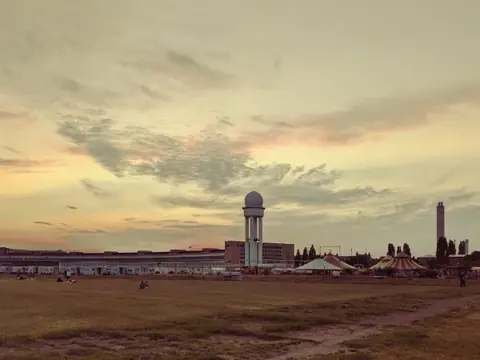
July and August represent the peak summer holiday window. July reaches an average high of 24.5°C with 65 millimetres of rain, while August is the warmest month on record, averaging 25.5°C by day and 15.8°C at night. Residents flock to beer gardens, canal banks, and the vast runways of Tempelhofer Feld to socialise during balmy evenings.
Air conditioning is rarely installed in standard residential flats, budget hotels, or older transport carriages. When heatwaves push afternoon temperatures over 30°C, schedule visits to air-cooled galleries or take afternoon breaks. June features the citywide Fête de la Musique on 21 June, bringing free acoustic and electronic stages to streets across Kreuzberg and Prenzlauer Berg.
Autumn: Crisp Walks, Golden Foliage and Architecture
September provides exceptional conditions for exploration on foot. The average daytime temperature settles at a comfortable 20.9°C, overnight lows fall to 11.9°C, and rainfall averages only 40 millimetres over 7.6 wet days. Crowds thin significantly following the school summer holidays, leaving prominent historic monuments far easier to inspect at leisure.
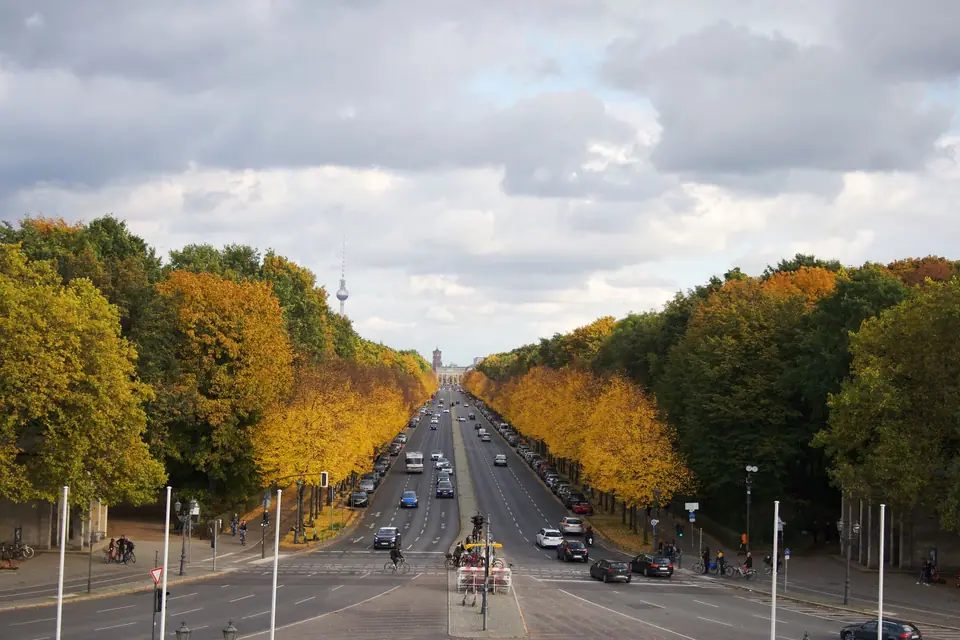
October brings cooler air and classic autumn colours to the chestnut trees lining residential avenues. Highs average 14.6°C, while evening lows average 8.0°C across 11.0 wet days. The annual Festival of Lights transforms major architectural landmarks with evening projection art, creating evening walking routes along Unter den Linden and Bebelplatz.
November introduces early darkness and damp weather. Highs decline to 8.5°C, and night temperatures fall to 3.4°C with 49 millimetres of rain across 10.5 wet days. Outdoor activities dwindle, encouraging visitors into heated indoor venues, neighbourhood bakeries, and grand cultural centres.
Winter: Festive Markets and World-Class Museums
Winter brings cold continental air and short daylight hours, but rewards travellers with cultural programmes and seasonal markets. December averages a daytime high of 5.5°C and a night low of 1.3°C across 12.3 wet days. From late November until late December, festive markets across Gendarmenmarkt and Charlottenburg Palace illuminate the winter evenings with warm spiced drinks and artisan crafts.
January is the coldest month of the year. It records an average high of 4.1°C, a freezing low of -0.6°C, and 57 millimetres of precipitation spread over 13.6 wet days. Light snow flurries can settle on rooftop domes, though slush is more typical on city pavements. Sleet and raw winds make extensive outdoor walking tiring.
February remains cold, averaging a high of 6.4°C and a low of -0.1°C over 11.2 wet days. The Berlinale International Film Festival activates movie theatres and exhibition centres in mid-February, bringing world cinema audiences into the city centre. Winter is the ideal season to book extended days exploring the covered halls of Museum Island, where monumental antiquities and historical galleries offer warm, tranquil shelter away from the grey streetscape.
Practical Planning Advice for Every Season
Choosing your dates depends directly on whether your trip prioritises open-air recreation or indoor heritage:
- Peak sightseeing comfort: Target mid-May through June or the entirety of September. Daily highs sit comfortably between 19°C and 24°C, which prevents midday exhaustion.
- Bargain bookings and light queues: Visit in mid-January, February, or November. Flight rates into Berlin Brandenburg Airport drop, accommodation availability improves, and museum ticket halls remain unhurried.
- High-demand event dates: Book well in advance if travelling during the Berlin Marathon in late September or the Berlinale in February. Both events draw thousands of international attendees and rapidly fill central hotel rooms.
Where it is
- 1Berlin
- Berlin Brandenburg Airport (BER) · about 19 km from Berlin in a straight line
- Directions in Google Maps
Stations and taxi ranks: OpenStreetMap. Airports: OurAirports. Distances are in a straight line.
Traveller tips
Real advice from people who have been to Berlin. Every tip is read by our team before it goes live.
No tips yet. Been here? Yours could be the first.
Thank you! Your tip will appear here after a quick review.
More in Berlin
Continue exploring Berlin with related neighbourhood, food, and planning guides